Cost-Effective Heating Solutions
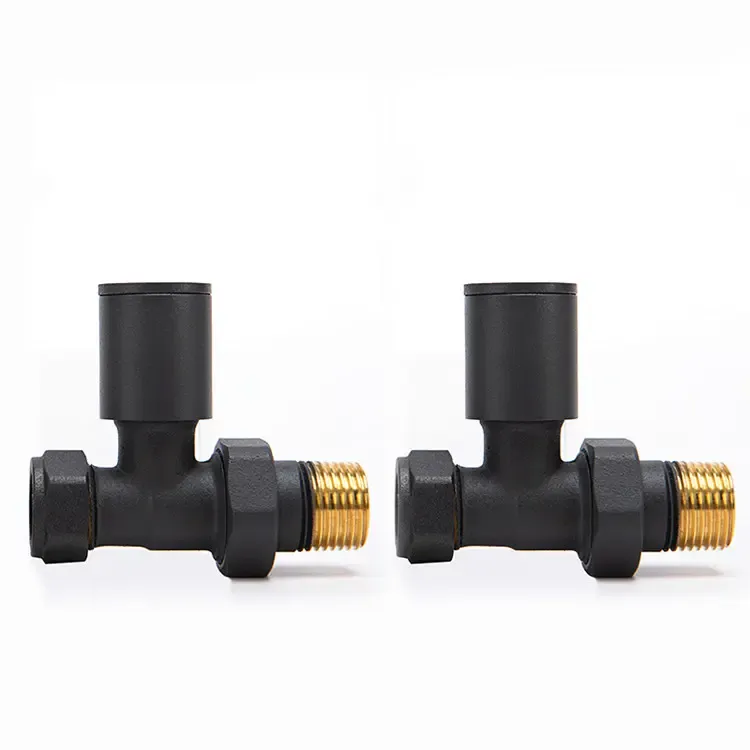
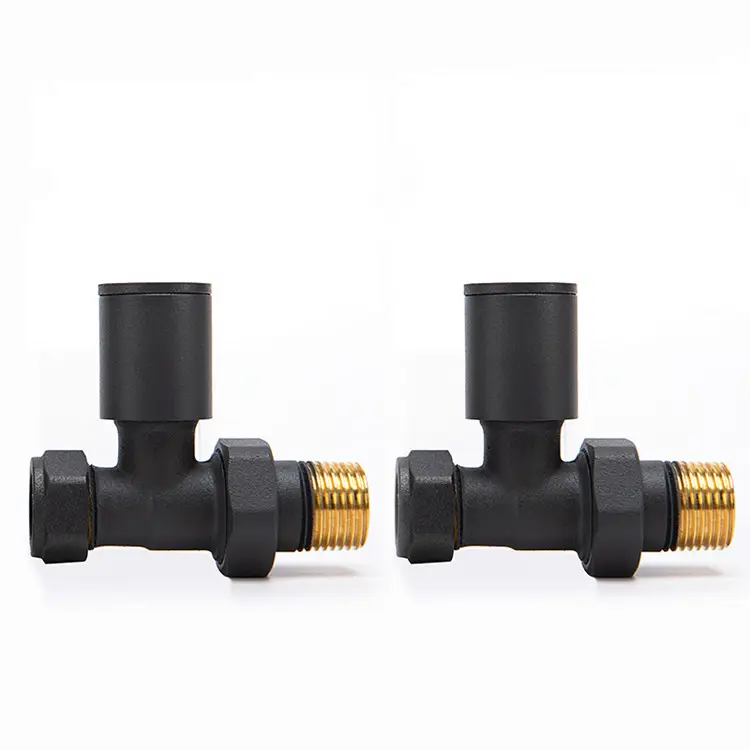
Manual radiator valve systems deliver outstanding cost-effectiveness through multiple economic advantages that benefit property owners, facility managers, and building occupants throughout the valve's extended service life. The initial purchase price of manual radiator valves remains significantly lower than comparable electronic or thermostatic alternatives, making them accessible for budget-conscious projects and large-scale installations where multiple valves are required. Installation costs stay minimal because manual radiator valves require no electrical connections, control wiring, or specialized programming procedures that add expense and complexity to heating system projects. Professional installers can complete manual valve installations quickly using standard plumbing tools and techniques, reducing labor costs and project timelines compared to automated control systems. The absence of electronic components eliminates ongoing expenses for batteries, sensors, or digital displays that require periodic replacement in automated systems, providing substantial savings over the valve's operational lifetime. Maintenance costs remain virtually zero since manual radiator valves require only occasional visual inspections and minimal lubrication to maintain optimal performance, eliminating the need for specialized service contracts or technical support. Energy savings accumulate through precise individual room control that allows users to heat only occupied spaces, reducing fuel consumption and utility costs compared to systems that heat entire buildings uniformly. The responsive control enables users to quickly adjust temperatures based on weather changes or occupancy patterns, optimizing energy usage and minimizing waste. Property managers appreciate the ability to zone heating systems using manual radiator valves, creating customized comfort zones that match actual usage patterns while reducing overall energy consumption. The mechanical reliability eliminates service calls and emergency repairs associated with electronic control failures, preventing unexpected expenses and system downtime. Long-term value increases through the valve's extended service life that often exceeds twenty years of reliable operation, providing excellent return on investment compared to frequently replaced electronic alternatives. The universal compatibility with existing heating infrastructure eliminates expensive system modifications, making manual radiator valves an economical choice for heating system upgrades and retrofits.

 EN
EN