
 EN
EN



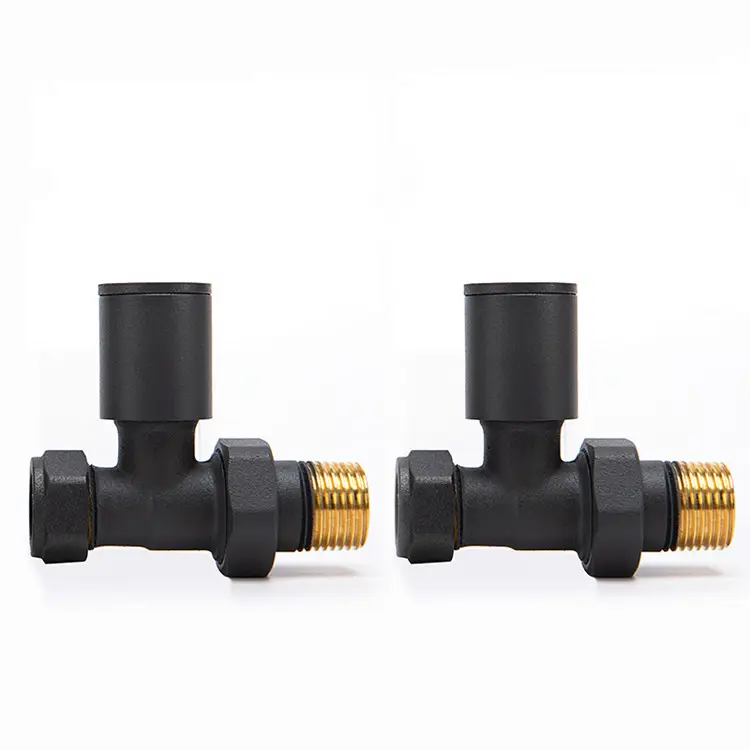
Heating systems rely heavily on properly functioning radiator valves to maintain optimal temperature control throughout residential and commercial buildings. When these critical components malfunction, they can lead to uneven heating, increased energy costs, and uncomfortable living or working conditions. Understanding how to identify and resolve common radiator valve issues is essential for maintaining an efficient heating system and ensuring consistent comfort levels across all spaces.
Professional technicians and building maintenance teams frequently encounter radiator valve problems that can significantly impact system performance. These issues range from simple mechanical blockages to complex thermostatic control failures. By developing a systematic approach to diagnosing and addressing these problems, maintenance professionals can restore proper heating function while minimizing downtime and repair costs.
Understanding Radiator Valve Fundamentals
Types of Radiator Valves and Their Functions
Modern heating systems incorporate various types of radiator valves, each designed for specific applications and control requirements. Manual radiator valves provide basic on-off functionality, allowing users to control heat output through simple mechanical adjustment. These valves typically feature a wheel or lever mechanism that opens or closes the flow path to regulate hot water circulation through the radiator unit.
Thermostatic radiator valves represent a more advanced solution, incorporating temperature-sensing elements that automatically adjust flow based on ambient room conditions. These sophisticated devices contain wax-filled sensors or liquid-filled bellows that expand and contract in response to temperature changes, providing precise control over heating output without manual intervention.
Lockshield valves serve as balancing components within the heating system, typically installed on the return side of radiators to regulate overall system flow. These valves require specialized tools for adjustment and are primarily used during system commissioning to ensure proper heat distribution across multiple radiator units.
Common Valve Components and Their Roles
The internal components of a radiator valve work together to control water flow and maintain desired temperature levels. The valve body houses the main flow control mechanism, while the spindle and seat assembly regulate the opening and closing action. O-rings and gaskets provide essential sealing to prevent leaks and maintain system pressure.
Thermostatic heads contain the temperature-sensing element and calibration mechanism that determines when the valve opens or closes. The actuator mechanism translates temperature changes into mechanical movement, while the return spring ensures proper valve closure when heating is not required. Understanding these components helps technicians identify specific failure points during troubleshooting procedures.
Diagnosing Temperature Control Issues
Identifying Inconsistent Heating Patterns
Temperature control problems often manifest as uneven heating across individual radiators or entire building zones. Cold spots on radiator surfaces typically indicate restricted flow through the radiator valve, while overheating suggests stuck-open valve conditions. Systematic temperature measurement using infrared thermometers can help identify specific problem areas and guide repair efforts.
Seasonal heating variations may indicate thermostatic valve calibration drift or sensor degradation over time. Professional technicians should document temperature readings under various operating conditions to establish baseline performance metrics and track system degradation patterns. This data proves invaluable for scheduling preventive maintenance and component replacement activities.
Room-to-room temperature variations exceeding design specifications often point to valve balancing issues or individual component failures. Comprehensive system evaluation should include flow rate measurements, pressure drop analysis, and thermal imaging to pinpoint problematic valves and determine appropriate corrective actions.
Evaluating Thermostatic Response Characteristics
Proper thermostatic valve operation requires responsive temperature sensing and accurate mechanical actuation. Delayed response times may indicate contaminated sensors, worn actuator components, or improper valve sizing for the specific application. Testing procedures should evaluate both opening and closing response times under controlled temperature conditions.
Hysteresis effects, where valves exhibit different opening and closing temperatures, can lead to temperature cycling and reduced comfort levels. These conditions often result from mechanical wear, contamination, or improper installation practices. Regular calibration checks using precision temperature sources help identify valves requiring adjustment or replacement.
Resolving Flow and Pressure Problems
Addressing Restricted Flow Conditions
Flow restrictions through radiator valves commonly result from debris accumulation, scale buildup, or component wear within the valve assembly. Systematic flushing procedures using appropriate cleaning solutions can remove loose debris and restore proper flow characteristics. However, severe restrictions may require complete valve disassembly and component replacement to achieve acceptable performance levels.
Partial valve closure due to thermostatic head malfunction creates flow restrictions that reduce heating capacity and increase pump energy consumption. Professional diagnosis involves removing thermostatic heads and manually operating valve stems to verify mechanical freedom and proper seating. Stuck valves may require penetrating lubricants or mechanical persuasion to restore normal operation.
System-wide flow imbalances often originate from improperly adjusted lockshield valves or failed balancing components. Comprehensive flow measurement using ultrasonic flow meters or differential pressure techniques helps identify problem circuits and guide adjustment procedures. Proper balancing ensures optimal heat distribution while minimizing pump energy consumption.
Managing Pressure-Related Valve Issues
Excessive system pressure can cause premature valve wear, seal failure, and erratic thermostatic operation. Pressure relief valve testing and system pressure monitoring help identify conditions that may damage radiator valve components. Installing pressure reducing valves or expansion vessels may be necessary to protect valve assemblies from pressure spikes.
Low system pressure conditions prevent proper valve operation and reduce heating effectiveness across the entire system. Pressure testing procedures should identify leak sources and verify proper expansion vessel operation. Radiator valve seals and gaskets often deteriorate under low-pressure conditions, leading to additional leakage and further pressure loss.
Maintenance and Prevention Strategies
Implementing Regular Inspection Protocols
Preventive maintenance programs significantly extend radiator valve service life and reduce emergency repair requirements. Monthly visual inspections should identify obvious leaks, corrosion, or mechanical damage that could lead to valve failure. Documentation of inspection findings helps track component degradation trends and optimize replacement scheduling.
Annual thermostatic valve calibration checks ensure accurate temperature control and prevent energy waste from improperly functioning components. Professional technicians should verify temperature setpoints, response times, and mechanical operation using standardized testing procedures. Calibration drift beyond acceptable limits indicates the need for component adjustment or replacement.
Comprehensive system flushing during scheduled maintenance removes accumulated debris and prevents flow restrictions that commonly affect radiator valve operation. Chemical cleaning agents specifically designed for heating systems can dissolve scale deposits and restore original flow characteristics without damaging valve components or system piping.
Optimizing Component Replacement Practices
Strategic component replacement based on performance data and manufacturer recommendations helps prevent unexpected failures during peak heating seasons. Inventory management systems should track valve service history and schedule replacements before reliability issues develop. Bulk purchasing of common valve components reduces maintenance costs and ensures prompt repair completion.
Compatibility verification ensures that replacement components meet original specifications and maintain system performance standards. Mixing valve types or brands within a single system can create balancing problems and reduce overall efficiency. Professional installation practices include proper torque specifications, seal replacement, and system pressure testing to verify successful repair completion.
Advanced Troubleshooting Techniques
Utilizing Diagnostic Equipment and Tools
Modern diagnostic equipment significantly improves troubleshooting accuracy and reduces repair time for complex radiator valve problems. Thermal imaging cameras help identify temperature variations that indicate valve malfunctions, while ultrasonic flow meters provide precise flow measurements for balancing and diagnostic purposes. Pressure measurement equipment enables comprehensive system evaluation and identifies conditions that affect valve performance.
Digital temperature loggers provide continuous monitoring capabilities that reveal intermittent problems and temperature cycling issues. Data analysis software helps identify patterns and trends that guide maintenance scheduling and component replacement decisions. Portable calibration equipment ensures accurate thermostatic valve adjustment and verification of repair effectiveness.
Specialized valve testing equipment allows comprehensive evaluation of component performance without system disruption. Bench testing capabilities help determine whether components can be repaired or require replacement, optimizing maintenance costs and ensuring reliable system operation.
Implementing System-Wide Solutions
Complex radiator valve problems may require comprehensive system modifications to address root causes and prevent recurring issues. Hydraulic balancing procedures ensure proper flow distribution and reduce stress on individual valve components. System design modifications, including pump sizing adjustments or piping reconfiguration, may be necessary to optimize valve performance.
Water quality management programs prevent contamination and corrosion that commonly affect radiator valve operation. Chemical treatment systems, filtration equipment, and regular water analysis help maintain optimal system conditions for extended valve service life. Proper system design and maintenance practices create operating environments that maximize component reliability and performance.
FAQ
What causes radiator valves to stick in the closed position
Radiator valves typically stick in the closed position due to debris accumulation, corrosion buildup, or thermostatic head malfunction. Scale deposits from hard water can bind valve components, while corrosion products create mechanical interference that prevents proper valve operation. Thermostatic heads may fail in the closed position due to sensor degradation or actuator mechanism wear, requiring component replacement to restore normal function.
How often should thermostatic radiator valves be calibrated
Professional calibration of thermostatic radiator valves should occur annually as part of comprehensive system maintenance programs. However, valves installed in harsh environments or systems with water quality issues may require more frequent calibration checks. Temperature drift beyond plus or minus two degrees Fahrenheit indicates the need for immediate adjustment or component replacement to maintain optimal system performance and energy efficiency.
Why do some radiators remain cold despite open valves
Cold radiators with apparently open valves typically indicate system balancing problems, air trapped in the radiator, or complete valve failure. Improper lockshield valve adjustment can prevent adequate flow to individual radiators, while air pockets block hot water circulation. Internal valve component failure may prevent flow even when external controls appear to be in the open position, requiring professional diagnosis and repair.
What tools are essential for radiator valve troubleshooting
Essential tools for radiator valve troubleshooting include adjustable wrenches for valve removal, thermostatic head removal tools, pressure gauges for system evaluation, and infrared thermometers for temperature measurement. Professional technicians also utilize ultrasonic flow meters, digital manometers, and thermal imaging equipment for comprehensive system diagnosis. Radiator bleeding keys and lockshield valve adjustment tools complete the basic toolkit required for most valve-related maintenance procedures.