Angled Valves: Space-Saving Flow Control Solutions for Industrial Applications

Get a Free Quote

Our representative will contact you soon.
Email
Name
Company Name
Message
0/1000

angled valves

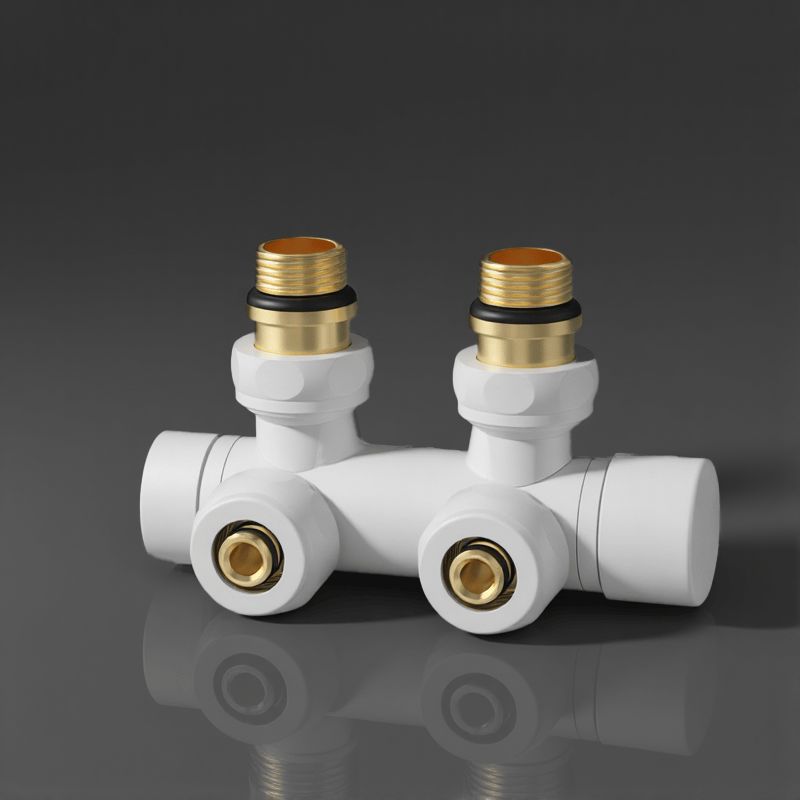
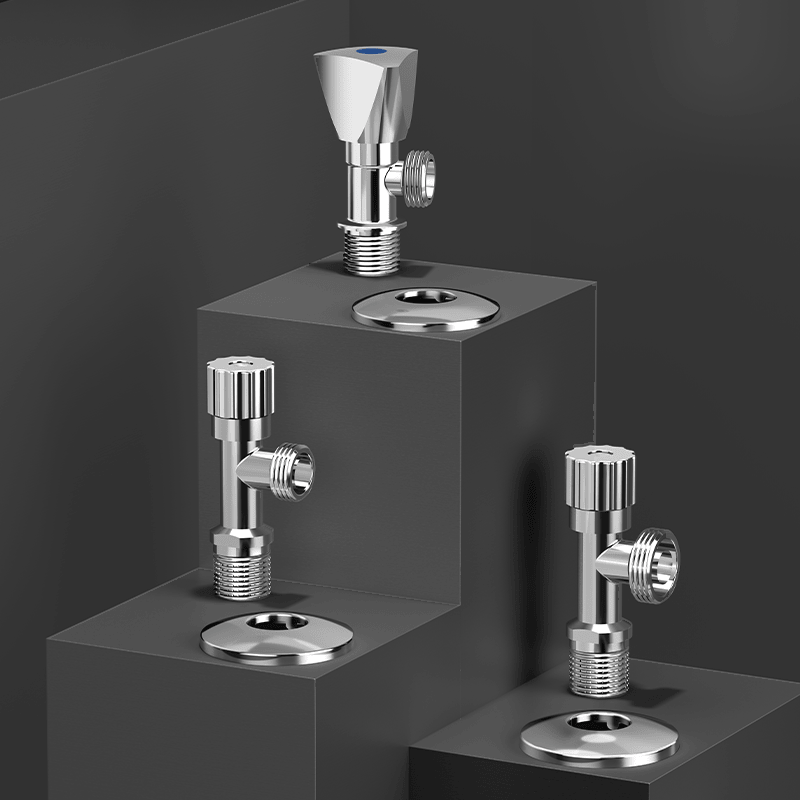
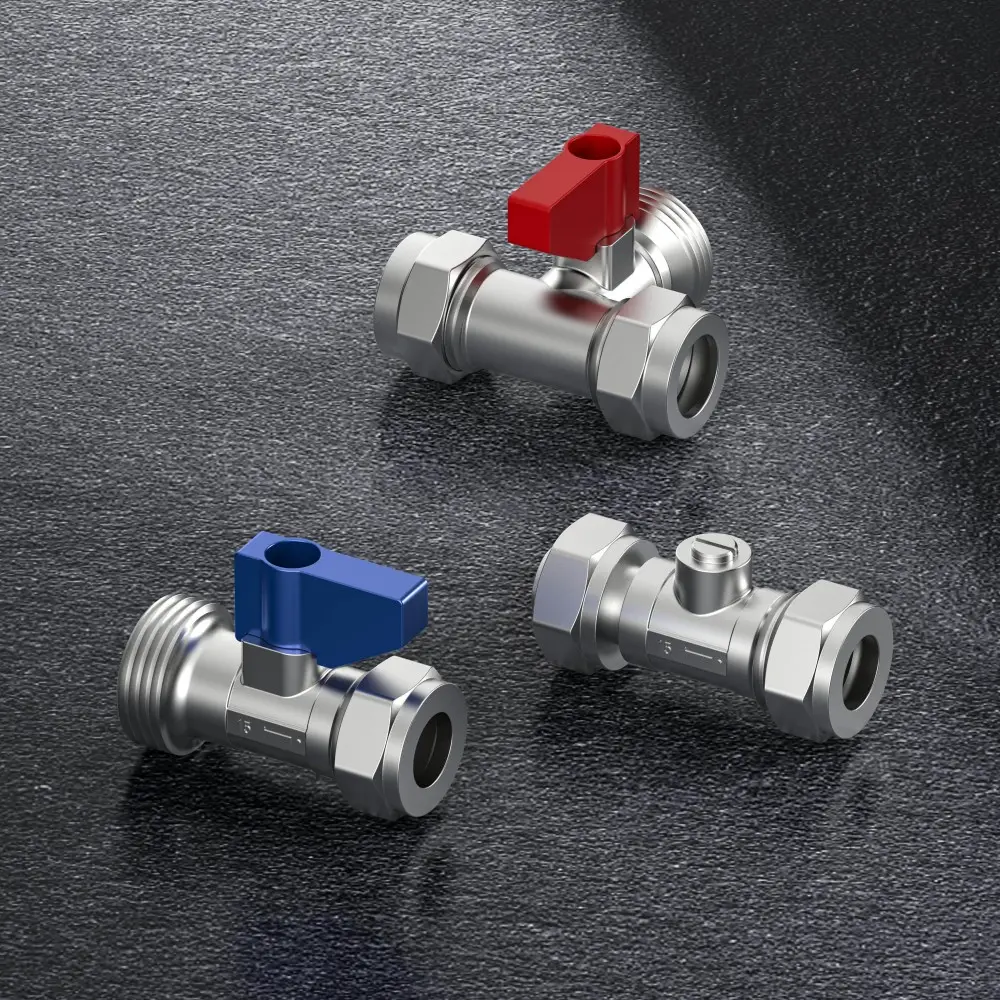
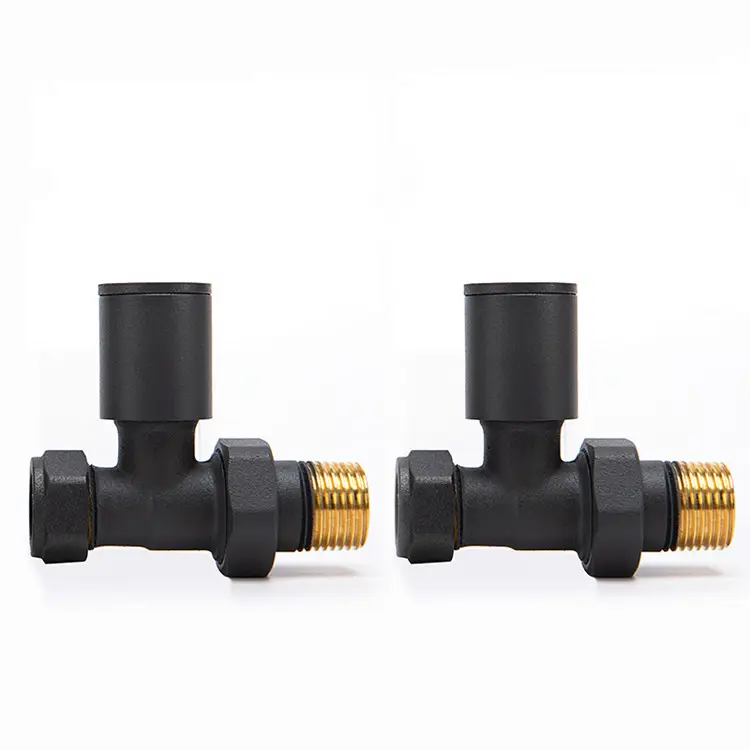
Angled valves represent a crucial component in modern piping systems, designed with a distinctive angular configuration that sets them apart from traditional straight-through valve designs. These specialized valves feature a body construction where the inlet and outlet ports are positioned at a 90-degree angle to each other, creating an L-shaped flow path that offers unique operational advantages in various industrial applications. The primary function of angled valves centers on controlling fluid flow while simultaneously changing the direction of the piping system, eliminating the need for additional elbow fittings and reducing overall system complexity. The technological features of angled valves include precision-engineered internal components such as seats, discs, and stems that work together to provide reliable shut-off capabilities and flow regulation. Modern angled valves incorporate advanced sealing technologies, including resilient seat designs and metal-to-metal sealing options, depending on the specific application requirements. The valve body construction typically utilizes materials such as stainless steel, carbon steel, or specialized alloys to ensure durability and corrosion resistance in demanding environments. Applications for angled valves span across numerous industries, including chemical processing, oil and gas, water treatment, power generation, and HVAC systems. These valves prove particularly valuable in installations where space constraints require efficient piping layouts, as they combine flow control and directional change functions in a single component. The compact design of angled valves makes them ideal for tight spaces where traditional valve and elbow combinations would be impractical. Furthermore, angled valves excel in applications requiring frequent operation, as their design minimizes turbulence and pressure drop compared to conventional valve-elbow arrangements. The versatility of angled valves extends to various pressure and temperature ranges, making them suitable for both low-pressure residential systems and high-pressure industrial processes. Their ability to handle different media types, from clean water to aggressive chemicals, demonstrates the adaptability that has made angled valves an essential component in modern fluid control systems.


New Product Releases

Angled valves deliver significant practical benefits that directly impact system performance and operational costs for end users. The space-saving design eliminates the need for separate elbow fittings, reducing installation time and material costs while creating more compact piping arrangements. This streamlined approach proves especially valuable in crowded mechanical rooms or industrial facilities where every inch of space matters. The integrated directional change capability means fewer connection points in the system, which translates to reduced potential leak paths and enhanced system reliability. Maintenance teams appreciate this simplified configuration because it decreases the number of components requiring regular inspection and servicing. The improved flow characteristics of angled valves create smoother fluid transitions compared to valve-elbow combinations, resulting in lower pressure losses and reduced energy consumption. This efficiency gain becomes particularly noticeable in pumping systems where reduced pressure drop directly correlates to lower operating costs. The streamlined internal flow path also minimizes turbulence, which helps prevent erosion and extends component life in systems handling abrasive media. Installation benefits extend beyond space savings to include simplified piping design and reduced welding requirements. Contractors find that angled valves speed up installation processes by eliminating the need to align separate components, reducing labor costs and project timelines. The reduced number of joints also means fewer opportunities for installation errors, improving overall system quality. From an operational standpoint, angled valves often provide better access for manual operation and maintenance activities. The angular configuration can position actuators and handwheels in more convenient locations for operators, improving safety and ease of use. The robust construction of quality angled valves ensures long service life even in demanding applications, providing excellent return on investment. Many angled valve designs incorporate features that facilitate easy maintenance, such as accessible packing arrangements and replaceable seat components. The versatility of angled valves allows standardization across different system areas, simplifying spare parts inventory and maintenance procedures. This standardization benefit extends to training requirements, as maintenance personnel need to learn fewer valve types. The reliable sealing performance of modern angled valves reduces system downtime and maintenance frequency, contributing to improved overall plant availability and productivity. Energy efficiency improvements from reduced pressure drop can result in measurable utility cost savings over the valve's service life, making angled valves a smart economic choice for many applications.

Tips And Tricks

How to Choose the Right Angle Valve for Your Bathroom?

25

Sep

How to Choose the Right Angle Valve for Your Bathroom?

Understanding the Critical Role of Angle Valves in Bathroom Plumbing A well-functioning bathroom relies heavily on proper plumbing fixtures, with angle valves being one of the most essential components. These small but crucial devices control water f...
View More
Design Radiator: Smart Heating Solution with Modern Appeal

03

Nov

Design Radiator: Smart Heating Solution with Modern Appeal

Transforming Home Comfort Through Innovative Heating Solutions The evolution of home heating has taken a remarkable leap forward with design radiators emerging as the perfect fusion of functionality and aesthetic appeal. These innovative heating solu...
View More
What Problems Can a Boiler Magnetic Filter Help Prevent?

31

Oct

What Problems Can a Boiler Magnetic Filter Help Prevent?

Understanding the Power of Magnetic Filtration in Home Heating Systems Home heating systems are essential for maintaining comfort throughout the year, and their optimal performance relies heavily on clean, efficient operation. A boiler magnetic filte...
View More
How Does a Panel Radiator Improve Energy Efficiency?

25

Nov

How Does a Panel Radiator Improve Energy Efficiency?

Modern heating systems are evolving rapidly, with homeowners and businesses increasingly seeking solutions that deliver superior comfort while reducing energy consumption. Among the most effective heating technologies available today, panel radiators...
View More

Get a Free Quote

Our representative will contact you soon.
Email
Name
Company Name
Message
0/1000

angled valves

Space-Efficient Design Maximizes Installation Flexibility

Space-Efficient Design Maximizes Installation Flexibility

The compact configuration of angled valves represents one of their most compelling advantages, addressing the growing need for efficient space utilization in modern industrial and commercial installations. Unlike traditional valve systems that require separate elbow fittings to change piping direction, angled valves integrate both flow control and directional change functions within a single, streamlined component. This integration eliminates the additional length typically required for valve-elbow combinations, creating significant space savings that prove invaluable in congested piping areas. The reduced footprint becomes particularly beneficial in retrofit applications where existing structures limit available space for new piping runs. Engineers and designers appreciate how angled valves enable more creative routing solutions, allowing piping systems to navigate around obstacles and fit within confined spaces that would otherwise require complex workarounds. The space efficiency extends to maintenance accessibility, as the compact design often positions valve operators and service points in more convenient locations for technicians. This improved accessibility translates to safer maintenance procedures and reduced service time, contributing to lower lifecycle costs. The streamlined profile also reduces the visual impact of piping systems in architectural applications where aesthetics matter. In multi-story buildings, the space savings from angled valves can accumulate across floors, potentially allowing for lower ceiling heights or additional building features. The reduced piping complexity also simplifies support structure requirements, as fewer components and shorter runs reduce the overall weight and stress on building systems. Manufacturing facilities benefit from the increased floor space that results from more compact piping layouts, enabling better equipment placement and improved workflow efficiency. The flexibility offered by angled valves extends to future system modifications, as their compact nature makes it easier to reroute or expand piping systems when facility requirements change. This adaptability provides long-term value by reducing the cost and complexity of future upgrades or modifications to industrial processes.
Superior Flow Performance Reduces Operating Costs

Superior Flow Performance Reduces Operating Costs

The internal design of angled valves creates optimized flow characteristics that deliver tangible operational benefits through reduced energy consumption and improved system efficiency. The engineered flow path minimizes turbulence and pressure drop compared to traditional valve-elbow combinations, resulting in smoother fluid transitions that preserve system pressure and reduce pumping requirements. This improved hydraulic performance translates directly to lower energy costs, as pumps and compressors require less power to maintain desired flow rates and pressures throughout the system. The streamlined internal geometry reduces flow separation and secondary flows that typically occur at sharp transitions, maintaining velocity profiles that minimize energy losses. In high-flow applications, these efficiency gains become particularly significant, with measurable reductions in operating costs over the valve's service life. The superior flow characteristics also reduce noise and vibration levels, creating quieter operation that improves working conditions and reduces wear on connected equipment. The smooth flow transitions help prevent cavitation in liquid systems and pressure pulsations in gas applications, protecting downstream equipment and extending overall system life. Process industries benefit from the improved flow stability, which can enhance product quality and consistency in manufacturing applications. The reduced turbulence also minimizes erosion potential in systems handling abrasive or corrosive media, extending valve life and reducing maintenance frequency. Temperature stability improves in thermal systems due to reduced mixing and heat generation from turbulence, contributing to better process control and energy efficiency. The predictable pressure drop characteristics of well-designed angled valves enable more accurate system modeling and optimization, allowing engineers to right-size pumps and other equipment for maximum efficiency. Flow measurement accuracy also improves in systems where angled valves are positioned upstream of flow meters, as the stable flow profile reduces measurement errors and improves process monitoring capabilities.
Enhanced Reliability Minimizes Maintenance Requirements

Enhanced Reliability Minimizes Maintenance Requirements

The robust construction and simplified design of angled valves contribute to exceptional reliability that reduces maintenance costs and improves system uptime across diverse industrial applications. The integrated design eliminates multiple connection points that are common sources of leaks and failures in traditional valve-elbow arrangements, creating a more reliable system with fewer potential failure modes. This reduction in complexity translates to lower maintenance requirements and extended service intervals, providing significant cost savings over the valve's operational life. The streamlined internal flow path reduces wear patterns that typically develop at flow disturbances, extending the life of sealing components and internal trim parts. Quality angled valves incorporate advanced materials and manufacturing techniques that resist corrosion, erosion, and thermal cycling, ensuring consistent performance in demanding environments. The accessibility advantages of angled valves facilitate more effective preventive maintenance programs, as technicians can easily reach critical components for inspection and service. Many angled valve designs feature field-repairable components that allow for maintenance without complete valve replacement, reducing both parts costs and system downtime. The standardized nature of angled valve designs often enables the use of common spare parts across multiple applications, simplifying inventory management and reducing stocking costs. Predictable wear patterns in well-designed angled valves allow for more accurate maintenance scheduling, enabling condition-based maintenance programs that optimize service intervals and resource allocation. The reduced stress concentrations in the integrated design minimize fatigue failures that can occur in multi-component arrangements subjected to thermal cycling and pressure fluctuations. Advanced sealing technologies incorporated in modern angled valves provide excellent leak-tight performance that meets stringent environmental and safety requirements while extending service life. The reliable operation of angled valves reduces emergency maintenance situations, improving workplace safety and allowing maintenance teams to focus on planned activities rather than reactive repairs. Documentation and traceability features available with quality angled valves support compliance requirements and enable better maintenance planning through historical performance data analysis.

Get a Free Quote

Our representative will contact you soon.
Email
Name
Company Name
Message
0/1000