Premium Radiator Valves - Advanced Temperature Control Solutions for Energy Efficient Heating

Get a Free Quote

Our representative will contact you soon.
Email
Name
Company Name
Message
0/1000

radiator valve

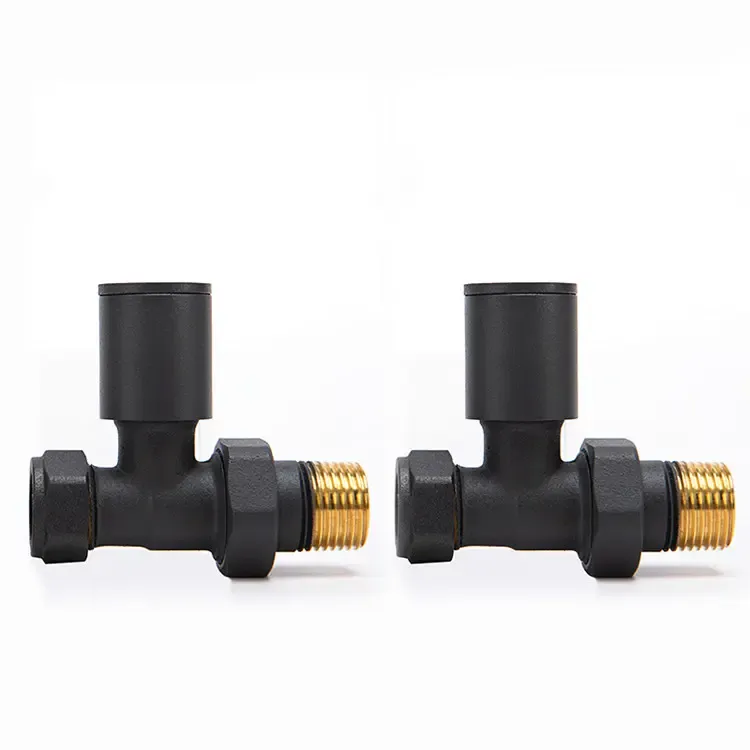
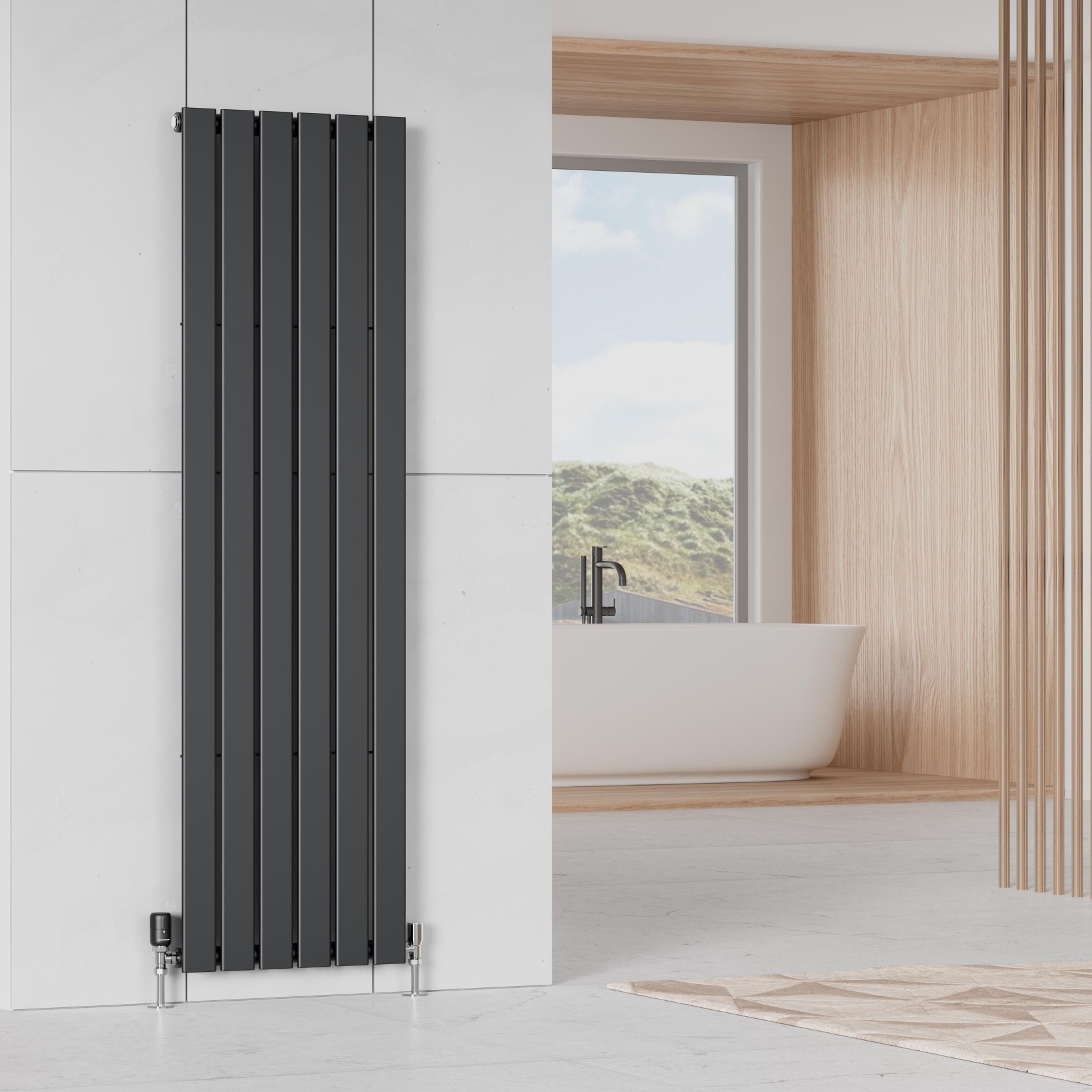
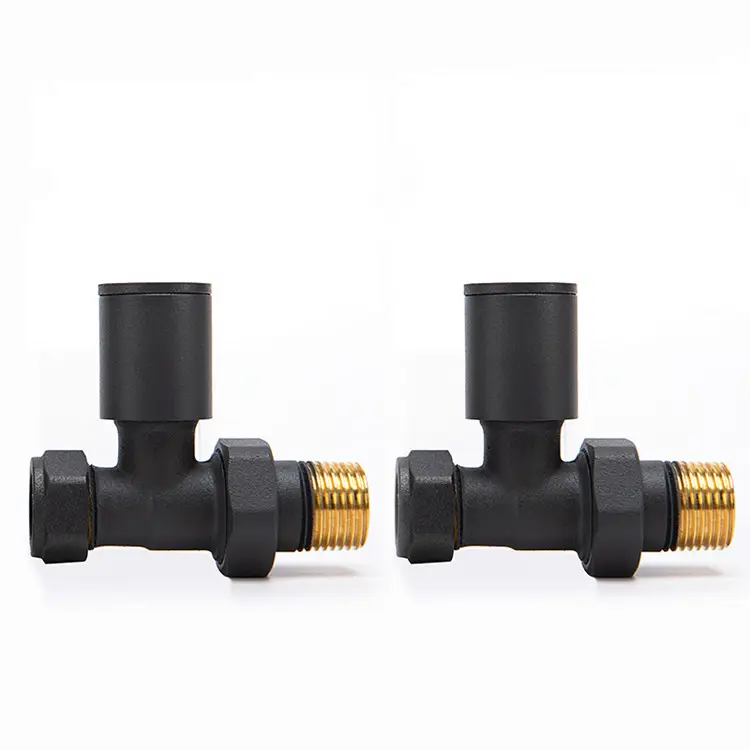
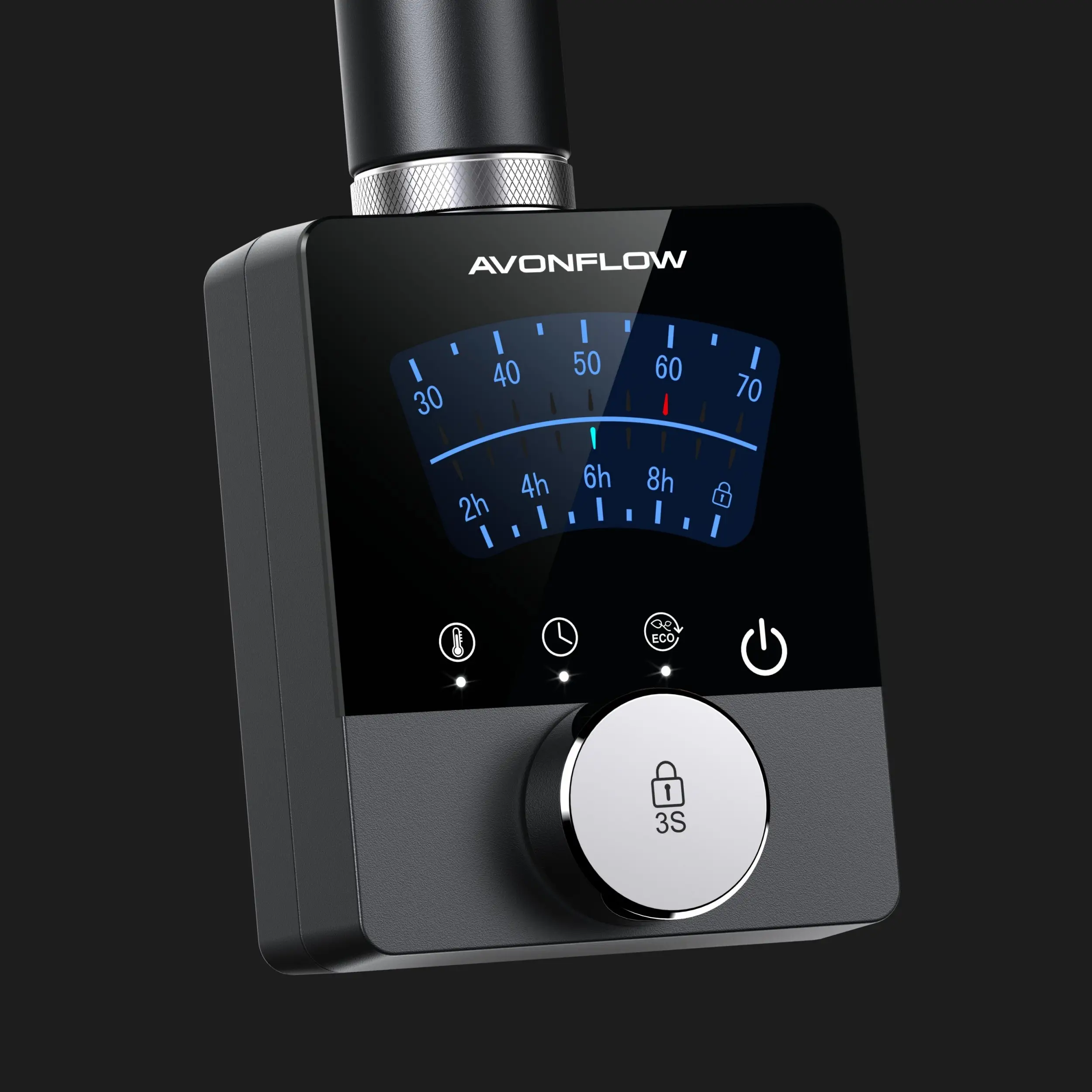
A radiator valve serves as a critical control mechanism in heating systems, enabling precise temperature regulation and energy management throughout residential and commercial buildings. This essential component operates by controlling the flow of hot water or steam through radiators, allowing users to customize heating levels in individual rooms or zones. The radiator valve functions as the primary interface between occupants and their heating infrastructure, providing both manual and automatic temperature control capabilities. Modern radiator valves incorporate advanced engineering principles that ensure reliable performance across varying pressure conditions and temperature ranges. The valve body typically consists of durable materials such as brass or stainless steel, designed to withstand thermal expansion and contraction cycles without compromising functionality. Internal mechanisms feature precision-machined components that regulate flow rates with remarkable accuracy, ensuring consistent heat distribution throughout the space. Technological innovations have transformed traditional radiator valve designs into sophisticated control systems that integrate seamlessly with smart home technologies. Contemporary models often include thermostatic heads that automatically adjust flow based on ambient temperature readings, eliminating manual intervention while maintaining optimal comfort levels. Some advanced radiator valve systems incorporate electronic sensors and wireless connectivity, enabling remote monitoring and control through smartphone applications or building management systems. These intelligent features allow for programmable scheduling, real-time energy consumption tracking, and predictive maintenance alerts. Applications for radiator valves span diverse sectors including residential homes, office buildings, hospitals, schools, and industrial facilities. In multi-zone heating systems, individual radiator valves enable customized climate control for different areas, accommodating varying occupancy patterns and usage requirements. The versatility of radiator valve installations makes them suitable for both retrofit projects and new construction applications, providing flexibility in system design and implementation.


New Product Releases

Radiator valves deliver substantial energy savings by allowing precise control over heating output in individual rooms, directly reducing utility costs and environmental impact. Users can shut off heat to unoccupied spaces while maintaining comfort in active areas, creating significant efficiency gains throughout the heating season. This targeted approach prevents energy waste associated with heating unused rooms, leading to monthly savings that compound into substantial annual reductions in heating expenses. The ability to fine-tune temperature settings room by room ensures optimal comfort levels while minimizing overconsumption of heating fuel or electricity. Installation of quality radiator valves requires minimal disruption to existing heating systems, making upgrades accessible and cost-effective for property owners. Most radiator valve replacements can be completed within hours using standard plumbing tools, eliminating the need for extensive system modifications or professional installation services. The straightforward installation process allows homeowners to experience immediate benefits without significant upfront investment or lengthy renovation periods. Maintenance requirements for modern radiator valves remain minimal, with most units operating reliably for decades without major service needs. Routine maintenance typically involves simple cleaning and occasional lubrication of moving parts, tasks that property owners can easily perform themselves. This low-maintenance design reduces long-term ownership costs while ensuring consistent performance throughout the valve's operational lifespan. Enhanced comfort control represents another significant advantage, as radiator valves enable precise temperature management that accommodates individual preferences and room-specific requirements. Different family members can adjust heating levels in their personal spaces without affecting comfort in other areas of the home. This personalized climate control eliminates temperature-related disputes while ensuring everyone enjoys their preferred comfort level. Improved system longevity results from reduced thermal stress on heating equipment when radiator valves properly regulate flow rates and pressure levels throughout the distribution network. By preventing excessive temperatures and pressure fluctuations, these valves protect boilers, pumps, and piping systems from premature wear and potential damage. The protective function extends equipment lifespan while reducing repair costs and system downtime. Modern radiator valves also contribute to improved indoor air quality by maintaining consistent temperatures that prevent excessive humidity fluctuations and condensation issues that can lead to mold growth and air quality problems.

Practical Tips

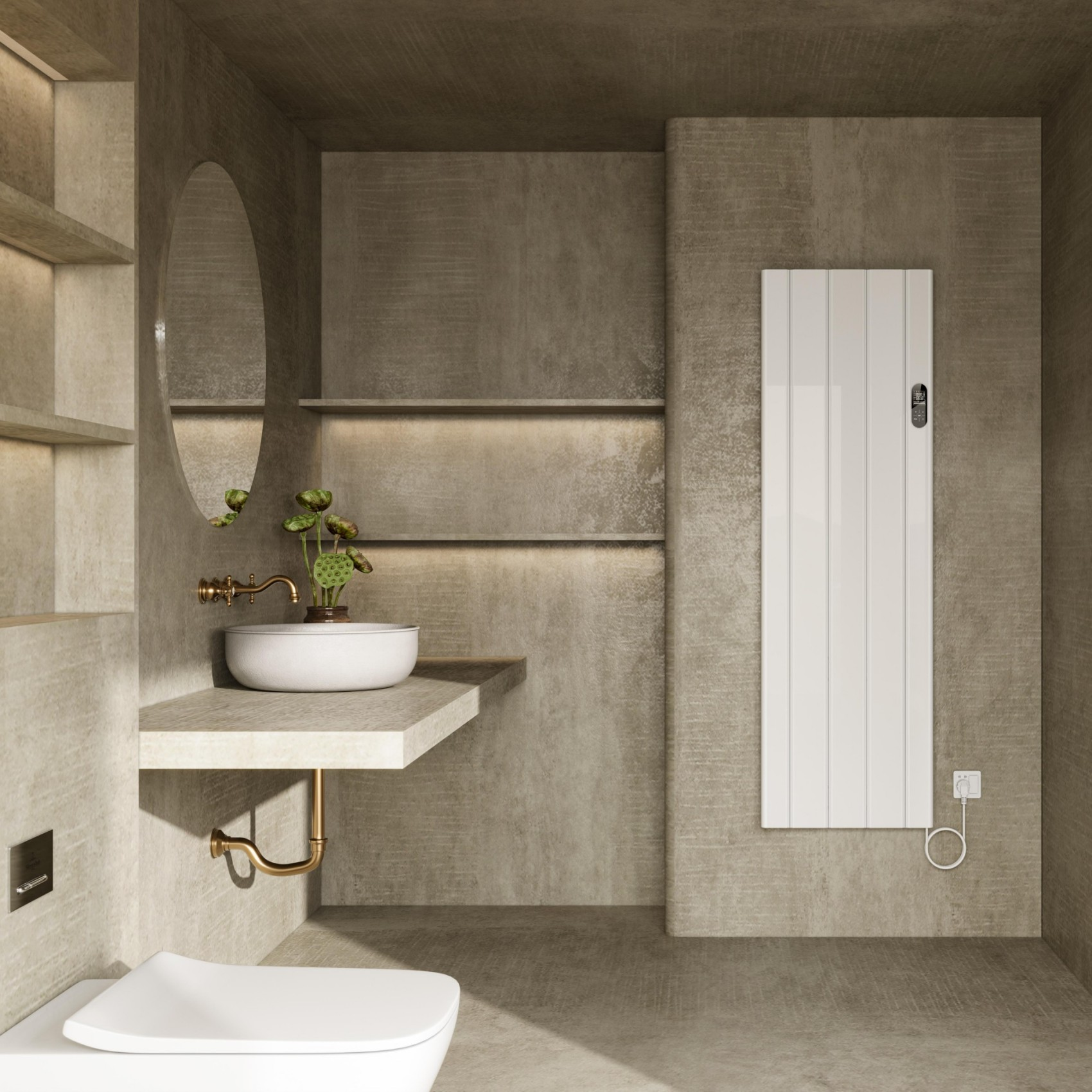
How Can a Bathroom Radiator Enhance Comfort and Wellness?

25

Sep

How Can a Bathroom Radiator Enhance Comfort and Wellness?

Transform Your Bathroom Experience with Modern Heating Solutions A well-designed bathroom radiator serves as more than just a heating element—it's an essential component that elevates your daily wellness routine. From providing cozy warmth duri...
View More
Why Is an Angle Valve Key to Reliable Water Control Systems?

03

Nov

Why Is an Angle Valve Key to Reliable Water Control Systems?

Understanding the Critical Role of Angle Valves in Modern Plumbing In the complex world of plumbing and water control systems, angle valves stand as essential components that often go unnoticed yet play a crucial role in maintaining efficient water f...
View More
How to Choose the Best Towel Radiator for Your Space

25

Nov

How to Choose the Best Towel Radiator for Your Space

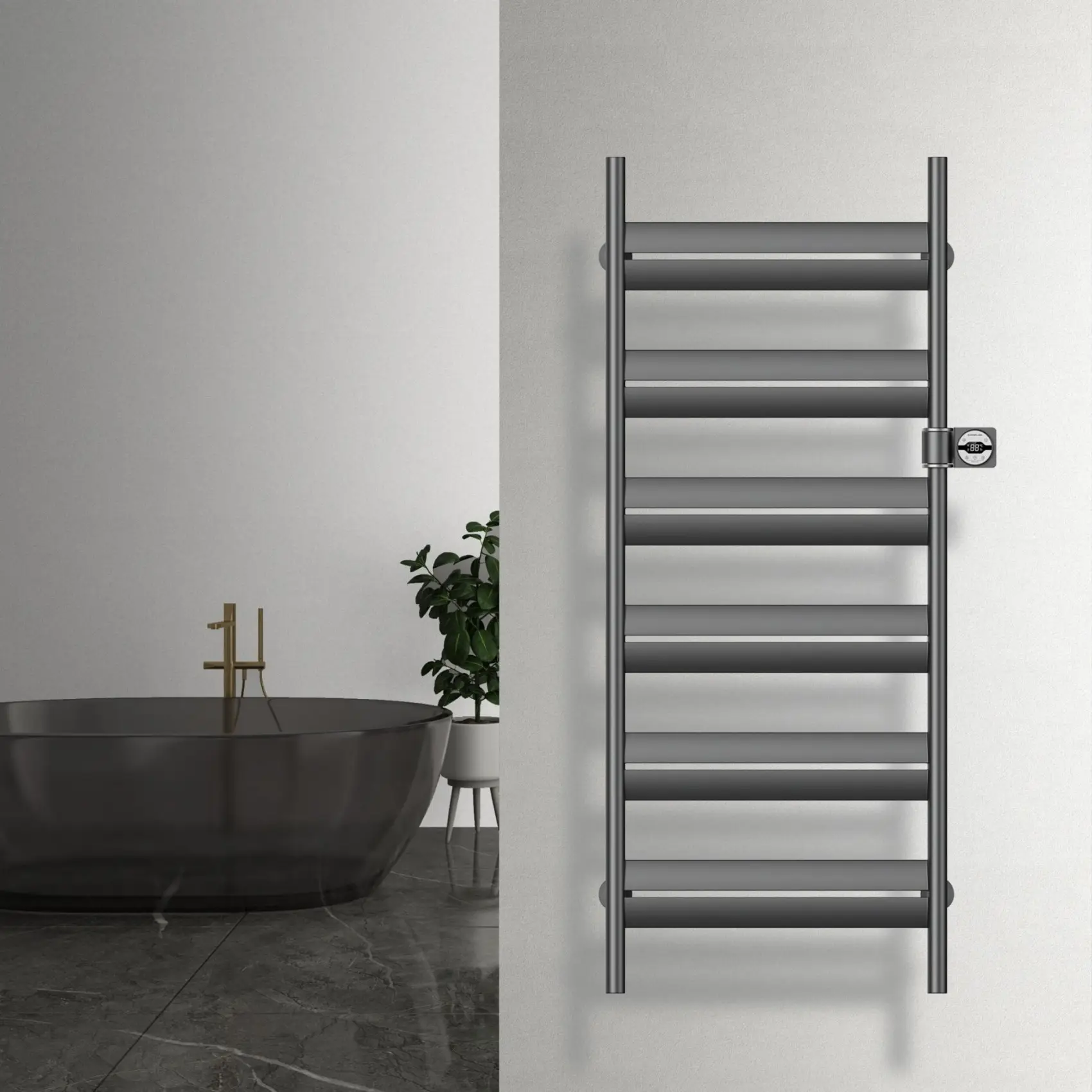
Selecting the right towel radiator for your bathroom or living space requires careful consideration of multiple factors that will impact both functionality and aesthetics. A towel radiator serves dual purposes by providing efficient heating while off...
View More
Heating Radiator Placement: What Should You Consider?

25

Nov

Heating Radiator Placement: What Should You Consider?

Proper heating radiator placement forms the foundation of an efficient and comfortable home heating system. The strategic positioning of radiators directly impacts heat distribution, energy consumption, and overall room comfort levels. Understanding ...
View More

Get a Free Quote

Our representative will contact you soon.
Email
Name
Company Name
Message
0/1000

radiator valve

Advanced Thermostatic Control Technology

Advanced Thermostatic Control Technology

Modern radiator valves incorporate sophisticated thermostatic control technology that revolutionizes how heating systems respond to environmental conditions and user preferences. The thermostatic head contains a temperature-sensitive element, typically filled with wax or liquid, that expands and contracts based on ambient room temperature. This intelligent mechanism automatically adjusts the valve opening to maintain desired temperature setpoints without manual intervention, creating a self-regulating system that responds instantly to temperature fluctuations. When room temperature rises above the selected setting, the thermostatic element expands, gradually closing the valve to reduce hot water flow through the radiator. Conversely, when temperatures drop below the desired level, the element contracts, opening the valve wider to increase heating output. This continuous adjustment process ensures consistent comfort while preventing energy waste from overheating. The precision of thermostatic radiator valve control enables temperature maintenance within one to two degrees of the selected setpoint, providing exceptional comfort stability throughout daily and seasonal temperature variations. Advanced models feature graduated adjustment scales that allow users to select precise temperature ranges, typically spanning from 6 to 28 degrees Celsius, accommodating diverse comfort preferences and application requirements. Some premium thermostatic radiator valves include anti-freeze protection features that automatically open when temperatures approach freezing levels, preventing pipe damage in unheated spaces during extreme weather conditions. The thermostatic control mechanism operates independently of electrical power, ensuring reliable temperature regulation even during power outages or system failures. This autonomous operation eliminates concerns about battery replacement or electrical connections while maintaining consistent performance. Installation of thermostatic radiator valves requires no additional wiring or control systems, making them ideal for retrofit applications where complex automation infrastructure is impractical. The self-contained design reduces installation complexity while providing immediate access to advanced temperature control capabilities that were previously available only in expensive building automation systems.
Precision Flow Control and Energy Efficiency

Precision Flow Control and Energy Efficiency

Radiator valves excel in delivering precise flow control that directly translates to exceptional energy efficiency and cost savings for property owners. The internal valve mechanism features engineered flow passages that create predictable pressure drops and flow characteristics across the full range of operating positions. This precision engineering ensures linear control response, meaning small adjustments to valve position produce proportional changes in heat output, giving users fine-grained control over room temperatures. The relationship between valve position and flow rate follows carefully calibrated curves that optimize energy transfer while minimizing pressure losses throughout the heating system. Advanced radiator valve designs incorporate flow coefficients that engineers use to calculate exact heating capacities and energy consumption rates for different operating scenarios. This scientific approach to flow control enables accurate system sizing and performance predictions that help optimize overall heating system efficiency. Precision flow control becomes particularly valuable in multi-zone heating applications where different rooms have varying heat loss characteristics and occupancy patterns. The radiator valve allows for individual room heat output matching the specific thermal requirements, preventing energy waste from oversized heating in low-demand spaces while ensuring adequate warmth in areas with higher heating needs. This room-by-room optimization can reduce overall heating energy consumption by 15 to 30 percent compared to systems without individual radiator control. The energy efficiency benefits extend beyond direct fuel savings to include reduced wear on heating equipment, as the boiler or heat source operates more efficiently when not forced to overheat the entire building to warm a few cold spaces. Precision radiator valve control enables optimal system water temperatures and reduced cycling frequency, contributing to longer equipment lifespan and lower maintenance costs. Modern valve designs also incorporate features that eliminate thermal bypass and minimize heat loss through valve bodies, ensuring maximum energy transfer efficiency even when valves are in partially closed positions.
Durable Construction and Long-Term Reliability

Durable Construction and Long-Term Reliability

The construction quality and reliability of radiator valves represent critical factors that determine long-term performance and total cost of ownership for heating system investments. Premium radiator valve bodies utilize high-grade brass alloys or stainless steel materials that resist corrosion, scale buildup, and thermal stress cracking that can compromise valve integrity over decades of operation. These robust materials maintain structural integrity under extreme temperature cycling conditions, from winter heating loads to summer shutdown periods, without developing leaks or mechanical failures. The manufacturing process involves precision machining and assembly techniques that create tight tolerances between moving parts, ensuring smooth operation and consistent sealing performance throughout the valve's operational lifespan. Quality radiator valves undergo rigorous testing procedures that simulate years of thermal cycling, pressure fluctuations, and mechanical operation to verify long-term durability before reaching market. Internal sealing components utilize advanced polymer materials and elastomers specifically formulated to withstand exposure to heating system chemicals, high temperatures, and pressure variations without degradation. The valve stem and seat designs incorporate wear-resistant materials and surface treatments that maintain precise flow control characteristics even after thousands of operating cycles. Many premium radiator valves feature replaceable internal components, allowing for maintenance and refurbishment that extends operational life beyond typical replacement intervals. This serviceability reduces long-term ownership costs while maintaining optimal performance standards throughout extended service periods. The mechanical design philosophy emphasizes simplicity and reliability over complexity, reducing potential failure points while ensuring consistent operation under varying system conditions. Proper radiator valve construction includes provisions for thermal expansion that prevent binding or seizure during temperature changes, maintaining smooth operation regardless of seasonal heating demands. Quality control processes verify that each valve meets strict performance standards for flow capacity, temperature response, and pressure ratings that ensure safe and reliable operation within specified system parameters. The investment in durable radiator valve construction pays dividends through reduced maintenance requirements, extended replacement intervals, and consistent energy efficiency performance that maintains cost savings over many years of operation.

Get a Free Quote

Our representative will contact you soon.
Email
Name
Company Name
Message
0/1000