
 EN
EN



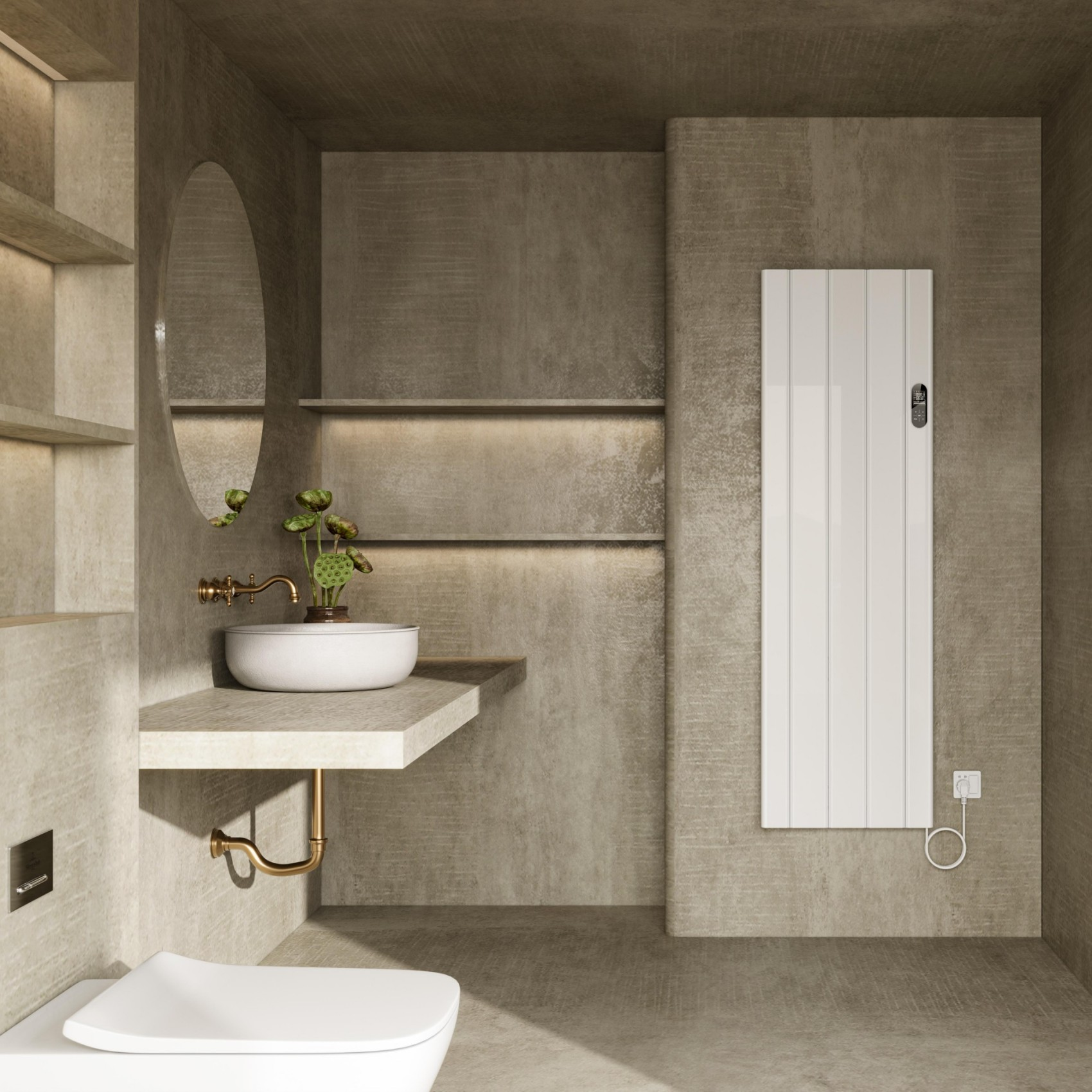
Selecting the right towel radiator for your bathroom or living space requires careful consideration of multiple factors that will impact both functionality and aesthetics. A towel radiator serves dual purposes by providing efficient heating while offering convenient towel storage and drying capabilities. Modern homes increasingly rely on these versatile fixtures to enhance comfort levels while maintaining energy efficiency. Understanding the various options available in today's market will help you make an informed decision that meets your specific needs and budget requirements.
Understanding Different Types of Towel Radiators
Electric Towel Radiators
Electric models offer exceptional convenience and flexibility for installation in any room without requiring connection to your central heating system. These units plug directly into standard electrical outlets and provide independent temperature control through built-in thermostats. Electric towel radiators heat up quickly and maintain consistent temperatures throughout operation. They prove ideal for bathrooms without existing radiator connections or spaces where you need supplemental heating. Many electric models feature programmable timers that allow automatic operation during peak usage times.
The energy efficiency of electric units has improved significantly with advanced heating elements and smart temperature sensors. Modern electric towel radiators incorporate safety features including overheat protection and splash-resistant designs suitable for wet environments. Installation typically requires only basic electrical connections that most homeowners can manage with minimal technical expertise. Operating costs remain reasonable when used strategically during off-peak electricity hours or in conjunction with energy-efficient home heating systems.
Central Heating Connected Models
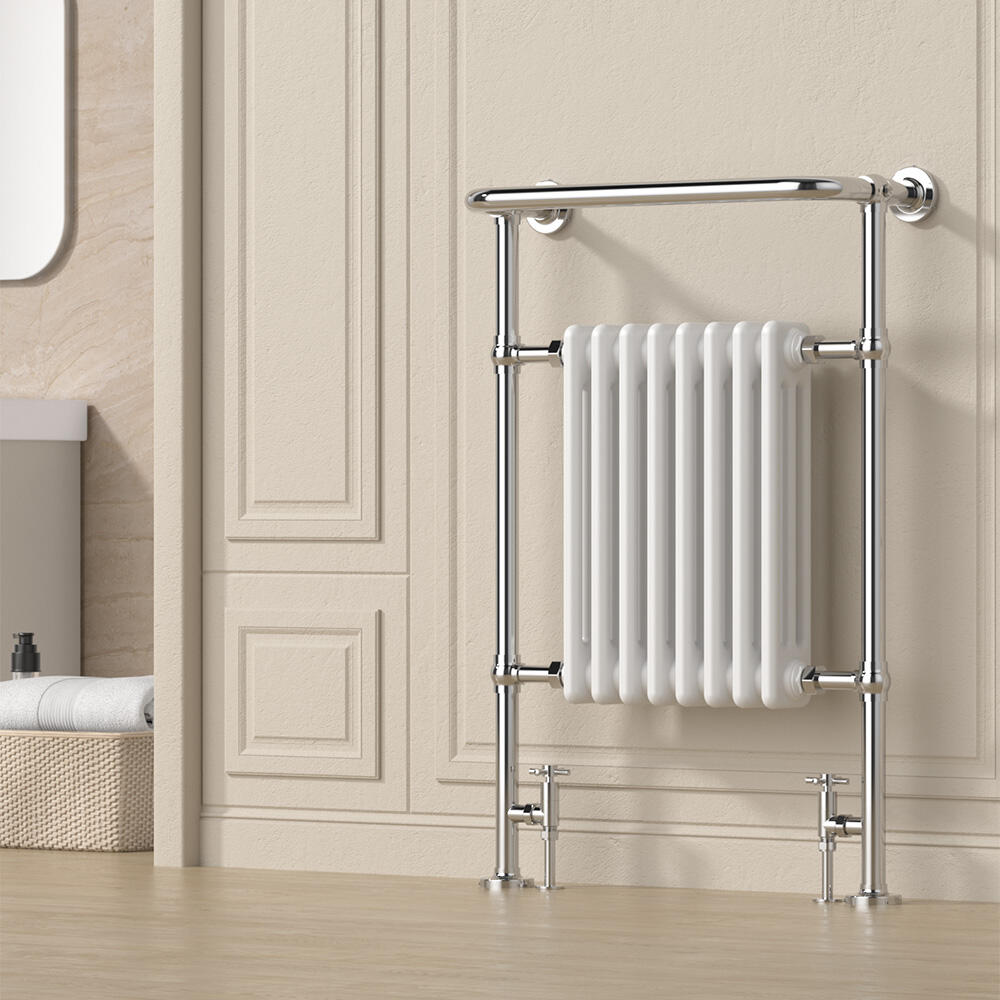
Central heating towel radiators connect directly to your home's existing hot water system and operate using the same boiler that heats other radiators. These models integrate seamlessly with your overall heating strategy and often provide more powerful heat output than electric alternatives. Connected radiators maintain consistent temperatures when your central heating operates and can be controlled through the same thermostat system. They typically cost less to operate than electric models in homes with efficient boiler systems.
Installation of central heating models requires professional plumbing connections and may involve modifications to existing pipework. The positioning becomes more restricted due to proximity requirements to hot water supply and return lines. However, these units often deliver superior heating performance and can effectively warm larger bathroom spaces. Many homeowners prefer central heating models for primary bathrooms where consistent warmth throughout winter months remains essential for comfort.
Size and Space Considerations
Measuring Your Available Space
Accurate measurements form the foundation of selecting an appropriately sized towel radiator that fits your available wall space without overwhelming the room. Standard towel radiators range from compact 600mm units suitable for small bathrooms to expansive 1800mm models designed for larger spaces. Height considerations include clearance from floor surfaces, window sills, and ceiling fixtures that might interfere with installation or operation. Width measurements must account for door swings, furniture placement, and adequate access for towel hanging and maintenance activities.
Professional installation guides recommend maintaining minimum clearances of 150mm from floors and 200mm from ceilings for optimal air circulation. Wall strength assessment ensures adequate support for filled radiator weight, which can exceed 50 kilograms for larger models. Consider future room modifications or renovations that might affect radiator positioning or accessibility. Digital measuring tools and bathroom planning software help visualize how different radiator sizes will appear in your specific space configuration.
Heat Output Requirements
Calculating proper heat output involves analyzing room volume, insulation quality, window area, and desired temperature levels to determine BTU requirements. Bathroom heating calculations typically require 300-400 watts per cubic meter of space, though poorly insulated rooms may need higher capacity units. A quality towel radiator should provide sufficient heat output to maintain comfortable temperatures while effectively drying multiple towels simultaneously. Heat output ratings appear in manufacturer specifications and help compare different models objectively.
External factors including external wall exposure, ceiling height, and ventilation requirements influence optimal heat output selection. Oversized radiators waste energy and create uncomfortable temperature fluctuations, while undersized units struggle to maintain adequate warmth during cold weather. Professional heating engineers can perform detailed heat loss calculations for precise sizing recommendations. Consider seasonal temperature variations and future insulation improvements that might affect heating requirements over time.
Material and Design Options
Stainless Steel Construction
Stainless steel towel radiators provide excellent corrosion resistance and durability in humid bathroom environments where moisture exposure occurs daily. These models maintain their appearance over years of use without developing rust or discoloration common with other materials. Stainless steel surfaces clean easily with standard bathroom cleaners and resist fingerprints and water spots that can mar other finishes. The material conducts heat efficiently and responds quickly to temperature changes for rapid warmth delivery.
Modern stainless steel radiators feature brushed or polished finishes that complement contemporary bathroom designs and coordinate with existing fixtures and fittings. The material strength allows for thinner tube construction without sacrificing durability or heat output performance. Stainless steel models typically carry longer warranty periods due to superior material properties and manufacturing quality. Price points vary significantly based on grade quality and finish options, with premium grades offering enhanced longevity and performance characteristics.
Chrome and Colored Finishes
Chrome-plated towel radiators deliver mirror-like finishes that reflect light and create visual spaciousness in smaller bathrooms while providing reliable heat distribution. Chrome coatings resist tarnishing and maintain their lustrous appearance with regular cleaning using appropriate maintenance products. These models coordinate seamlessly with chrome taps, shower fittings, and other bathroom accessories for cohesive design themes. Chrome finishes typically cost less than stainless steel while offering similar aesthetic appeal and corrosion resistance.
Colored powder coating options include white, black, anthracite, and custom colors that match specific interior design schemes and personal preferences. Colored radiators serve as decorative focal points while maintaining primary heating and towel drying functions effectively. High-quality powder coatings resist chipping, fading, and moisture damage when properly applied and cured during manufacturing. Color matching services help coordinate radiator finishes with existing room colors or planned renovation schemes for seamless integration.
Installation and Maintenance Requirements
Professional vs DIY Installation
Professional installation ensures proper mounting, electrical connections, and compliance with local building codes and safety regulations for optimal performance and safety. Certified installers possess specialized tools and expertise to handle complex installations involving electrical work, plumbing connections, and structural mounting requirements. Professional installation typically includes warranties covering both labor and materials, providing peace of mind and protection against installation defects. Complex installations involving central heating connections or significant electrical modifications require professional expertise for safety and reliability.
DIY installation becomes feasible for electric models with straightforward mounting requirements and basic electrical connections within homeowner capabilities. Manufacturer instruction manuals provide step-by-step guidance for proper installation procedures, safety precautions, and troubleshooting common issues. Basic tools including drills, levels, screwdrivers, and electrical testers enable competent homeowners to complete installations successfully. However, any uncertainty regarding electrical safety or structural mounting should prompt consultation with qualified professionals to prevent safety hazards or damage.
Long-term Maintenance Considerations
Regular maintenance extends towel radiator lifespan and maintains optimal performance through simple cleaning routines and periodic inspections of connections and components. Monthly cleaning with appropriate cleaners removes soap residue, mineral deposits, and moisture buildup that can affect appearance and performance. Annual inspections of electrical connections, mounting hardware, and heating elements help identify potential issues before they develop into expensive repairs or safety concerns. Preventive maintenance schedules ensure reliable operation and maximize return on investment.
Manufacturer maintenance recommendations vary by model type and operating environment, with specific guidelines for cleaning products, inspection procedures, and component replacement schedules. Hard water areas may require more frequent cleaning to prevent mineral buildup that reduces heat transfer efficiency. Warranty compliance often requires following prescribed maintenance procedures and using approved cleaning products to maintain coverage validity. Documentation of maintenance activities helps track performance trends and supports warranty claims when necessary.
Energy Efficiency and Cost Considerations
Operating Cost Analysis
Understanding long-term operating costs helps evaluate the total cost of ownership beyond initial purchase price considerations for different towel radiator options. Electric models incur direct electricity costs based on wattage ratings, usage hours, and local utility rates, making cost calculations straightforward for budget planning. Central heating models share operating costs with your overall heating system, potentially reducing per-hour costs but requiring analysis of total system efficiency. Programmable controls and smart thermostats help optimize operating schedules to minimize energy consumption while maintaining comfort levels.
Energy-efficient models incorporate advanced heating elements, improved insulation, and intelligent controls that reduce power consumption without sacrificing performance. Seasonal usage patterns significantly impact annual operating costs, with higher consumption during winter months and minimal usage during warmer periods. Time-of-use electricity rates in many areas allow significant savings by operating electric radiators during off-peak hours when rates are lowest. Comparative cost analysis should include purchase price, installation costs, operating expenses, and expected lifespan for accurate total cost evaluation.
Smart Controls and Automation
Modern towel radiators increasingly feature smart controls that enable remote operation, scheduling, and energy monitoring through smartphone applications and home automation systems. Programmable thermostats allow precise temperature control and automatic operation based on occupancy patterns and daily schedules for optimal energy efficiency. Smart sensors detect room temperature, humidity levels, and usage patterns to automatically adjust operation for maximum comfort and minimum energy consumption. Integration with smart home systems enables coordination with other heating and cooling devices for comprehensive climate control.
Advanced control systems provide detailed energy consumption data that helps users understand usage patterns and identify opportunities for efficiency improvements. Remote monitoring capabilities alert users to operational issues or maintenance requirements before problems develop into expensive repairs. Voice control integration through popular smart assistants adds convenience for hands-free operation and temperature adjustments. Firmware updates delivered through internet connections ensure continued compatibility with evolving smart home standards and provide access to new features and improvements.
FAQ
What size towel radiator do I need for my bathroom
The appropriate size depends on your bathroom dimensions, heat loss characteristics, and desired comfort level. Calculate approximately 300-400 watts per cubic meter of bathroom space, then select a radiator that meets or slightly exceeds this requirement. Consider factors like external walls, window area, ceiling height, and insulation quality when determining heat output needs. Measure your available wall space carefully, leaving adequate clearance for doors, fixtures, and furniture while ensuring proper air circulation around the unit.
Can I install an electric towel radiator myself
Many electric towel radiators can be installed by competent DIY enthusiasts with basic electrical knowledge and proper tools. Installation typically involves securing mounting brackets to the wall, making electrical connections according to manufacturer instructions, and testing operation before final positioning. However, any electrical work should comply with local building codes and safety regulations, and uncertain installations should involve qualified electricians. Always turn off power at the circuit breaker before beginning electrical work and test all connections thoroughly before operation.
How much does it cost to run a towel radiator daily
Daily operating costs depend on the radiator's wattage rating, hours of operation, and local electricity rates. A typical 500-watt electric towel radiator running 8 hours daily costs approximately $0.50-$1.20 per day based on average residential electricity rates. Central heating models share costs with your overall heating system, making precise calculations more complex but generally less expensive per hour of operation. Using programmable controls and operating during off-peak rate periods can reduce daily costs by 30-50% in many areas.
What maintenance does a towel radiator require
Regular maintenance includes monthly cleaning with appropriate cleaners to remove soap residue and mineral deposits, annual inspection of electrical connections and mounting hardware, and periodic testing of safety features and controls. Check for any signs of corrosion, loose connections, or unusual noises during operation. Keep the area around the radiator clear of obstructions for proper air circulation and heat distribution. Follow manufacturer maintenance schedules and use only approved cleaning products to maintain warranty coverage and optimal performance throughout the unit's lifespan.