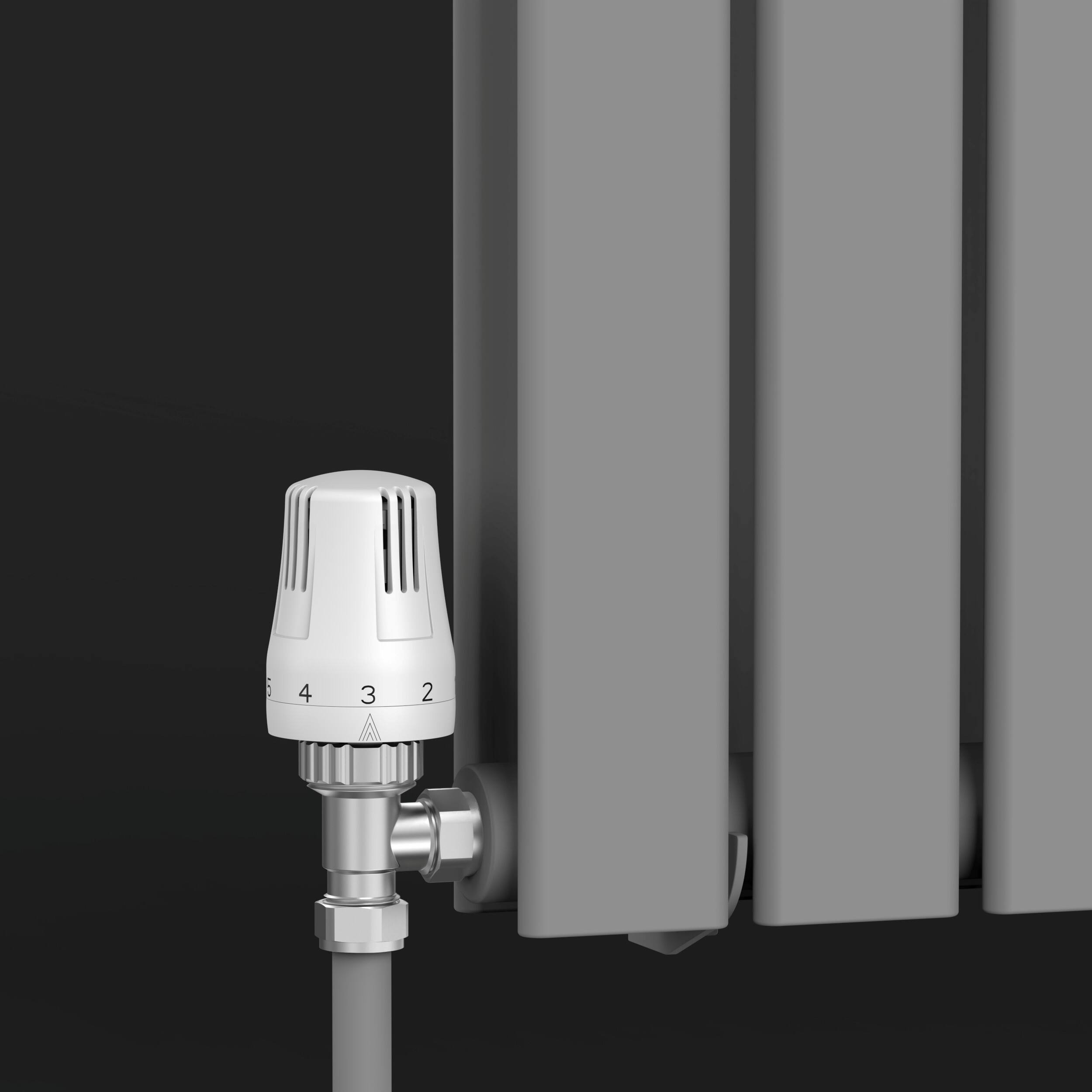
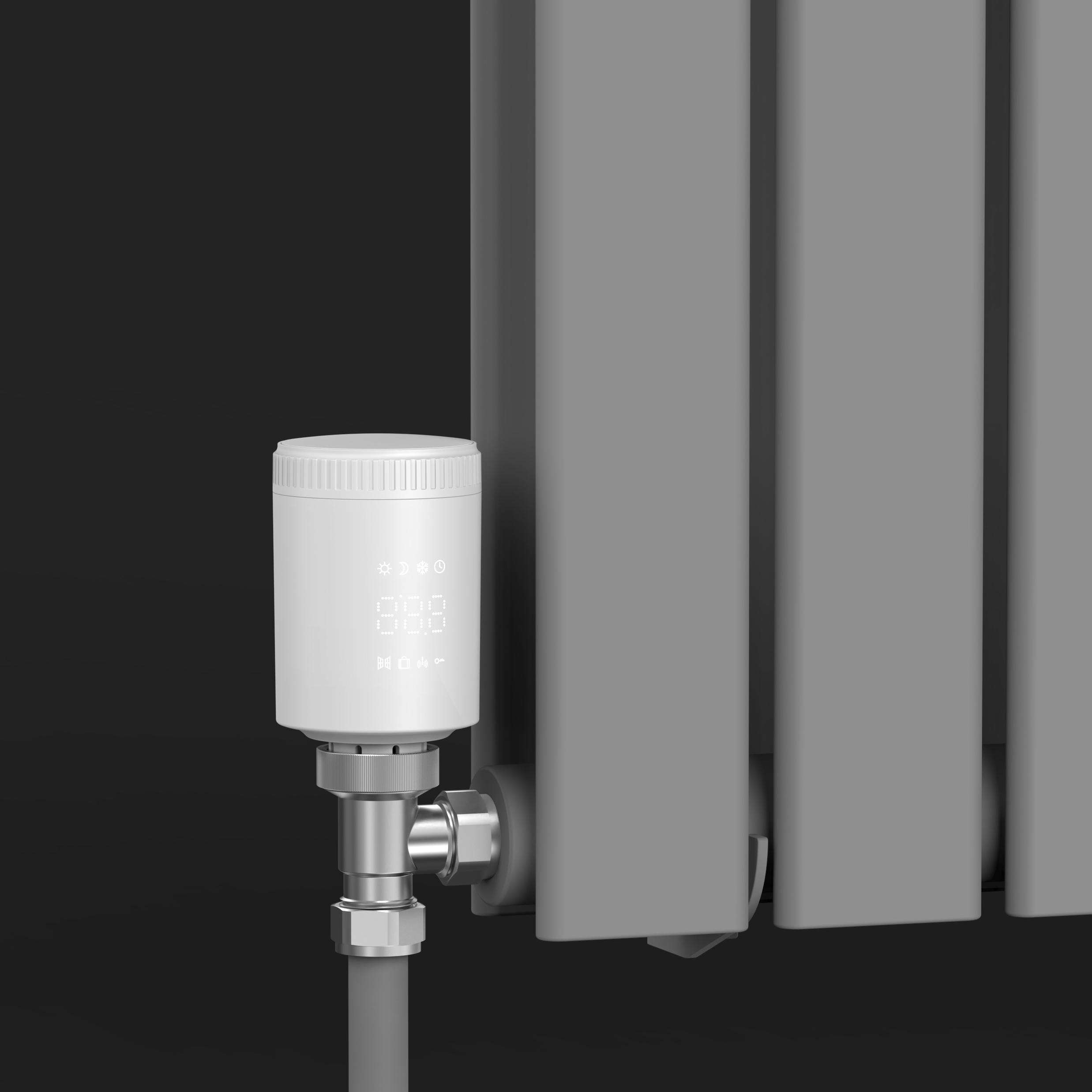
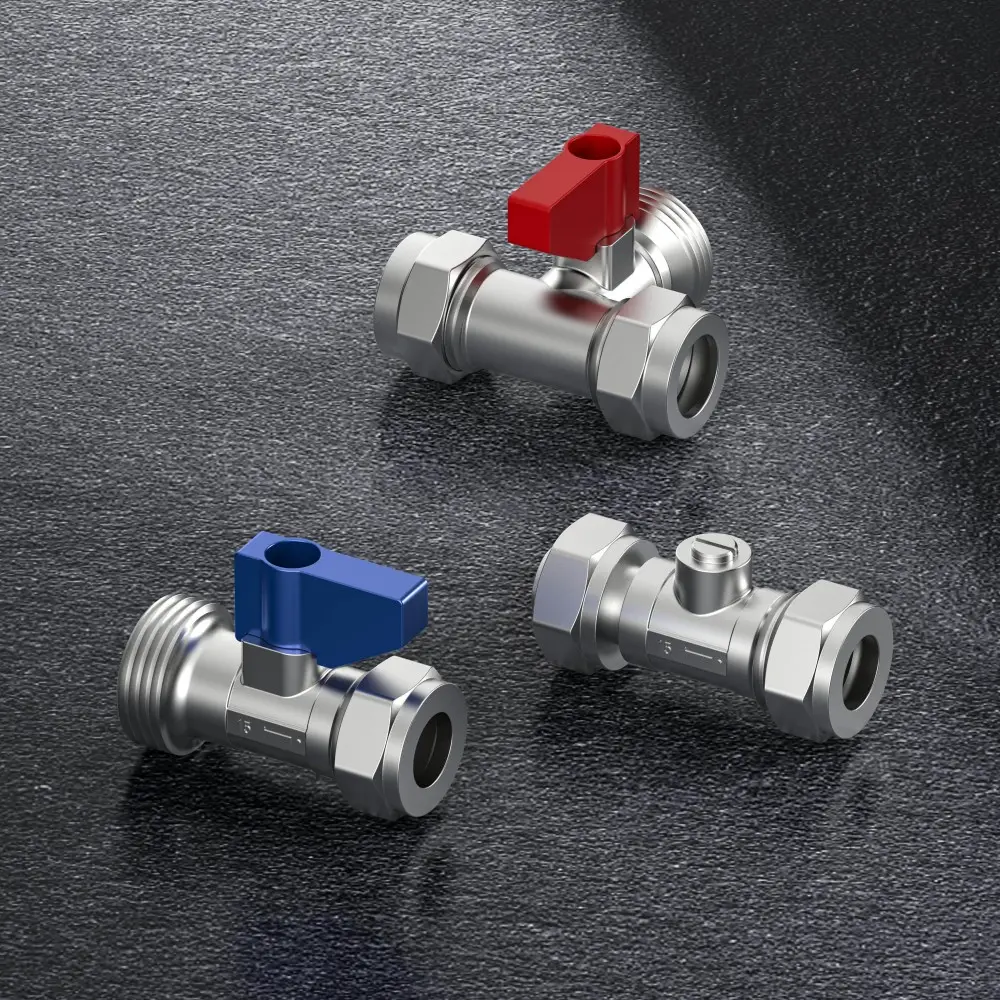
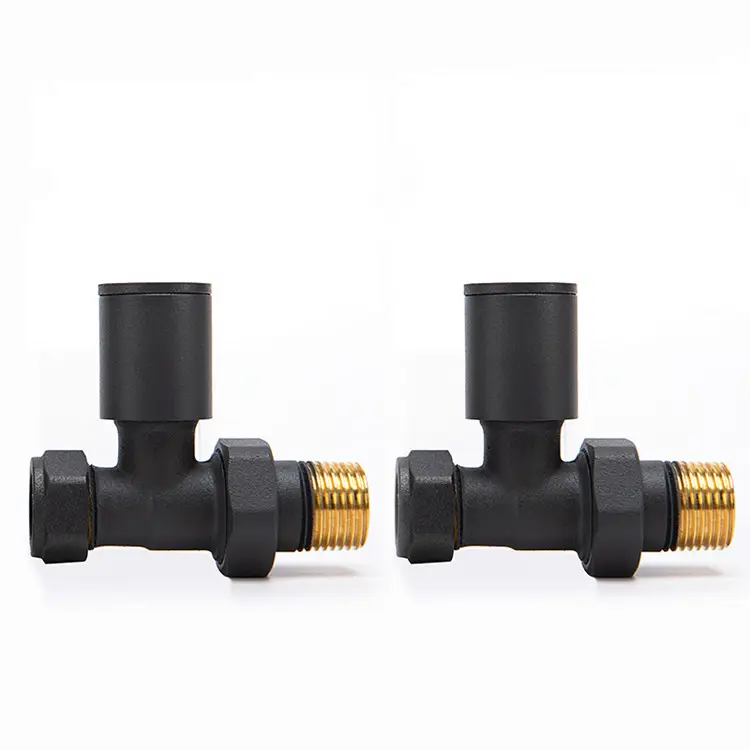
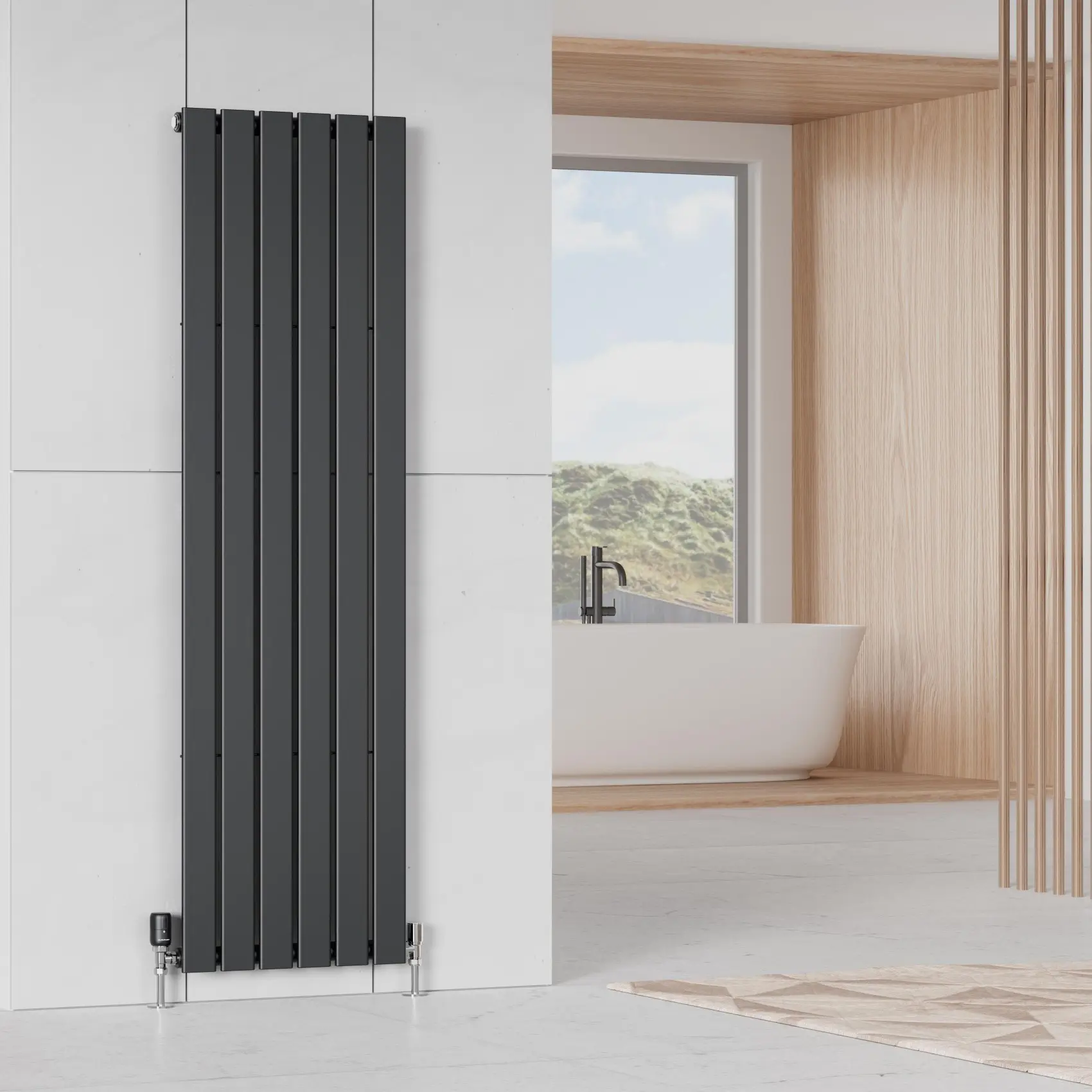
thermostatic valve for radiators
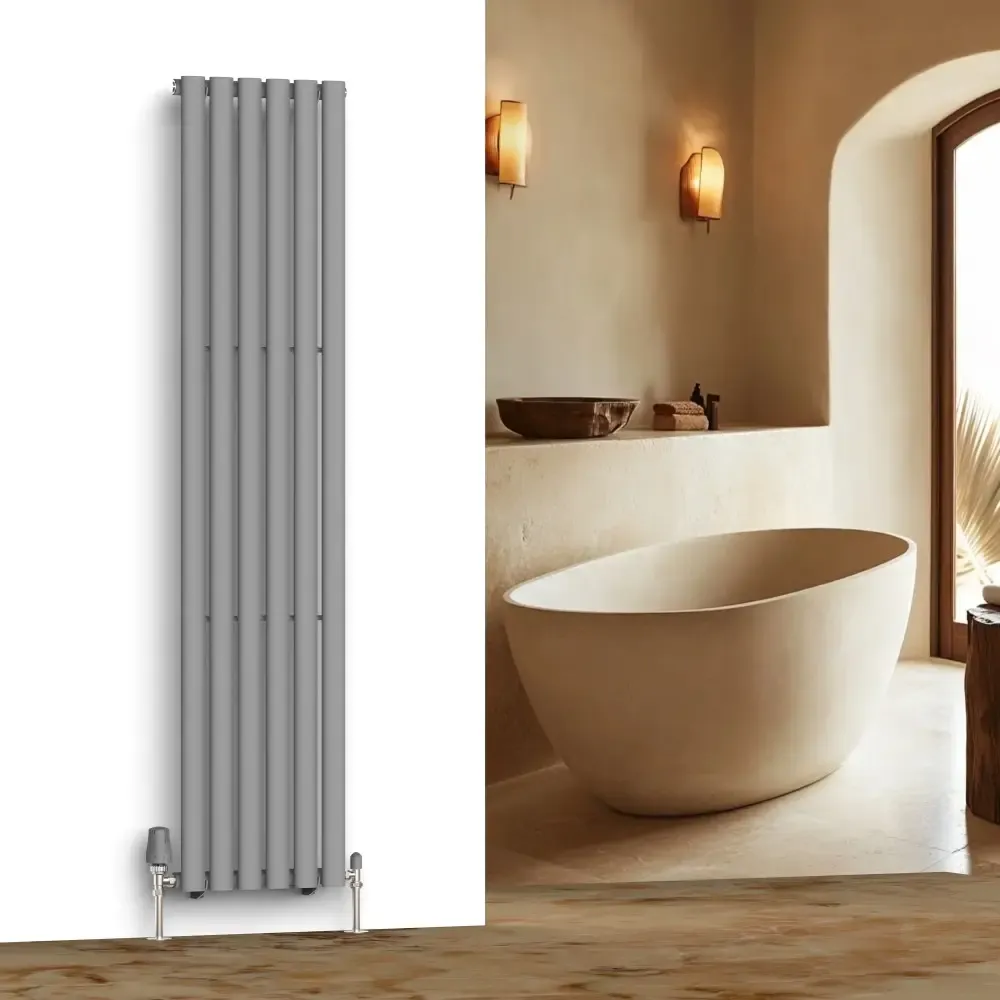
A thermostatic valve for radiators represents an essential component in modern heating systems, designed to provide precise temperature control and enhanced energy efficiency for residential and commercial properties. This sophisticated device automatically regulates the flow of hot water through individual radiators based on ambient room temperature, ensuring optimal comfort while minimizing energy consumption. The thermostatic valve for radiators operates through a temperature-sensitive element that expands and contracts in response to environmental conditions, making real-time adjustments to maintain desired heating levels. The core functionality of a thermostatic valve for radiators centers around its ability to sense room temperature and automatically adjust water flow accordingly. When room temperature rises above the set point, the valve gradually closes to reduce heat output, and when temperatures drop, it opens to increase heating capacity. This intelligent operation eliminates the need for manual adjustments and prevents overheating or underheating scenarios. Modern thermostatic valve for radiators incorporate advanced materials and precision engineering to ensure reliable performance across various operating conditions. The valve body typically features brass or stainless steel construction for corrosion resistance and longevity, while the thermostatic head contains specialized wax or liquid-filled sensors that respond quickly to temperature changes. These technological features enable the thermostatic valve for radiators to provide accurate temperature control within narrow tolerance ranges, typically maintaining room temperatures within one to two degrees of the desired setting. Applications for thermostatic valve for radiators span across diverse building types, including residential homes, office buildings, hotels, schools, and healthcare facilities. In residential settings, these valves enable individual room temperature control, allowing occupants to customize heating levels based on personal preferences and room usage patterns. Commercial applications benefit from zone-based temperature management, which improves occupant comfort while reducing overall energy costs. The thermostatic valve for radiators proves particularly valuable in buildings with varying occupancy patterns or different thermal requirements across different areas.

 EN
EN