digital thermostatic radiator valve
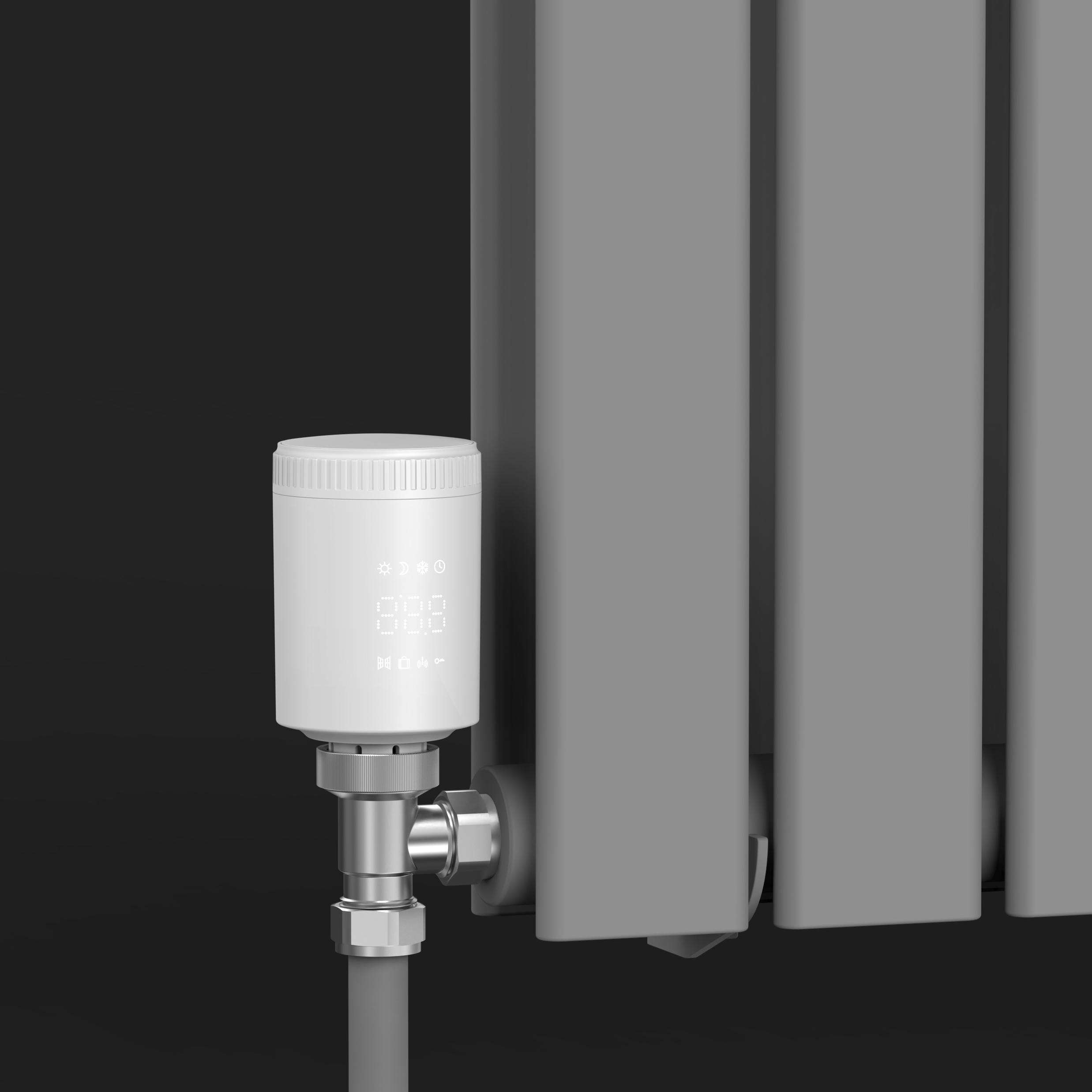
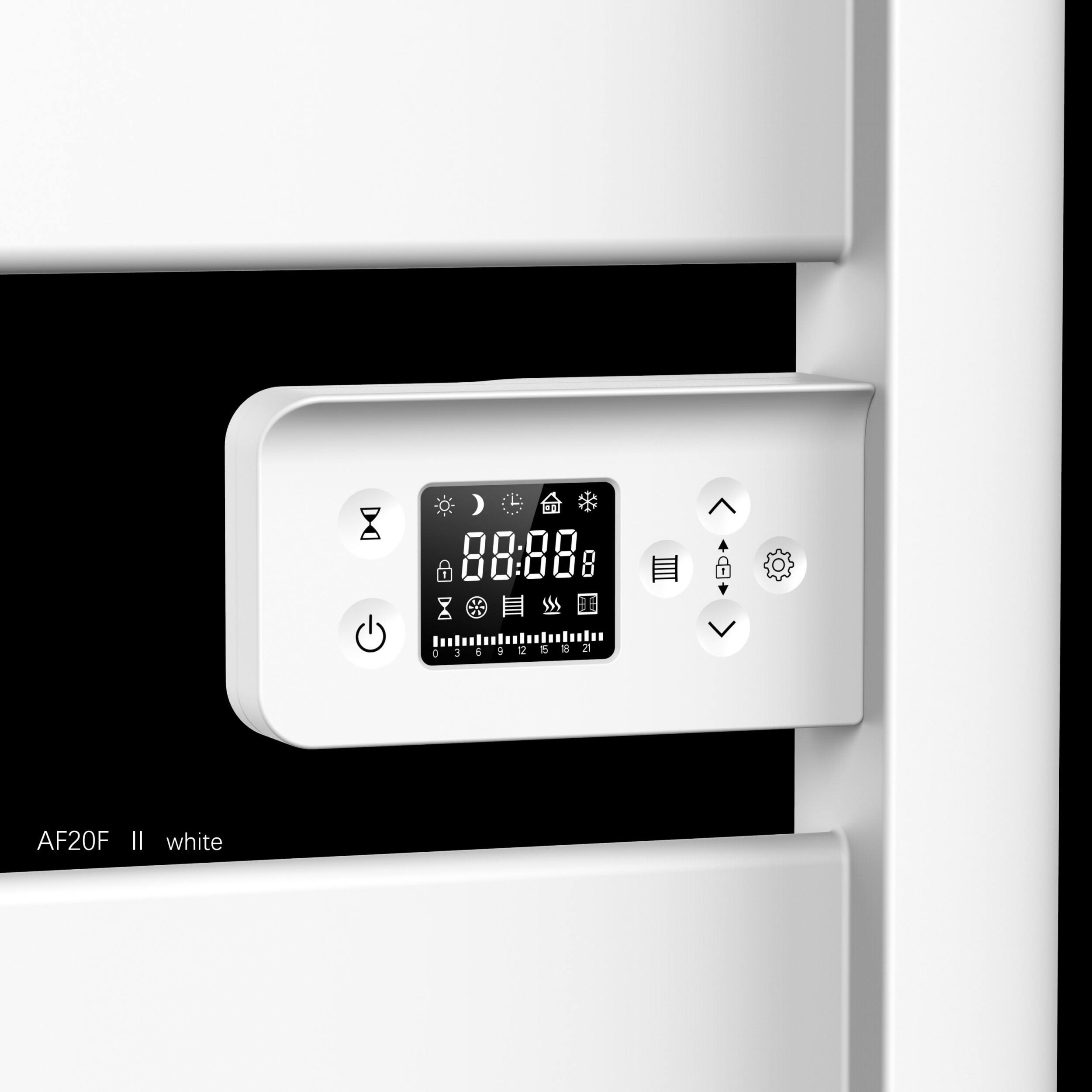
The digital thermostatic radiator valve represents a revolutionary advancement in home heating technology, combining precision temperature control with intelligent automation features. This sophisticated device replaces traditional manual radiator valves, offering homeowners unprecedented control over their heating systems through digital interfaces and programmable settings. The digital thermostatic radiator valve operates by continuously monitoring room temperatures and automatically adjusting water flow through individual radiators to maintain desired comfort levels. At its core, this innovative heating solution features an electronic sensor that detects ambient temperature changes with remarkable accuracy, typically within 0.1 degrees Celsius. The valve mechanism responds instantly to temperature fluctuations, opening or closing to regulate hot water circulation through the radiator system. Modern digital thermostatic radiator valves incorporate LCD displays that show current temperature readings, target settings, and operational status indicators. Many models feature wireless connectivity capabilities, enabling remote control through smartphone applications or integration with smart home automation systems. The programmable functionality allows users to create customized heating schedules for different days of the week, automatically reducing energy consumption during unoccupied periods. Advanced models include adaptive learning algorithms that analyze usage patterns and optimize heating cycles accordingly. Installation typically involves replacing existing manual valve heads while maintaining compatibility with standard radiator connections. The digital thermostatic radiator valve finds extensive applications in residential properties, commercial buildings, hotels, and educational facilities where precise temperature control and energy efficiency are priorities. These devices prove particularly valuable in multi-zone heating systems, allowing independent temperature management for individual rooms or building sections. The technology supports various heating system types, including traditional boiler systems, heat pumps, and district heating networks, making it a versatile solution for diverse heating infrastructures.

 EN
EN