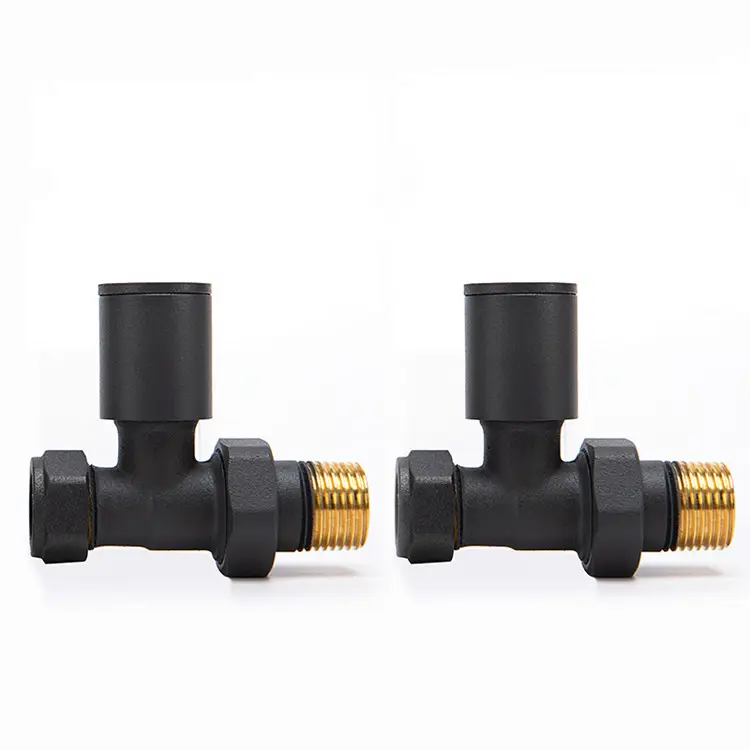
Thermostatic Radiator Valves: Complete Guide to Energy-Efficient Temperature Control

Get a Free Quote

Our representative will contact you soon.
Email
Name
Company Name
Message
0/1000

thermostat on a radiator

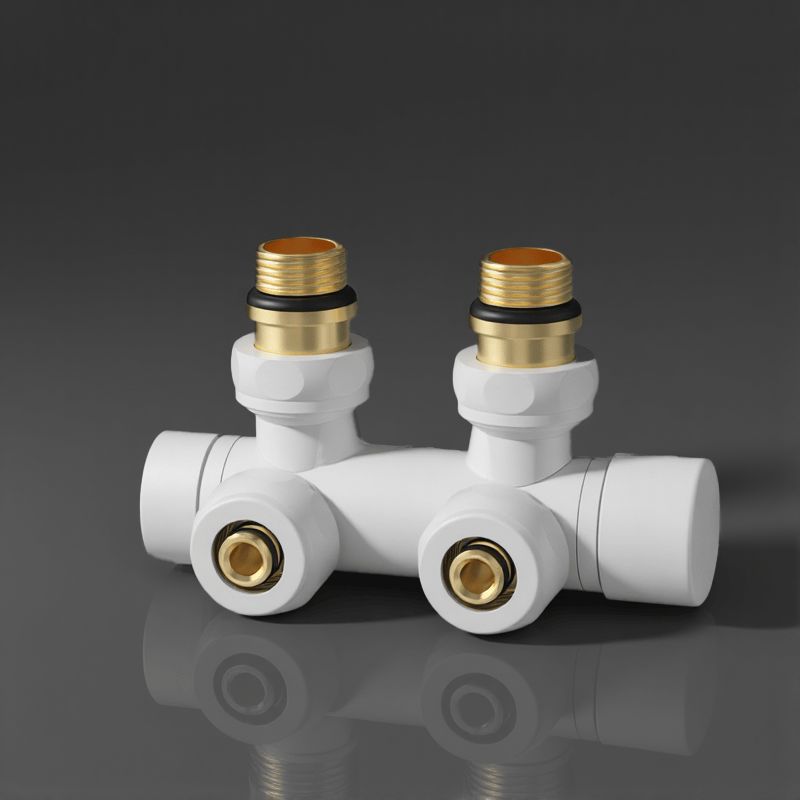
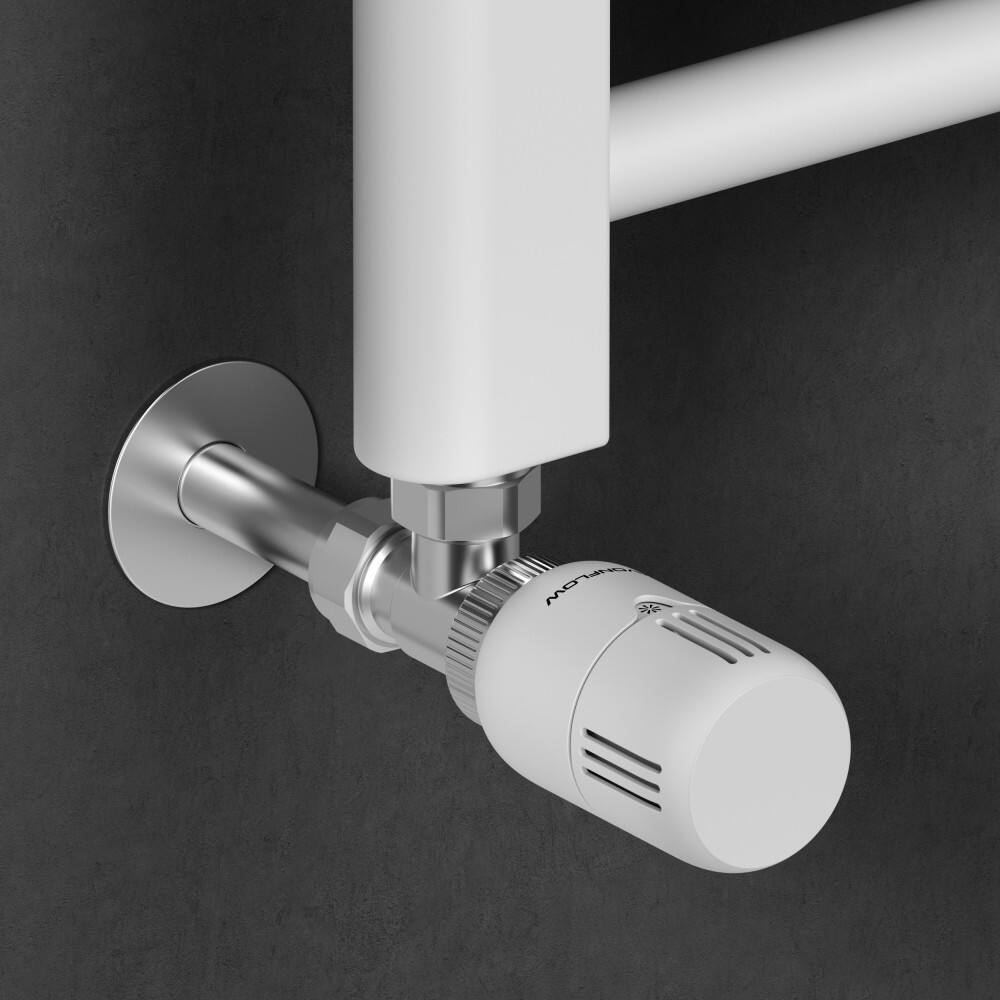
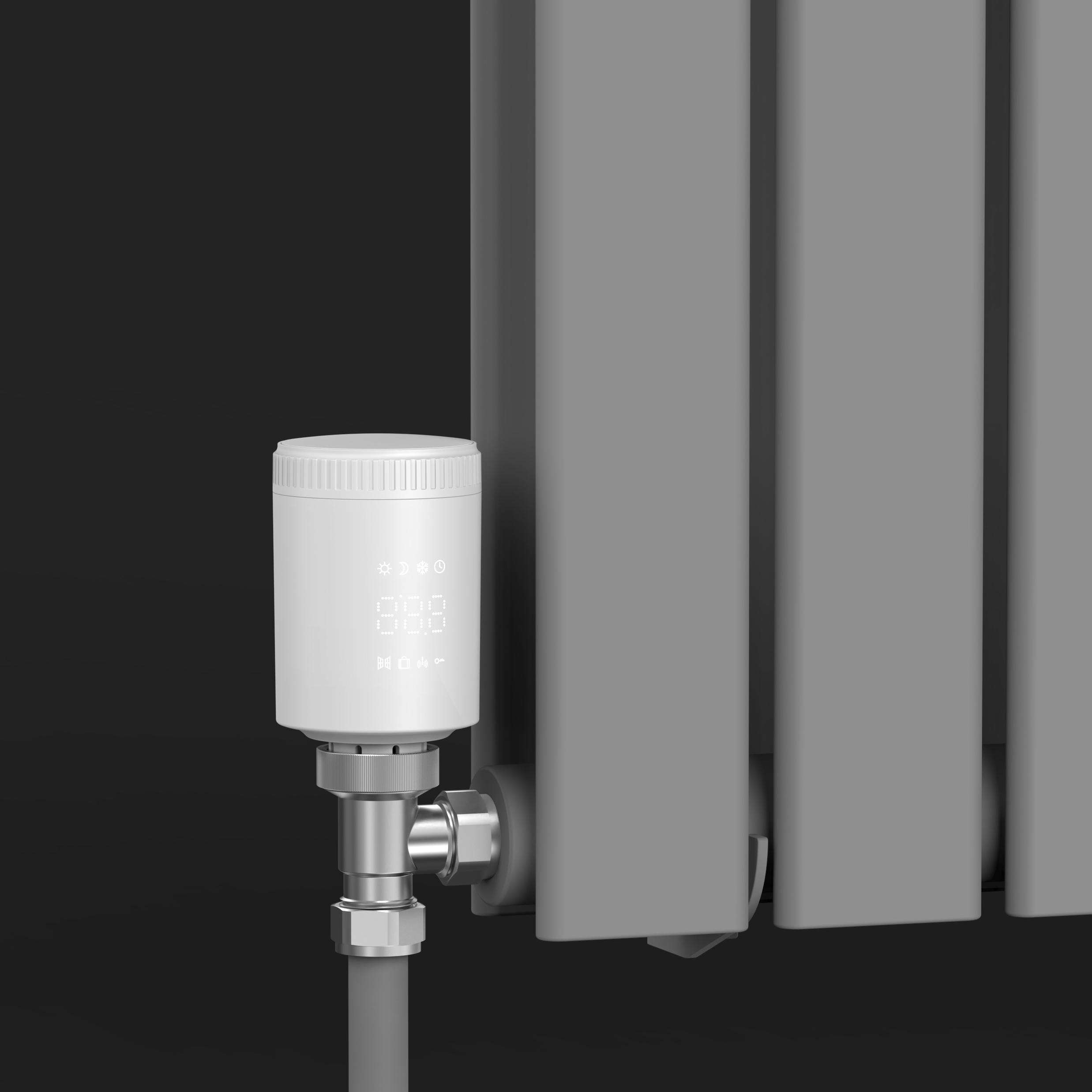
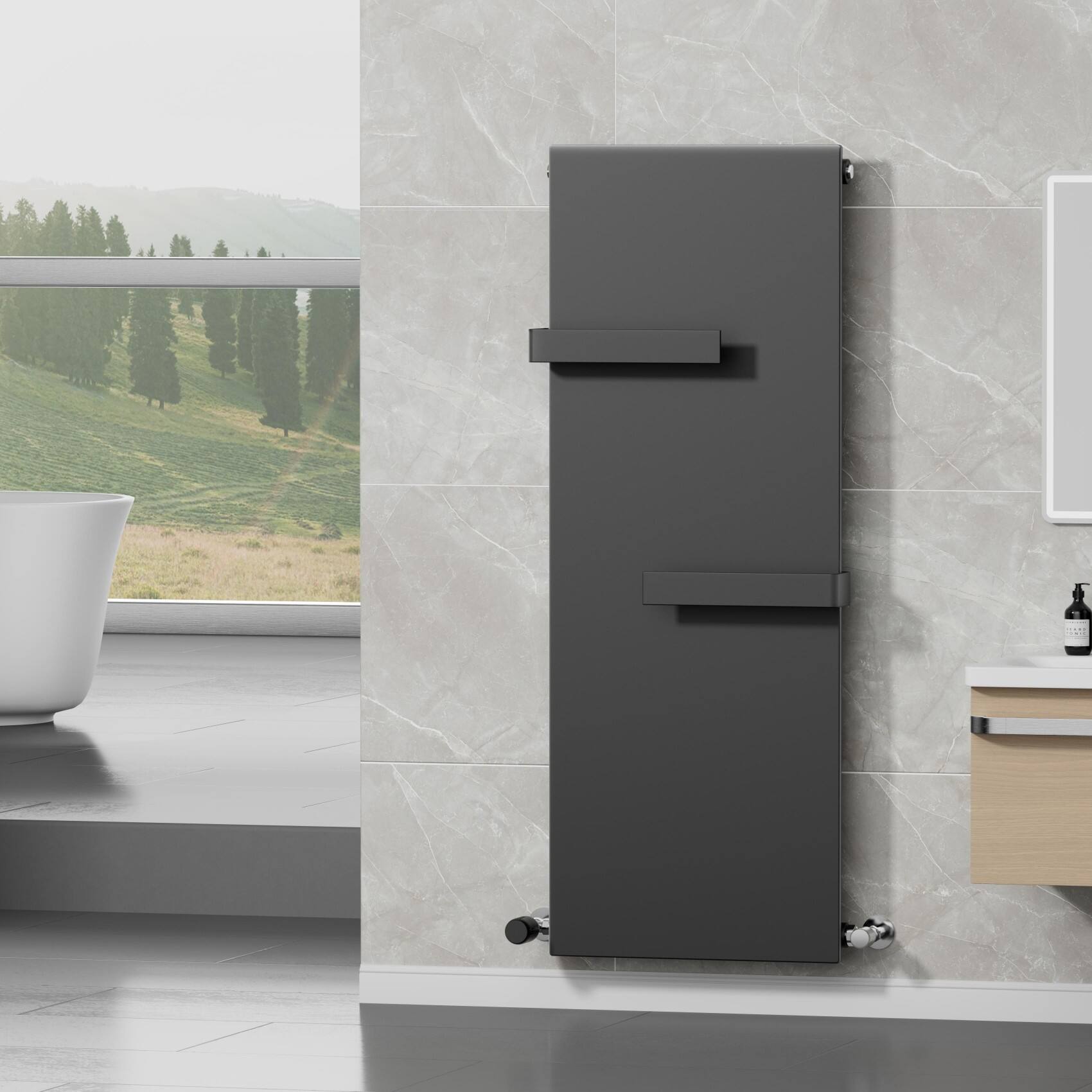
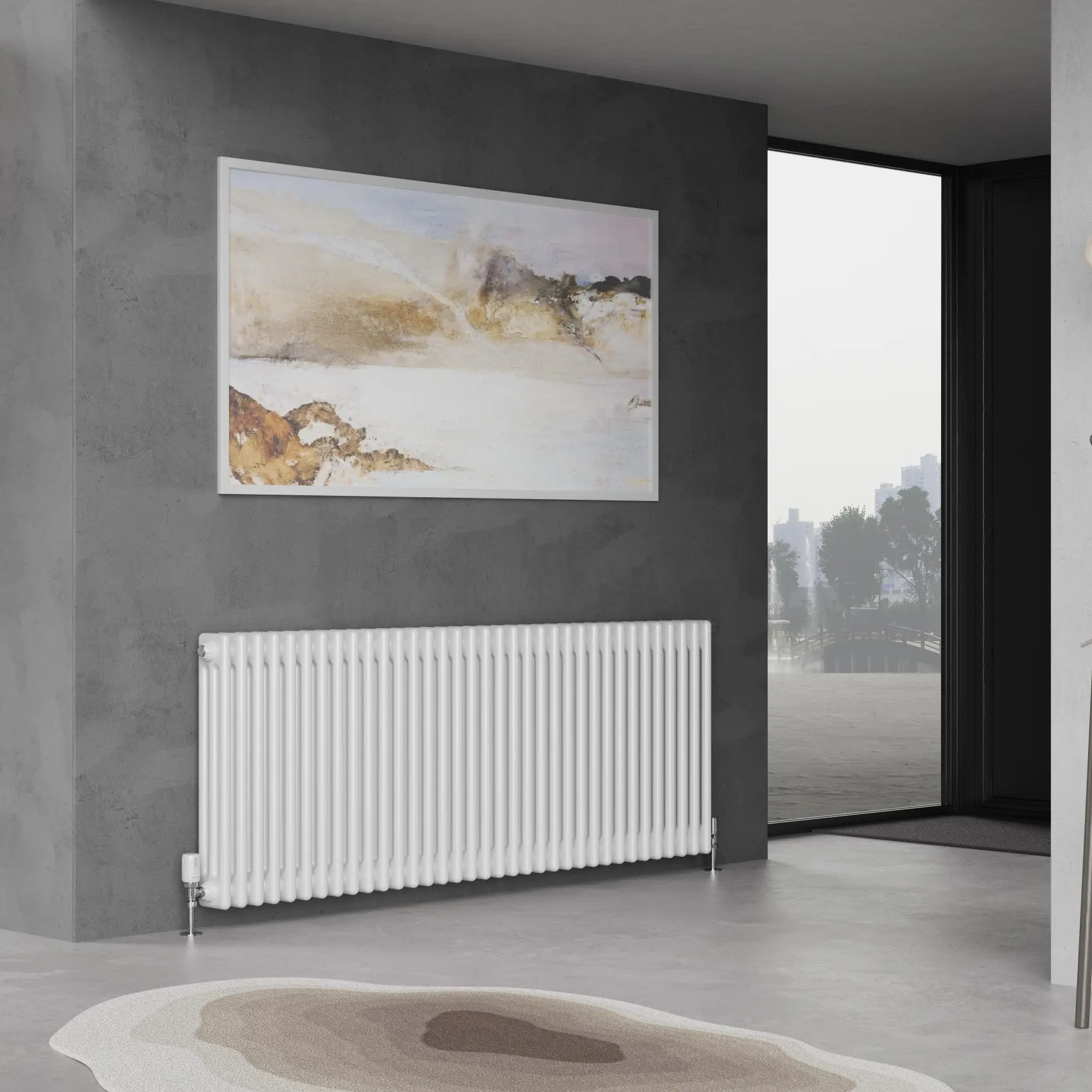
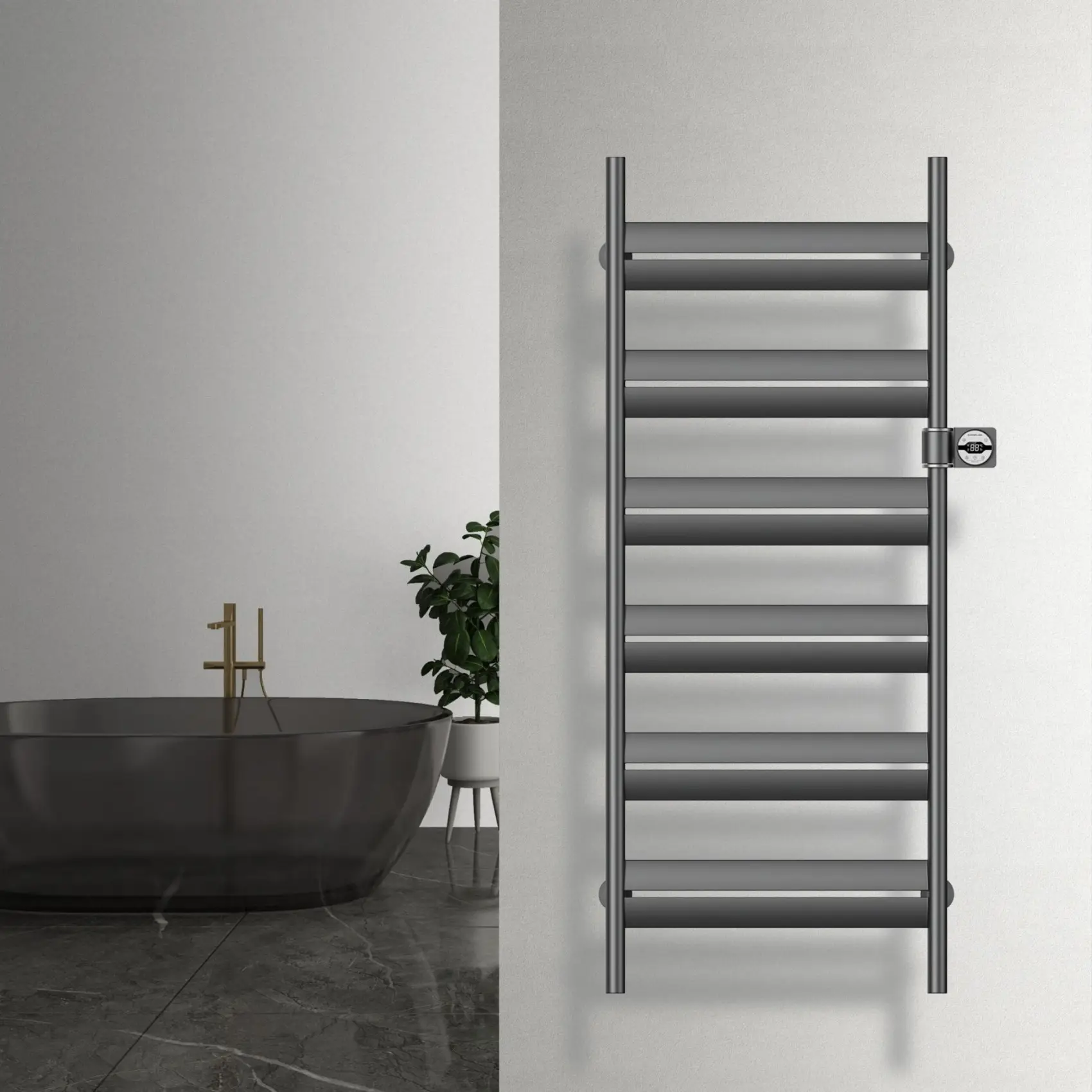
A thermostat on a radiator represents a sophisticated temperature control mechanism designed to regulate heat output and maintain optimal room temperatures efficiently. This essential heating component combines mechanical or electronic sensing technology with precision valve control to automatically adjust water flow through radiator systems. The thermostat on a radiator operates by detecting ambient air temperature and responding accordingly to maintain desired thermal comfort levels throughout residential and commercial spaces. Modern thermostatic radiator valves integrate advanced materials including wax-filled thermostatic elements, bi-metallic strips, or electronic sensors that expand and contract based on temperature fluctuations. These technological features enable the thermostat on a radiator to provide consistent climate control while reducing energy consumption significantly. The primary functions encompass automatic temperature regulation, energy conservation, zone-specific heating control, and integration with central heating systems. Professional applications span across residential homes, office buildings, hospitals, schools, and industrial facilities where precise temperature management proves critical. The thermostat on a radiator incorporates user-friendly adjustment mechanisms, typically featuring numbered scales or digital displays that allow occupants to set preferred temperatures easily. Installation compatibility extends across various radiator types including panel radiators, column radiators, and designer heating solutions. Advanced models offer programmable scheduling capabilities, wireless connectivity, and smart home integration options. The technological evolution of the thermostat on a radiator continues advancing with features like adaptive learning algorithms, remote monitoring capabilities, and predictive maintenance alerts. Quality construction materials ensure longevity and reliable operation under diverse environmental conditions, while aesthetic designs complement modern interior décor seamlessly.


New Product Releases

Installing a thermostat on a radiator delivers substantial energy savings that directly translate to reduced utility bills throughout heating seasons. This intelligent device automatically adjusts heat output based on actual room temperature, preventing energy waste from overheating spaces unnecessarily. Users typically experience 10-20% reduction in heating costs after implementing thermostatic radiator valve systems throughout their properties. The thermostat on a radiator provides room-by-room temperature control, allowing occupants to customize comfort levels according to specific preferences and usage patterns. This zonal heating approach eliminates the common problem of uniform heating where unused rooms consume unnecessary energy while occupied spaces remain uncomfortable. Enhanced comfort represents another significant advantage, as the thermostat on a radiator maintains consistent temperatures without manual intervention, preventing temperature swings that create discomfort. The automatic operation eliminates the need for constant manual adjustments, providing convenience and peace of mind for busy households and commercial facilities. Installation simplicity makes the thermostat on a radiator accessible for both professional installers and skilled homeowners, requiring minimal modifications to existing heating systems. The device integrates seamlessly with most central heating configurations, including combi boilers, system boilers, and conventional heating setups. Improved indoor air quality results from more stable temperature control, reducing humidity fluctuations that can promote mold growth and allergen accumulation. The thermostat on a radiator extends heating system lifespan by reducing thermal stress on boilers and pumps through more efficient operation cycles. Environmental benefits include reduced carbon emissions and lower energy consumption, supporting sustainability goals while maintaining optimal comfort. Advanced models offer smart features like scheduling, remote control, and integration with home automation systems, providing modern convenience and enhanced energy management capabilities. Long-term reliability ensures consistent performance with minimal maintenance requirements, making the thermostat on a radiator a cost-effective investment for any heating system upgrade.

Latest News

How to Choose the Right Angle Valve for Your Bathroom?

25

Sep

How to Choose the Right Angle Valve for Your Bathroom?

Understanding the Critical Role of Angle Valves in Bathroom Plumbing A well-functioning bathroom relies heavily on proper plumbing fixtures, with angle valves being one of the most essential components. These small but crucial devices control water f...
View More
Why Is a Design Radiator More Than Just Heating Equipment?

25

Sep

Why Is a Design Radiator More Than Just Heating Equipment?

The Evolution of Home Heating into Artistic Expression The modern home has transformed dramatically over the decades, with functionality seamlessly blending with aesthetics in every corner. Among these evolutionary changes, the design radiator stands...
View More
What Is the Difference Between a Heated Towel Rail and Radiator?

03

Nov

What Is the Difference Between a Heated Towel Rail and Radiator?

Understanding Home Heating Solutions: Towel Rails vs Radiators When it comes to keeping your bathroom warm and your towels cozy, you might find yourself wondering about the best heating solution. The distinction between a heated towel rail and radiat...
View More
What Problems Can a Boiler Magnetic Filter Help Prevent?

31

Oct

What Problems Can a Boiler Magnetic Filter Help Prevent?

Understanding the Power of Magnetic Filtration in Home Heating Systems Home heating systems are essential for maintaining comfort throughout the year, and their optimal performance relies heavily on clean, efficient operation. A boiler magnetic filte...
View More

Get a Free Quote

Our representative will contact you soon.
Email
Name
Company Name
Message
0/1000

thermostat on a radiator

Precision Temperature Control Technology

Precision Temperature Control Technology

The thermostat on a radiator employs cutting-edge sensing technology that delivers unparalleled accuracy in temperature regulation, ensuring optimal comfort while maximizing energy efficiency. Advanced thermostatic elements respond rapidly to ambient temperature changes, typically within 1-2 degrees of the set point, providing superior climate control compared to traditional heating methods. This precision stems from sophisticated wax-filled actuators or bi-metallic sensors that expand and contract predictably as temperatures fluctuate, translating these changes into precise valve movements. The thermostat on a radiator continuously monitors room conditions, making micro-adjustments throughout the day to maintain consistent comfort levels without user intervention. Modern electronic variants incorporate digital sensors and microprocessors that enhance accuracy further, offering temperature control within 0.5 degrees of target settings. This technological advancement eliminates the temperature swings common with conventional heating systems, where rooms often become uncomfortably hot before cooling down significantly. The responsive nature of the thermostat on a radiator prevents energy waste associated with overheating, as the system reduces heat output immediately when target temperatures are reached. Professional-grade calibration ensures reliable operation across diverse environmental conditions, maintaining accuracy regardless of external factors like drafts, solar gain, or varying occupancy levels. The precision control technology adapts to seasonal changes automatically, requiring minimal user adjustment while consistently delivering optimal thermal comfort. Integration capabilities allow the thermostat on a radiator to communicate with smart home systems, enabling advanced scheduling and remote monitoring for enhanced convenience and energy management.
Energy Efficiency and Cost Savings

Energy Efficiency and Cost Savings

The thermostat on a radiator transforms heating systems into highly efficient energy management solutions that generate substantial cost savings while reducing environmental impact significantly. Independent studies demonstrate that properly configured thermostatic radiator valves can reduce heating energy consumption by 15-30%, depending on property characteristics and usage patterns. This efficiency improvement stems from the device's ability to eliminate heat waste in unoccupied rooms and prevent overheating in spaces that receive natural heat gains from sunlight, appliances, or high occupancy. The thermostat on a radiator operates on demand-based heating principles, delivering warmth only when and where needed, unlike traditional systems that heat entire properties uniformly regardless of actual requirements. Smart scheduling capabilities allow users to program different temperature settings for various times of day, automatically reducing heating during sleeping hours or when properties remain unoccupied. The cumulative effect of installing thermostats on radiators throughout a property creates a comprehensive energy management system that optimizes heating performance across all zones. Real-time temperature monitoring prevents the common scenario where rooms overheat due to delayed system response, immediately reducing heat output when target temperatures are achieved. The thermostat on a radiator contributes to lower carbon emissions by reducing overall energy demand, supporting environmental sustainability goals while maintaining comfort standards. Return on investment typically occurs within 12-24 months through reduced utility bills, making this upgrade financially attractive for homeowners and commercial property managers. Advanced models provide energy consumption data and usage analytics, empowering users to make informed decisions about heating patterns and further optimize efficiency. The long-term durability of quality thermostatic radiator valves ensures sustained savings over many years, with minimal maintenance requirements and reliable performance throughout their operational lifespan.
User-Friendly Operation and Smart Integration

User-Friendly Operation and Smart Integration

The thermostat on a radiator combines intuitive operation with advanced connectivity features, making sophisticated temperature control accessible to users of all technical backgrounds while offering seamless integration with modern smart home ecosystems. Simple numerical scales or clear digital displays eliminate guesswork in temperature setting, allowing occupants to establish preferred comfort levels quickly and accurately. The tactile feedback provided by quality adjustment mechanisms ensures precise setting selection, while visual indicators confirm current operating status and temperature targets clearly. Installation accessibility represents another key user benefit, as most thermostatic radiator valves fit standard radiator connections without requiring extensive plumbing modifications or professional installation services. The thermostat on a radiator typically features tool-free mounting systems and clear installation guides that enable confident DIY installation for homeowners with basic technical skills. Wireless connectivity options in advanced models enable remote monitoring and control through smartphone applications, allowing users to adjust heating settings from anywhere and monitor energy consumption patterns. Smart home integration capabilities connect the thermostat on a radiator with popular home automation platforms, enabling voice control through virtual assistants and coordination with other smart devices. Programmable scheduling functions accommodate varying lifestyle patterns, automatically adjusting temperatures for work schedules, vacation periods, and seasonal preferences without manual intervention. The user interface design prioritizes simplicity while offering comprehensive functionality, ensuring that basic temperature adjustment remains straightforward while advanced features remain easily accessible. Adaptive learning algorithms in premium models study usage patterns and preferences, automatically optimizing heating schedules to match occupant behavior and maximize both comfort and efficiency. Child safety features prevent unauthorized adjustments while maintaining easy access for adults, ensuring consistent comfort levels in family environments. The thermostat on a radiator provides immediate feedback on setting changes, allowing users to understand system response and refine preferences based on actual comfort experiences.

Get a Free Quote

Our representative will contact you soon.
Email
Name
Company Name
Message
0/1000