
 EN
EN



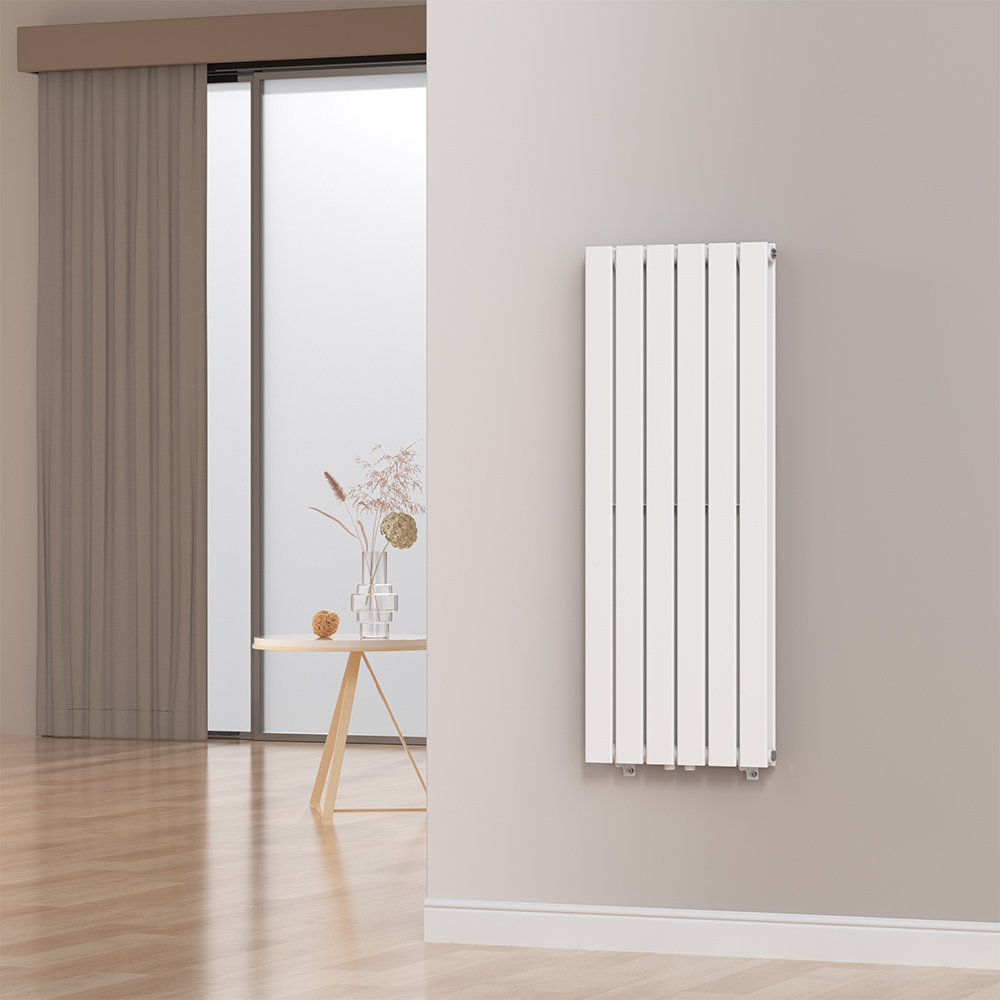
Modern heating systems are evolving rapidly, with homeowners and businesses increasingly seeking solutions that deliver superior comfort while reducing energy consumption. Among the most effective heating technologies available today, panel radiators stand out as a remarkable innovation that combines efficient heat distribution with elegant design. These advanced heating units represent a significant leap forward from traditional heating methods, offering exceptional performance that can dramatically transform how buildings maintain comfortable temperatures throughout the year.
The quest for energy efficiency has become paramount in contemporary building design and renovation projects. As energy costs continue to rise and environmental consciousness grows, property owners are actively searching for heating solutions that minimize waste while maximizing thermal output. Panel radiators address these concerns by incorporating sophisticated engineering principles that optimize heat transfer mechanisms and reduce operational expenses significantly compared to conventional heating alternatives.
Understanding Panel Radiator Technology
Core Design Principles
Panel radiators operate on advanced convection and radiation principles that maximize heat output while minimizing energy input requirements. The fundamental design consists of steel panels that create multiple chambers for water circulation, enabling rapid heat transfer from the heating medium to the surrounding air. This multi-panel configuration creates enhanced surface area for heat exchange, resulting in superior thermal performance compared to single-panel alternatives.
The internal structure features precisely engineered waterways that ensure optimal flow distribution throughout the entire radiator surface. This design eliminates hot spots and cold zones, creating uniform heat distribution that enhances comfort levels while reducing the energy required to maintain desired temperatures. The strategic placement of internal fins and convection channels further amplifies the heat transfer coefficient, enabling these units to achieve remarkable efficiency ratings.
Advanced Materials and Construction
Contemporary panel radiator construction utilizes high-grade steel alloys specifically selected for their thermal conductivity properties and corrosion resistance characteristics. These materials undergo specialized treatments that enhance their ability to conduct heat efficiently while maintaining structural integrity over extended operational periods. The welding processes employed in manufacturing create seamless joints that eliminate potential leak points and thermal bridges that could compromise performance.
Surface treatments including powder coating and specialized primers provide additional benefits beyond aesthetic appeal. These coatings enhance the emissivity properties of the radiator surface, improving radiation heat transfer capabilities while protecting the underlying steel from oxidation and environmental damage. The result is a heating solution that maintains peak efficiency throughout its operational lifespan while requiring minimal maintenance interventions.
Energy Efficiency Mechanisms
Rapid Response Times
One of the most significant efficiency advantages of panel radiators lies in their exceptional response times to temperature adjustments. Unlike traditional heating systems that require extended periods to reach desired temperatures, panel radiators achieve operational temperatures within minutes of activation. This rapid response capability reduces the energy waste associated with prolonged heating cycles and enables precise temperature control that matches occupancy patterns and usage requirements.
The low water content design minimizes the thermal mass that must be heated, enabling quick temperature changes that respond immediately to thermostat adjustments. This characteristic proves particularly valuable in applications where heating requirements fluctuate throughout the day, such as office buildings, retail spaces, and residential environments with variable occupancy schedules. The ability to rapidly adjust output eliminates the energy waste associated with overshooting target temperatures.
Optimized Heat Distribution
Panel radiators excel in creating uniform heat distribution patterns that eliminate the temperature stratification common in traditional heating systems. The combination of convection currents and radiant heat transfer ensures that comfortable temperatures are maintained throughout the entire room volume, reducing the need for higher thermostat settings to compensate for cold spots or inadequate circulation.
This superior distribution capability enables panel radiators to maintain comfortable conditions at lower average temperatures compared to alternative heating methods. The reduction in required operating temperatures directly translates to decreased energy consumption, as heating systems operate more efficiently when the temperature differential between the heat source and ambient conditions is minimized. Studies indicate that even a few degrees reduction in operating temperature can yield substantial energy savings over extended periods.
Installation and System Integration Benefits
Compatibility with Modern HVAC Systems
Panel radiators integrate seamlessly with contemporary heating systems, including condensing boilers, heat pumps, and renewable energy sources. Their low operating temperature requirements make them particularly well-suited for high-efficiency heating systems that achieve peak performance at reduced water temperatures. This compatibility enables building owners to maximize the efficiency gains from modern heating equipment while ensuring optimal comfort delivery.
The flexible connection options available with panel radiators facilitate straightforward integration with existing piping networks, minimizing installation disruption and reducing retrofit costs. Thermostatic radiator valves can be easily incorporated to provide individual room temperature control, enabling zone-based heating strategies that further enhance overall system efficiency by heating only occupied spaces to desired temperatures.
Space Optimization Advantages
The compact profile of panel radiators enables strategic placement that maximizes heating effectiveness while minimizing space consumption. Their slim design allows installation in locations where traditional radiators would be impractical, such as beneath low windows or in narrow hallways. This placement flexibility ensures optimal heat distribution patterns that enhance comfort while reducing the total heating capacity required for effective climate control.
Wall-mounted configurations eliminate floor space requirements entirely, providing architects and designers with greater flexibility in room layout planning. The clean, contemporary appearance of panel radiators complements modern interior design aesthetics while delivering superior heating performance that supports energy efficiency objectives throughout the building envelope.
Operational Cost Reduction Strategies
Maintenance Requirements and Longevity
Panel radiators require minimal maintenance interventions compared to alternative heating technologies, contributing to long-term operational cost savings. The sealed construction prevents debris accumulation and reduces the frequency of cleaning requirements, while the absence of moving parts eliminates mechanical wear concerns that plague other heating equipment. Regular system maintenance primarily involves periodic inspection of connection points and occasional bleeding of air from the system.
The robust construction and high-quality materials used in panel radiator manufacturing ensure extended operational lifespans that often exceed twenty years with proper system maintenance. This longevity provides excellent return on investment by amortizing initial equipment costs over extended periods while maintaining consistent efficiency performance throughout the service life. Replacement needs are infrequent, reducing the lifecycle costs associated with heating system ownership.
Smart Control Integration Possibilities
Modern panel radiators can be equipped with intelligent control systems that optimize energy consumption based on occupancy patterns, weather conditions, and user preferences. Programmable thermostatic valves enable automated temperature scheduling that reduces energy waste during unoccupied periods while ensuring comfortable conditions when spaces are in use. These control strategies can achieve energy savings of fifteen to twenty-five percent compared to constant temperature operation.
Integration with building management systems enables centralized monitoring and control capabilities that optimize heating performance across entire facilities. Real-time data collection and analysis facilitate predictive maintenance scheduling and performance optimization adjustments that maintain peak efficiency throughout the operational cycle. Remote monitoring capabilities enable proactive system management that prevents efficiency degradation and extends equipment lifespans.
Environmental Impact Considerations
Carbon Footprint Reduction
The enhanced efficiency characteristics of panel radiators contribute significantly to reducing the carbon footprint associated with building heating requirements. By minimizing energy consumption while maintaining superior comfort levels, these heating systems support sustainability objectives and help building owners meet increasingly stringent environmental regulations. The reduced energy demands directly translate to lower greenhouse gas emissions from power generation and fuel combustion.
When combined with renewable energy sources such as solar thermal systems or geothermal heat pumps, panel radiators enable near-zero carbon heating solutions that support ambitious climate goals. The low operating temperature requirements make panel radiators particularly well-suited for integration with renewable energy systems that achieve peak efficiency at reduced output temperatures.
Recyclability and Sustainable Manufacturing
Panel radiators are manufactured primarily from steel, one of the most recyclable materials available, ensuring that end-of-life disposal has minimal environmental impact. The manufacturing processes employed in panel radiator production continue to evolve toward greater sustainability, with many manufacturers implementing energy-efficient production techniques and utilizing recycled steel content in their products.
The long operational lifespan of panel radiators reduces the frequency of replacement requirements, minimizing the environmental impact associated with manufacturing and transportation activities. This durability characteristic aligns with sustainable building practices that prioritize longevity and resource conservation throughout the building lifecycle.
FAQ
What makes panel radiators more efficient than traditional radiators
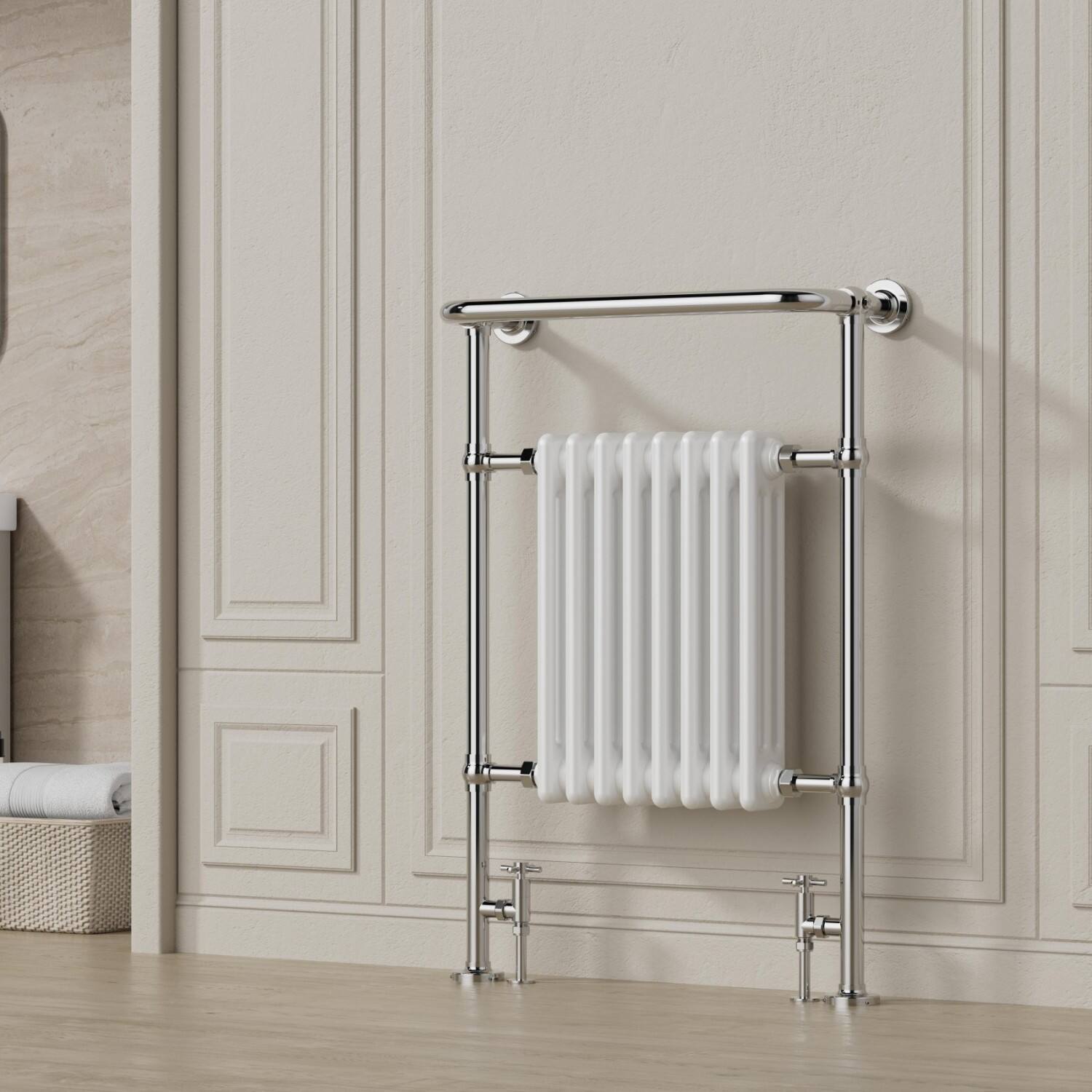
Panel radiators achieve superior efficiency through their multi-panel design that maximizes surface area for heat transfer while maintaining compact dimensions. The internal fin structures and optimized waterway configurations enhance convection heat transfer, enabling these units to deliver more heat output per unit of energy input compared to traditional single-panel or cast iron radiators.
How much energy can panel radiators save compared to other heating systems
Panel radiators typically achieve energy savings of ten to thirty percent compared to traditional heating systems, depending on the specific application and control strategies employed. The rapid response times, uniform heat distribution, and compatibility with high-efficiency boilers contribute to these savings by eliminating energy waste and enabling precise temperature control throughout the heating season.
Are panel radiators suitable for all types of buildings
Panel radiators are highly versatile and suitable for residential, commercial, and industrial applications. Their compact design and flexible installation options make them appropriate for new construction projects and retrofit applications alike. The wide range of sizes and output ratings available ensures suitable options for virtually any heating requirement, from small residential rooms to large commercial spaces.
What maintenance is required to maintain panel radiator efficiency
Panel radiators require minimal maintenance to maintain peak efficiency performance. Regular system maintenance includes periodic inspection of connections for leaks, occasional bleeding of air from the system, and ensuring thermostatic valves operate correctly. Annual heating system servicing by qualified technicians helps maintain optimal efficiency and extends equipment lifespan while preventing performance degradation.