
 EN
EN



Essential Guide to Heating Radiator Care and Performance
Proper heating radiator maintenance is crucial for ensuring efficient home heating and prolonging the lifespan of your heating system. When well-maintained, a heating radiator can provide reliable warmth and comfort for decades while keeping energy costs under control. This comprehensive guide will explore the vital aspects of radiator care, from routine checks to professional servicing, helping you maintain optimal performance throughout the years.
Understanding Your Heating Radiator System
Components and Their Functions
Before diving into maintenance procedures, it's essential to understand the key components of your heating radiator system. The main elements include the radiator body, valves, air vents, and connecting pipes. The radiator body contains channels through which hot water flows, transferring heat to the surrounding air. Thermostatic radiator valves control the water flow, while air vents help release trapped air that can impair efficiency.
Modern heating radiator systems may also include smart controls, pressure gauges, and zone control mechanisms. Understanding how these components work together helps identify potential issues early and ensures appropriate maintenance measures are taken.
Common Types of Heating Radiators
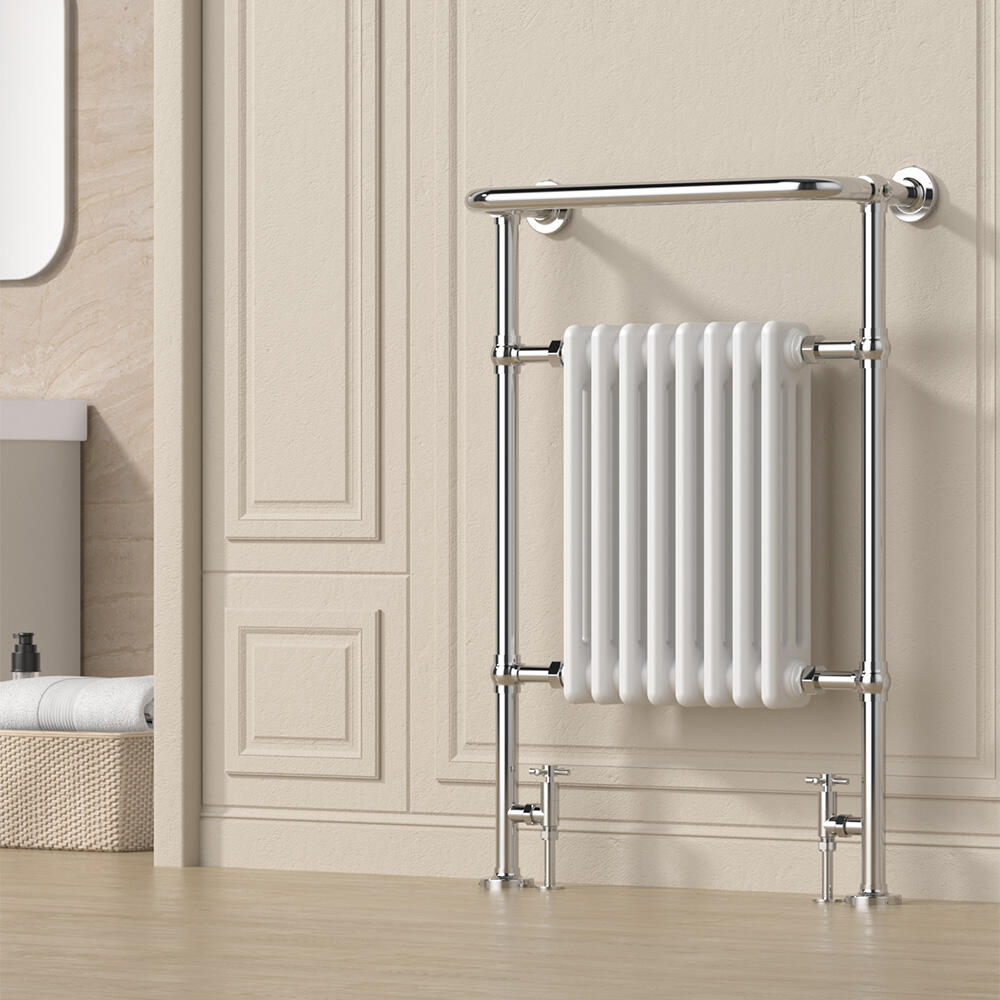
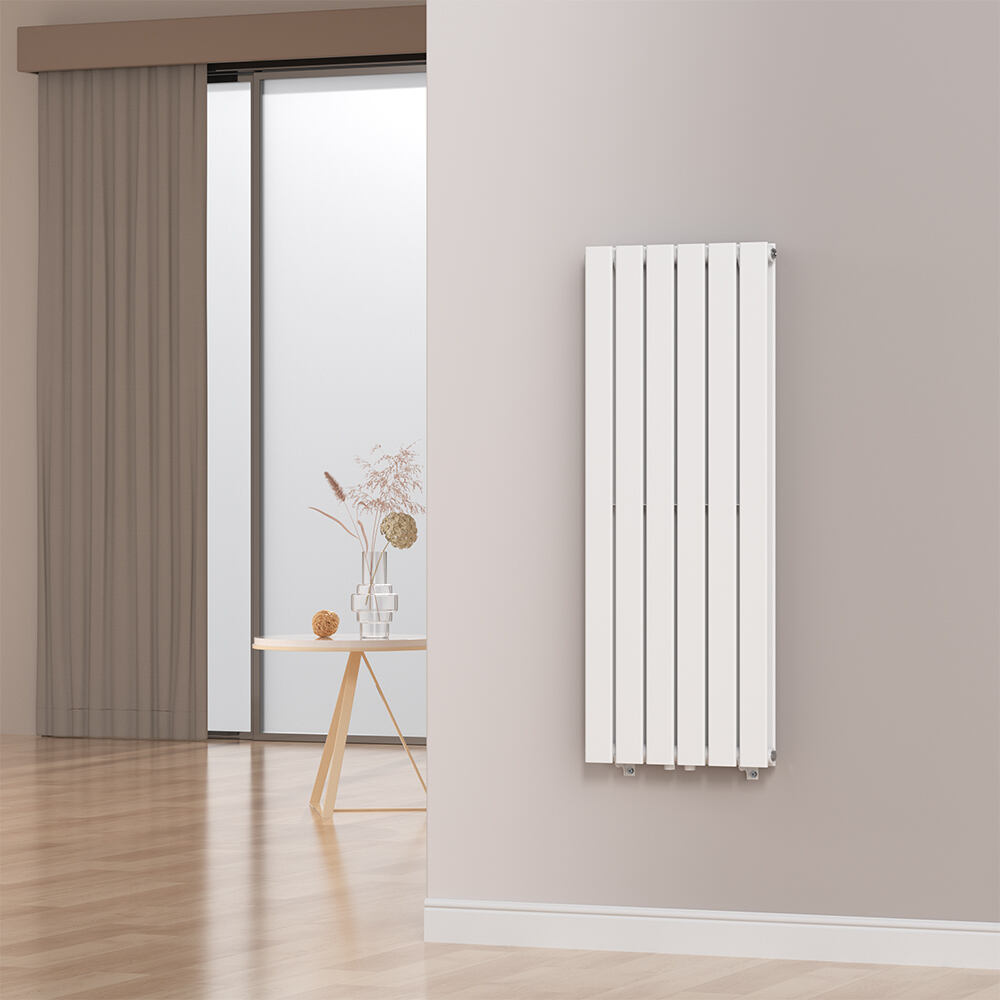
Different types of heating radiators require specific maintenance approaches. Traditional cast iron radiators are known for their durability and heat retention but need regular attention to prevent rust and corrosion. Steel panel radiators, common in modern homes, require less intensive maintenance but benefit from regular bleeding and cleaning.
Designer radiators and aluminum models often feature specialized finishes and materials that demand careful cleaning methods to preserve their appearance while maintaining optimal heat output. Understanding your specific radiator type helps determine the most appropriate maintenance schedule and techniques.
Regular Maintenance Procedures
Daily and Weekly Care Routines
Daily heating radiator maintenance involves simple yet effective practices. Keep radiators dust-free by wiping them with a soft cloth, as dust can reduce heat efficiency by up to 25%. Ensure furniture and curtains don't obstruct airflow around radiators, allowing heat to circulate effectively throughout the room.
Weekly checks should include monitoring for any unusual noises, leaks, or cold spots. Pay attention to valve operation and watch for signs of air locks, which can manifest as gurgling sounds or uneven heating. These regular observations help catch potential issues before they become serious problems.
Monthly Inspection Tasks
Monthly heating radiator maintenance should be more thorough. Check all visible connections for signs of corrosion or water stains, which might indicate developing leaks. Test thermostatic valves by turning them through their full range to prevent sticking. This is also an ideal time to check system pressure and top up if necessary.
Bleeding radiators monthly, especially during heavy use periods, ensures optimal performance. Listen for air in the system and use a bleeding key to release it, following proper bleeding procedures to maintain system balance. Regular bleeding prevents cold spots and reduces energy waste.
Seasonal Maintenance Requirements
Pre-Winter Preparation
As winter approaches, comprehensive heating radiator maintenance becomes crucial. Start by performing a complete system check in early autumn. Clean radiator surfaces thoroughly, including hard-to-reach areas between panels. Test all valves and controls to ensure smooth operation during the high-demand period ahead.
Consider professional power flushing every few years to remove sludge and debris that accumulate in the system. This preventive measure significantly improves efficiency and extends system life. Also, check insulation around pipes and consider adding reflective panels behind radiators to maximize heat distribution.
Summer Care and Storage
Summer presents an ideal opportunity for deep heating radiator maintenance. With the system inactive, thoroughly clean all radiator surfaces and inspect for any damage or wear. Check valve packings and seals, replacing any that show signs of deterioration. This is also the perfect time to address any cosmetic issues, such as touching up paint or treating surface rust.
For systems that remain inactive during summer, consider leaving valves partially open to prevent seizing. In vacant properties, maintain minimal system pressure to protect against corrosion. Document any issues noticed during the season for professional attention before winter returns.
Professional Maintenance Services
When to Call an Expert
While regular DIY heating radiator maintenance is important, certain situations require professional intervention. Persistent cold spots that don't resolve with bleeding, unusual noises that continue despite basic maintenance, or visible leaks need expert attention. Professional technicians can perform detailed diagnostics and repairs that go beyond routine maintenance.
Annual professional inspections help identify potential issues before they cause system failure. Experts can test safety features, check for proper pressure balance, and assess overall system efficiency. They may also recommend upgrades or modifications to improve performance and reduce energy consumption.
Choosing Maintenance Services
When selecting professional heating radiator maintenance services, look for qualified technicians with specific experience in your system type. Check certifications, insurance coverage, and customer reviews. Reputable services offer comprehensive maintenance packages that include both preventive care and emergency response options.
Consider establishing a regular maintenance contract with a trusted provider. This ensures consistent care and often includes priority service during peak seasons. Many providers offer digital monitoring and maintenance tracking, helping you maintain detailed service records.
Troubleshooting Common Issues
Identifying Problems Early
Early problem detection is key to effective heating radiator maintenance. Learn to recognize warning signs such as unusual noises, inconsistent heating, or changes in system pressure. Keep a maintenance log to track recurring issues and identify patterns that might indicate developing problems.
Regular performance monitoring helps establish a baseline for normal operation. This makes it easier to spot deviations that require attention. Use smart thermostats and monitoring systems when available to track efficiency and identify potential issues before they become serious.
Emergency Response Procedures
Despite careful heating radiator maintenance, emergencies can occur. Know how to safely shut off water supply to radiators and where main system controls are located. Keep basic tools and emergency contact numbers readily available. Understanding when to attempt simple fixes versus when to call professionals can prevent further damage.
Prepare an emergency maintenance kit including basic tools, spare valve parts, and absorbent materials for leak control. Document emergency procedures and share them with household members to ensure quick response when needed.
Frequently Asked Questions
How often should heating radiators be bled?
Heating radiators should be bled at least twice a year, ideally before the heating season begins and midway through winter. However, if you notice cold spots or unusual noises, additional bleeding may be necessary. Regular bleeding helps maintain system efficiency and prevent air locks from affecting performance.
What causes radiators to develop cold spots?
Cold spots in radiators typically result from trapped air, sludge buildup, or improper system balance. Air can be removed through bleeding, while sludge may require professional power flushing. Maintaining proper system pressure and regular cleaning helps prevent cold spot development.
How long should a well-maintained radiator last?
With proper heating radiator maintenance, modern systems can last 15-20 years or more. Cast iron radiators can last even longer, often exceeding 50 years with appropriate care. Regular maintenance, prompt repairs, and professional servicing significantly extend radiator lifespan and maintain efficient operation.