TRVs on Radiators: Complete Guide to Thermostatic Radiator Valves for Energy-Efficient Heating Control

Get a Free Quote

Our representative will contact you soon.
Email
Name
Company Name
Message
0/1000

trvs on radiators

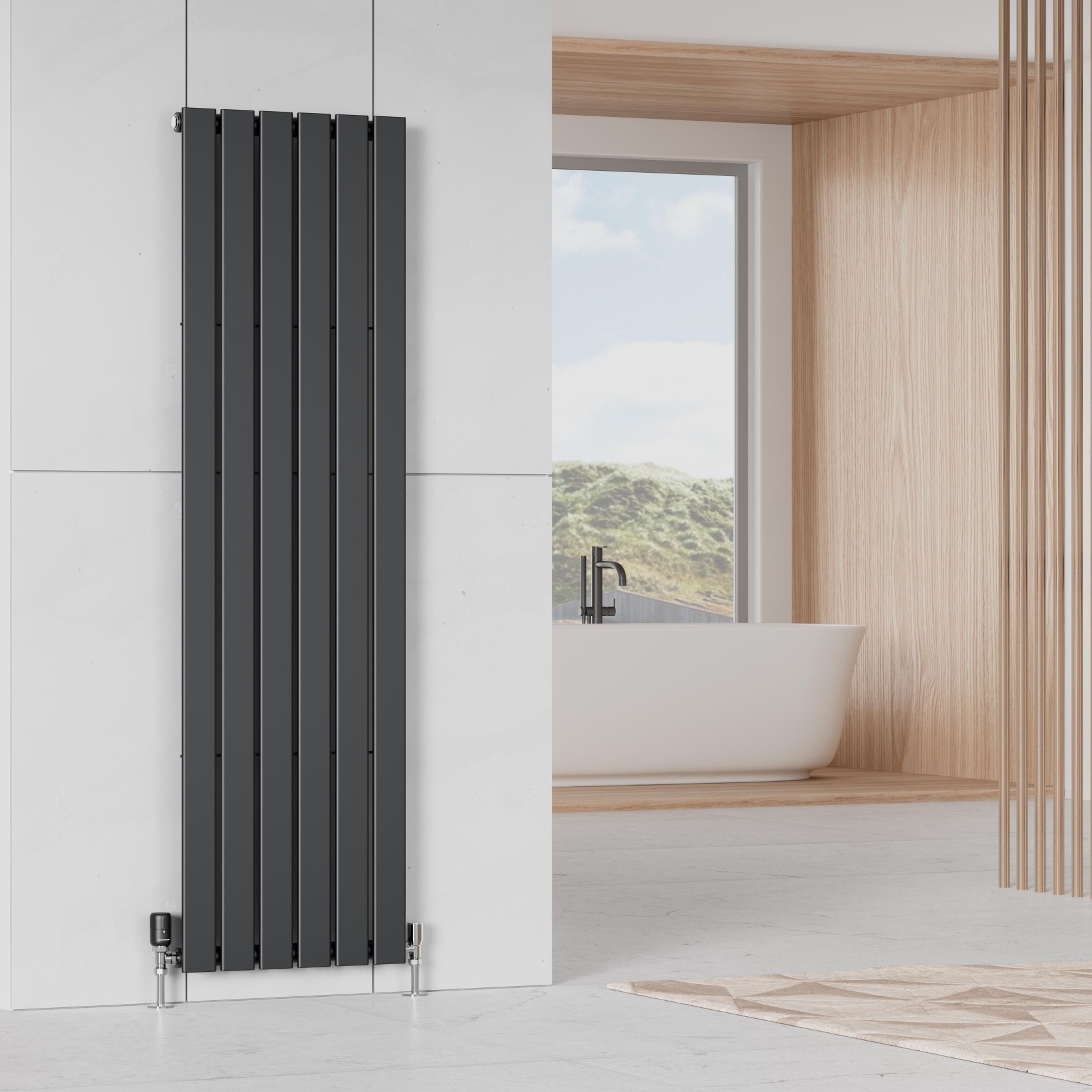
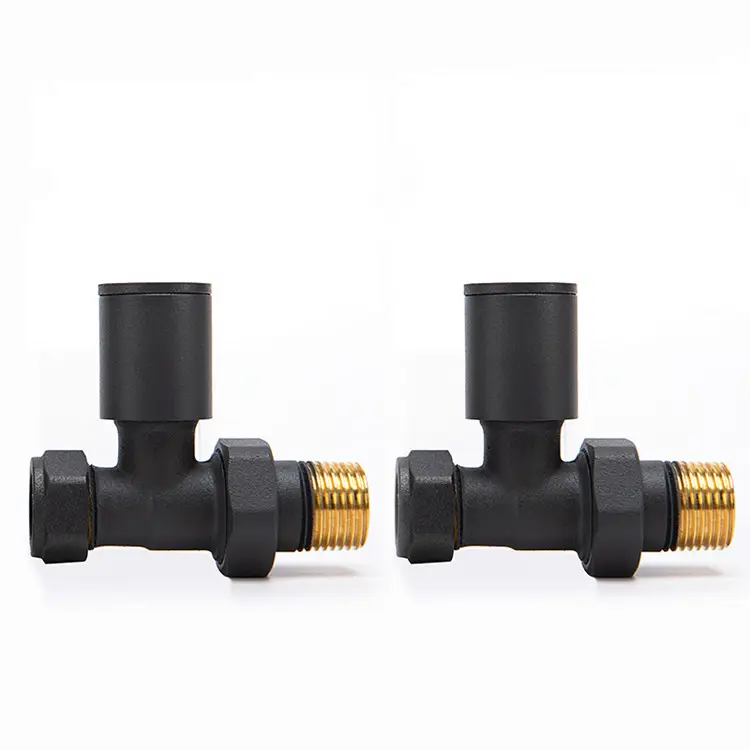
Thermostatic Radiator Valves (TRVs) on radiators represent a sophisticated heating control solution that revolutionizes how homeowners manage their indoor climate. These intelligent devices automatically regulate the flow of hot water through individual radiators, maintaining precise temperature control in each room. TRVs on radiators consist of a valve body, thermostatic head, and temperature sensor that work together to create an efficient heating system. The main function of TRVs on radiators involves monitoring ambient room temperature and adjusting water flow accordingly. When a room reaches the desired temperature, the TRV automatically reduces water circulation, preventing overheating and energy waste. This automatic regulation ensures consistent comfort levels while optimizing energy consumption throughout your home. Technologically, TRVs on radiators utilize wax-filled sensors or liquid-filled bellows that expand and contract based on temperature changes. Modern TRVs on radiators feature precision-engineered components that respond quickly to temperature fluctuations, typically within minutes of detecting changes. Advanced models incorporate bi-directional flow capabilities, allowing installation flexibility regardless of pipe configuration. Some TRVs on radiators now include smart technology integration, enabling remote control via smartphone applications. The applications for TRVs on radiators span residential, commercial, and industrial settings. In homes, these devices provide zone-based heating control, allowing different temperature preferences in bedrooms, living areas, and utility spaces. Commercial buildings benefit from TRVs on radiators through improved energy management and occupant comfort. Industrial facilities use TRVs on radiators to maintain specific temperature requirements in different operational zones. Installation of TRVs on radiators requires minimal modification to existing heating systems, making them an accessible upgrade for most properties. Professional installation ensures optimal performance and longevity of TRVs on radiators while maintaining system efficiency and safety standards.

New Product Releases

The advantages of TRVs on radiators extend far beyond simple temperature control, delivering substantial benefits that transform your heating experience and household expenses. Energy efficiency stands as the primary advantage, with TRVs on radiators reducing heating costs by up to thirty percent annually. These devices eliminate the common problem of overheating rooms, which typically occurs with traditional radiator systems lacking individual controls. By automatically adjusting heat output based on actual room requirements, TRVs on radiators prevent energy wastage and reduce carbon footprint significantly. Comfort enhancement represents another crucial advantage of TRVs on radiators, providing personalized temperature control for each living space. Different family members can set preferred temperatures in their respective rooms without affecting other areas. This flexibility proves particularly valuable in homes with varying occupancy patterns, where some rooms may require heating while others remain unused. TRVs on radiators respond rapidly to external factors like sunlight, cooking heat, or additional occupants, maintaining consistent comfort levels automatically. Cost savings accumulate quickly with TRVs on radiators, as reduced energy consumption translates directly into lower utility bills. The initial investment in TRVs on radiators typically pays for itself within two heating seasons through decreased fuel costs. Maintenance advantages of TRVs on radiators include extended boiler life and reduced system strain. By preventing overheating and maintaining optimal circulation patterns, these devices protect expensive heating equipment from excessive wear. TRVs on radiators also improve system balance, ensuring efficient heat distribution throughout the property. Installation convenience makes TRVs on radiators attractive for both new construction and retrofit applications. Most existing radiators can accommodate TRVs without extensive modifications, and the installation process typically completes within hours. Modern TRVs on radiators feature user-friendly designs that require minimal maintenance while providing decades of reliable operation. Environmental benefits of TRVs on radiators contribute to sustainability goals by reducing overall energy consumption and greenhouse gas emissions associated with heating systems.

Latest News

Why Is a Design Radiator More Than Just Heating Equipment?

25

Sep

Why Is a Design Radiator More Than Just Heating Equipment?

The Evolution of Home Heating into Artistic Expression The modern home has transformed dramatically over the decades, with functionality seamlessly blending with aesthetics in every corner. Among these evolutionary changes, the design radiator stands...
View More
What Is the Difference Between a Heated Towel Rail and Radiator?

03

Nov

What Is the Difference Between a Heated Towel Rail and Radiator?

Understanding Home Heating Solutions: Towel Rails vs Radiators When it comes to keeping your bathroom warm and your towels cozy, you might find yourself wondering about the best heating solution. The distinction between a heated towel rail and radiat...
View More
What Problems Can a Boiler Magnetic Filter Help Prevent?

31

Oct

What Problems Can a Boiler Magnetic Filter Help Prevent?

Understanding the Power of Magnetic Filtration in Home Heating Systems Home heating systems are essential for maintaining comfort throughout the year, and their optimal performance relies heavily on clean, efficient operation. A boiler magnetic filte...
View More
Heating Radiator Placement: What Should You Consider?

25

Nov

Heating Radiator Placement: What Should You Consider?

Proper heating radiator placement forms the foundation of an efficient and comfortable home heating system. The strategic positioning of radiators directly impacts heat distribution, energy consumption, and overall room comfort levels. Understanding ...
View More

Get a Free Quote

Our representative will contact you soon.
Email
Name
Company Name
Message
0/1000

trvs on radiators

Precision Temperature Control Technology

Precision Temperature Control Technology

The precision temperature control technology in TRVs on radiators represents a breakthrough in residential heating management, delivering unparalleled accuracy and responsiveness that transforms how homeowners experience comfort. This sophisticated technology employs thermostatic elements that detect minute temperature variations, typically within half-degree increments, ensuring your living spaces maintain exactly the climate you desire. The heart of this precision lies in the advanced sensor mechanisms found in modern TRVs on radiators, which utilize either wax-filled capsules or liquid-filled bellows that expand and contract with remarkable sensitivity to temperature changes. When ambient temperature rises above your preset level, the thermostatic element in TRVs on radiators expands, gradually closing the valve to reduce hot water flow through the radiator. Conversely, as room temperature drops, the element contracts, opening the valve to increase heat output automatically. This continuous adjustment process occurs seamlessly without any manual intervention, creating a perfectly balanced indoor environment. The precision control offered by TRVs on radiators eliminates the frustrating temperature swings common with traditional heating systems, where rooms often become uncomfortably hot before the central thermostat registers the change. Professional-grade TRVs on radiators feature calibrated temperature scales that allow precise setting adjustments, typically ranging from frost protection settings around seven degrees Celsius to maximum comfort levels of twenty-eight degrees Celsius. This wide adjustment range accommodates diverse preferences and seasonal requirements, making TRVs on radiators suitable for year-round climate control. Advanced models of TRVs on radiators incorporate anti-cycling technology that prevents rapid on-off switching, which can cause temperature fluctuations and reduce component lifespan. The precision technology in TRVs on radiators also accounts for thermal lag, anticipating temperature changes before they become noticeable to occupants. This predictive capability ensures consistent comfort levels while maximizing energy efficiency through optimal timing of heating adjustments.
Smart Integration and Remote Control Capabilities

Smart Integration and Remote Control Capabilities

Smart integration and remote control capabilities in modern TRVs on radiators revolutionize heating management by bringing intelligent automation and convenient control to your fingertips. These advanced TRVs on radiators connect seamlessly with home automation systems, smart thermostats, and mobile applications, creating a comprehensive heating control ecosystem that adapts to your lifestyle and preferences. Through wireless connectivity protocols such as Zigbee, Z-Wave, or WiFi, smart TRVs on radiators communicate with central control hubs, enabling coordinated heating strategies across your entire home. The remote control functionality of smart TRVs on radiators allows homeowners to adjust temperatures from anywhere in the world using smartphone applications, ensuring optimal comfort upon arrival while preventing energy waste during absences. Advanced scheduling features in smart TRVs on radiators enable automatic temperature adjustments based on daily routines, occupancy patterns, and seasonal preferences. These intelligent systems learn from your behavior patterns, gradually optimizing heating schedules to match your lifestyle while maximizing energy efficiency. Geofencing technology integrated into smart TRVs on radiators detects when residents leave or approach their homes, automatically adjusting temperatures to save energy during absences and restore comfort before arrival. The data analytics capabilities of smart TRVs on radiators provide detailed insights into heating patterns, energy consumption, and system performance through comprehensive reporting dashboards. This information empowers homeowners to make informed decisions about their heating habits and identify opportunities for additional energy savings. Smart TRVs on radiators can integrate with weather forecasting services, preemptively adjusting heating output based on predicted outdoor temperatures and solar gain conditions. Voice control compatibility allows smart TRVs on radiators to respond to commands from popular virtual assistants, enabling hands-free temperature adjustments while maintaining focus on other activities. The diagnostic capabilities of smart TRVs on radiators include system monitoring, maintenance alerts, and performance optimization recommendations, helping prevent issues before they affect comfort or efficiency. Multi-zone coordination features in smart TRVs on radiators enable intelligent load balancing, ensuring optimal boiler operation while maintaining individual room preferences throughout the property.
Energy Efficiency and Cost Reduction Benefits

Energy Efficiency and Cost Reduction Benefits

Energy efficiency and cost reduction benefits of TRVs on radiators deliver substantial financial savings while contributing to environmental sustainability through intelligent heating optimization. The remarkable efficiency gains achieved by TRVs on radiators stem from their ability to eliminate overheating in unused or adequately warmed spaces, which represents the primary source of energy waste in traditional heating systems. By automatically regulating heat output at the room level, TRVs on radiators ensure that energy consumption matches actual heating requirements rather than operating at maximum capacity regardless of demand. Studies demonstrate that properly installed TRVs on radiators can reduce heating energy consumption by twenty-five to thirty-five percent compared to systems without individual room controls. This significant reduction translates directly into lower fuel bills, with many homeowners recovering their initial investment in TRVs on radiators within eighteen to twenty-four months through accumulated savings. The cost-effectiveness of TRVs on radiators becomes even more pronounced in larger homes with multiple zones, where the potential for energy waste increases substantially without proper controls. TRVs on radiators optimize boiler operation by reducing overall system demand, allowing heating equipment to operate more efficiently and extending equipment lifespan through reduced cycling and stress. The load balancing provided by TRVs on radiators ensures that your boiler operates within its most efficient range more consistently, maximizing fuel utilization and minimizing standby losses. Seasonal adjustments facilitated by TRVs on radiators enable fine-tuning of heating output during mild weather conditions, preventing unnecessary fuel consumption while maintaining comfortable temperatures. The economic benefits of TRVs on radiators extend beyond direct fuel savings to include reduced maintenance costs and extended equipment life through optimized system operation. Peak demand reduction achieved by TRVs on radiators can lower heating system sizing requirements in new construction, reducing initial capital investment in boilers and distribution equipment. Environmental benefits of TRVs on radiators include decreased carbon emissions and reduced demand for fossil fuels, supporting sustainability goals while achieving personal financial savings. The cumulative effect of widespread TRV adoption on radiators contributes to national energy conservation objectives and grid stability during peak heating seasons.

Get a Free Quote

Our representative will contact you soon.
Email
Name
Company Name
Message
0/1000