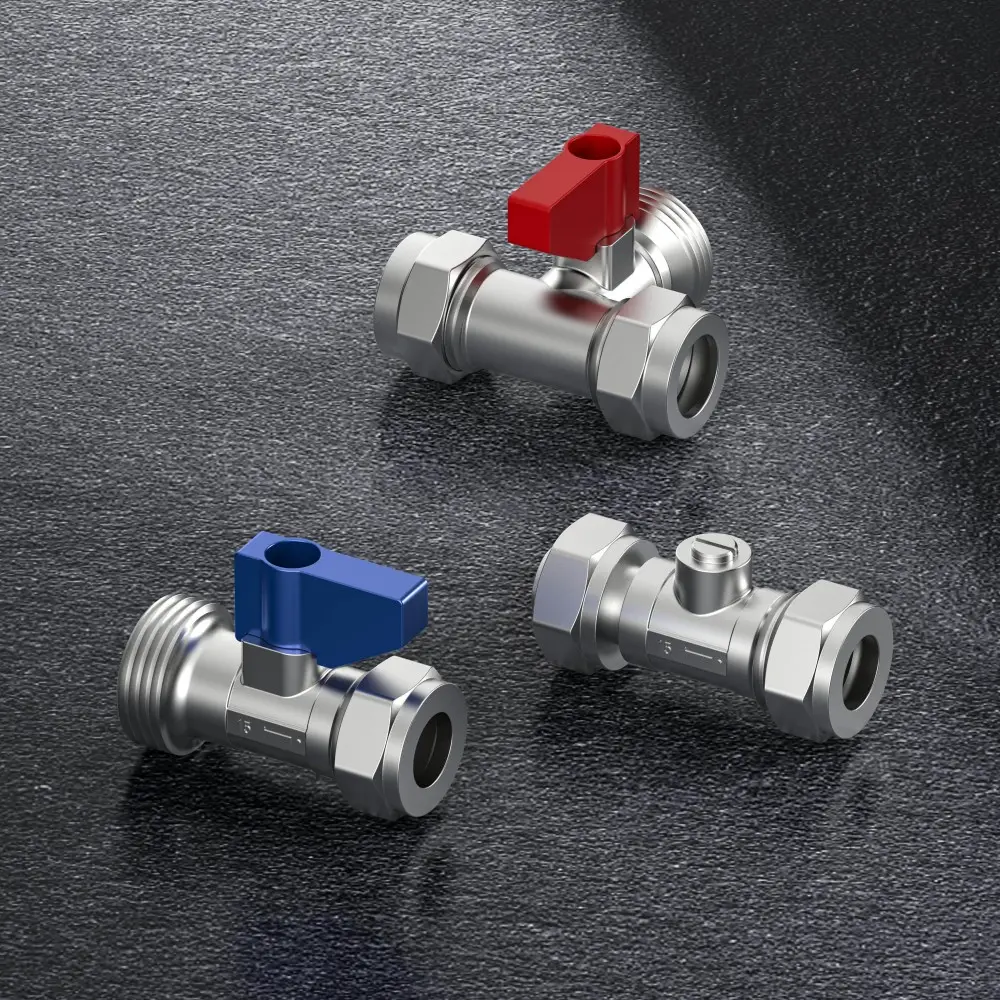
Easy Installation and Maintenance Benefits
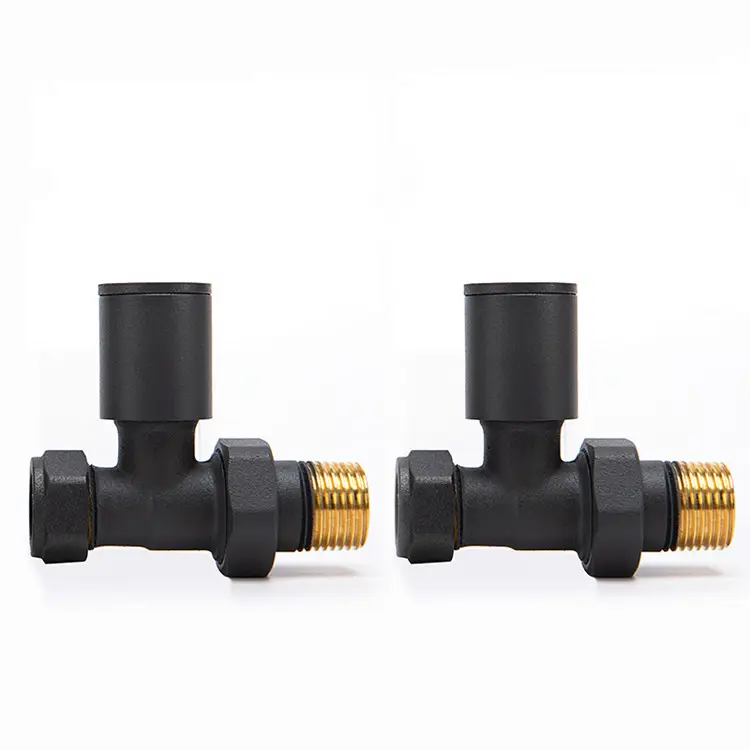
The thermostatic radiator valve offers remarkable installation simplicity and minimal maintenance requirements that make it an attractive heating control solution for both new construction and retrofit projects. The straightforward installation process typically requires only basic plumbing tools and can often be completed without professional assistance, reducing implementation costs while maintaining system reliability. Most thermostatic radiator valve units feature standard threaded connections that directly replace existing manual radiator valves without modifications to pipework or radiator mounting. The installation procedure involves shutting off heating system flow, draining the specific radiator, removing the old valve, and threading the new thermostatic radiator valve into position using appropriate sealing compounds. This process usually takes 15-30 minutes per valve and can be scheduled during regular maintenance periods to minimize system downtime. The thermostatic radiator valve design accommodates various pipe configurations including straight, angled, and corner installations, providing flexibility for different radiator positions and room layouts. Quality thermostatic radiator valve products include detailed installation instructions and necessary hardware components, eliminating the need for additional parts sourcing or complex assembly procedures. The maintenance advantages of thermostatic radiator valve systems stem from their mechanical operation principles that require no electrical connections, batteries, or electronic components that might fail over time. Regular maintenance consists primarily of annual inspection for proper operation and occasional cleaning of the thermostatic element to ensure accurate temperature sensing. The robust construction materials used in professional thermostatic radiator valve manufacturing, including brass bodies and stainless steel components, provide exceptional durability and corrosion resistance for long-term reliable service. Unlike electronic heating controls that may require periodic calibration or software updates, the thermostatic radiator valve maintains accuracy through mechanical principles that remain stable throughout the product lifecycle. The self-cleaning action of the internal valve mechanism prevents debris accumulation that might affect performance, while the external temperature setting knob requires no special maintenance beyond periodic cleaning. Professional thermostatic radiator valve models often include removable thermostatic heads that facilitate servicing without disturbing water connections, enabling quick repairs or adjustments when necessary. The standardized design of quality thermostatic radiator valve products ensures replacement parts availability and compatibility across different manufacturers, providing long-term serviceability and investment protection.

 EN
EN