thermostatic radiator valve manufacturer
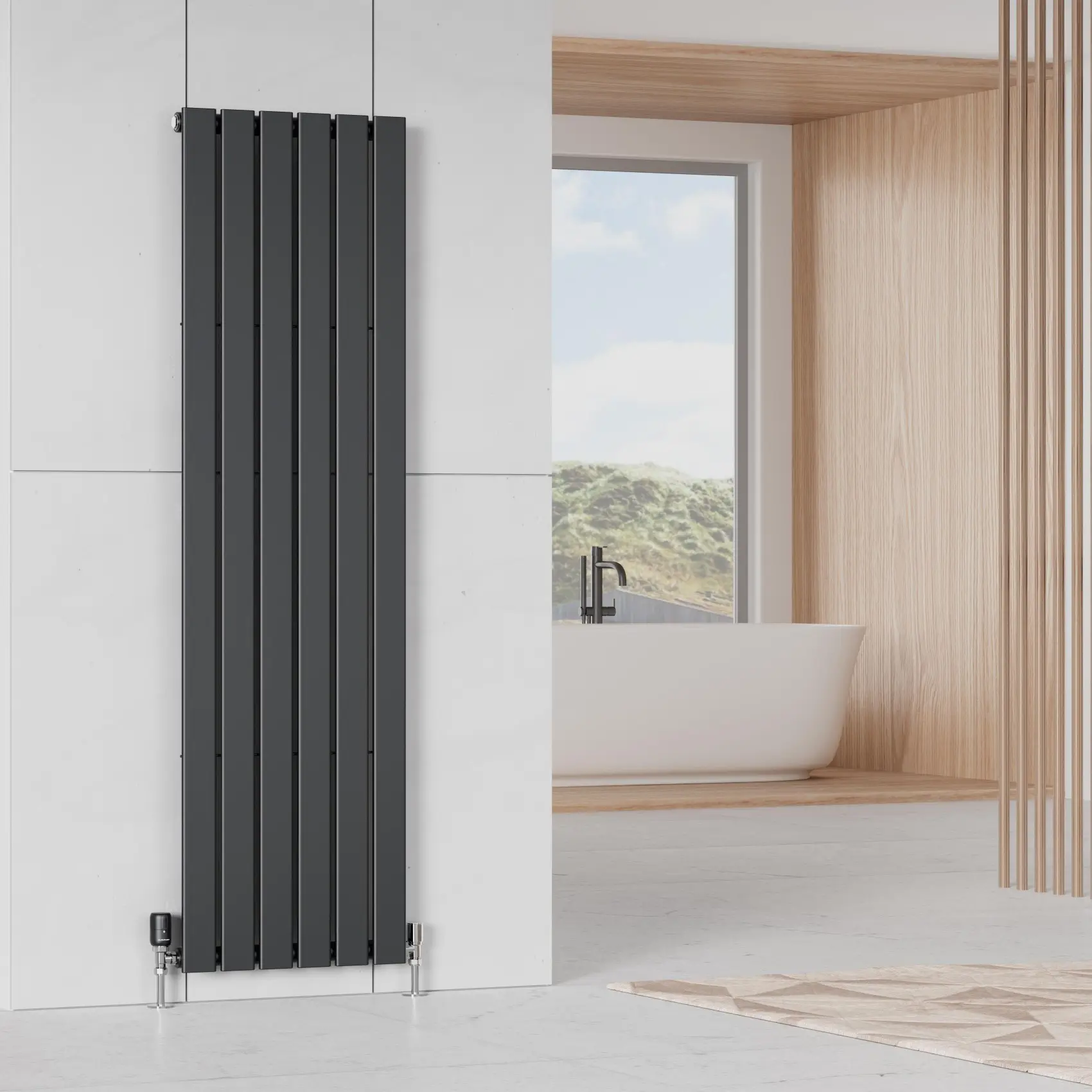
A thermostatic radiator valve manufacturer specializes in producing advanced heating control systems that automatically regulate water flow through radiators based on ambient room temperature. These manufacturers focus on creating precision-engineered valves that combine thermal sensors, mechanical components, and flow control mechanisms to maintain optimal comfort levels in residential and commercial buildings. The primary function of products from a thermostatic radiator valve manufacturer involves temperature sensing through wax-filled thermal elements or liquid-filled sensors that expand and contract based on surrounding air temperature. This expansion controls a valve mechanism that adjusts hot water flow through individual radiators, ensuring each room maintains its desired temperature setting. Modern thermostatic radiator valve manufacturers incorporate sophisticated technologies including anti-freeze protection, tamper-resistant designs, and quick-response thermal elements that react within minutes to temperature changes. These devices typically feature adjustment ranges from 6°C to 28°C, allowing precise climate control for different room requirements. Applications span across residential homes, office buildings, hospitals, schools, and industrial facilities where zone-based heating control proves essential for energy efficiency and occupant comfort. Leading thermostatic radiator valve manufacturers design products with brass or stainless steel bodies for durability, while incorporating PTFE seals and O-rings for leak-proof operation. Many manufacturers now produce smart-enabled versions that integrate with building management systems and mobile applications, enabling remote monitoring and control capabilities. The manufacturing process involves precision machining, quality testing under various pressure and temperature conditions, and compliance with international standards such as EN 215 and ANSI requirements. Professional thermostatic radiator valve manufacturers maintain extensive research and development programs to improve response times, enhance durability, and integrate emerging technologies like wireless connectivity and artificial intelligence for predictive heating control systems that optimize energy consumption while maintaining superior comfort levels.

 EN
EN