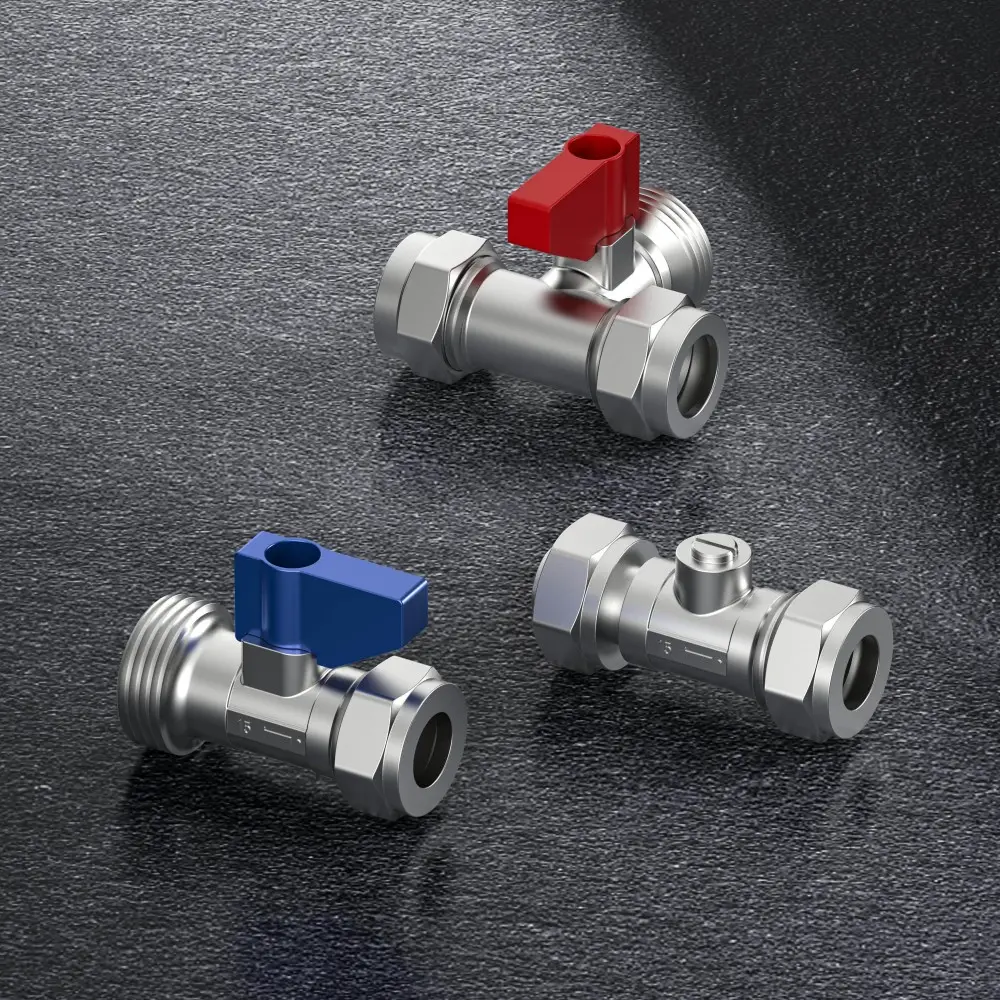
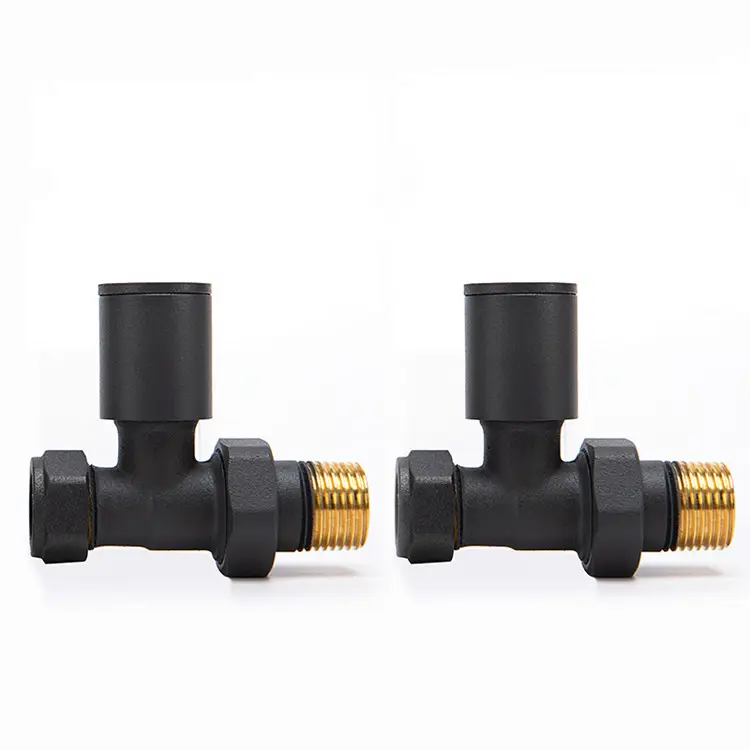
thermostatic rad valves
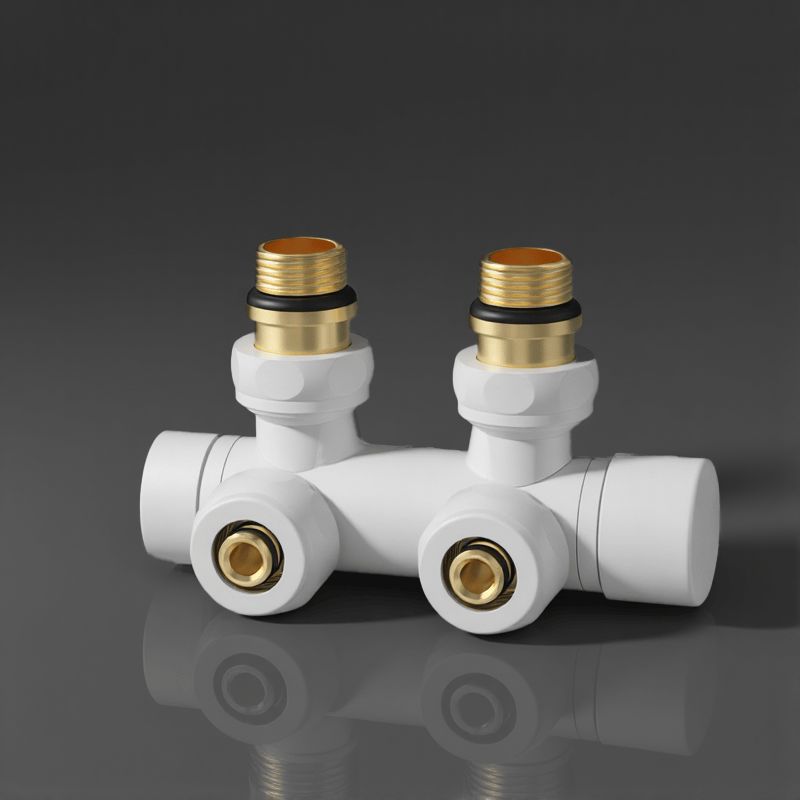
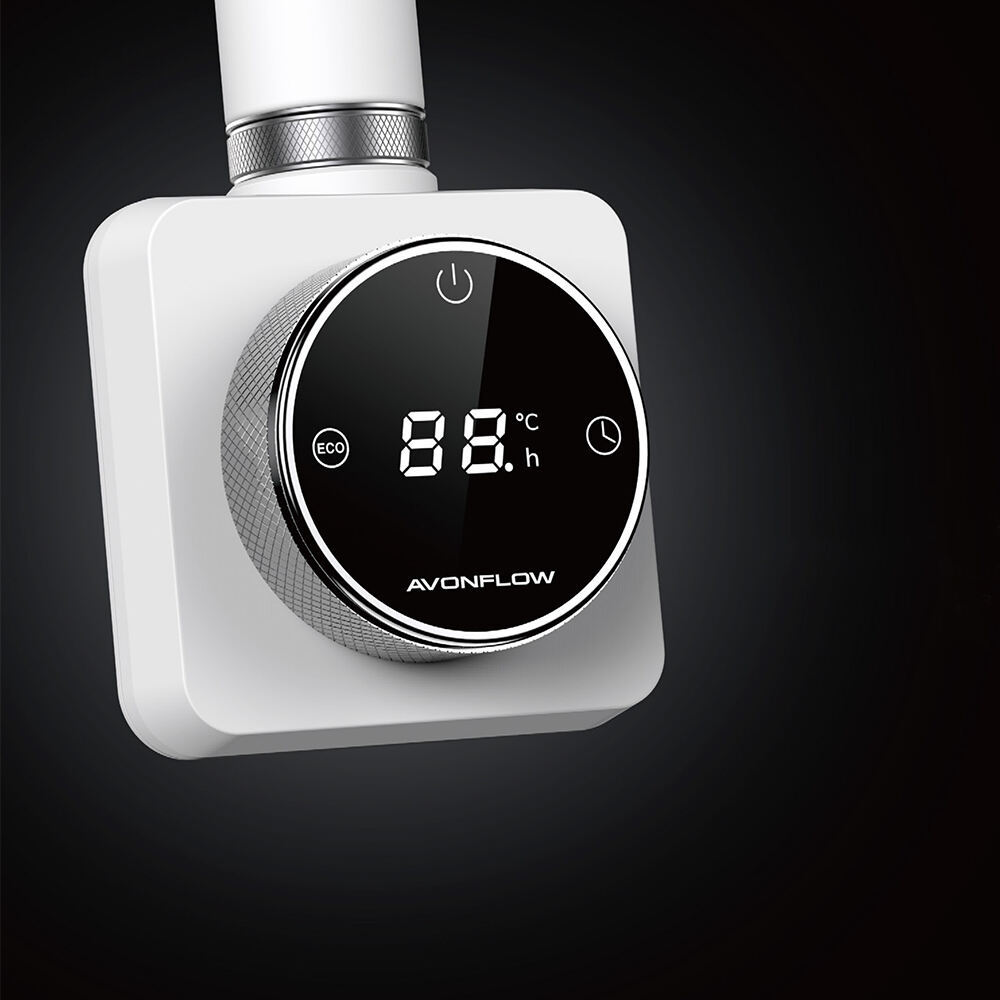
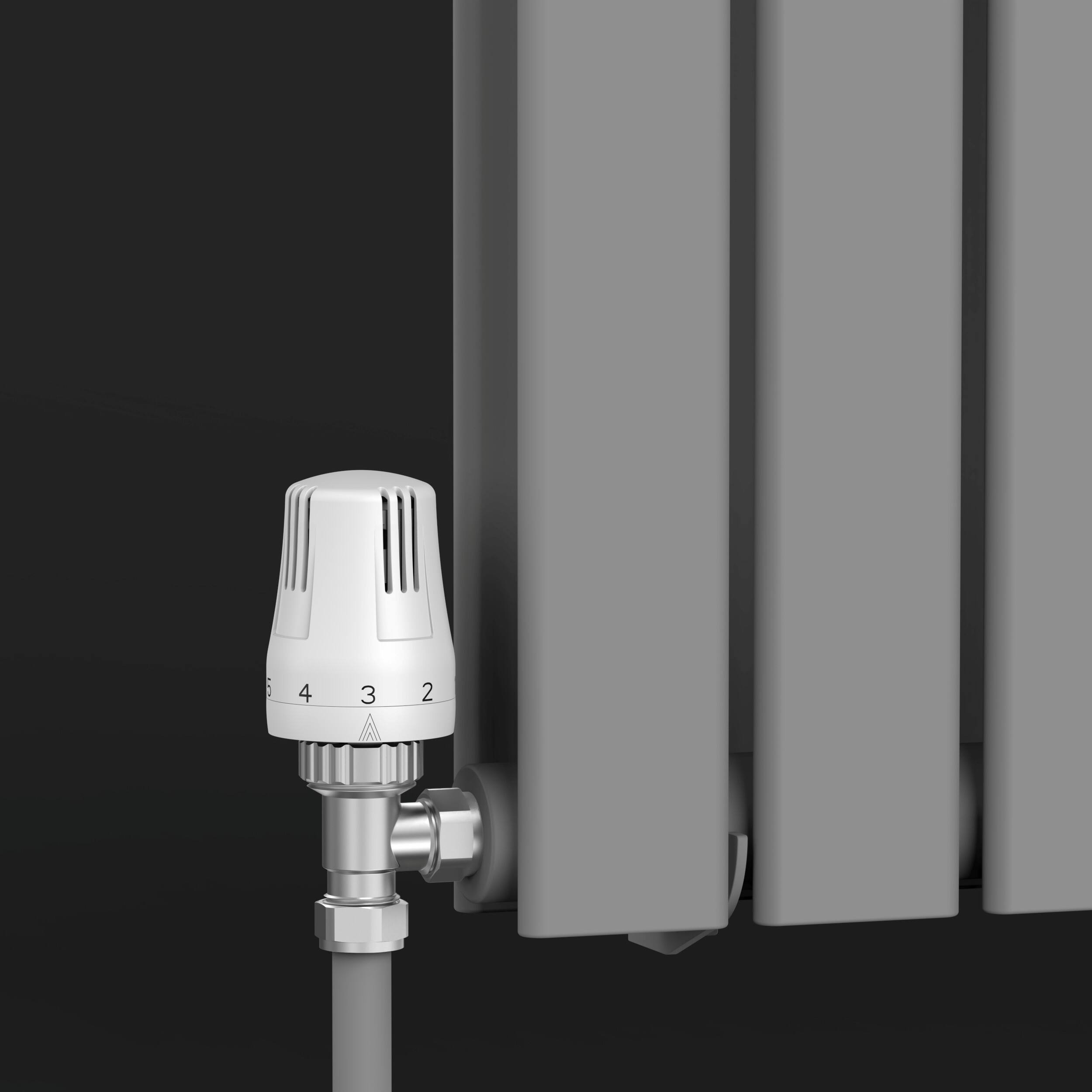
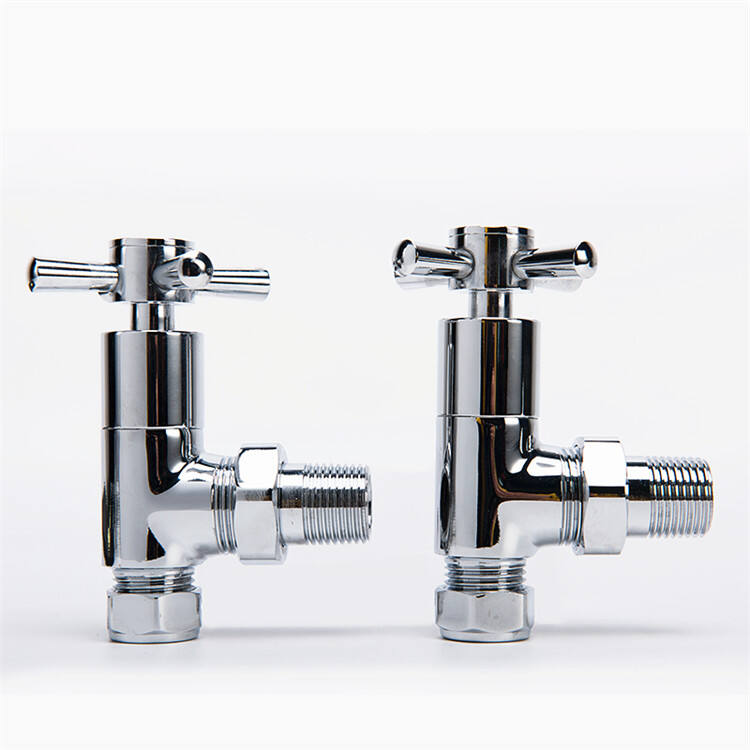
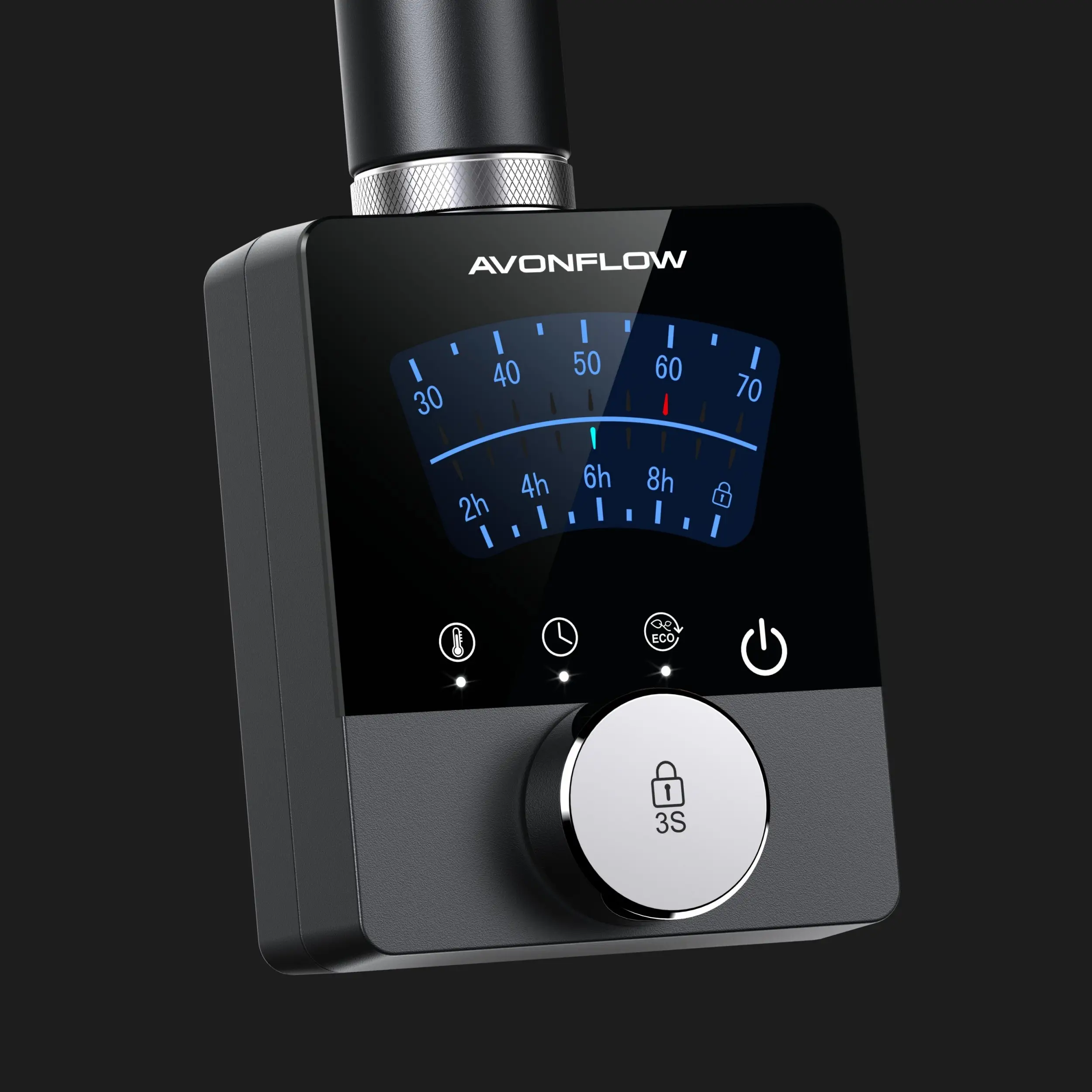
Thermostatic rad valves represent a revolutionary advancement in heating control technology, designed to automatically regulate the flow of hot water through individual radiators in heating systems. These sophisticated devices combine precision engineering with intelligent temperature sensing to maintain optimal room temperatures while maximizing energy efficiency. The primary function of thermostatic rad valves involves monitoring ambient room temperature through an integrated sensor mechanism and automatically adjusting the valve opening to control hot water flow accordingly. When room temperature rises above the desired setpoint, the thermostatic element expands and gradually closes the valve, reducing hot water flow to prevent overheating. Conversely, when temperatures drop below the target level, the element contracts and opens the valve wider, allowing increased hot water circulation to restore comfortable conditions. The technological foundation of thermostatic rad valves centers around a temperature-sensitive actuator, typically containing a wax-filled bulb or liquid-filled sensor that responds precisely to thermal changes. This actuator connects to a valve mechanism that modulates water flow through calibrated movements, ensuring smooth and accurate temperature control. Modern thermostatic rad valves incorporate advanced materials and manufacturing techniques to deliver exceptional reliability and longevity, with many units featuring corrosion-resistant brass bodies, durable sealing components, and precision-machined valve seats. The applications for thermostatic rad valves span residential, commercial, and industrial heating installations, making them suitable for apartments, houses, offices, hospitals, schools, and manufacturing facilities. These versatile devices integrate seamlessly with various heating system types, including conventional boiler systems, heat pump installations, and district heating networks. The installation process accommodates both new construction projects and retrofit applications, allowing property owners to upgrade existing heating systems with minimal disruption. Thermostatic rad valves support sustainable building practices by enabling zone-based temperature control, reducing overall energy consumption, and improving occupant comfort through personalized heating management in different rooms and areas.

 EN
EN