
 EN
EN



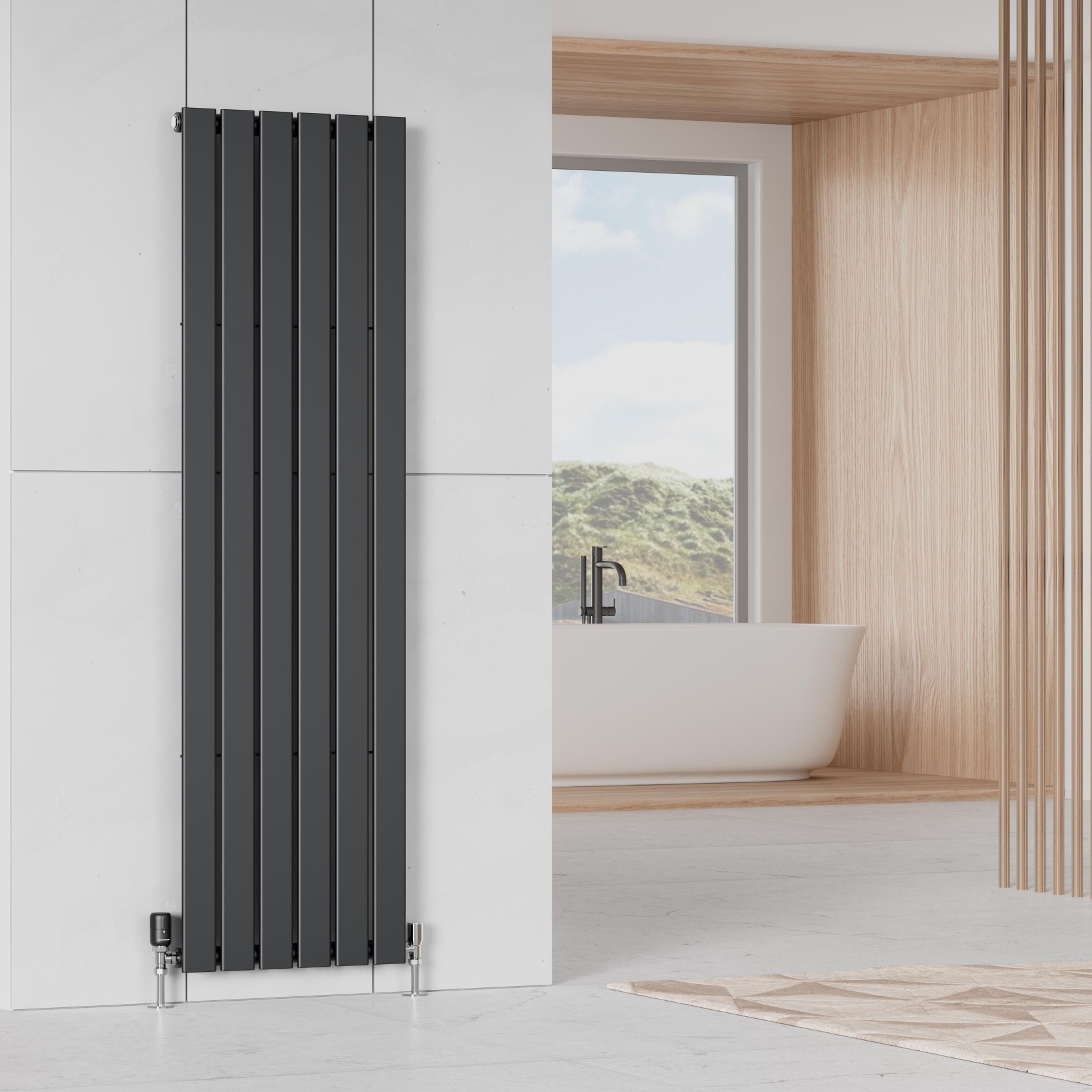
Proper heating radiator placement forms the foundation of an efficient and comfortable home heating system. The strategic positioning of radiators directly impacts heat distribution, energy consumption, and overall room comfort levels. Understanding the key factors that influence radiator placement decisions enables homeowners and heating professionals to optimize thermal performance while minimizing operational costs. From architectural constraints to airflow patterns, numerous variables must be carefully evaluated to achieve optimal heating results.
Fundamental Principles of Radiator Positioning
Heat Distribution Dynamics
Effective heat distribution relies on natural convection currents that circulate warm air throughout living spaces. Radiators generate these currents by heating air in their immediate vicinity, causing it to rise and creating a continuous circulation pattern. The positioning of heating units must facilitate this natural airflow process to ensure even temperature distribution across entire rooms. Poor placement can result in hot spots near radiators and cold zones in distant areas, leading to discomfort and inefficient energy usage.
Room geometry significantly influences how heat circulates from radiator locations. High ceilings, open floor plans, and architectural features like alcoves or bay windows create unique airflow patterns that affect heating efficiency. Professional heating engineers analyze these spatial characteristics to determine optimal radiator positions that work with natural air movement rather than against it. This scientific approach to placement maximizes thermal comfort while reducing energy waste through improved circulation dynamics.
Thermal Efficiency Considerations
Maximizing thermal efficiency requires careful consideration of heat loss patterns within residential and commercial spaces. External walls, windows, and doors represent primary sources of heat loss that must be addressed through strategic radiator positioning. Placing heating units near these high-loss areas helps counteract cold air infiltration and maintains comfortable interior temperatures with less energy consumption. This approach proves particularly effective in older buildings with less insulation where heat loss occurs more readily.
The relationship between radiator output and room volume determines appropriate sizing and placement strategies. Undersized radiators placed incorrectly cannot adequately heat large spaces, while oversized units in small rooms may create uncomfortable temperature fluctuations. Professional heating assessments calculate precise heat load requirements for each room, ensuring that radiator capacity matches thermal demands when properly positioned throughout the living space.
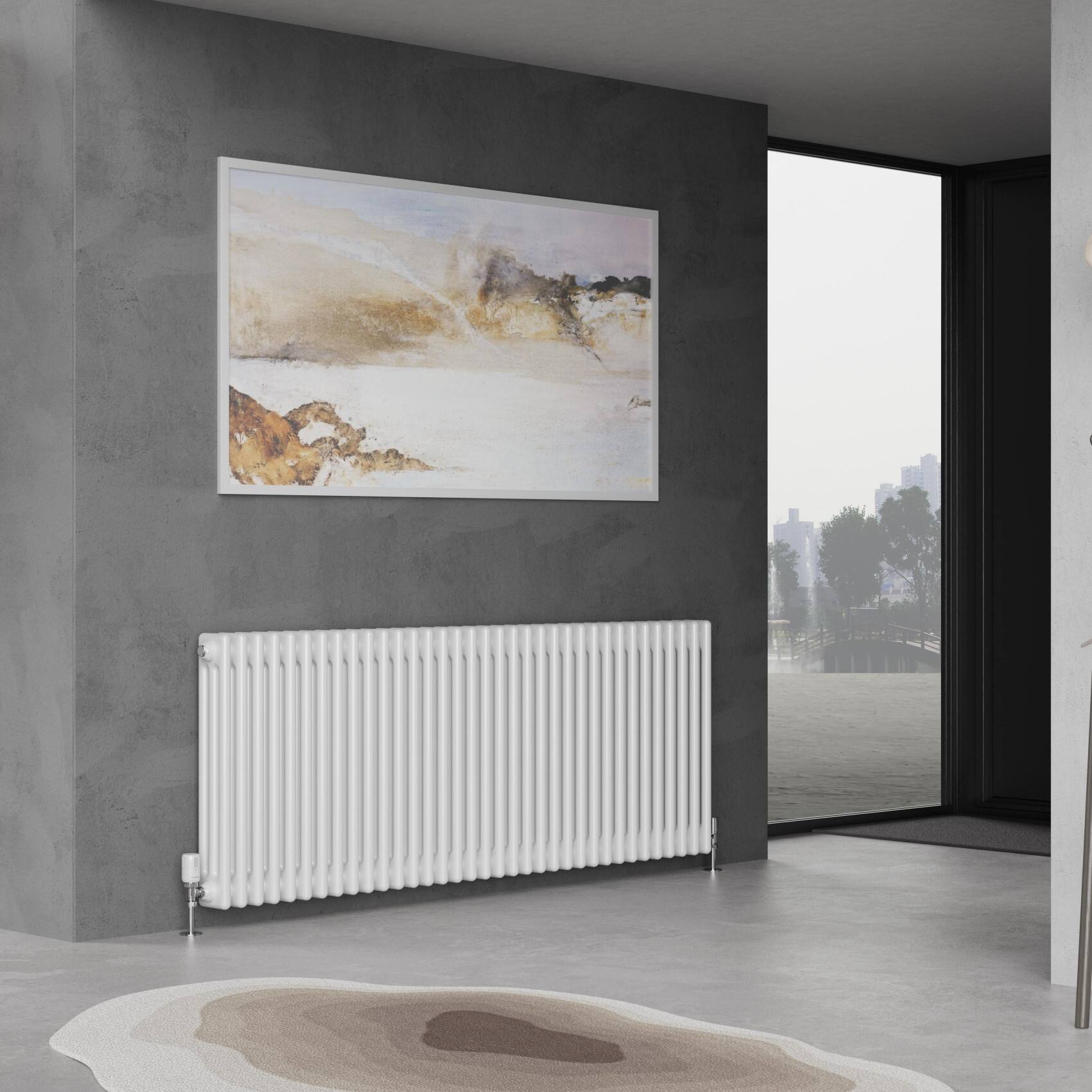
Strategic Location Selection Factors
Window and Wall Positioning
Windows represent significant sources of heat loss and cold air infiltration that directly impact heating radiator placement strategies. Positioning radiators beneath or adjacent to windows helps create thermal barriers that counteract cold air downdrafts and maintain consistent room temperatures. This traditional placement approach has proven effective for decades, though modern energy-efficient windows may reduce the necessity for this specific positioning in newer construction projects.
Wall selection plays a crucial role in determining radiator effectiveness and room aesthetics. Internal walls typically provide better heat retention than external walls, though external wall placement may be necessary to address specific heat loss issues. The thermal mass of different wall materials affects how quickly heat dissipates from radiator locations, influencing overall system efficiency and comfort levels throughout occupied spaces.
Furniture and Obstruction Management
Furniture placement around radiators significantly impacts heating performance and should be carefully planned during system design phases. Large furniture pieces like sofas, bookcases, or entertainment centers can block natural convection currents and reduce radiator effectiveness. Maintaining adequate clearance distances ensures proper airflow while allowing furniture arrangements that meet functional and aesthetic requirements of modern living spaces.
Curtains, blinds, and window treatments require special consideration when planning radiator locations near windows. Heavy curtains that extend to radiator level can trap warm air and prevent proper circulation throughout rooms. Professional designers recommend maintaining gaps between window treatments and heating units or selecting shorter curtain lengths that allow unobstructed air movement while preserving privacy and light control functions.
Technical Installation Requirements
Plumbing and Infrastructure Considerations
Existing plumbing infrastructure often dictates practical limitations for heating radiator placement in retrofit applications. Extending heating circuits to optimal positions may require significant modifications to existing pipe runs, increasing installation costs and complexity. Experienced heating contractors evaluate infrastructure constraints alongside thermal requirements to develop practical solutions that balance performance optimization with budget considerations and minimal disruption to occupied spaces.
New construction projects offer greater flexibility for optimal radiator positioning since plumbing routes can be planned around heating requirements rather than existing constraints. This opportunity allows heating designers to prioritize thermal performance and aesthetic integration when determining radiator locations. Coordination between heating engineers, architects, and interior designers during planning phases ensures that infrastructure supports optimal heating performance throughout building lifecycles.
Electrical and Control Integration
Modern heating systems increasingly incorporate electronic controls and smart thermostats that require electrical connections at radiator locations. These control systems enable zone-based heating management and energy optimization through automated temperature regulation. Planning electrical infrastructure alongside heating placement ensures that advanced control features can be fully utilized without compromising aesthetic appeal or functional room layouts.
Thermostatic radiator valves and smart heating controls require accessible mounting locations that allow user interaction while maintaining proper sensor positioning. These devices must be placed away from direct heat sources and air currents that could affect temperature readings and system performance. Professional installers coordinate control placement with radiator positioning to optimize both heating efficiency and user convenience throughout daily operation cycles.
Energy Efficiency Optimization
Insulation and Building Performance
Building insulation levels significantly influence optimal heating radiator placement strategies and sizing requirements throughout residential and commercial applications. Well-insulated structures require smaller heating units and offer greater flexibility in positioning since heat loss patterns are more predictable and manageable. Conversely, poorly insulated buildings may require larger radiators positioned specifically to address major heat loss sources like uninsulated walls or single-pane windows.
Thermal bridging through structural elements creates localized cold spots that may require targeted heating solutions through strategic radiator positioning. Professional energy audits identify these thermal weak points and recommend heating strategies that address specific building performance issues. This analytical approach ensures that heating systems work efficiently with existing building characteristics while identifying opportunities for complementary insulation improvements.
Seasonal Performance Variations
Seasonal weather patterns affect heating system performance and may influence optimal radiator positioning for year-round comfort and efficiency. Winter conditions typically require full heating capacity to maintain comfortable interior temperatures, while transitional seasons may benefit from more localized heating in frequently occupied areas. Understanding these seasonal variations helps optimize heating radiator placement for both peak demand periods and moderate weather conditions throughout annual cycles.
Solar heat gain through windows can supplement radiator heating during sunny winter days, potentially creating overheating issues if heating systems are not properly balanced. Radiator positioning must account for these natural heat sources to prevent uncomfortable temperature swings and unnecessary energy consumption. Professional heating designers integrate solar considerations with mechanical heating requirements to create balanced systems that work efficiently throughout varying weather conditions.
Common Placement Mistakes and Solutions
Inadequate Clearance Issues
Insufficient clearance around radiators represents one of the most common placement errors that significantly reduces heating efficiency and creates maintenance challenges. Radiators require adequate space for proper air circulation, cleaning access, and potential future servicing needs. Professional installation standards specify minimum clearance requirements that ensure optimal performance while accommodating practical maintenance considerations throughout system lifecycles.
Decorative covers and enclosures can severely restrict airflow around radiators if not properly designed with heating performance in mind. While these aesthetic solutions address visual concerns, poorly designed covers may reduce heating output by significant percentages. Modern radiator cover designs incorporate adequate ventilation openings and heat-resistant materials that maintain heating efficiency while providing desired aesthetic improvements to interior spaces.
Oversizing and Undersizing Problems
Incorrect radiator sizing for specific room requirements often stems from inadequate heat load calculations that fail to account for actual thermal demands and optimal placement strategies. Oversized radiators in small spaces can create uncomfortable temperature swings and inefficient cycling, while undersized units cannot adequately heat spaces regardless of optimal positioning. Professional heating assessments ensure proper sizing matches room requirements and placement capabilities.
Multiple smaller radiators may provide better heat distribution than single large units in certain room configurations, particularly in open-plan spaces or rooms with complex geometries. This distributed heating approach allows for more even temperature control and greater flexibility in furniture arrangements. Heating professionals evaluate room characteristics to determine whether single or multiple radiator installations provide optimal comfort and efficiency outcomes.
FAQ
What is the ideal distance between radiators and furniture
Professional heating standards recommend maintaining at least 6 inches of clearance between radiators and furniture to ensure proper air circulation and heating efficiency. This distance prevents furniture from blocking natural convection currents while protecting upholstery from excessive heat exposure that could cause damage or fading over time.
Can radiators be placed on internal walls instead of external walls
Internal wall placement can be effective for radiators in well-insulated buildings where heat loss through external walls is minimal. However, external wall placement remains preferable in older buildings or spaces with significant heat loss issues, as it helps counteract cold air infiltration and maintains more comfortable temperature distribution throughout rooms.
How does ceiling height affect radiator placement decisions
High ceilings require careful consideration of heat stratification and air circulation patterns when determining radiator positions. Rooms with ceilings above 10 feet may benefit from multiple radiator locations or supplemental circulation fans to prevent heat accumulation near ceilings while maintaining comfortable temperatures in occupied zones near floor levels.
Should radiators be placed under every window in a room
Window radiator placement depends on specific heat loss characteristics and room layout requirements rather than following a universal rule. Energy-efficient windows may not require radiator placement underneath, while single-pane or poorly sealed windows typically benefit from nearby heating sources to counteract cold air downdrafts and maintain comfort levels.