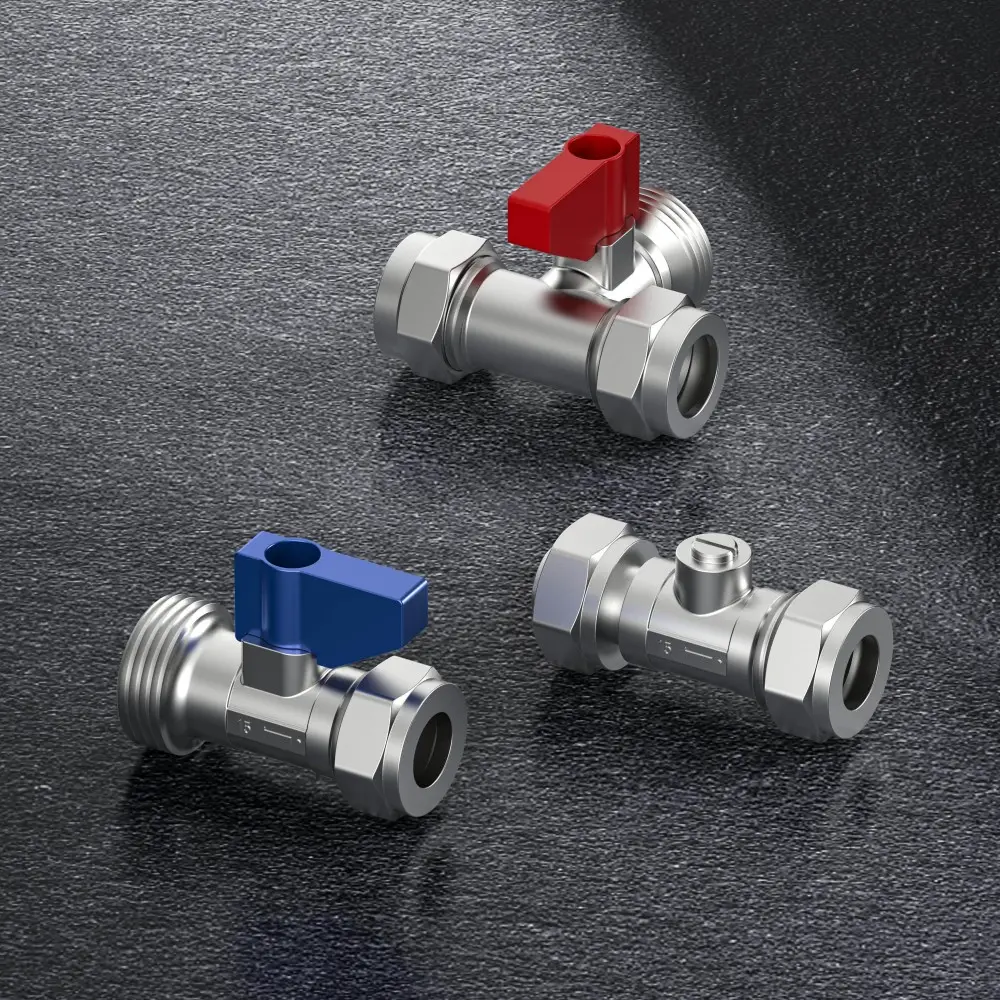
heating radiator distributor
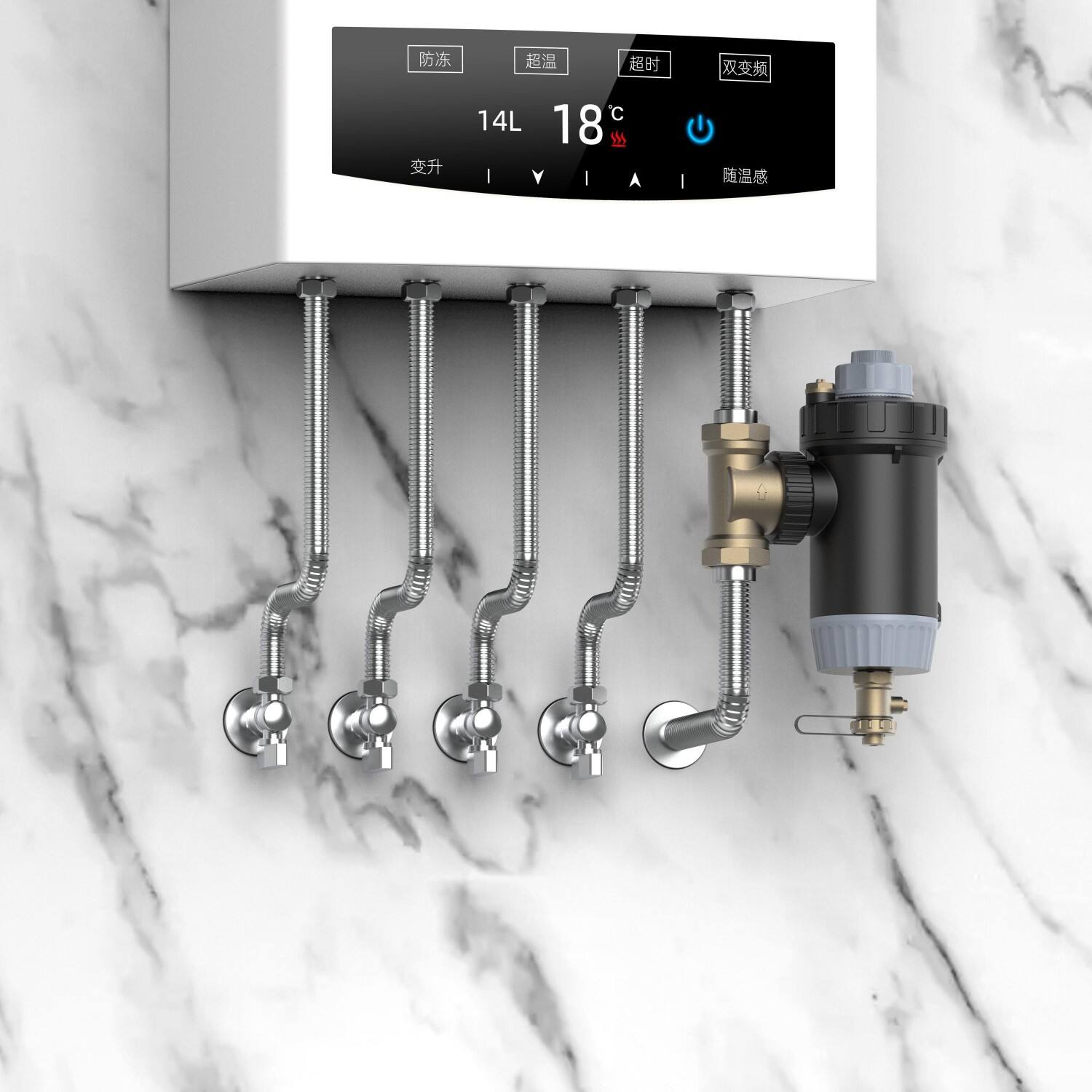
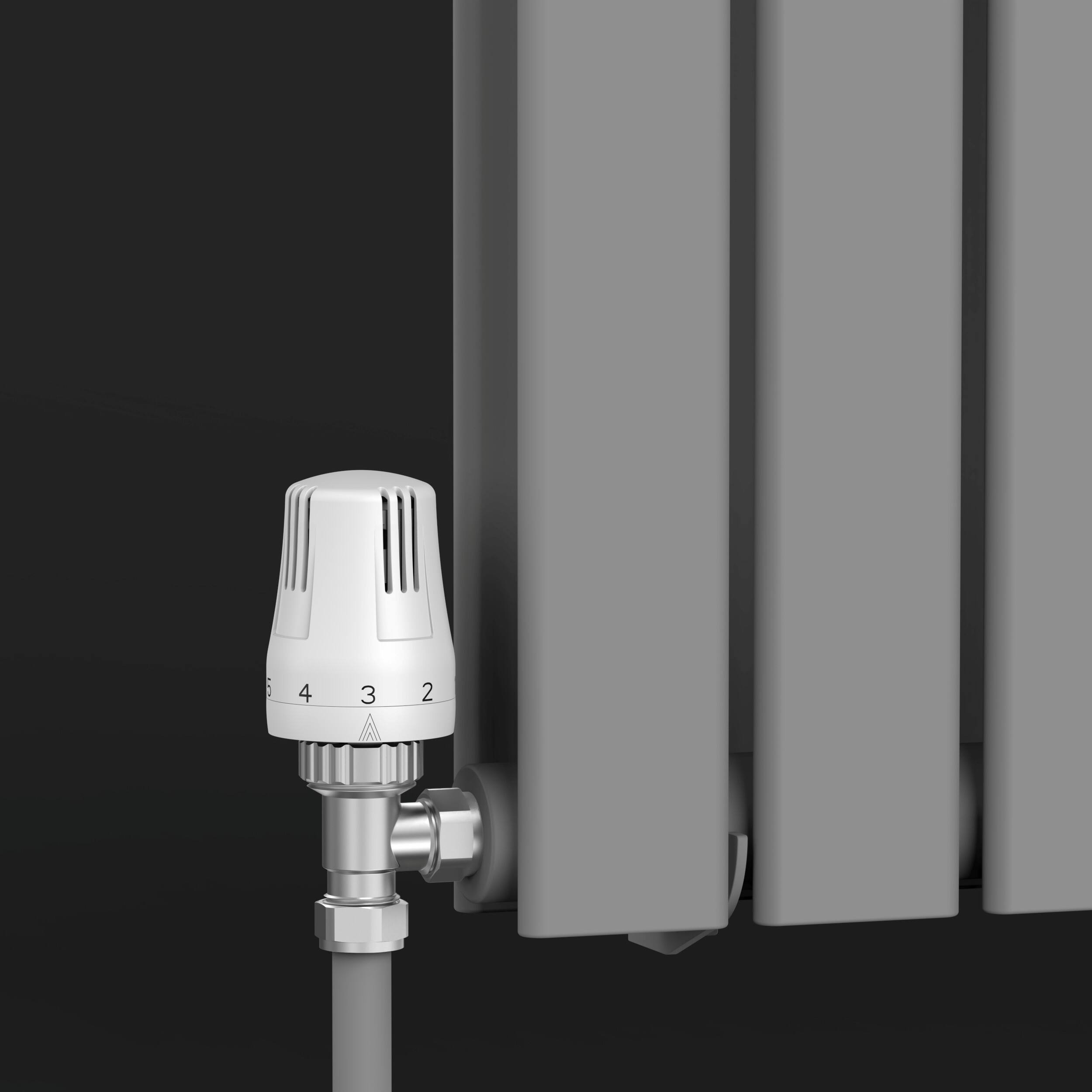
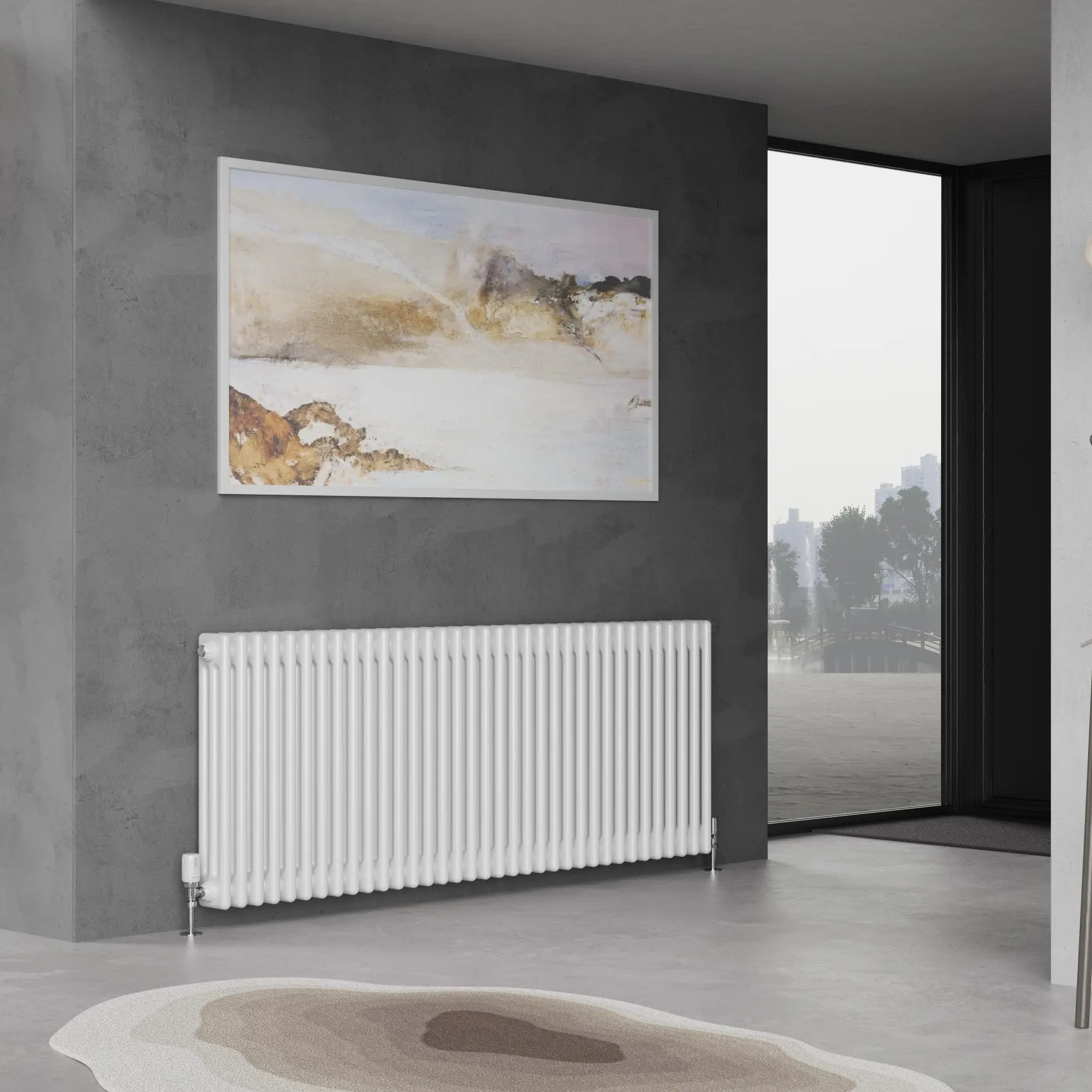
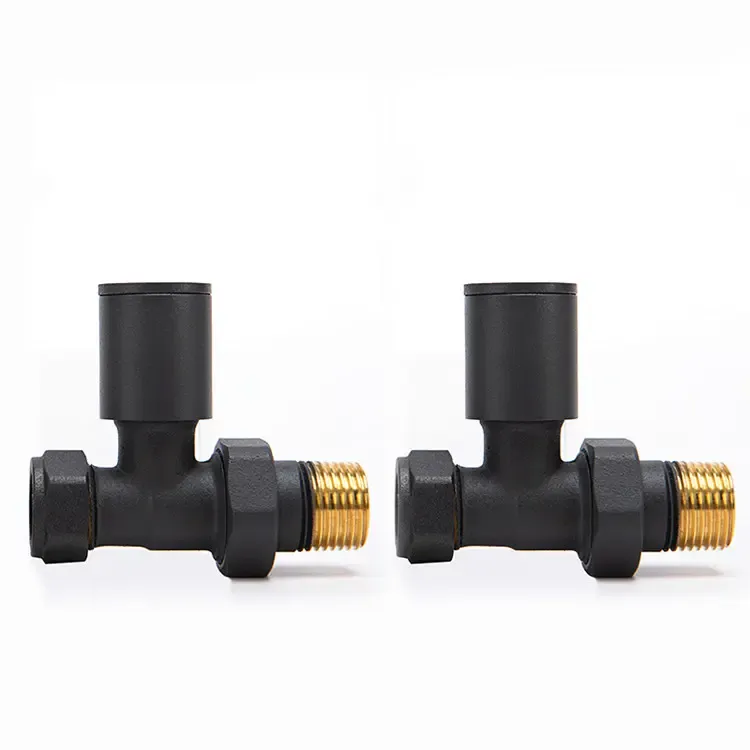
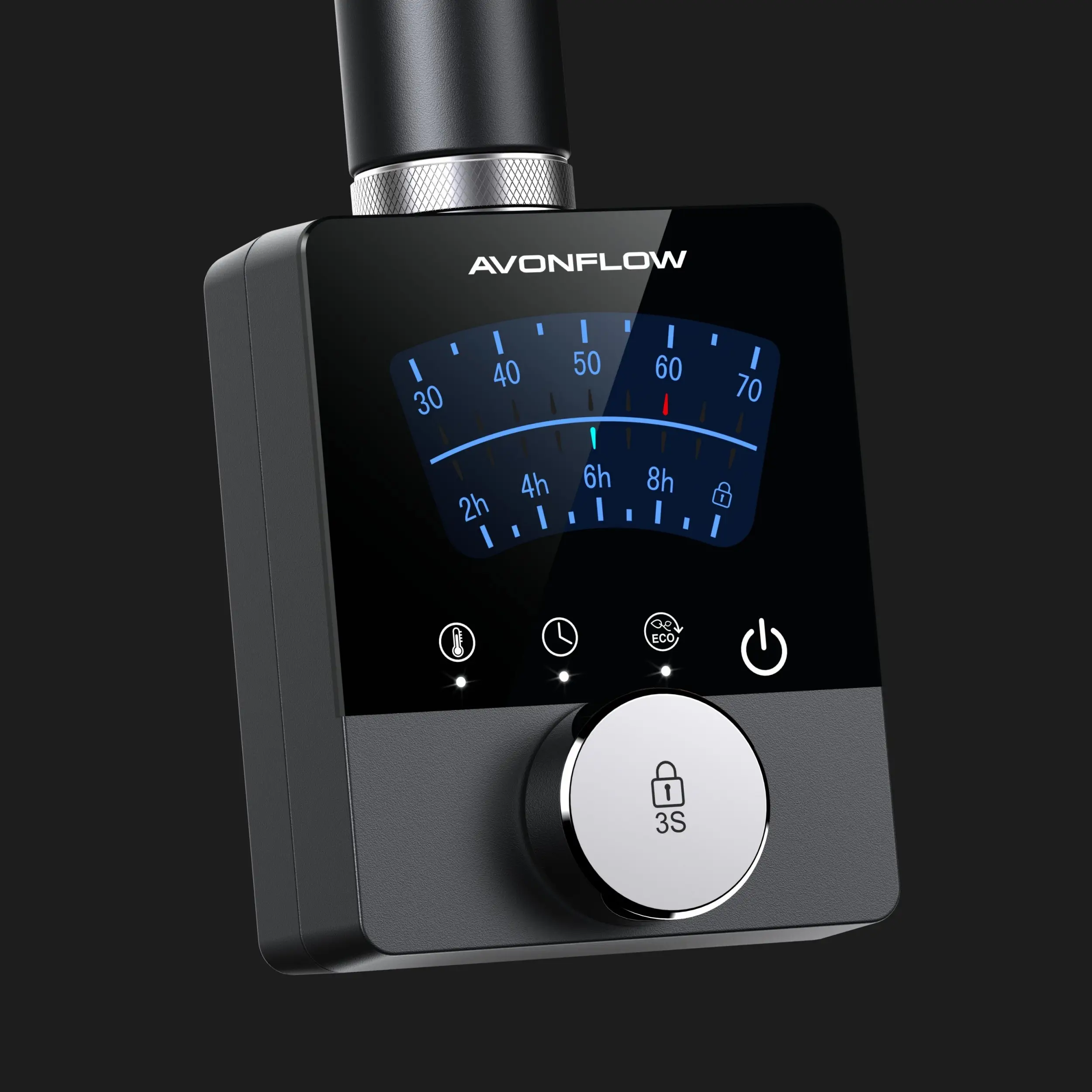
A heating radiator distributor serves as the central control hub for modern hydronic heating systems, managing the flow and distribution of heated water throughout residential and commercial buildings. This sophisticated component acts as the nerve center that connects the main heating circuit to individual radiators or heating zones, ensuring optimal temperature control and energy efficiency across the entire system. The heating radiator distributor incorporates advanced flow meters, temperature sensors, and precision valves that work together to regulate water circulation based on specific heating demands. Modern distributors feature multiple outlet ports, typically ranging from two to twelve connections, allowing property owners to control different heating zones independently. Each outlet includes integrated flow adjustment mechanisms that enable precise calibration of water flow rates to match the heating requirements of connected radiators. The technological framework of a heating radiator distributor includes brass or stainless steel construction for durability, corrosion resistance, and long-term performance reliability. Advanced models incorporate smart technology features such as digital displays, programmable controls, and wireless connectivity options for remote monitoring and adjustment. The distributor maintains consistent pressure levels throughout the heating network while preventing cross-contamination between different heating circuits. Installation flexibility represents another key characteristic, as these units can be mounted in utility rooms, basements, or mechanical spaces with minimal space requirements. The heating radiator distributor supports various heating media including water and glycol-based solutions, making it suitable for diverse climate conditions and installation environments. Professional-grade distributors include diagnostic capabilities that monitor system performance, detect potential issues, and provide maintenance alerts to prevent costly repairs. These components integrate seamlessly with existing heating infrastructure while offering upgrade pathways for future system enhancements and smart home integration capabilities.

 EN
EN