panel radiators
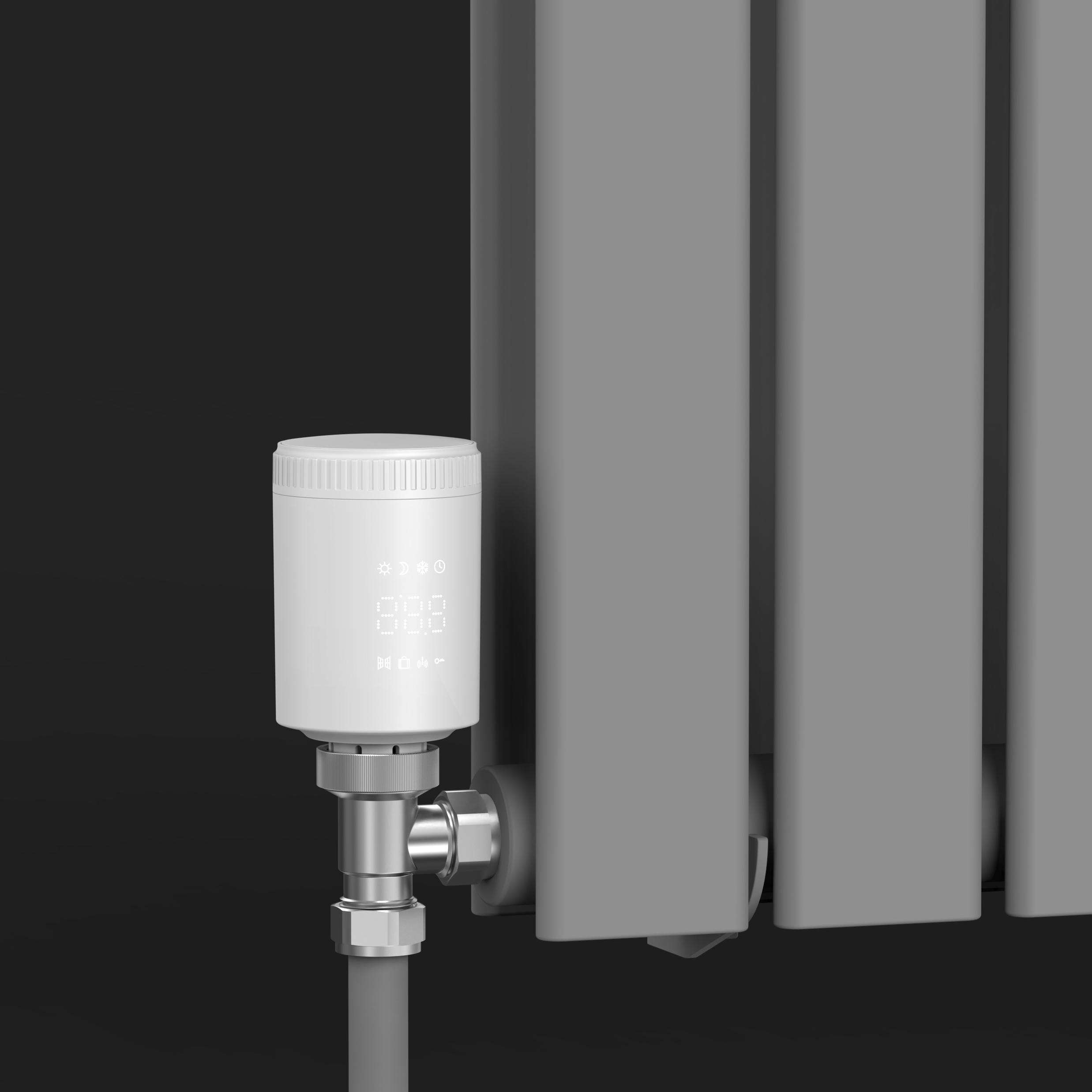
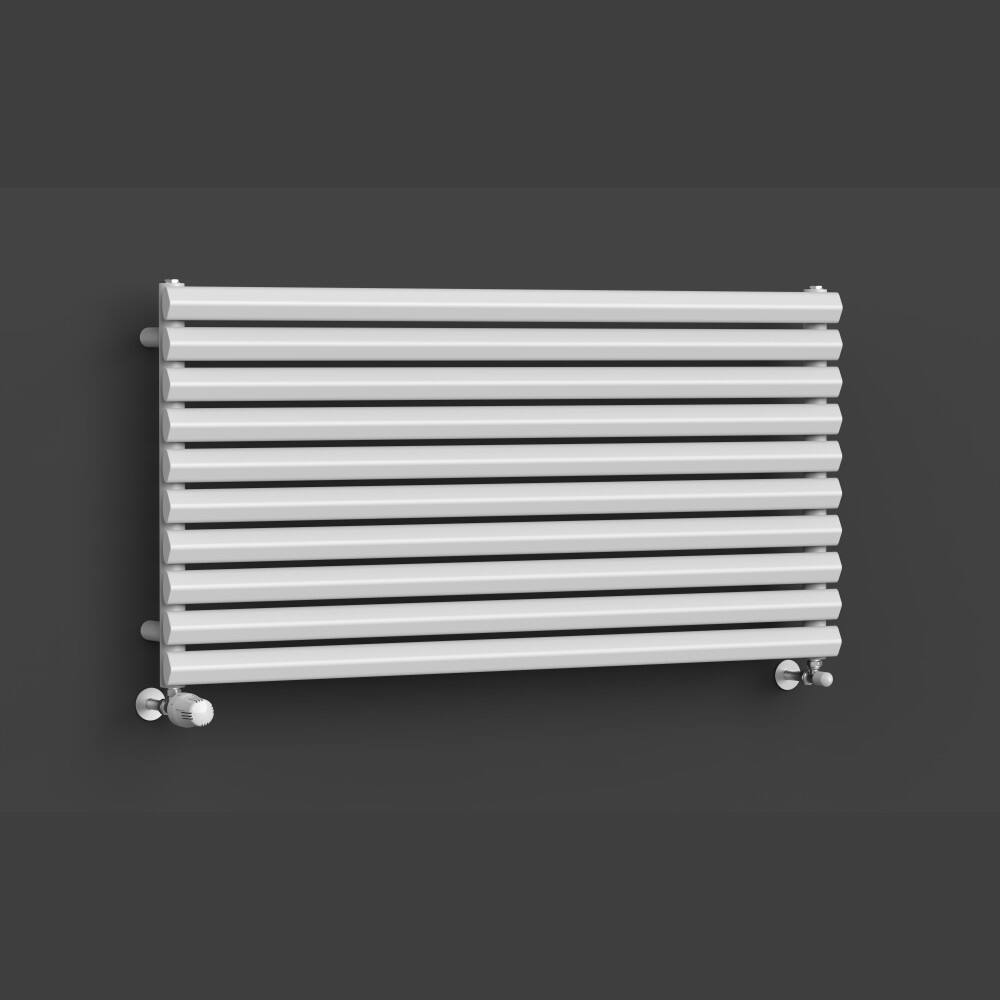
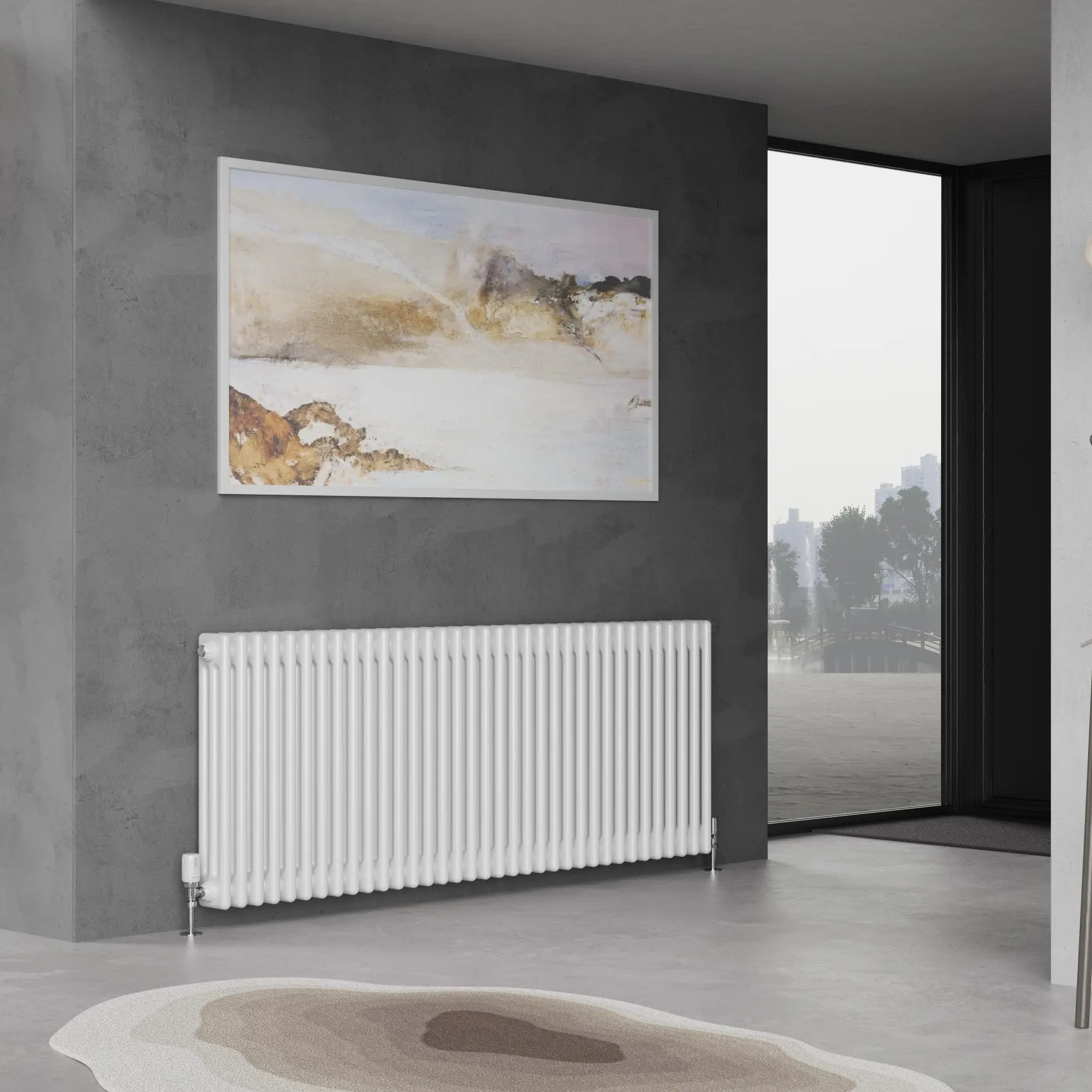
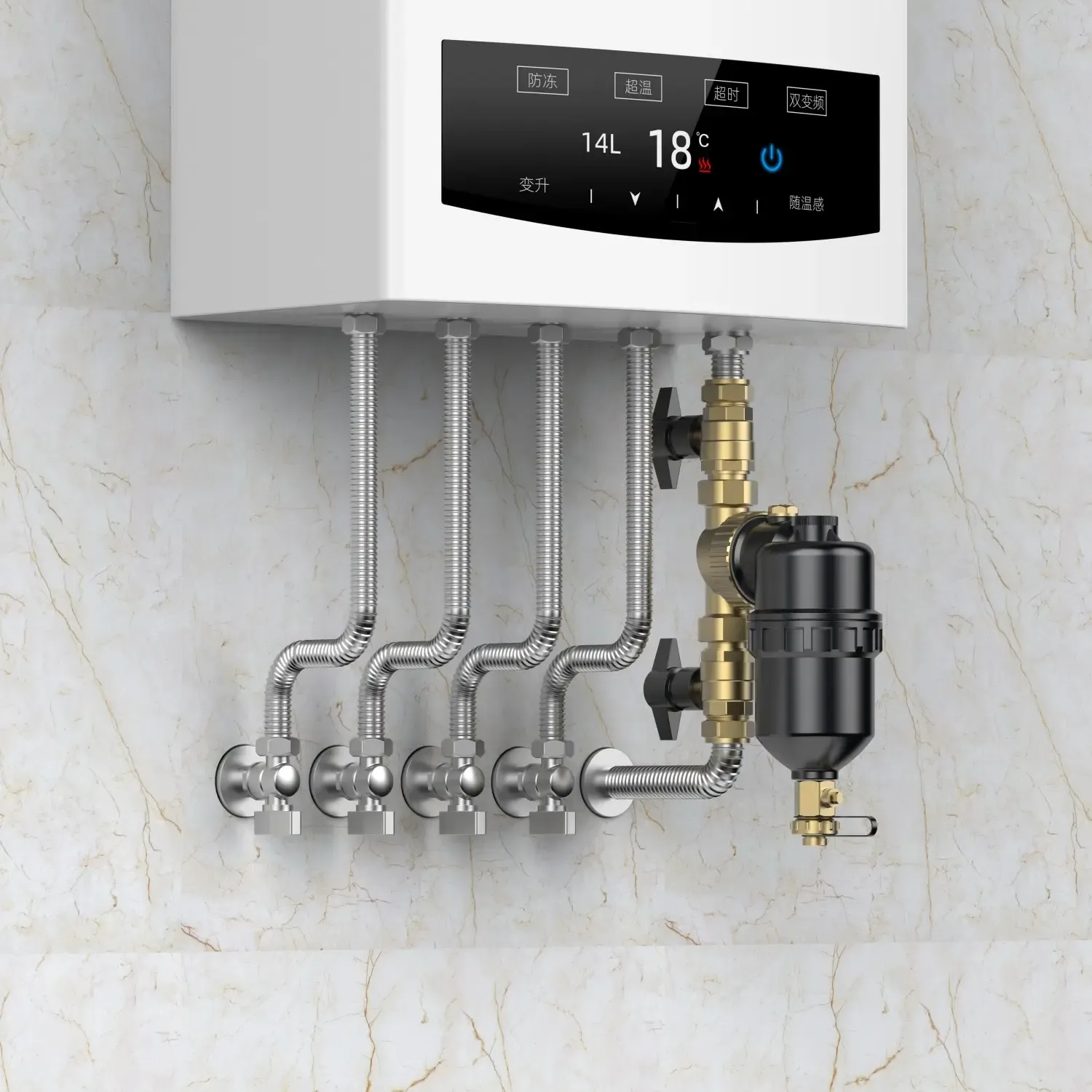
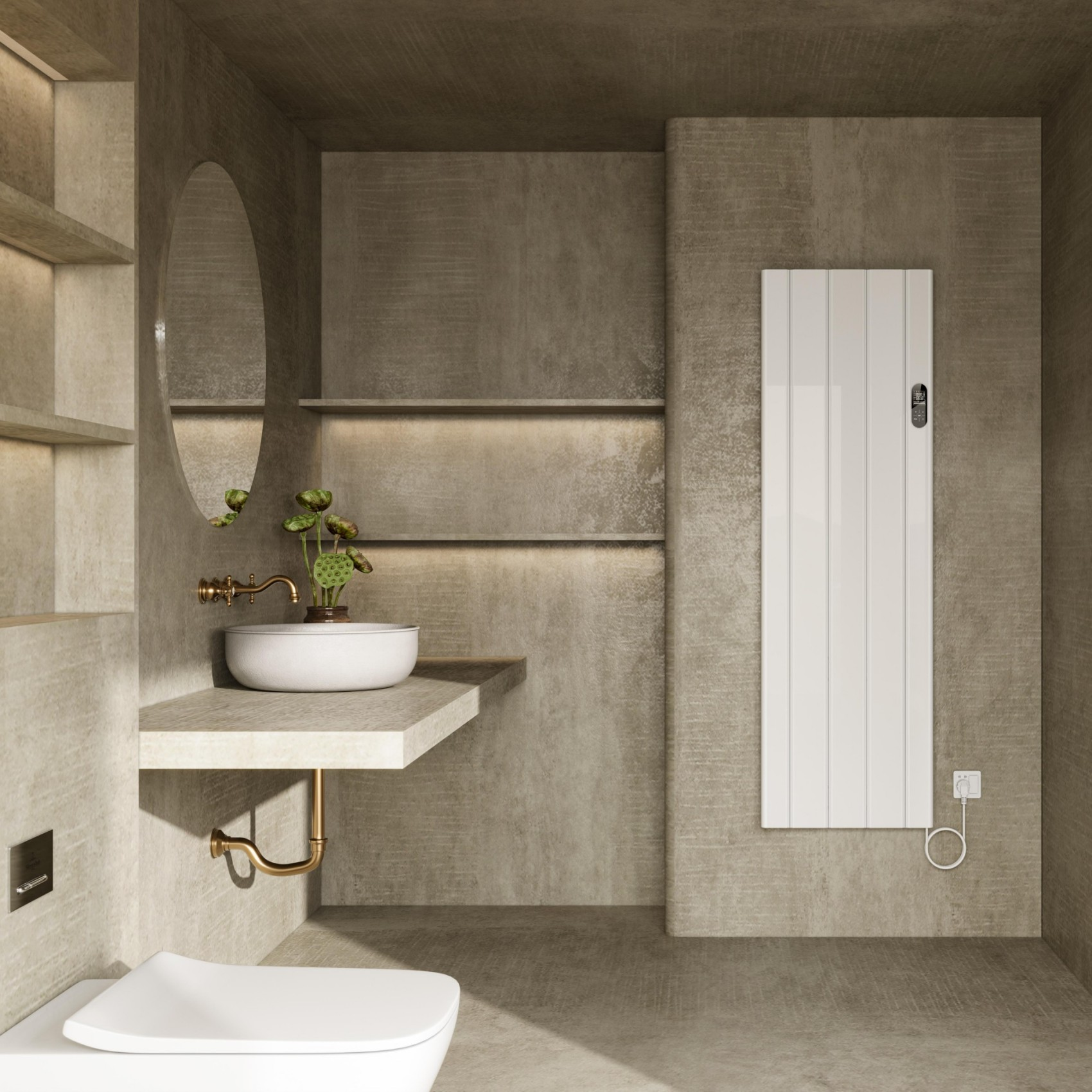
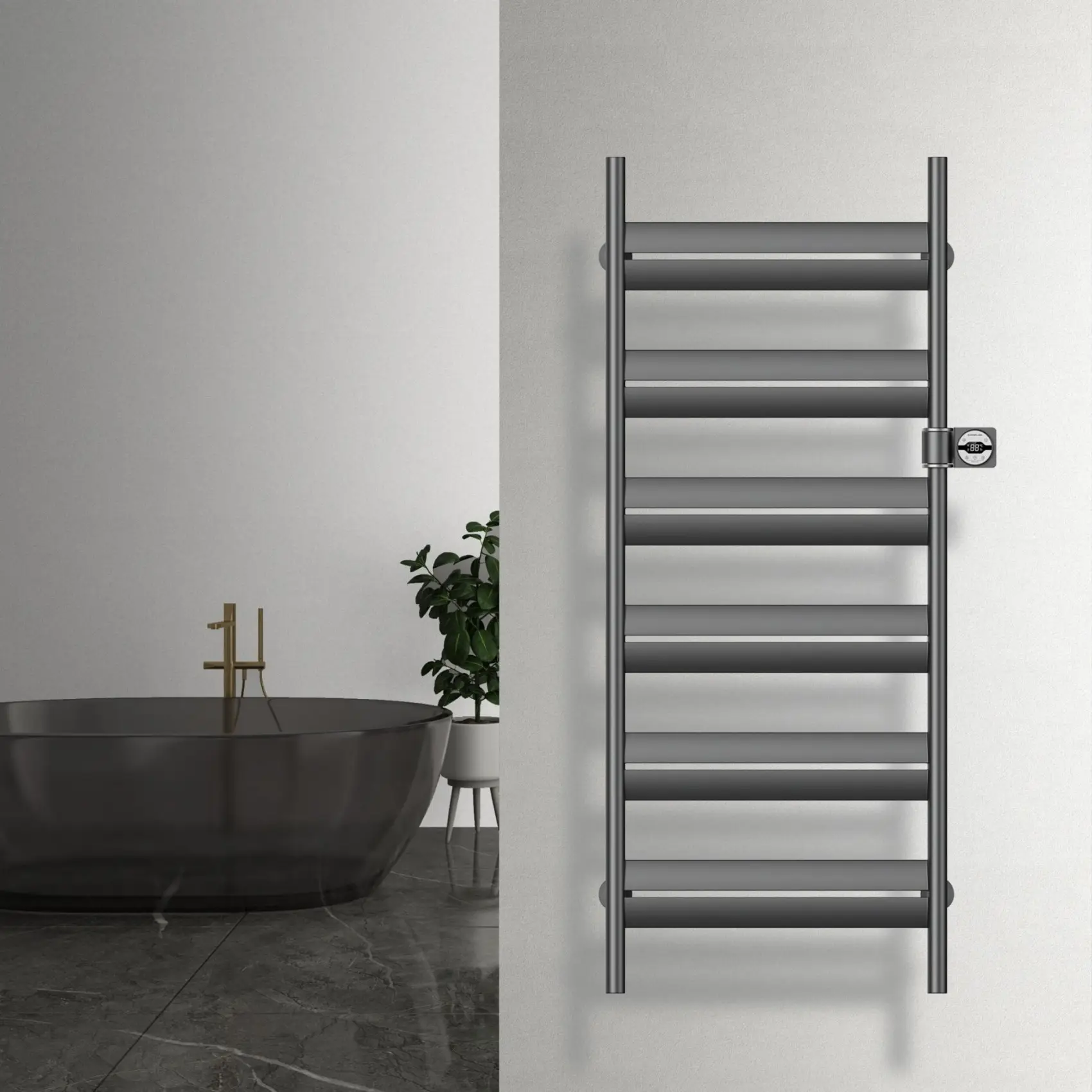
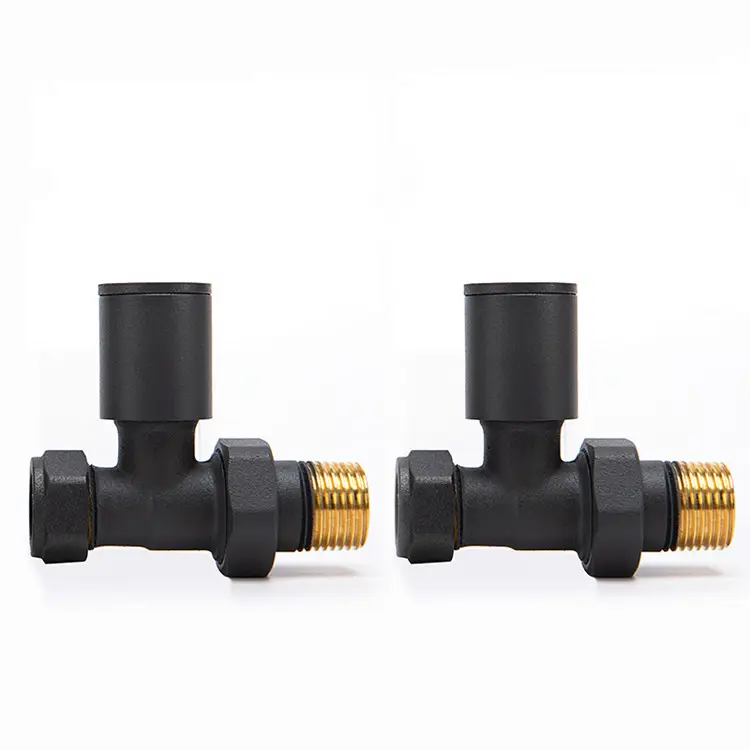
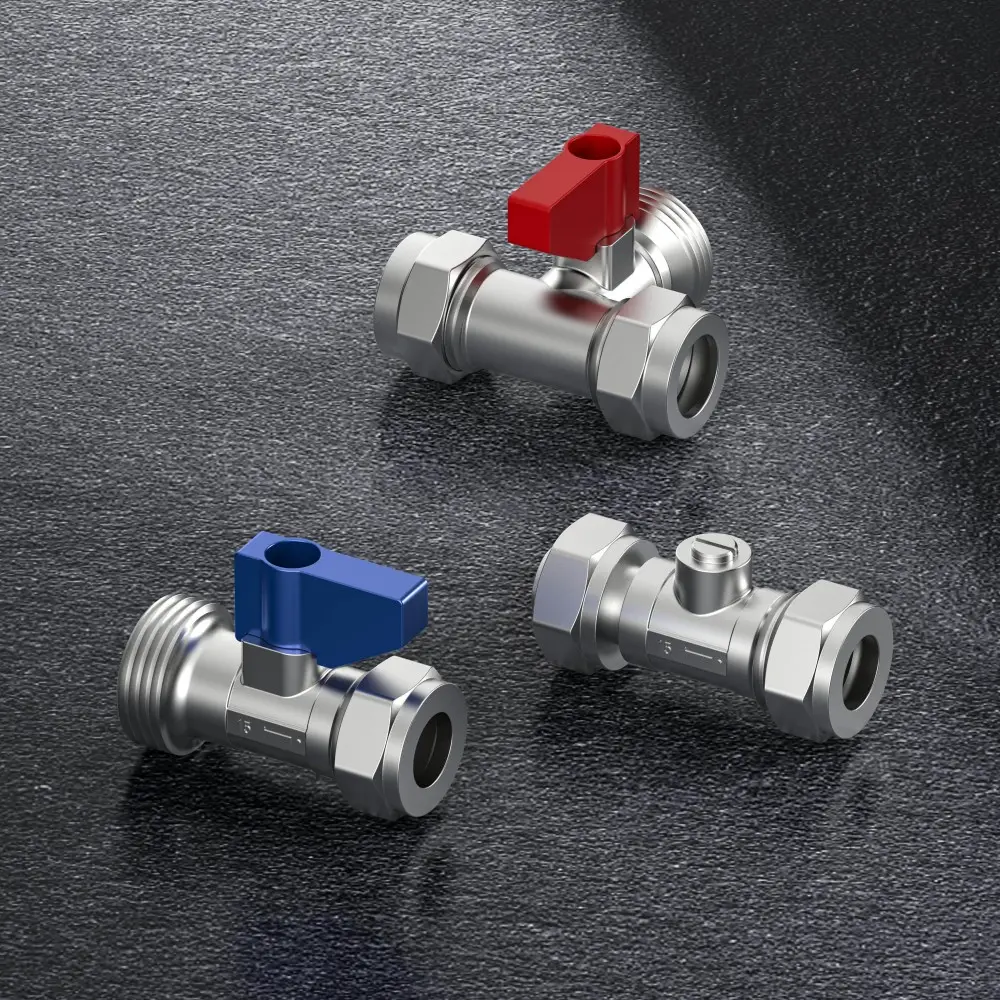
Panel radiators represent a modern heating solution that combines efficient warmth distribution with sleek design aesthetics. These versatile heating units feature a flat, rectangular construction that allows them to mount seamlessly against walls, providing both functional heating and visual appeal. The core technology behind panel radiators involves hot water circulation through internal channels, creating consistent heat output that warms rooms evenly and effectively. Unlike traditional radiators with exposed pipes and bulky designs, panel radiators offer a streamlined appearance that complements contemporary interior design schemes. Their construction typically involves steel or aluminum materials, ensuring durability while maintaining excellent thermal conductivity. The heating mechanism operates through convection and radiation principles, where heated water flows through internal passages, transferring thermal energy to the panel surface, which then radiates warmth throughout the room. Panel radiators excel in residential, commercial, and industrial applications, making them suitable for homes, offices, schools, hospitals, and retail spaces. Their compact profile makes them ideal for spaces where floor area is limited, as they require minimal room while delivering maximum heating performance. The technology incorporates thermostatic controls that allow precise temperature regulation, enabling users to maintain optimal comfort levels while minimizing energy consumption. Installation flexibility represents another key feature, as panel radiators can accommodate various plumbing configurations and mounting positions. Their smooth surfaces facilitate easy cleaning and maintenance, while corrosion-resistant finishes ensure longevity in diverse environmental conditions. Modern panel radiators often include integrated valves and connection points that simplify installation procedures and reduce labor costs. The heating efficiency of these units stems from their optimized internal design, which maximizes heat transfer surfaces while minimizing water volume requirements.

 EN
EN