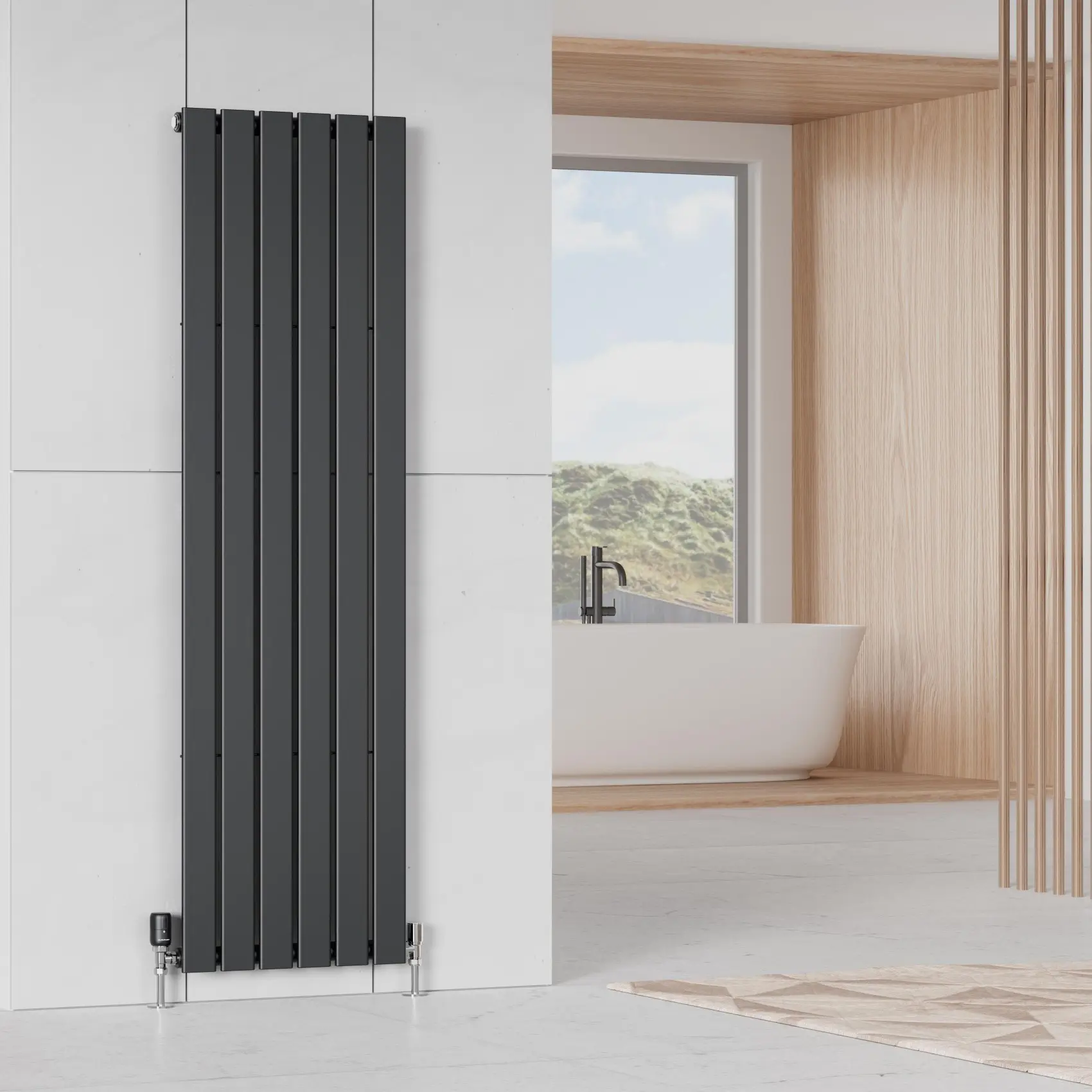
home radiator
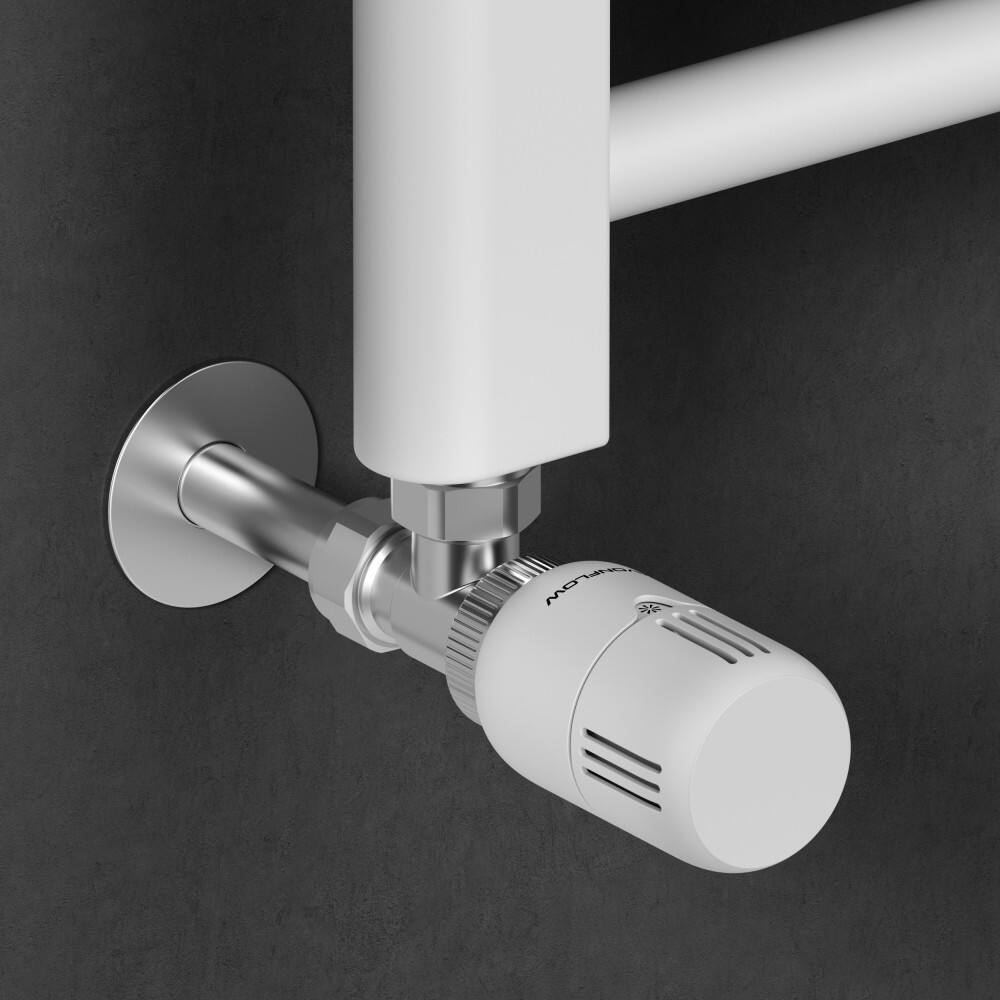
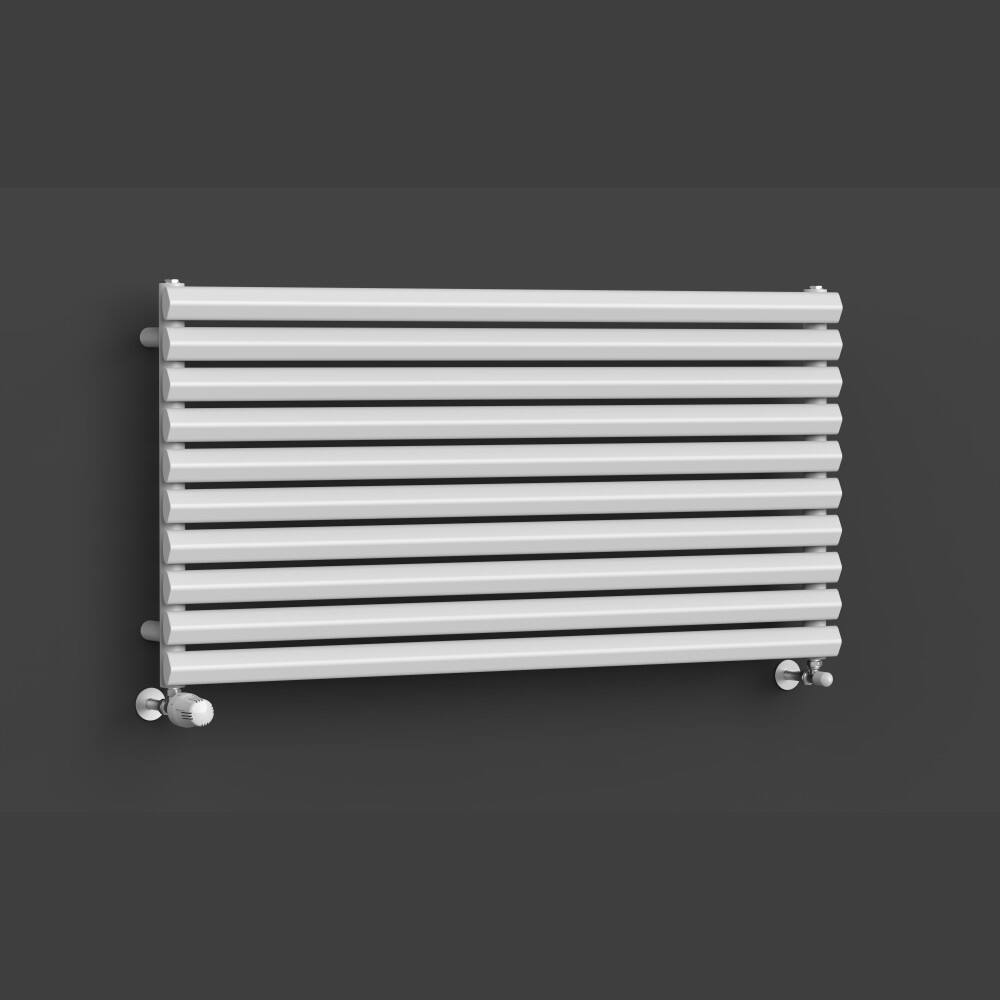
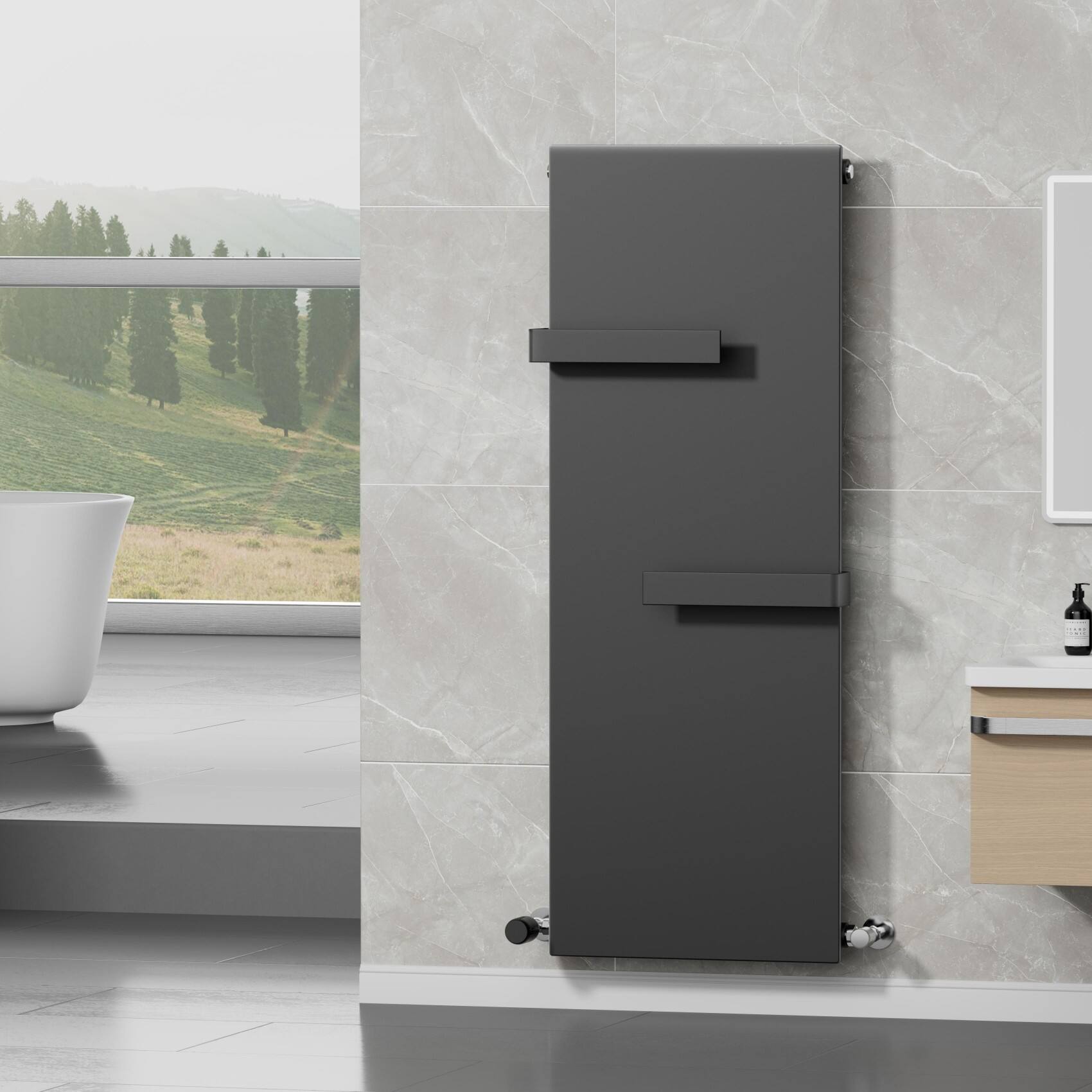
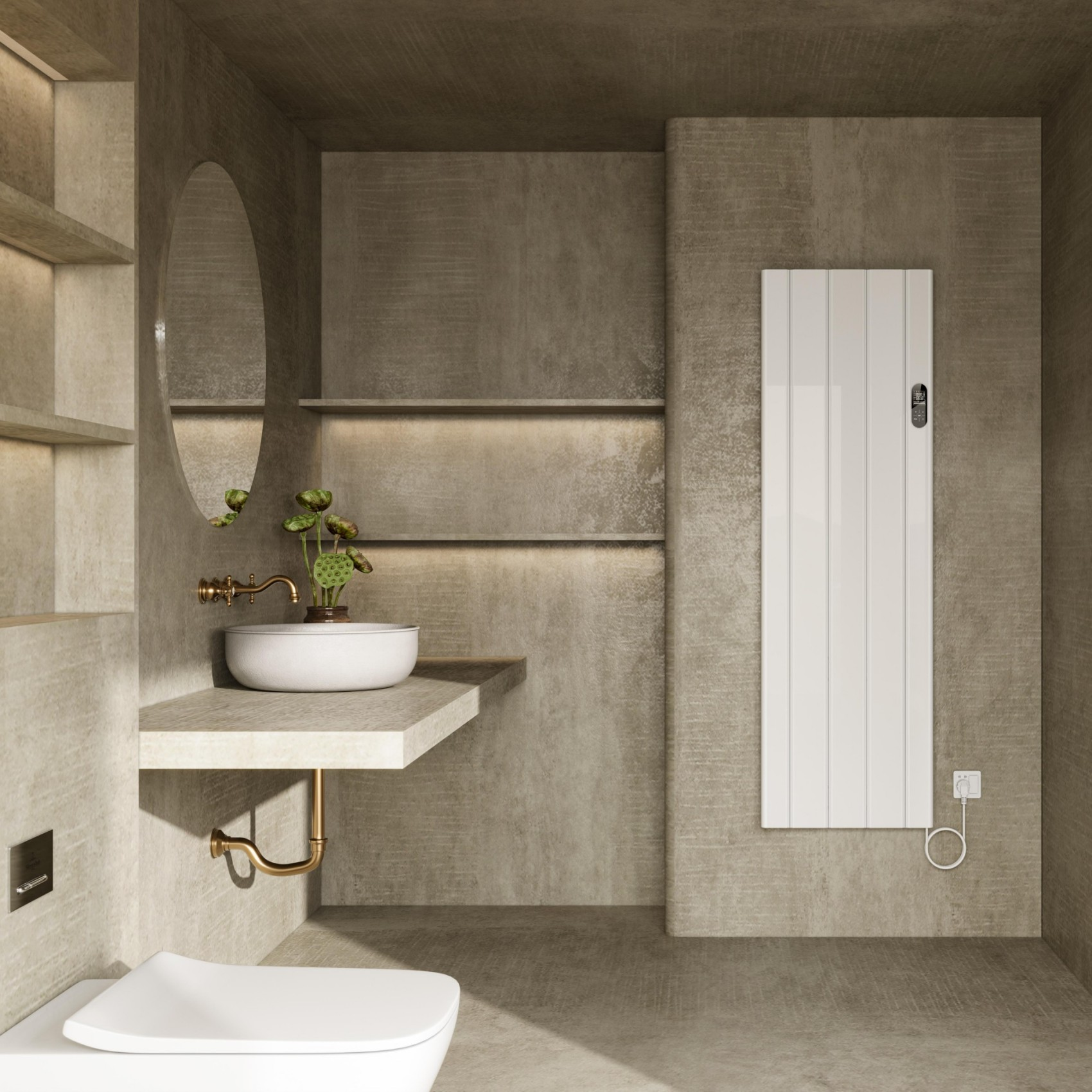
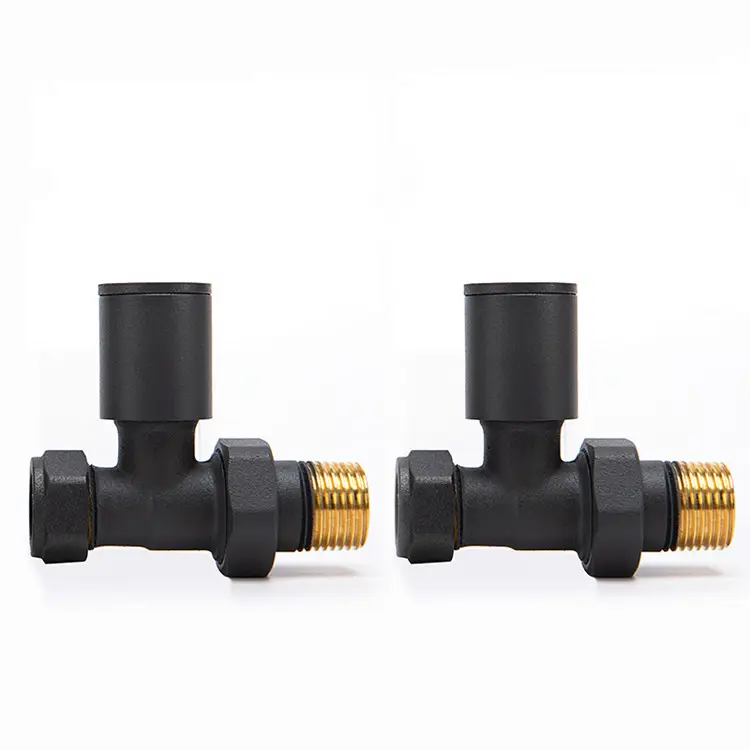
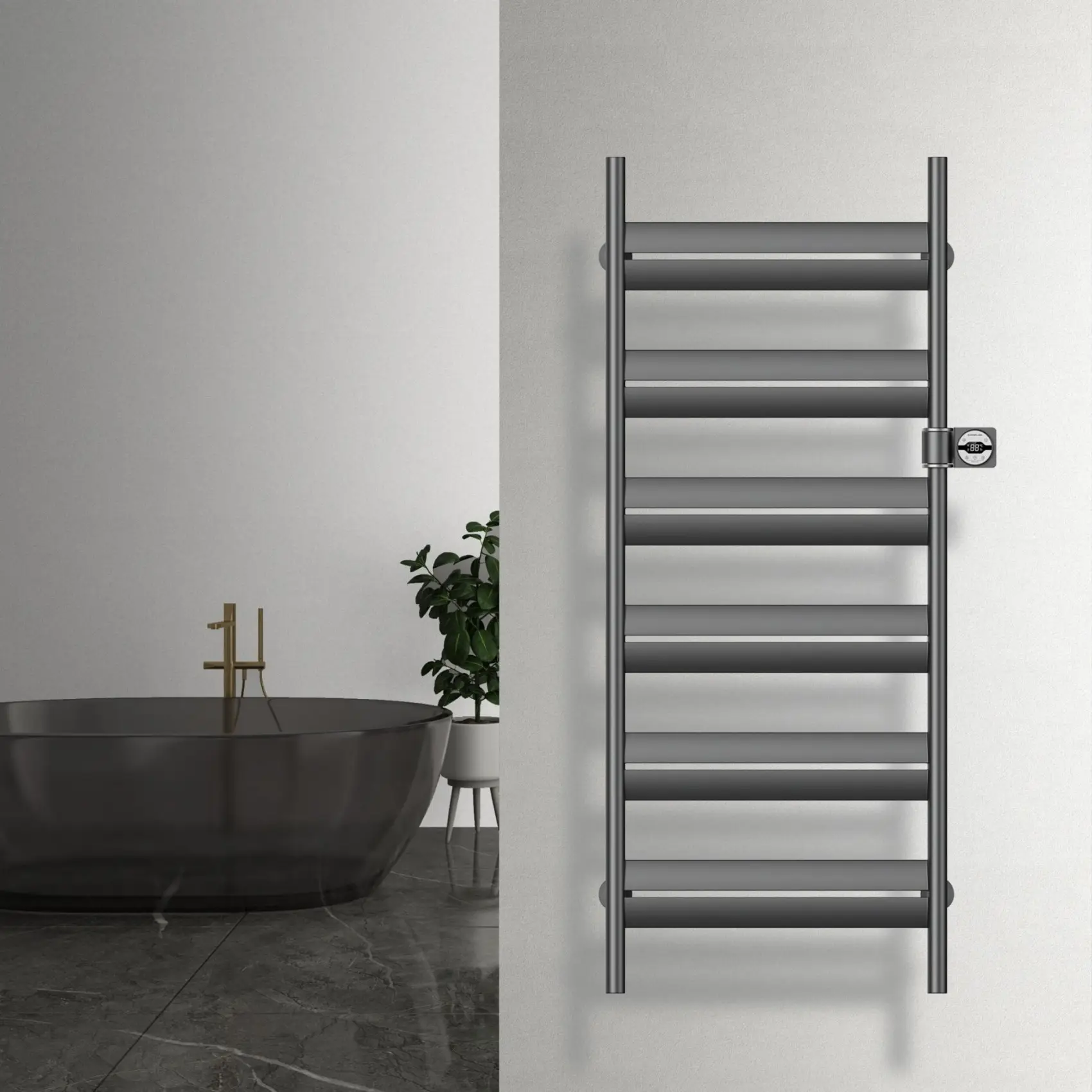
A home radiator serves as a fundamental heating component in residential properties, designed to distribute warmth throughout living spaces efficiently and consistently. This essential heating appliance operates by circulating heated water or steam through metal fins and pipes, converting thermal energy into comfortable ambient temperatures for occupants. Modern home radiator systems have evolved significantly from traditional cast iron models to incorporate advanced materials and engineering principles that maximize heat output while minimizing energy consumption. The primary function of a home radiator involves transferring heat from a central heating system to individual rooms through convection and radiation processes. Water heated by a boiler travels through connected pipework to reach each radiator unit, where the metal surface absorbs thermal energy and releases it into the surrounding air. This process creates natural air circulation patterns that distribute warmth evenly across the room. Contemporary home radiator designs feature enhanced surface areas through fin arrangements and panel configurations that optimize heat transfer efficiency. Technological features include thermostatic radiator valves that allow precise temperature control for each room, reducing energy waste and improving comfort levels. Many modern units incorporate low water content designs that respond quickly to heating demands and reduce overall system volume requirements. Applications for home radiator systems span various residential settings, from compact apartments to large family homes. These versatile heating solutions work effectively in bedrooms, living areas, kitchens, and bathrooms, with specialized models available for different moisture and space requirements. Installation flexibility allows positioning along walls, in corners, or as freestanding units depending on architectural constraints and aesthetic preferences. The compatibility of home radiator systems with renewable energy sources like heat pumps and solar thermal systems makes them increasingly relevant for sustainable housing projects and energy-efficient retrofits.

 EN
EN