
 EN
EN



Understanding Home Heating Solutions: Towel Rails vs Radiators
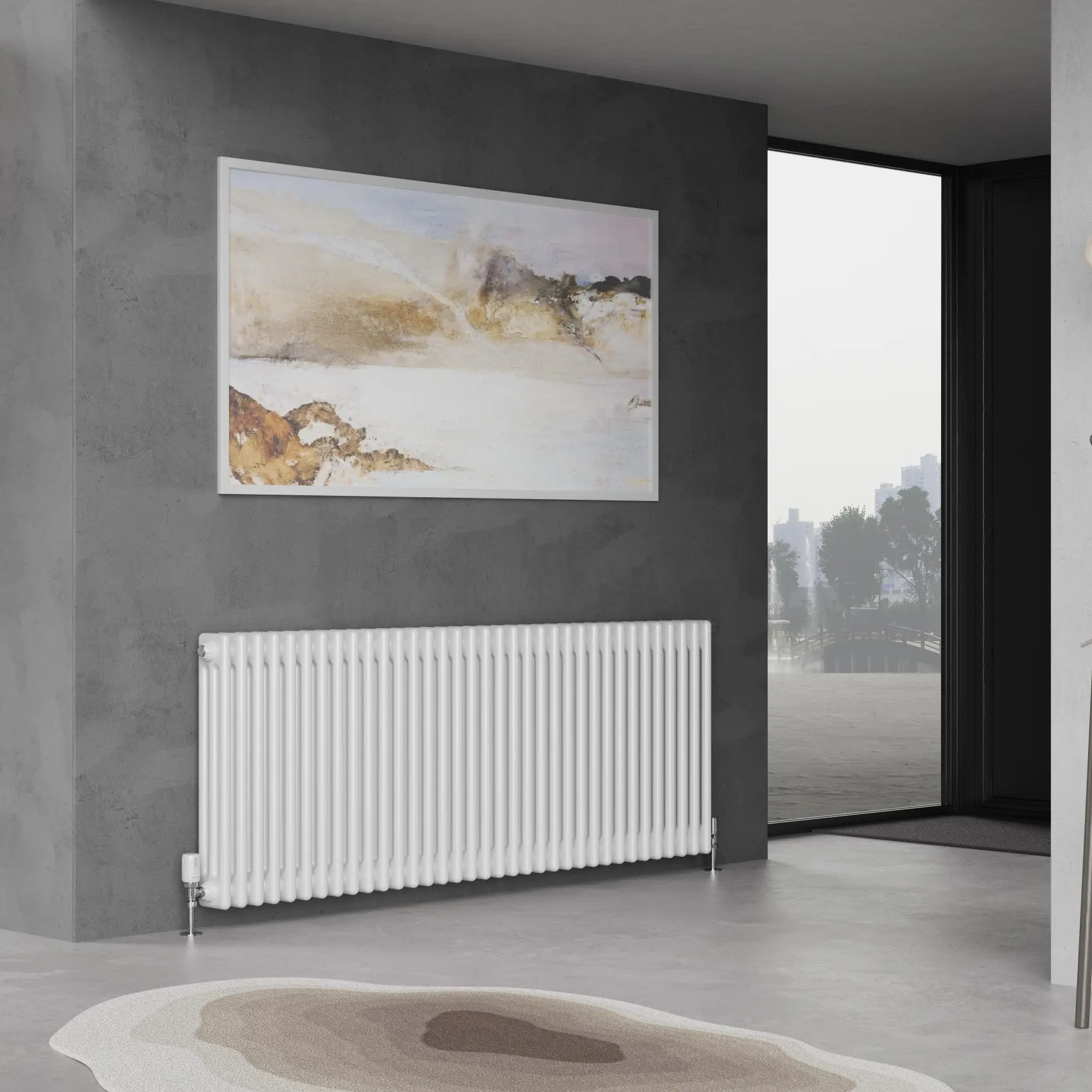
When it comes to keeping your bathroom warm and your towels cozy, you might find yourself wondering about the best heating solution. The distinction between a heated towel rail and radiator goes beyond their basic appearance, encompassing crucial differences in design, functionality, and overall purpose. This comprehensive guide will explore these heating fixtures in detail, helping you make an informed decision for your home.
Core Design and Construction Elements
Heated Towel Rail Construction
A heated towel rail is specifically engineered with horizontal bars spaced at regular intervals, creating convenient hanging spaces for towels. These bars are typically constructed from high-quality materials like stainless steel or chrome-plated brass, offering both durability and aesthetic appeal. The design prioritizes even heat distribution across the rails while maintaining adequate space between bars for proper airflow and towel drying.
Radiator Build and Structure
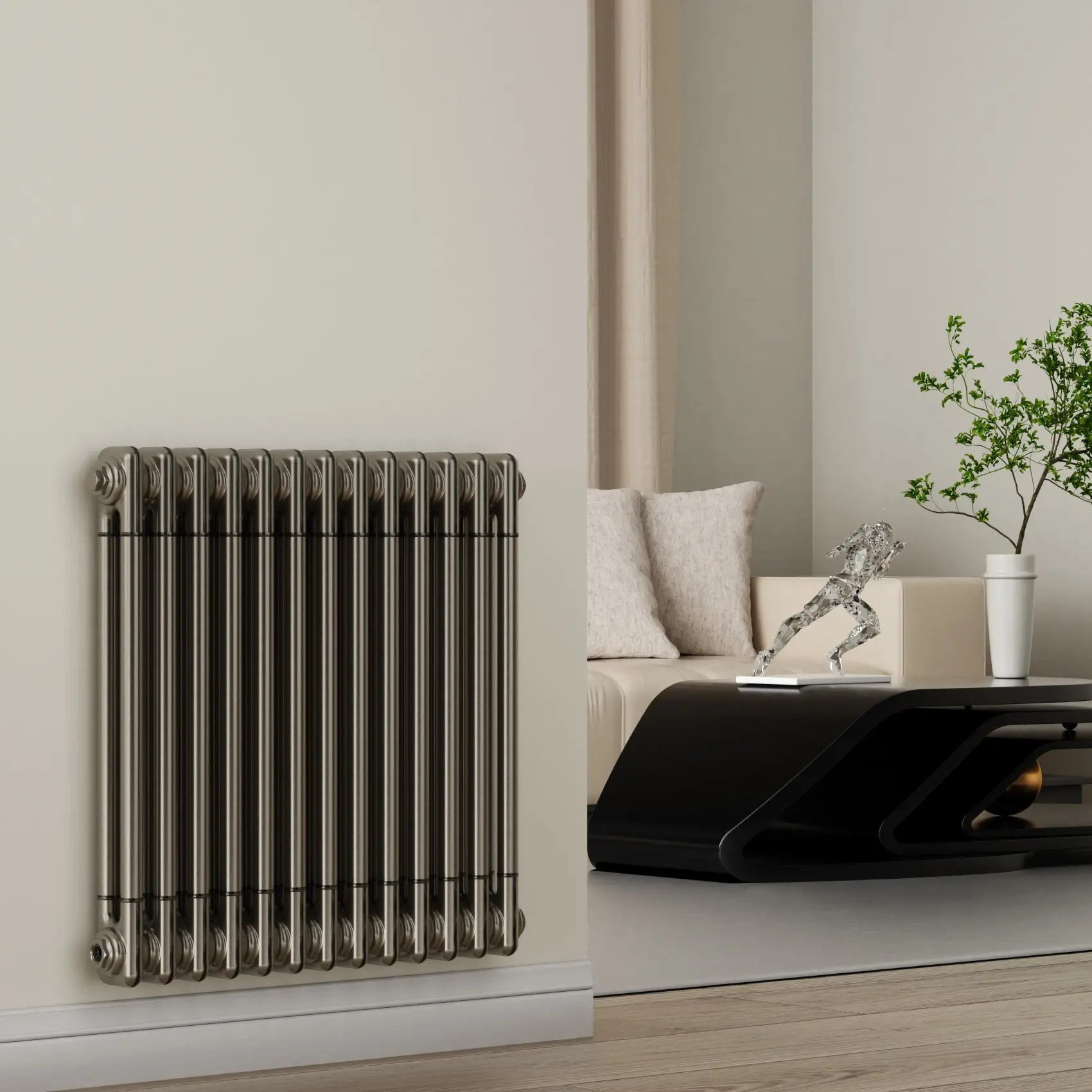
Traditional radiators feature a more compact design with closely spaced fins or panels. These are engineered to maximize heat output into the room, with the primary focus being space heating rather than item warming. Radiators often come in various styles, from classic column designs to modern panel versions, but their fundamental structure emphasizes heat dispersion into the surrounding area.
Heating Performance and Efficiency
Heat Output Capabilities
The heating capacity of a heated towel rail and radiator differs significantly. Radiators typically offer higher BTU (British Thermal Unit) ratings, making them more effective for heating larger spaces. They're designed to warm entire rooms efficiently, with heat output being their primary function. A standard bathroom radiator might produce 3000-5000 BTUs, while a heated towel rail generally outputs 1000-2500 BTUs, focusing on maintaining warmth rather than generating substantial heat.
Energy Consumption Patterns
When comparing energy efficiency, heated towel rails often consume less power due to their smaller size and focused purpose. They can be left running continuously at a lower temperature, providing constant gentle warmth for towel drying and maintaining ambient temperature. Radiators, while more powerful, typically cycle on and off as needed to maintain room temperature, potentially using more energy during peak heating periods.
Practical Applications and Usage
Bathroom Environment Benefits
In the bathroom setting, a heated towel rail serves multiple purposes. Beyond keeping towels warm and dry, it helps reduce humidity and prevent mold growth. The open design allows for better air circulation, while the constant low-level heat helps maintain a comfortable environment. This multifunctional approach makes heated towel rails particularly valuable in bathroom spaces where moisture control is as important as heating.
Space Heating Effectiveness
Radiators excel in their primary function of room heating. Their design and higher heat output make them ideal for maintaining comfortable temperatures in larger spaces. While a heated towel rail can contribute to room warming, it's not its primary purpose and may struggle to heat larger bathrooms effectively on its own. Understanding these limitations is crucial for proper heating system planning.
Installation and Maintenance Considerations
Mounting Requirements
The installation process differs between heated towel rails and radiators. Towel rails often require specific mounting considerations due to their dual-purpose nature - they need to be both secure enough to hold wet towels and properly positioned for easy access. Radiators, while requiring sturdy mounting, are generally more flexible in their positioning options and often come with standardized bracket systems.
Maintenance Protocols
Both heating solutions require regular maintenance, but their needs vary. Heated towel rails benefit from regular cleaning to prevent soap scum build-up and maintain their aesthetic appeal. Radiators typically need bleeding to remove trapped air and occasional dust removal from fins or panels. Understanding these maintenance requirements helps ensure optimal performance and longevity of either system.
Design and Aesthetic Impact
Visual Integration
Modern heated towel rails often feature sleek, contemporary designs that can enhance bathroom aesthetics. Their ladder-style arrangement can create a sophisticated look while serving a practical purpose. Many models come in various finishes and styles, from minimalist chrome to bold matte black, allowing them to complement any bathroom décor scheme.
Space Utilization
The vertical orientation of heated towel rails makes them excellent space-savers in compact bathrooms. They utilize wall space efficiently while providing essential towel storage. Radiators, particularly traditional models, may require more floor space or wall area, though modern designs are increasingly becoming more space-conscious.
Frequently Asked Questions
Can a heated towel rail replace a bathroom radiator?
A heated towel rail can replace a bathroom radiator in smaller spaces or when supplementary heating is available. However, for larger bathrooms or in colder climates, you might need both or a higher-powered heating solution to maintain comfortable temperatures.
How much do running costs differ between towel rails and radiators?
Running costs typically favor heated towel rails for continuous operation due to their lower power consumption. However, radiators might be more cost-effective when considering the heating requirements of larger spaces, as they can heat rooms more quickly and efficiently.
Which option is better for preventing mold growth?
Heated towel rails generally perform better at preventing mold growth due to their constant low-level heat and better air circulation around towels. Their design specifically helps reduce humidity levels in bathrooms, making them particularly effective at moisture control.