
 EN
EN



Transforming Home Comfort Through Innovative Heating Solutions
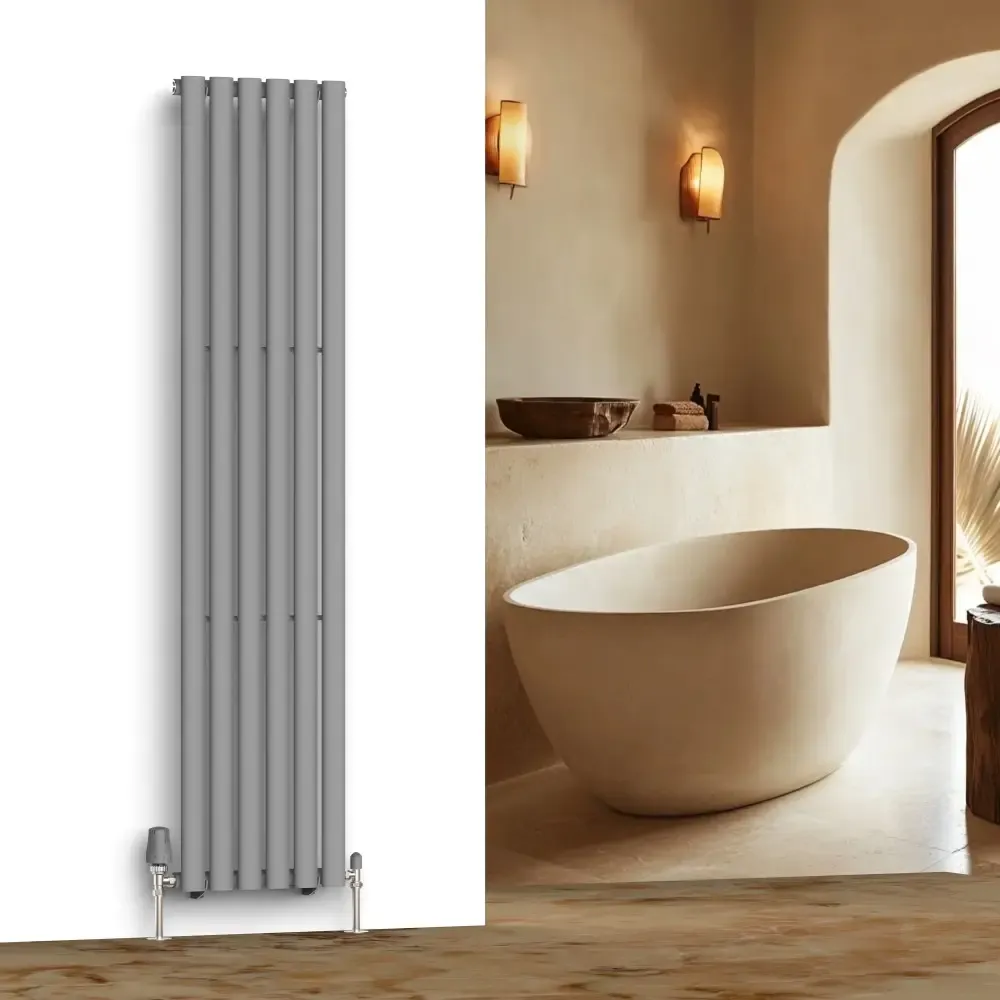
The evolution of home heating has taken a remarkable leap forward with design radiators emerging as the perfect fusion of functionality and aesthetic appeal. These innovative heating solutions are revolutionizing how we think about indoor climate control, offering homeowners the unique opportunity to make a bold style statement while ensuring optimal thermal comfort. Far beyond their traditional counterparts, design radiators serve as architectural elements that can dramatically transform any living space.
Modern homes demand solutions that complement contemporary lifestyles, and design radiators answer this call with remarkable sophistication. They represent a significant departure from conventional heating methods, incorporating advanced technology with artistic expression to create pieces that are as much about visual impact as they are about thermal efficiency.
The Aesthetic Revolution in Home Heating
Architectural Integration and Visual Impact
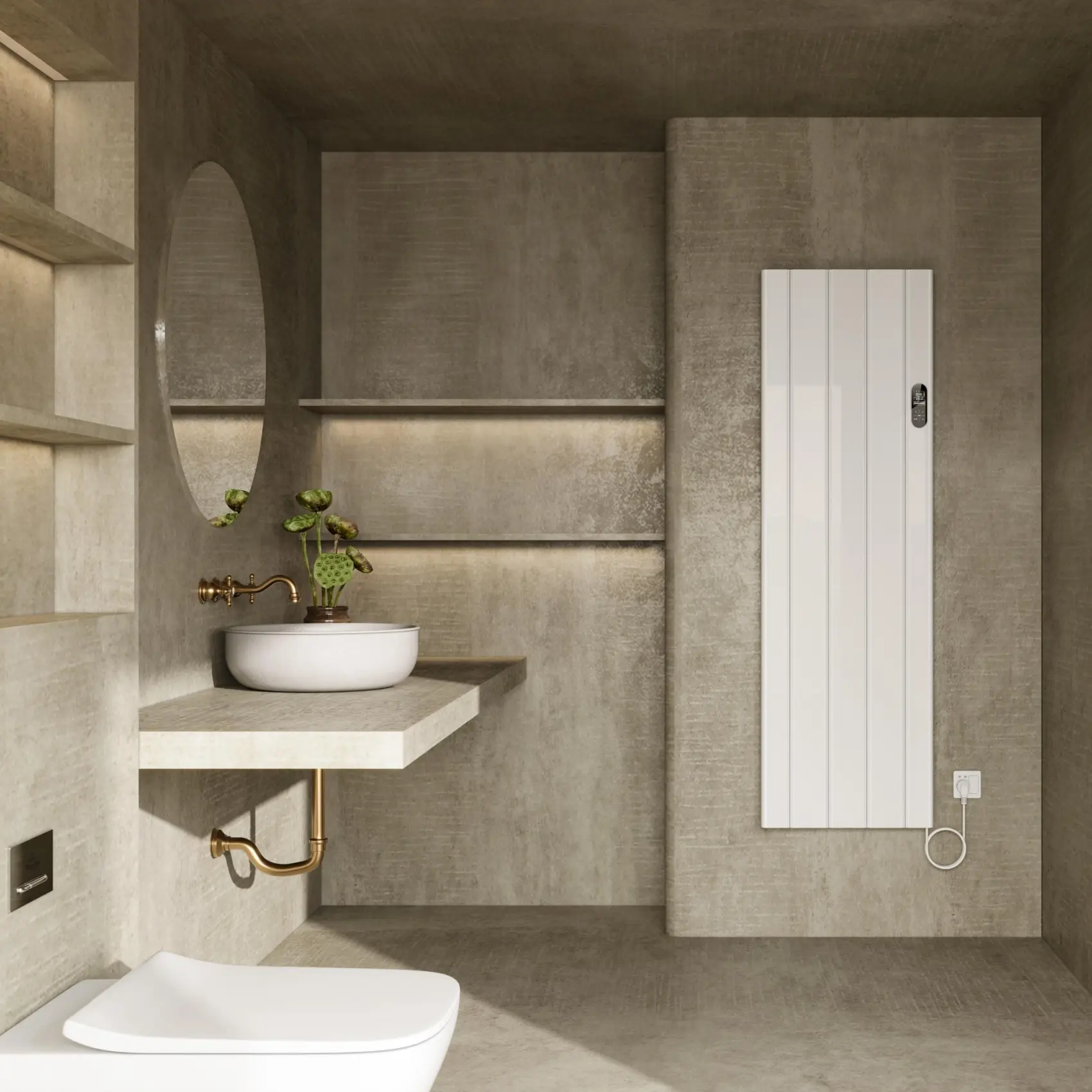
Design radiators have redefined the relationship between heating systems and interior architecture. Unlike traditional radiators that often need to be concealed or worked around, these modern heating solutions serve as intentional design elements. They can become focal points in a room, complement existing décor, or seamlessly blend into the background, depending on the chosen style and installation approach.
The versatility of design radiators extends to their finish options, ranging from sleek chrome and brushed steel to bold colors and textured surfaces. This variety allows homeowners to either create striking visual statements or achieve subtle harmony with their existing interior design scheme.
Material Innovation and Form Factor
Contemporary design radiators utilize a wide range of materials, each bringing its unique characteristics to both form and function. Aluminum models offer lightweight efficiency and rapid heat response, while steel variants provide robust heat retention and durability. Glass panels introduce an element of sophistication while delivering consistent warmth, and hybrid materials combine the best properties of multiple components.
The form factor of modern design radiators has evolved far beyond traditional configurations. Vertical orientations make excellent use of wall space in rooms with limited horizontal area, while sculptural designs transform heating elements into genuine works of art. Some models even incorporate functional elements like towel rails or shelving, maximizing their utility in everyday life.
Technical Excellence and Performance Features
Advanced Heating Technology
Behind their stylish exteriors, design radiators incorporate sophisticated heating technology that ensures optimal performance. Many models feature advanced thermostatic controls, allowing precise temperature management and enhanced energy efficiency. The internal construction often includes innovative heat exchange systems that maximize heat output while minimizing energy consumption.
Smart connectivity has become increasingly prevalent in modern design radiators, enabling integration with home automation systems. This allows for remote temperature control, scheduling, and even learning capabilities that adapt to household routines, further optimizing both comfort and energy usage.
Energy Efficiency and Sustainability
Environmental consciousness plays a crucial role in modern design radiator development. Manufacturers are implementing eco-friendly materials and production processes while focusing on creating products that minimize energy consumption. Many models feature rapid heat-up times and efficient heat distribution, reducing the overall energy required to maintain comfortable temperatures.
The incorporation of smart controls and sensors helps prevent energy waste by automatically adjusting output based on room occupancy and desired temperature levels. Some design radiators can even integrate with renewable energy systems, supporting the transition to more sustainable heating solutions.
Installation and Space Optimization
Strategic Placement Considerations
The installation of design radiators requires careful consideration of both functional and aesthetic factors. Optimal placement ensures efficient heat distribution while maximizing the visual impact of the unit. Professional installers assess factors such as room layout, window positions, and circulation patterns to determine the most effective location for these heating elements.
Modern design radiators offer flexible installation options, including freestanding models that can serve as room dividers or architectural elements. Wall-mounted versions can be positioned at various heights and orientations, allowing for creative space utilization while maintaining heating efficiency.
Customization and Adaptability
One of the key advantages of design radiators is their adaptability to different spaces and requirements. Manufacturers often offer customization options in terms of size, finish, and output capacity, ensuring that each installation can be tailored to specific needs. This flexibility extends to retrofit applications, where modern design radiators can replace existing units while potentially reducing the physical footprint of the heating system.
The modular nature of many design radiator systems allows for future modifications or expansions, providing long-term versatility as heating needs evolve. This adaptability makes them an excellent investment for both new construction and renovation projects.
Maintenance and Longevity
Care and Upkeep Requirements
Design radiators are engineered for durability and minimal maintenance, but proper care ensures optimal performance and longevity. Regular cleaning of external surfaces maintains their aesthetic appeal, while periodic system checks help prevent potential issues. Many models feature protective coatings that resist corrosion and simplify cleaning procedures.
Professional maintenance services can include system flushing, pressure testing, and control calibration, though these requirements are typically less frequent than with traditional heating systems. The simplified internal construction of many design radiators reduces the likelihood of mechanical failures and extends service intervals.
Long-term Value and Performance
Investing in quality design radiators often proves cost-effective over time, considering their energy efficiency, durability, and minimal maintenance requirements. The combination of robust construction and advanced materials ensures excellent longevity, while the timeless aesthetic appeal maintains their value as design elements.
Many manufacturers offer extended warranties and support services, reflecting confidence in their products' durability. The potential for future upgrades and modifications also helps protect the initial investment, allowing systems to evolve with changing technologies and requirements.
Frequently Asked Questions
How do design radiators compare to traditional heating systems in terms of efficiency?
Design radiators typically offer superior efficiency through advanced heat exchange technology, smart controls, and optimized materials. Their ability to heat spaces quickly and maintain consistent temperatures often results in lower energy consumption compared to conventional systems.
Can design radiators be installed in any room of the house?
Yes, design radiators are suitable for installation throughout the home, including living rooms, bedrooms, bathrooms, and kitchens. Different models are available with specific features and finishes appropriate for various environments, including moisture-resistant options for bathrooms.
What factors should be considered when selecting a design radiator?
Key considerations include the room size and heating requirements, available space for installation, existing décor style, desired features (such as smart controls or towel warming), and energy efficiency requirements. It's also important to consider the water system compatibility and installation requirements.