vertical radiators
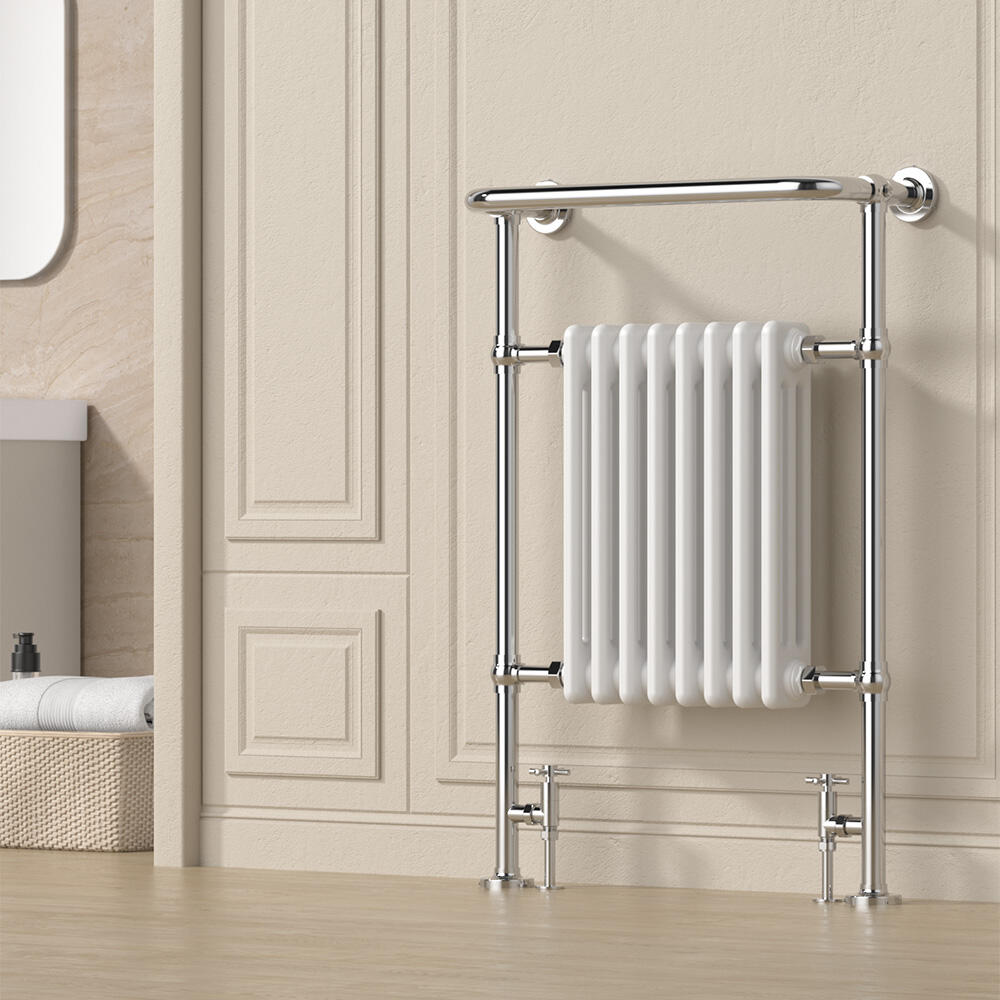
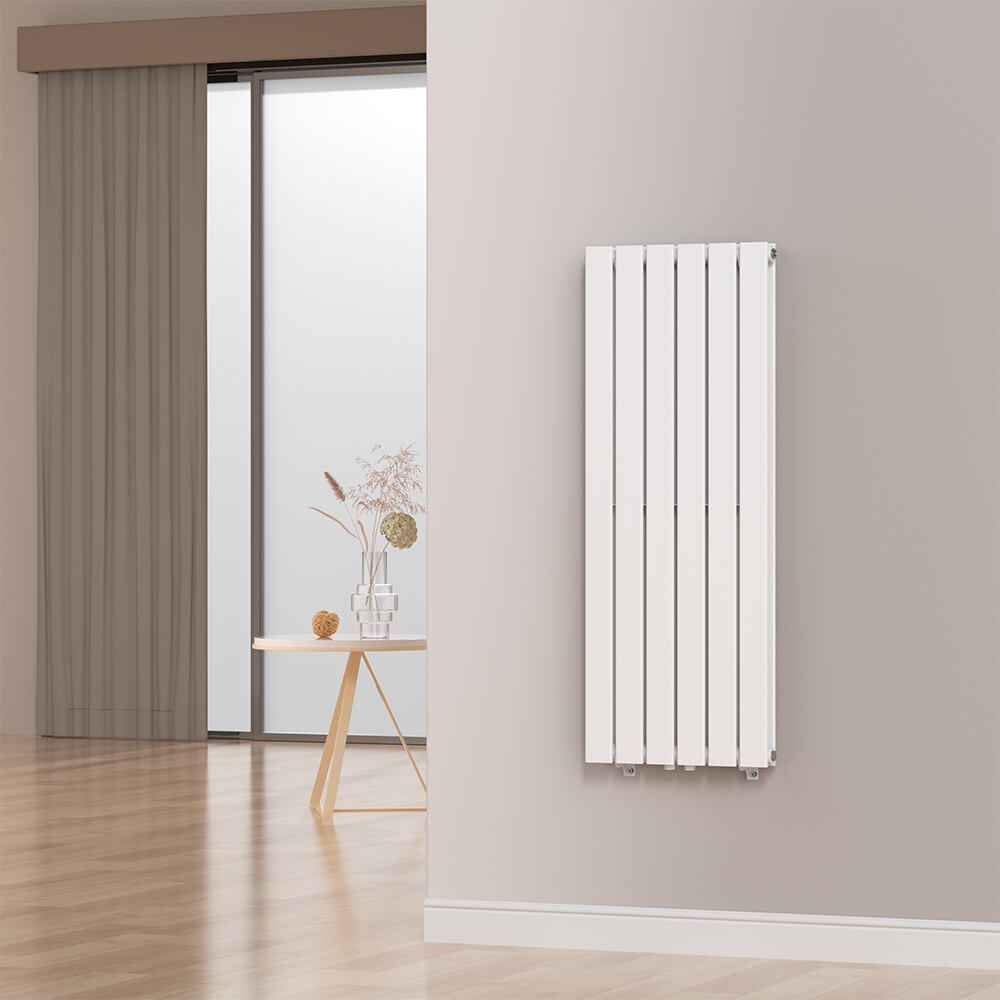
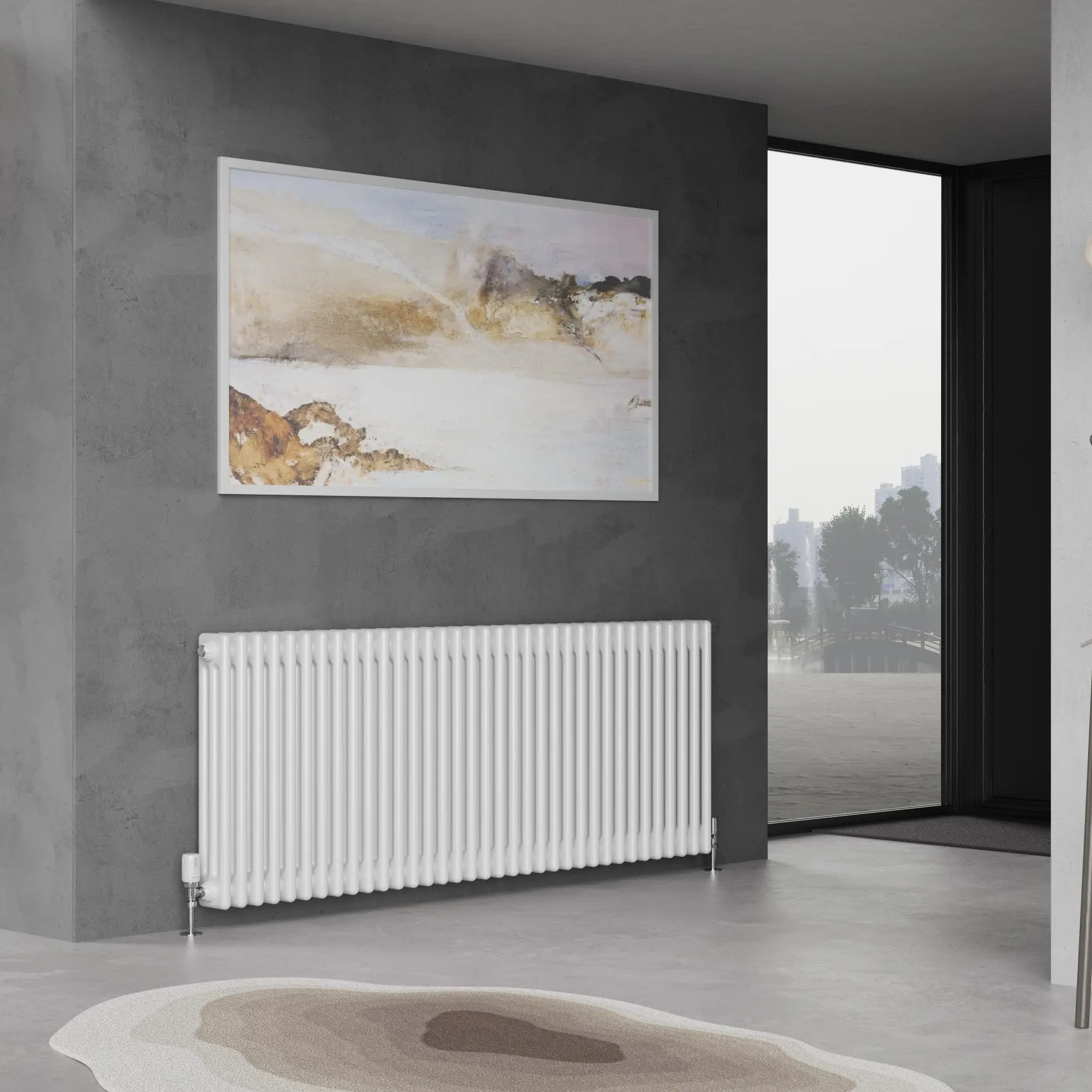
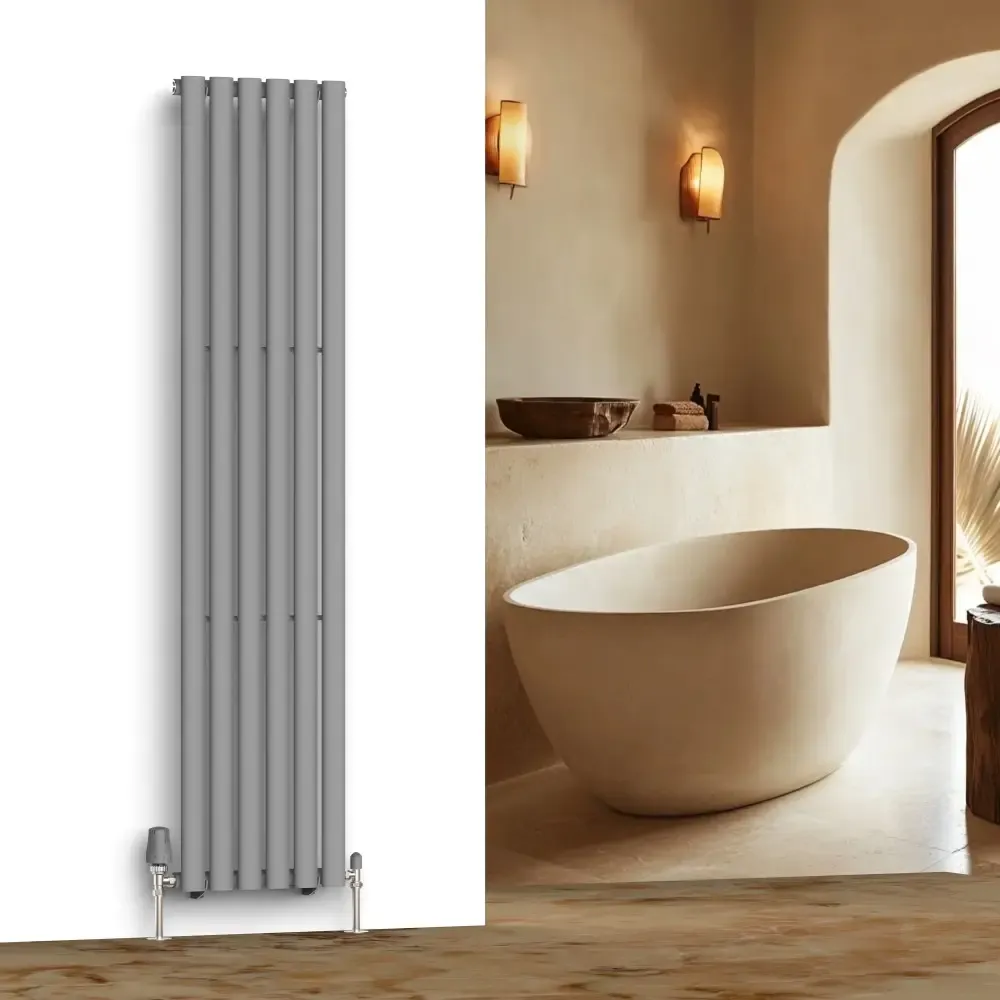
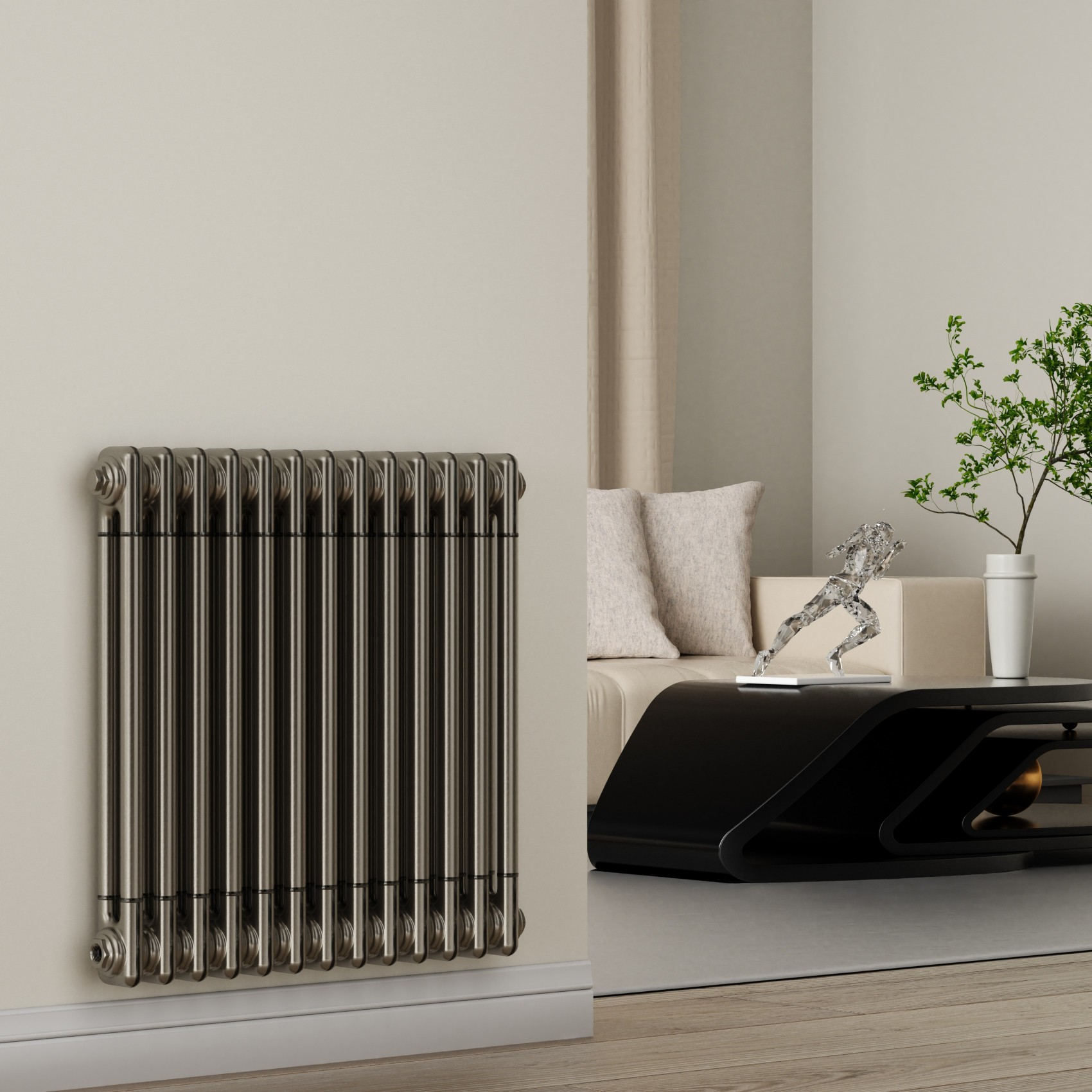
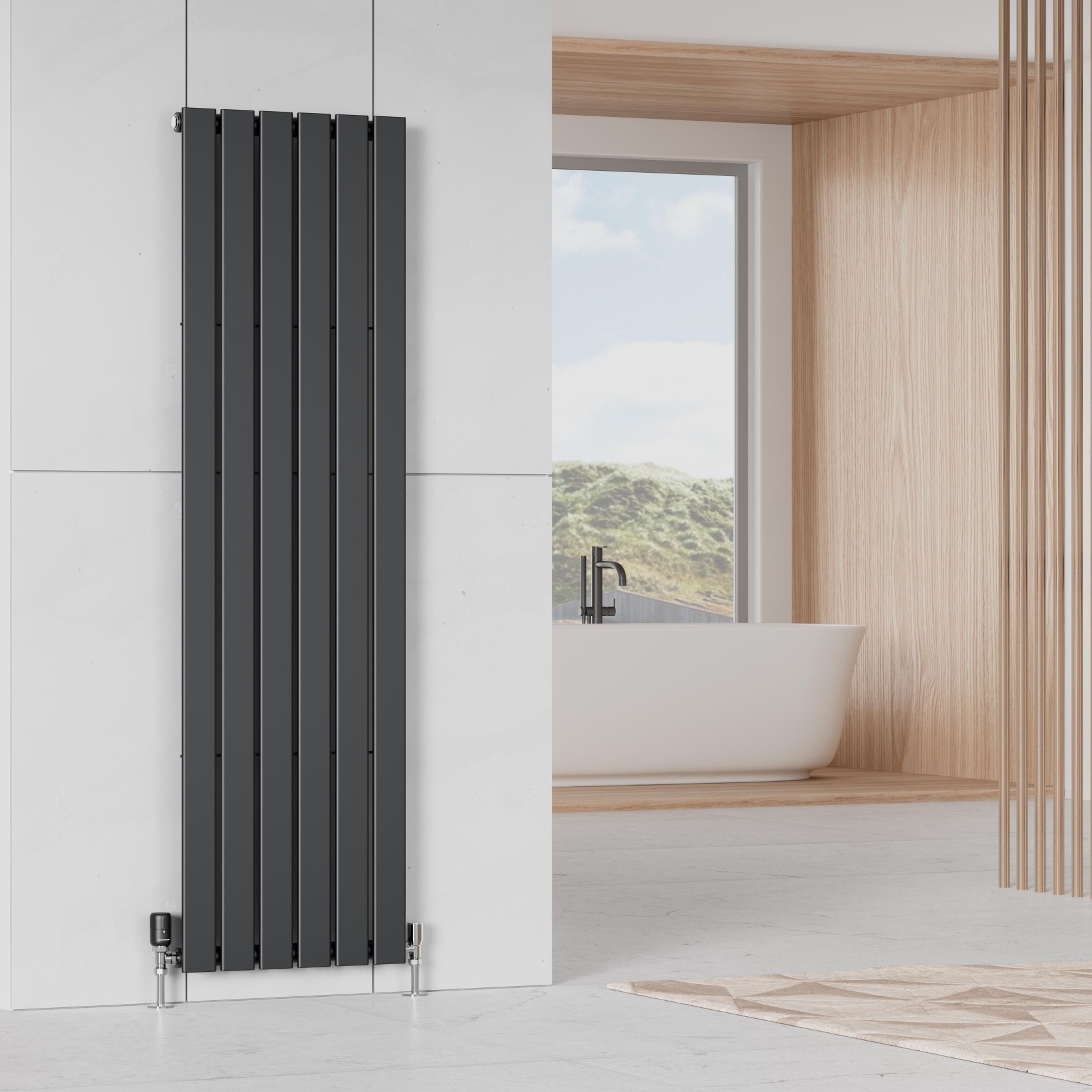
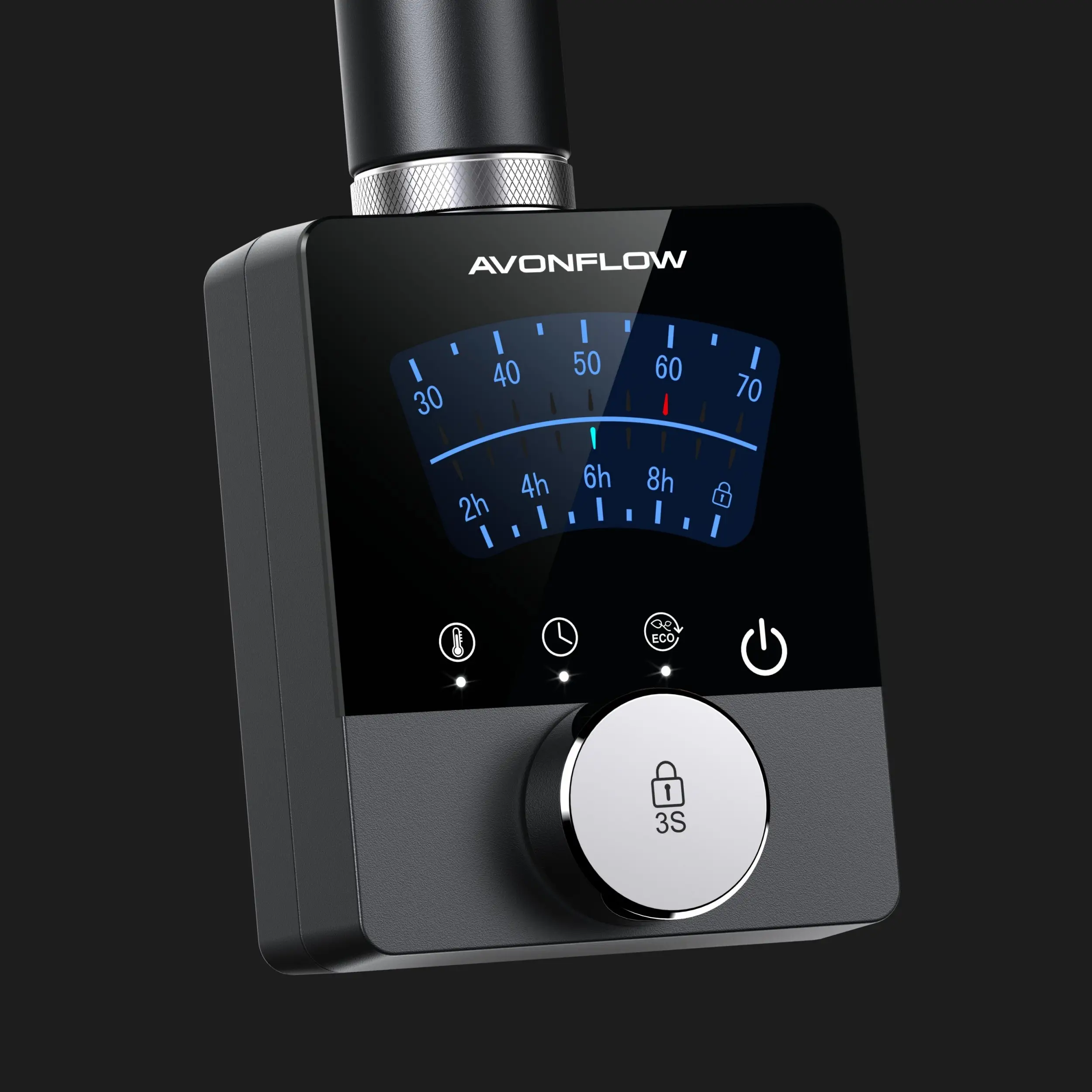
Vertical radiators represent a modern evolution in heating technology, designed to maximize space efficiency while delivering superior thermal performance. These innovative heating solutions stand upright against walls, utilizing vertical space rather than horizontal areas traditionally occupied by conventional radiators. The primary function of vertical radiators centers on distributing heat evenly throughout rooms using advanced convection principles and radiant heat transfer mechanisms. Unlike traditional horizontal models, vertical radiators create powerful thermal columns that rise naturally, promoting better air circulation and more consistent temperature distribution across living spaces. The technological features of vertical radiators include enhanced surface area designs that optimize heat output per square foot of wall space. Many models incorporate multi-column configurations, finned surfaces, and specialized materials such as aluminum, steel, or cast iron that maximize thermal conductivity. Advanced manufacturing techniques ensure precise engineering tolerances, resulting in improved durability and heat transfer efficiency. Modern vertical radiators often feature thermostatic controls, programmable temperature settings, and smart home integration capabilities. Applications for vertical radiators span residential, commercial, and industrial environments where space optimization remains crucial. These heating systems prove particularly valuable in contemporary homes with limited wall space, narrow hallways, bathrooms, kitchens, and modern apartments where floor space commands premium value. Commercial applications include offices, retail spaces, hotels, and healthcare facilities where efficient heating must coexist with aesthetic considerations and space constraints. Industrial applications encompass warehouses, workshops, and manufacturing facilities requiring targeted heating solutions. The versatility of vertical radiators makes them suitable for retrofit projects and new construction alike, accommodating various architectural styles and interior design preferences while maintaining optimal heating performance standards.

 EN
EN