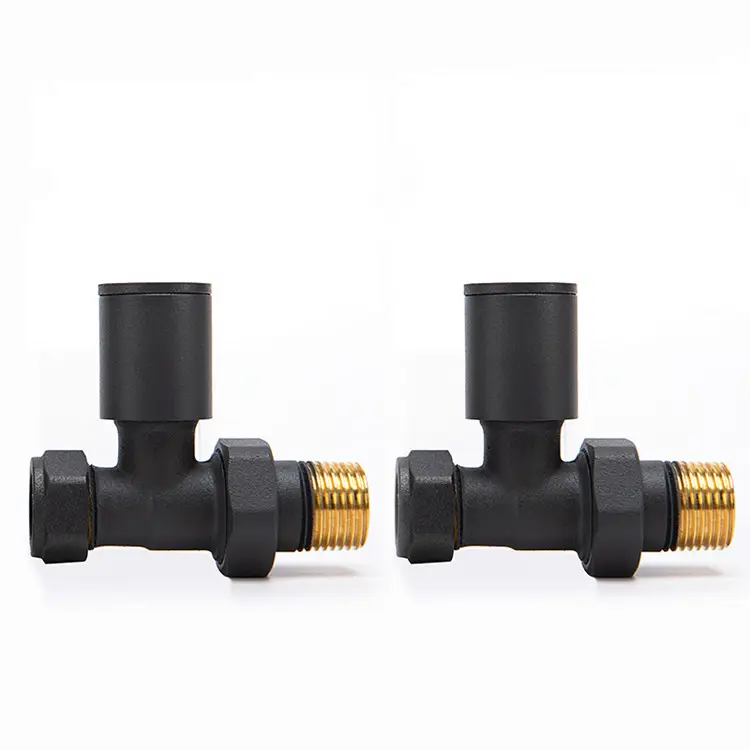
Efficient Radiators Heating Systems: Complete Guide to Benefits, Features & Installation

Get a Free Quote

Our representative will contact you soon.
Email
Name
Company Name
Message
0/1000

radiators heating

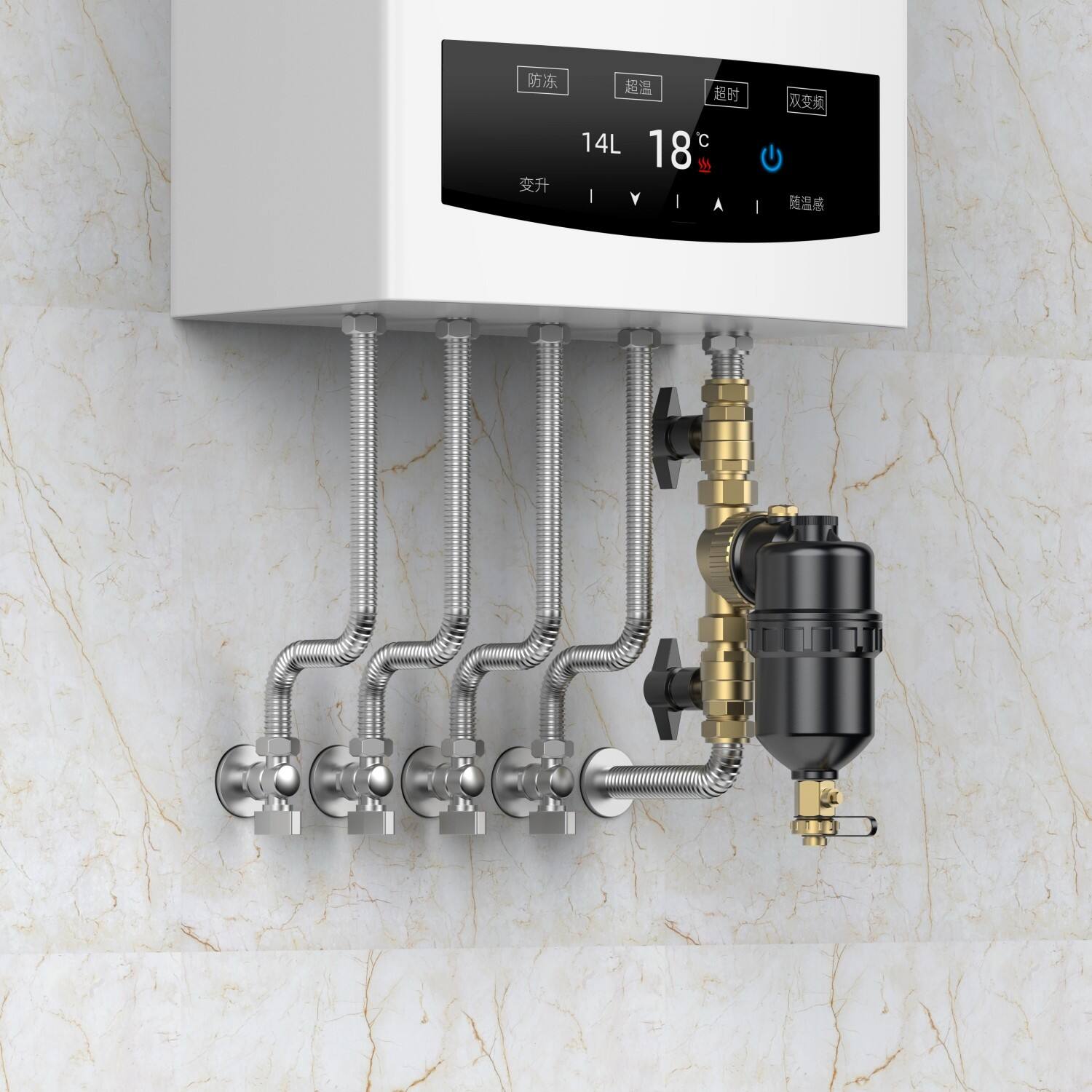
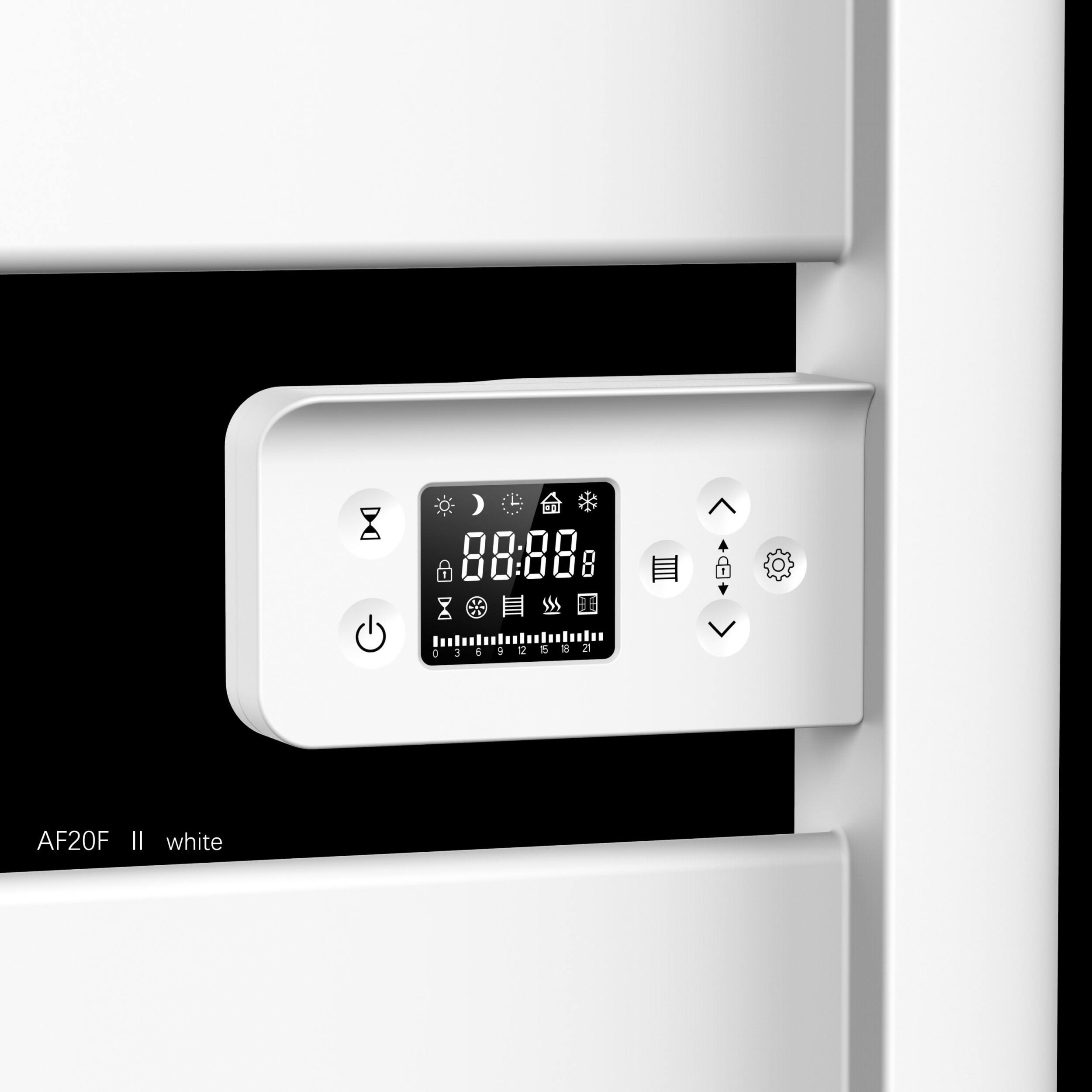
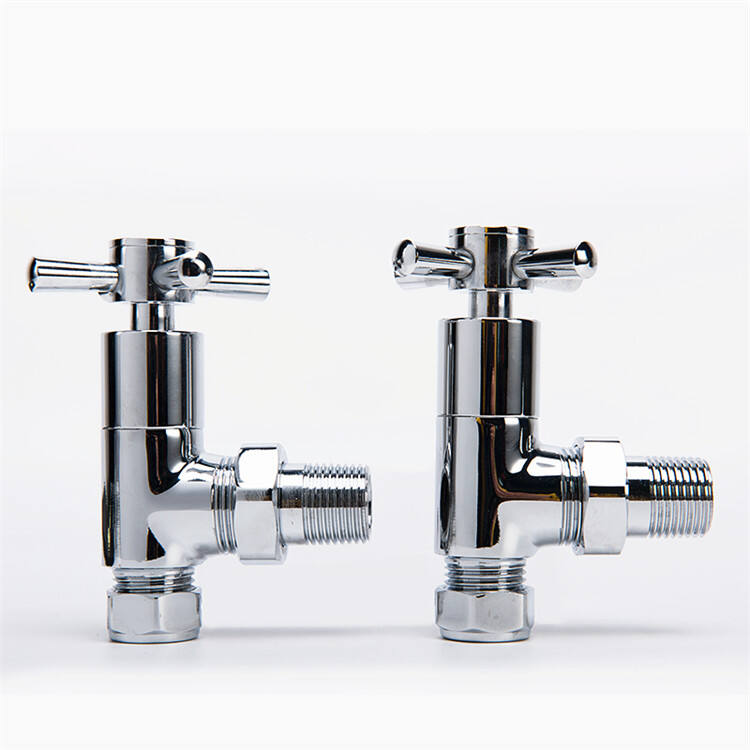
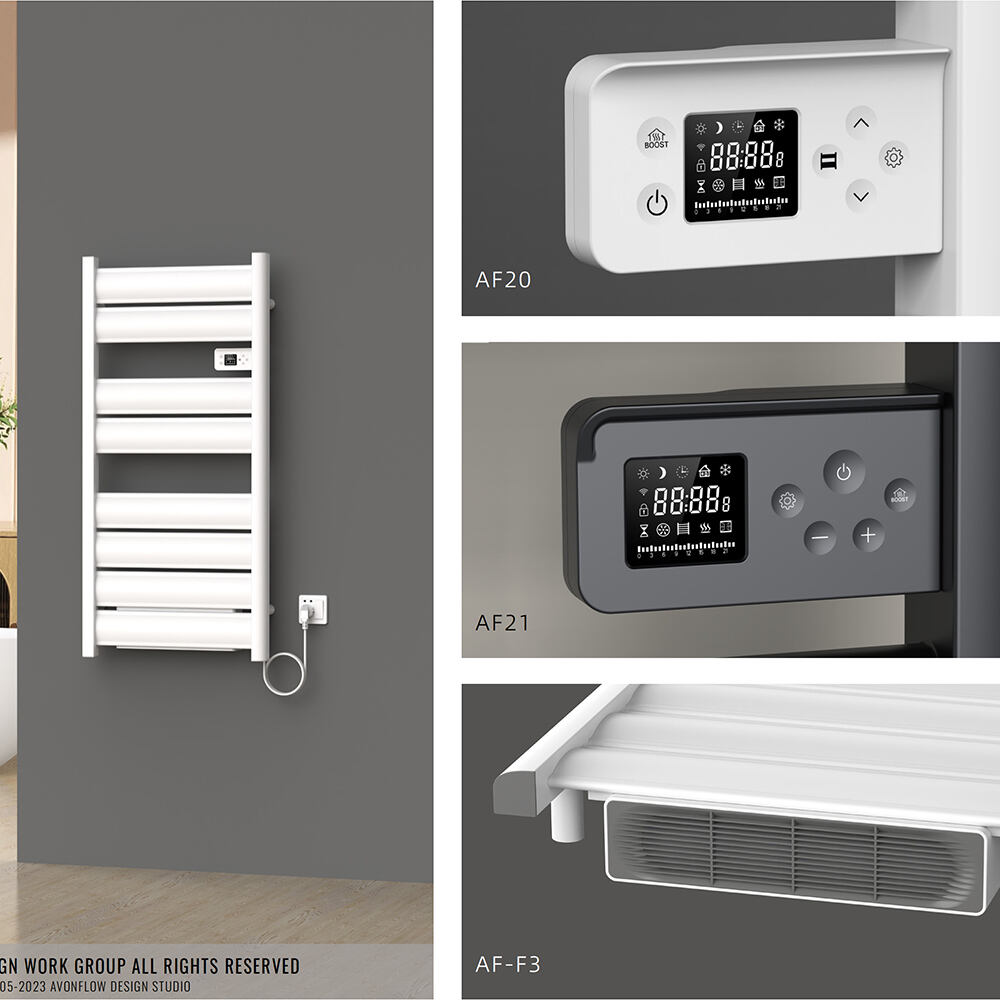
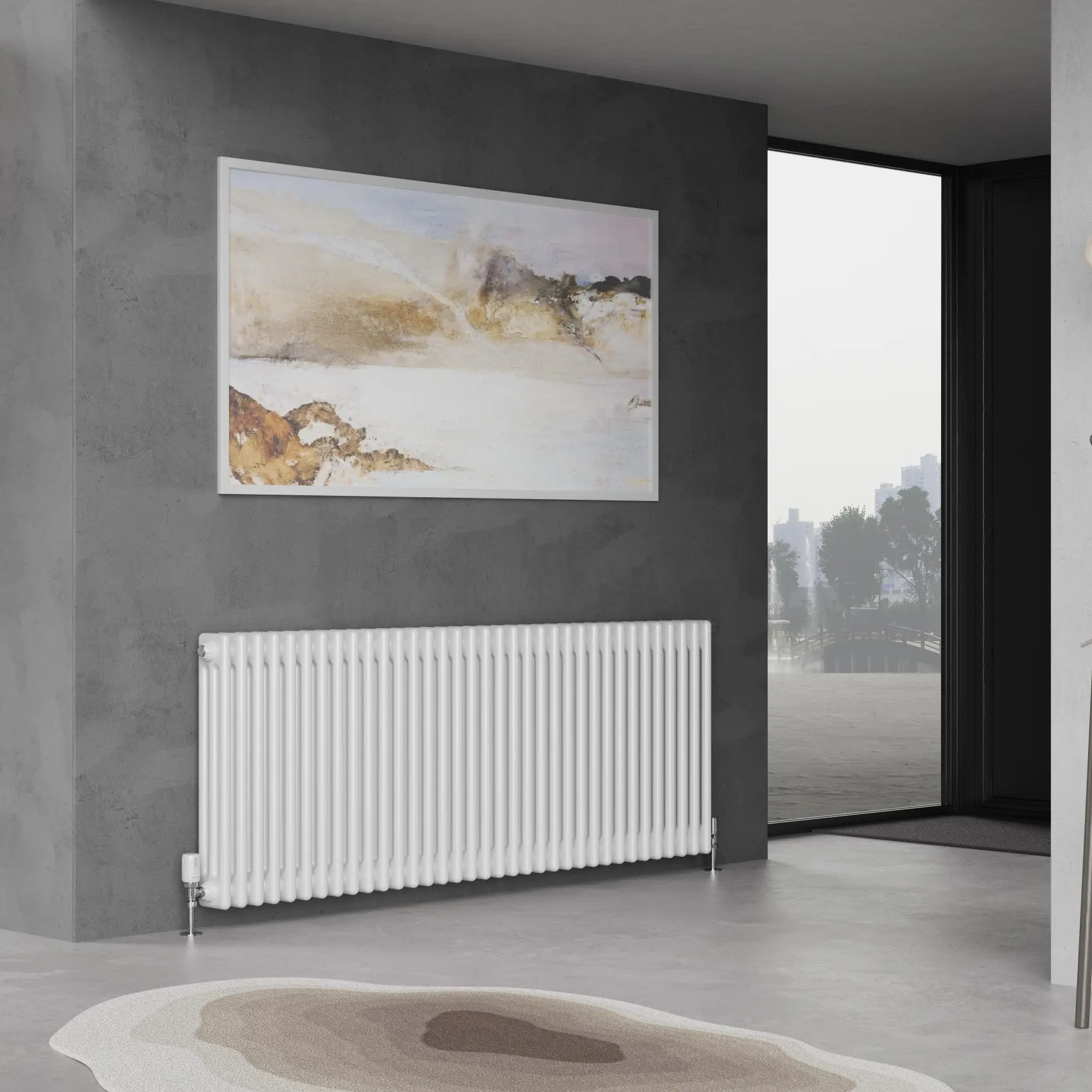
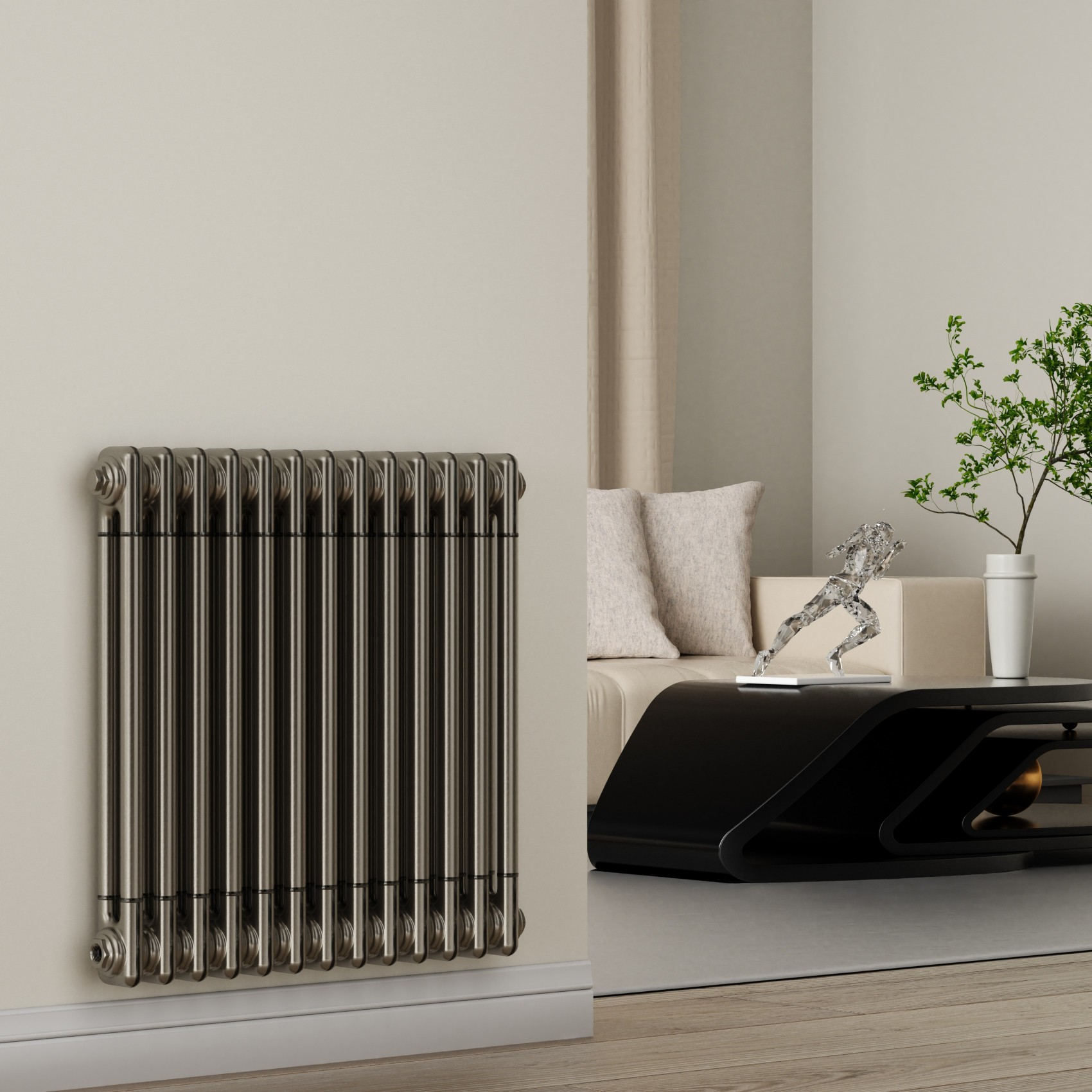
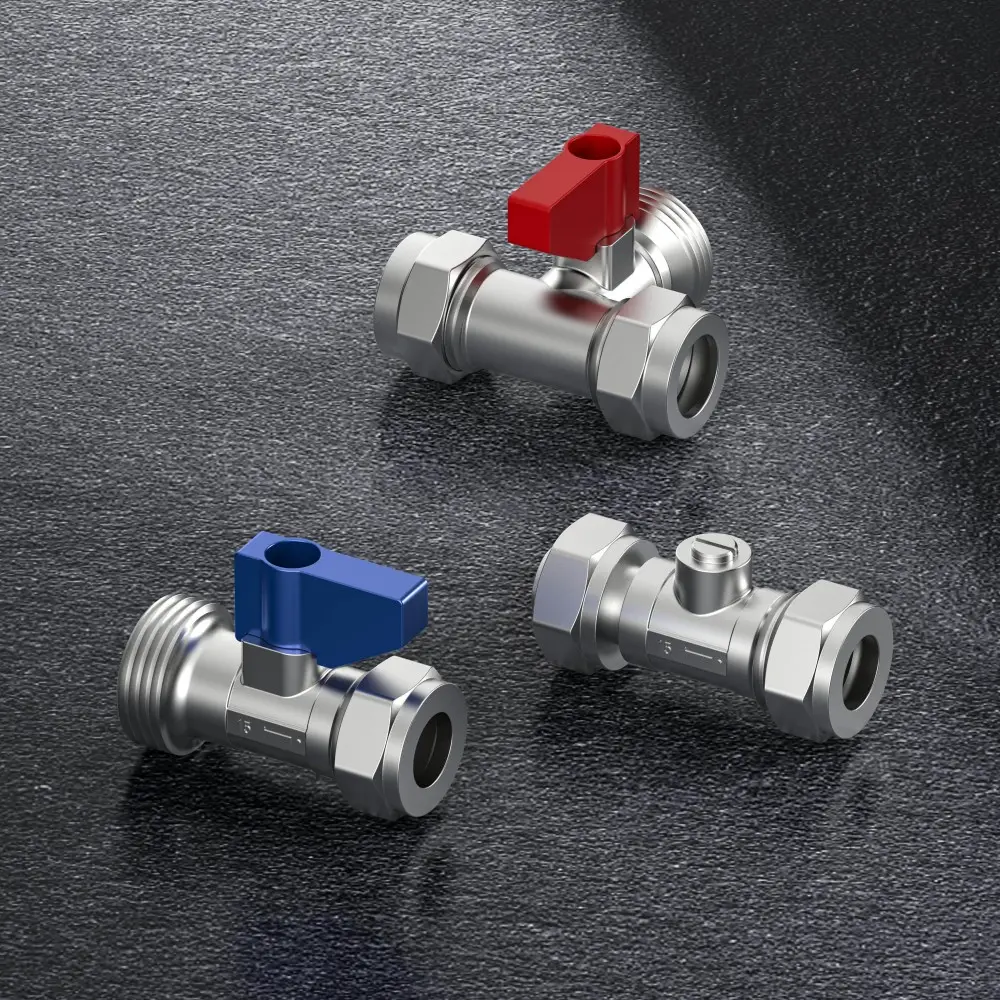
Radiators heating represents a time-tested and highly effective method for warming residential and commercial spaces through the circulation of heated water or steam. This technology operates on the fundamental principle of heat transfer, where hot water flows through a network of pipes connected to radiator units strategically positioned throughout buildings. The radiators heating system consists of several key components including a central boiler, distribution pipes, individual radiator units, and control valves that regulate temperature and flow. Modern radiators heating systems incorporate advanced materials such as aluminum, steel, and cast iron, each offering distinct thermal properties and aesthetic appeal. The main functions of radiators heating encompass zone-controlled temperature regulation, efficient heat distribution, and consistent warmth delivery across multiple rooms simultaneously. Contemporary radiators heating technology features smart thermostatic controls, programmable timers, and energy-efficient designs that optimize fuel consumption while maintaining desired comfort levels. These systems excel in both retrofitting existing structures and new construction projects, adapting seamlessly to various architectural styles and space requirements. The technological features of radiators heating include corrosion-resistant materials, precision-engineered heat exchangers, and advanced circulation pumps that ensure optimal performance and longevity. Applications for radiators heating span residential homes, office buildings, schools, hospitals, and industrial facilities where reliable and consistent heating proves essential. The versatility of radiators heating allows for customization based on specific heating loads, room sizes, and aesthetic preferences, making it suitable for diverse environments from historic buildings to modern sustainable construction projects.


New Product Recommendations

Radiators heating delivers exceptional energy efficiency by providing precise temperature control in individual zones, allowing users to heat only occupied spaces and reduce overall energy consumption significantly. This targeted approach to climate control means homeowners can lower their utility bills while maintaining optimal comfort levels throughout their property. The reliability of radiators heating systems stems from their simple yet robust design, featuring fewer moving parts compared to forced-air systems, which translates to reduced maintenance requirements and longer operational lifespans. Unlike heating systems that rely on ductwork, radiators heating eliminates concerns about air leaks, dust circulation, or allergen distribution, creating healthier indoor environments for occupants with respiratory sensitivities or allergies. The quiet operation of radiators heating ensures peaceful living and working environments, as these systems generate minimal noise during operation, making them ideal for bedrooms, libraries, and quiet office spaces. Installation flexibility represents another major advantage, as radiators heating can be implemented in buildings where ductwork installation would be impractical or excessively costly, such as historic structures or homes with limited ceiling space. The aesthetic appeal of modern radiators heating units allows them to serve as functional design elements, with sleek profiles and attractive finishes that complement contemporary interior design schemes while providing essential heating functionality. Radiators heating systems offer superior heat retention capabilities, continuing to radiate warmth even after the heating cycle ends, providing consistent comfort and improved energy efficiency. The zonal control capabilities enable users to customize temperatures in different areas according to usage patterns and preferences, optimizing both comfort and energy consumption. Maintenance requirements for radiators heating remain minimal, typically involving annual system checks and occasional bleeding of air from radiators, making them cost-effective long-term heating solutions. The compatibility of radiators heating with various fuel sources, including natural gas, oil, electricity, and renewable energy systems, provides flexibility for different geographical locations and environmental considerations.

Tips And Tricks

Brass Ball Valve Guide: Sizes and Applications Explained

25

Sep

Brass Ball Valve Guide: Sizes and Applications Explained

Understanding the Versatility of Brass Ball Valves in Modern Flow Control In the world of fluid control systems, brass ball valves stand as a testament to engineering excellence and practical functionality. These essential components play a crucial r...
View More
What Are the Benefits of Installing a Heated Towel Rack in Your Bathroom?

25

Sep

What Are the Benefits of Installing a Heated Towel Rack in Your Bathroom?

Transform Your Bathroom Experience with Modern Heating Solutions The bathroom has evolved from a purely functional space to a personal sanctuary where comfort meets luxury. Among the most sophisticated additions to modern bathrooms, a heated towel ra...
View More
What Is the Difference Between a Heated Towel Rail and Radiator?

03

Nov

What Is the Difference Between a Heated Towel Rail and Radiator?

Understanding Home Heating Solutions: Towel Rails vs Radiators When it comes to keeping your bathroom warm and your towels cozy, you might find yourself wondering about the best heating solution. The distinction between a heated towel rail and radiat...
View More
What Makes a Panel Heater a Practical Choice for Home Heating?

25

Nov

What Makes a Panel Heater a Practical Choice for Home Heating?

When winter temperatures drop and energy costs continue to rise, homeowners increasingly seek efficient and versatile heating solutions that deliver consistent warmth without breaking the budget. A panel heater represents one of the most practical an...
View More

Get a Free Quote

Our representative will contact you soon.
Email
Name
Company Name
Message
0/1000

radiators heating

Superior Energy Efficiency and Cost Savings

Superior Energy Efficiency and Cost Savings

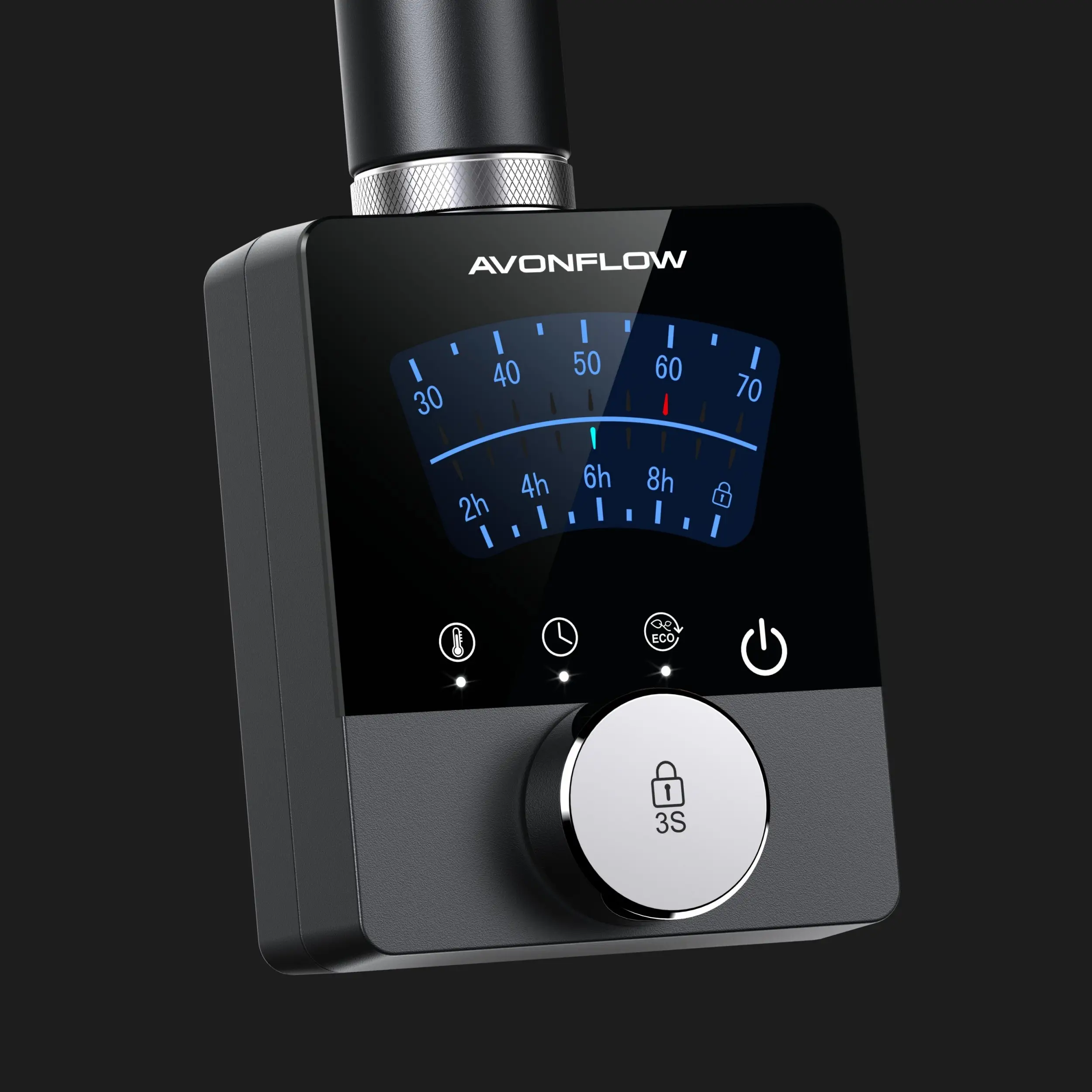
Radiators heating systems demonstrate outstanding energy efficiency through their ability to provide precise, zone-based temperature control that significantly reduces energy waste and operational costs. Unlike central forced-air systems that heat entire buildings uniformly, radiators heating allows property owners to selectively warm specific areas based on occupancy and usage patterns, resulting in substantial energy savings of up to thirty percent compared to traditional heating methods. The thermal mass properties inherent in radiators heating units enable them to retain and gradually release heat long after the heating cycle has completed, extending the duration of comfortable temperatures without continuous energy input. This heat retention characteristic means that radiators heating systems operate in shorter, more efficient cycles, reducing strain on boilers and extending equipment lifespan while maintaining consistent indoor temperatures. Modern radiators heating technology incorporates advanced thermostatic radiator valves that automatically adjust heat output based on room temperature, ensuring optimal comfort while preventing energy waste from overheating. The compatibility of radiators heating with condensing boilers and renewable energy sources such as heat pumps and solar thermal systems further enhances their efficiency credentials, enabling property owners to achieve impressive energy performance ratings and qualify for various green building certifications. Smart controls and programmable timers integrated into contemporary radiators heating systems allow users to create customized heating schedules that align with daily routines, automatically reducing temperatures during unoccupied periods and warming spaces before inhabitants return. The zonal nature of radiators heating eliminates the energy losses associated with ductwork systems, where heated air can lose significant temperature as it travels through uninsulated spaces, ensuring that virtually all generated heat reaches its intended destination efficiently.
Exceptional Comfort and Indoor Air Quality

Exceptional Comfort and Indoor Air Quality

Radiators heating systems provide unparalleled comfort through their gentle, radiant heat distribution method that creates more natural and pleasant indoor environments compared to forced-air alternatives. The radiant heat produced by radiators heating warms objects and surfaces within rooms rather than simply heating air, resulting in more even temperature distribution and eliminating the cold spots and drafts commonly experienced with other heating systems. This radiant heating approach closely mimics the natural warmth of sunlight, creating comfortable living and working spaces that feel consistently warm at lower air temperatures, allowing occupants to maintain comfort while reducing overall energy consumption. Unlike forced-air systems that can create uncomfortable temperature fluctuations and air movement, radiators heating maintains stable thermal conditions that promote better sleep quality and increased productivity in work environments. The superior indoor air quality benefits of radiators heating stem from the absence of forced air circulation, which eliminates the distribution of dust, allergens, pet dander, and other airborne particles throughout buildings. This characteristic makes radiators heating particularly beneficial for individuals with allergies, asthma, or other respiratory conditions, as the system does not continuously recirculate potentially contaminated air. The humidity levels in spaces heated by radiators heating remain more stable compared to forced-air systems, which can cause excessive drying of indoor air during heating seasons, reducing static electricity buildup and maintaining more comfortable conditions for occupants. Radiators heating systems operate silently, creating peaceful environments that support concentration, relaxation, and quality sleep without the noise disturbances associated with cycling fans and air handlers. The elimination of ductwork in radiators heating systems prevents the accumulation of dust, mold, and bacteria that can develop within air distribution networks, ensuring cleaner air quality and reducing the need for frequent duct cleaning and maintenance.
Versatile Design Integration and Long-Term Reliability

Versatile Design Integration and Long-Term Reliability

Radiators heating systems offer exceptional design versatility and aesthetic integration possibilities that allow them to enhance rather than detract from interior design schemes while providing reliable, long-lasting heating performance. Modern radiators heating units are available in diverse styles, sizes, colors, and materials, ranging from sleek minimalist designs that blend seamlessly with contemporary decor to ornate traditional styles that complement period architecture and vintage interior themes. The compact footprint of individual radiators heating units enables flexible placement options that optimize both heating efficiency and spatial functionality, allowing designers to incorporate heating elements as attractive architectural features rather than necessary but unsightly mechanical equipment. Vertical radiators heating models maximize wall space utilization in rooms with limited floor area, while horizontal designs can serve as effective room dividers or decorative elements beneath windows, demonstrating the adaptability of radiators heating to various spatial constraints and design requirements. The manufacturing materials used in quality radiators heating systems, including cast iron, steel, and aluminum, are selected for their durability and corrosion resistance, ensuring decades of reliable operation with minimal maintenance requirements and consistent performance standards. Installation flexibility represents a significant advantage of radiators heating systems, as they can be retrofitted into existing buildings without major structural modifications or the extensive renovations required for ductwork installation, making them ideal solutions for historic buildings, apartments, and structures with architectural constraints. The modular nature of radiators heating allows for easy system expansion or modification as building usage patterns change, enabling property owners to add heating capacity to new rooms or adjust system configurations without replacing entire heating infrastructures. Professional installation of radiators heating systems typically requires less time and disruption compared to central air systems, minimizing inconvenience for occupants while ensuring proper system commissioning and optimal performance from the initial startup period through years of reliable service.

Get a Free Quote

Our representative will contact you soon.
Email
Name
Company Name
Message
0/1000