
 EN
EN



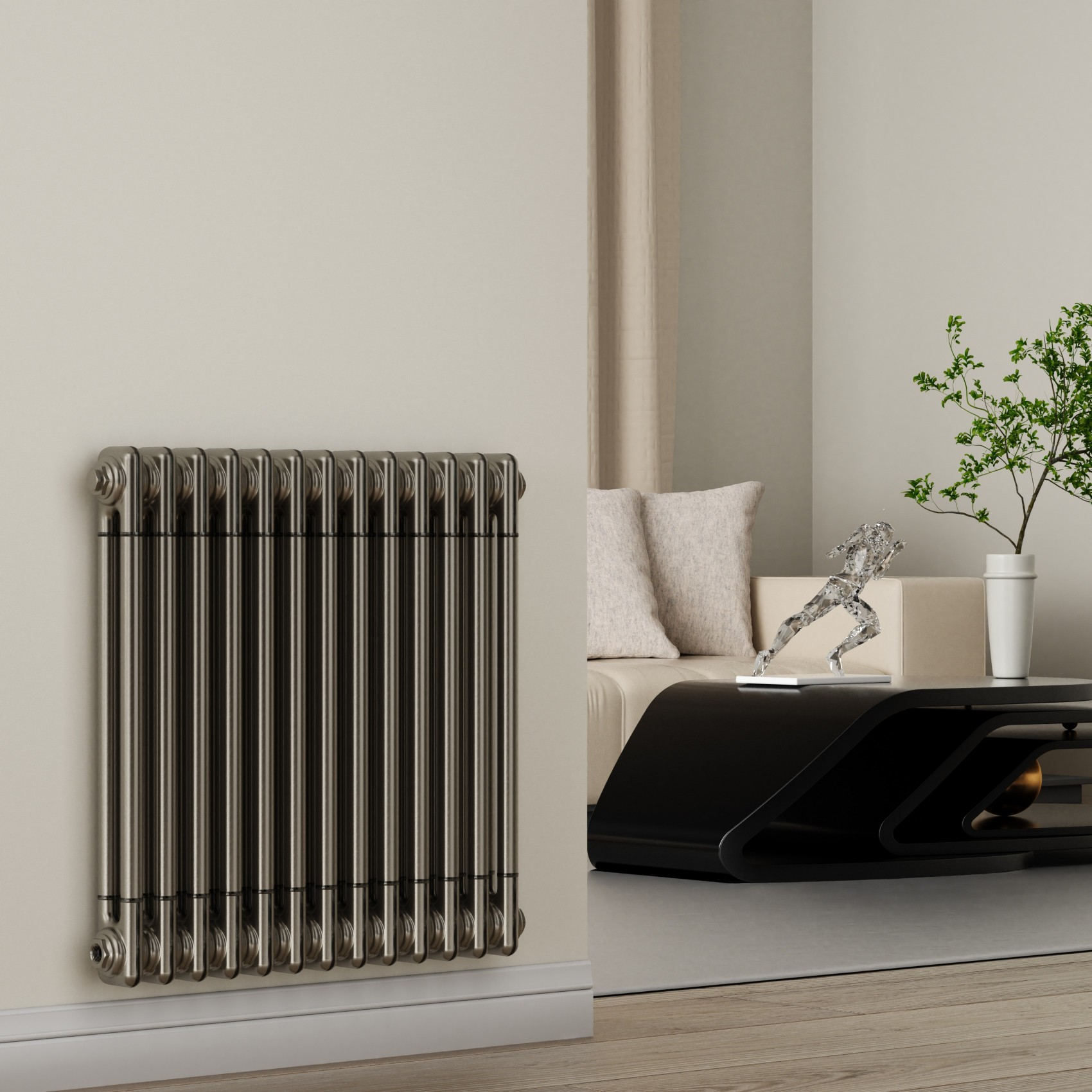
When winter temperatures drop and energy costs continue to rise, homeowners increasingly seek efficient and versatile heating solutions that deliver consistent warmth without breaking the budget. A panel heater represents one of the most practical and cost-effective options available in today's competitive heating market. These sleek, wall-mounted units combine modern design aesthetics with advanced heating technology to provide reliable warmth throughout residential spaces. Unlike traditional bulky radiators or complex HVAC systems, panel heaters offer a streamlined approach to home heating that maximizes comfort while minimizing installation complexity and ongoing maintenance requirements.
Energy Efficiency and Cost-Effective Operation
Advanced Heating Technology
Modern panel heaters incorporate sophisticated heating elements and thermal management systems that optimize energy consumption while delivering consistent heat output. These units typically feature aluminum or steel heating panels with integrated convection channels that promote natural air circulation throughout the room. The thermal mass of quality panel heaters allows them to maintain steady temperatures even after the heating element cycles off, reducing overall energy consumption. Many contemporary models include programmable thermostats and smart controls that enable precise temperature regulation based on occupancy patterns and time schedules.
The efficiency of a panel heater stems from its ability to combine both radiant and convective heating methods in a single compact unit. Radiant heat warms objects and surfaces directly, while convective currents distribute heated air throughout the space. This dual-action approach ensures more even temperature distribution compared to traditional space heaters or baseboard units. Advanced models incorporate variable heat settings and eco-modes that automatically adjust power consumption based on ambient temperature readings and user preferences.
Lower Operating Costs
Panel heaters typically consume less electricity than comparable heating devices due to their efficient heat transfer mechanisms and responsive temperature controls. The ability to heat individual rooms or zones rather than entire buildings allows homeowners to implement targeted heating strategies that significantly reduce utility bills. Many panel heater installations can replace older, less efficient heating systems and provide measurable energy savings within the first heating season.
The operational cost advantages extend beyond basic energy consumption to include reduced maintenance expenses and longer equipment lifespans. Panel heaters contain fewer moving parts than forced-air systems, which translates to lower service requirements and fewer repair incidents over their operational lifetime. The solid-state construction of quality panel heaters ensures reliable performance for decades with minimal upkeep beyond periodic cleaning and occasional thermostat calibration.
Installation Flexibility and Space-Saving Design
Versatile Mounting Options
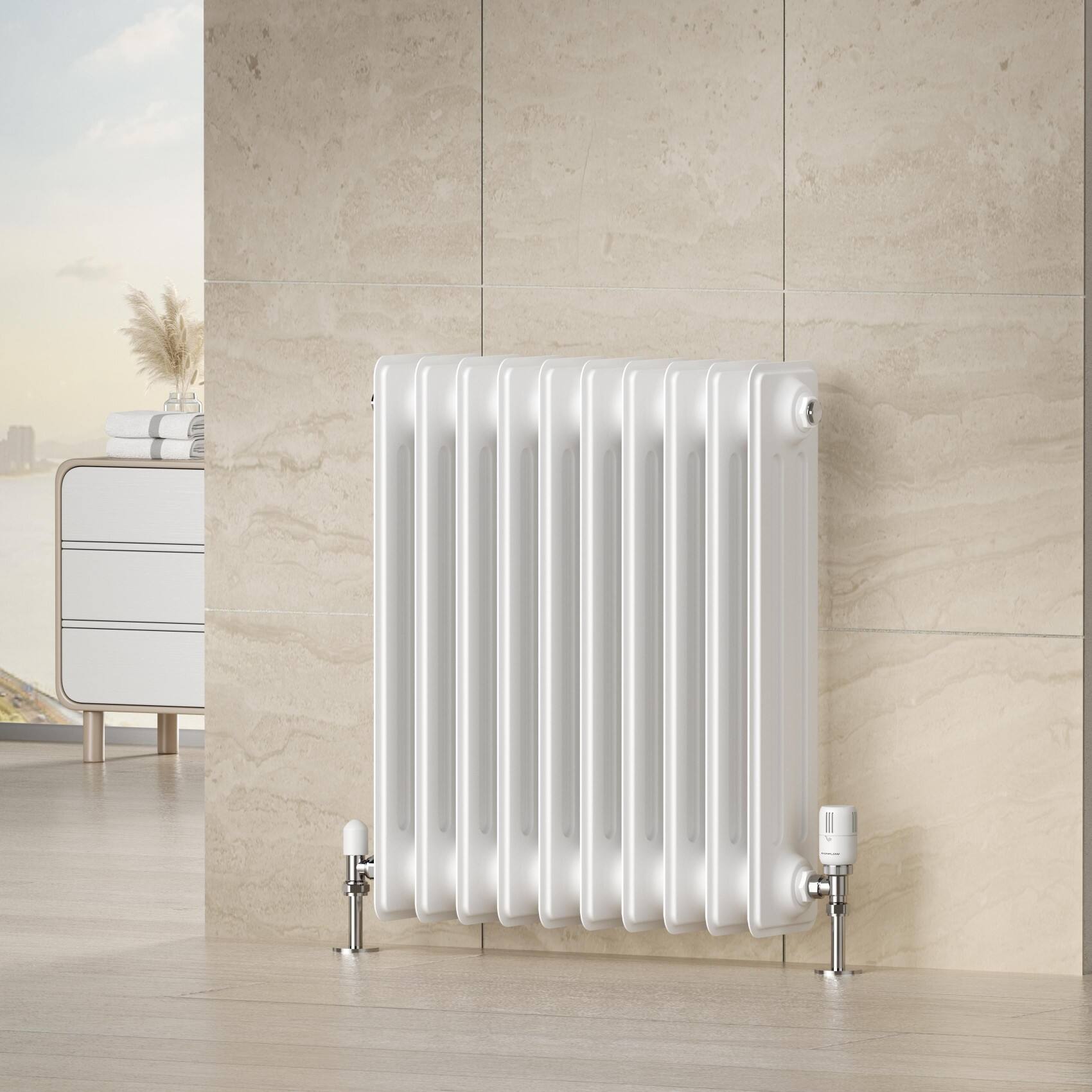
One of the most compelling advantages of panel heater systems lies in their exceptional installation flexibility and minimal space requirements. These units can be mounted on virtually any interior wall surface using standard mounting brackets and basic electrical connections. The slim profile of modern panel heaters allows them to blend seamlessly with existing room decor without consuming valuable floor space or creating visual obstructions.
Wall-mounted panel heaters provide particular benefits in smaller living spaces, apartments, and rooms with limited floor area where traditional radiators or space heaters would create clutter or safety concerns. The ability to position panel heaters at optimal heights for heat distribution ensures maximum efficiency while maintaining clear pathways and usable floor space. Many models offer both hardwired and plug-in installation options to accommodate different electrical configurations and local building codes.
Architectural Integration
Contemporary panel heaters are designed to complement modern interior design trends with clean lines, neutral colors, and minimalist aesthetics that work well in both residential and commercial settings. The sleek appearance of quality panel heaters can actually enhance room decor rather than detract from it, unlike bulky traditional heating equipment that often requires concealment or special accommodations.
The low-profile design enables installation beneath windows, behind furniture, or in other locations where conventional heating units would not fit effectively. This placement flexibility allows homeowners and designers to optimize both heating performance and visual appeal without compromising either consideration. Some premium panel heater models feature customizable front panels or color options that can be coordinated with specific design schemes or brand requirements.
Safety Features and Reliable Performance
Built-in Safety Systems
Modern panel heaters incorporate multiple safety features that provide peace of mind for homeowners concerned about heating equipment risks. Overheat protection systems automatically shut down the unit if internal temperatures exceed safe operating limits, while tip-over switches immediately cut power if the unit becomes dislodged from its mounting position. These safety mechanisms work continuously in the background without requiring user intervention or maintenance.
The solid construction and secure wall mounting of panel heater installations eliminates many common safety concerns associated with portable space heaters, such as accidental contact with heating elements, cord entanglement, or placement near flammable materials. The lack of exposed heating coils or hot surfaces reduces burn risks, making panel heaters particularly suitable for households with children or elderly residents who may have mobility limitations.
Consistent Heat Distribution
Panel heaters deliver more uniform heat distribution than point-source heating devices through their large surface area and integrated convection design. The extended heating panel creates multiple heat zones that work together to eliminate cold spots and maintain comfortable temperatures throughout the coverage area. This consistent performance reduces the need for multiple heating units or supplementary heat sources in most residential applications.
The thermal stability of panel heater systems minimizes temperature fluctuations that can occur with cycling heating equipment. Once the desired temperature is reached, the thermal mass of the heating panel helps maintain steady conditions with minimal energy input. This stable heat output contributes to improved comfort levels and reduced energy waste compared to heating systems that experience significant temperature swings during normal operation.
Environmental Benefits and Sustainability
Reduced Carbon Footprint
Panel heaters contribute to environmental sustainability through their efficient energy utilization and compatibility with renewable energy sources. The precise temperature control and zone heating capabilities enable homeowners to reduce overall energy consumption while maintaining comfortable living conditions. When powered by solar panels or other clean energy sources, panel heaters can provide virtually carbon-neutral heating for residential and commercial applications.
The manufacturing process for quality panel heaters typically involves recyclable materials and sustainable production methods that minimize environmental impact compared to complex heating systems with multiple components and assembly requirements. The long operational lifespan of panel heater installations reduces replacement frequency and associated waste generation over the equipment's service life.
Indoor Air Quality Advantages
Unlike forced-air heating systems that can circulate dust, allergens, and other airborne contaminants, panel heaters operate without fans or air movement mechanisms that disturb settled particles. This characteristic makes panel heaters particularly beneficial for individuals with respiratory sensitivities or allergies who require cleaner indoor air environments.
The absence of combustion processes or fuel burning eliminates concerns about indoor air pollution, carbon monoxide risks, or ventilation requirements that accompany gas or oil heating systems. Panel heaters produce clean, dry heat without introducing moisture, odors, or combustion byproducts into living spaces, contributing to healthier indoor environments for occupants of all ages.
Maintenance and Longevity Considerations
Minimal Service Requirements
Panel heaters require significantly less maintenance than conventional heating systems due to their simple construction and lack of moving parts. Regular cleaning of the exterior surface and occasional inspection of electrical connections represent the primary maintenance tasks needed to ensure optimal performance and safety. The absence of filters, fans, or complex mechanical components eliminates many common service issues that plague other heating equipment types.
The solid-state design of panel heater systems ensures reliable operation without the wear-related failures common in heating equipment with motors, bearings, or other moving components. This reliability translates to lower lifetime ownership costs and reduced inconvenience from unexpected breakdowns or service interruptions during critical heating periods.
Extended Equipment Lifespan
Quality panel heaters are engineered for decades of reliable service under normal residential operating conditions. The robust construction and conservative thermal design of reputable panel heater models ensure stable performance characteristics throughout their extended operational lifetime. Many manufacturers offer comprehensive warranties that reflect confidence in their products' durability and long-term reliability.
The corrosion-resistant materials and sealed construction of modern panel heaters protect internal components from moisture, dust, and other environmental factors that can degrade heating equipment performance over time. This protection ensures consistent heat output and energy efficiency throughout the unit's service life without significant performance degradation or increased operating costs.
FAQ
How much electricity does a panel heater typically consume?
Panel heater electricity consumption varies based on unit size, insulation quality, and desired temperature settings, but most residential models consume between 500 to 2000 watts during active heating cycles. The efficient thermal design and responsive controls of modern panel heaters typically result in 20-30% lower energy usage compared to traditional electric baseboard heaters or space heaters of equivalent capacity. Programmable thermostats and eco-mode features can further reduce consumption by optimizing heating schedules and preventing energy waste during unoccupied periods.
Can panel heaters effectively heat large rooms or open floor plans?
Panel heaters can effectively heat larger spaces when properly sized and strategically positioned, though multiple units may be required for optimal comfort in extensive open areas. The convective air circulation generated by panel heaters helps distribute heat throughout connected spaces, but coverage area depends on ceiling height, insulation levels, and local climate conditions. Most residential panel heaters are designed to comfortably heat rooms up to 150-200 square feet, with larger or multiple units needed for bigger spaces.
What installation requirements should homeowners consider?
Panel heater installation typically requires access to appropriate electrical circuits and suitable wall mounting locations with adequate clearance from furniture and drapery. Most models need dedicated 120V or 240V electrical connections depending on power requirements, and local building codes may specify installation height and clearance distances. Professional installation ensures proper electrical connections and optimal positioning for safety and performance, though many homeowners can successfully install smaller plug-in models following manufacturer guidelines.
How do panel heaters compare to other electric heating options?
Panel heaters generally offer superior energy efficiency, safety features, and aesthetic appeal compared to portable space heaters, while providing more flexible installation options than fixed baseboard or radiant floor systems. The combination of radiant and convective heating in panel heater designs typically delivers more comfortable and even temperature distribution than single-mode heating devices. While initial costs may be higher than basic space heaters, the improved efficiency, safety, and longevity of panel heaters usually provide better long-term value for permanent heating solutions.