Superior Comfort and Air Quality Benefits
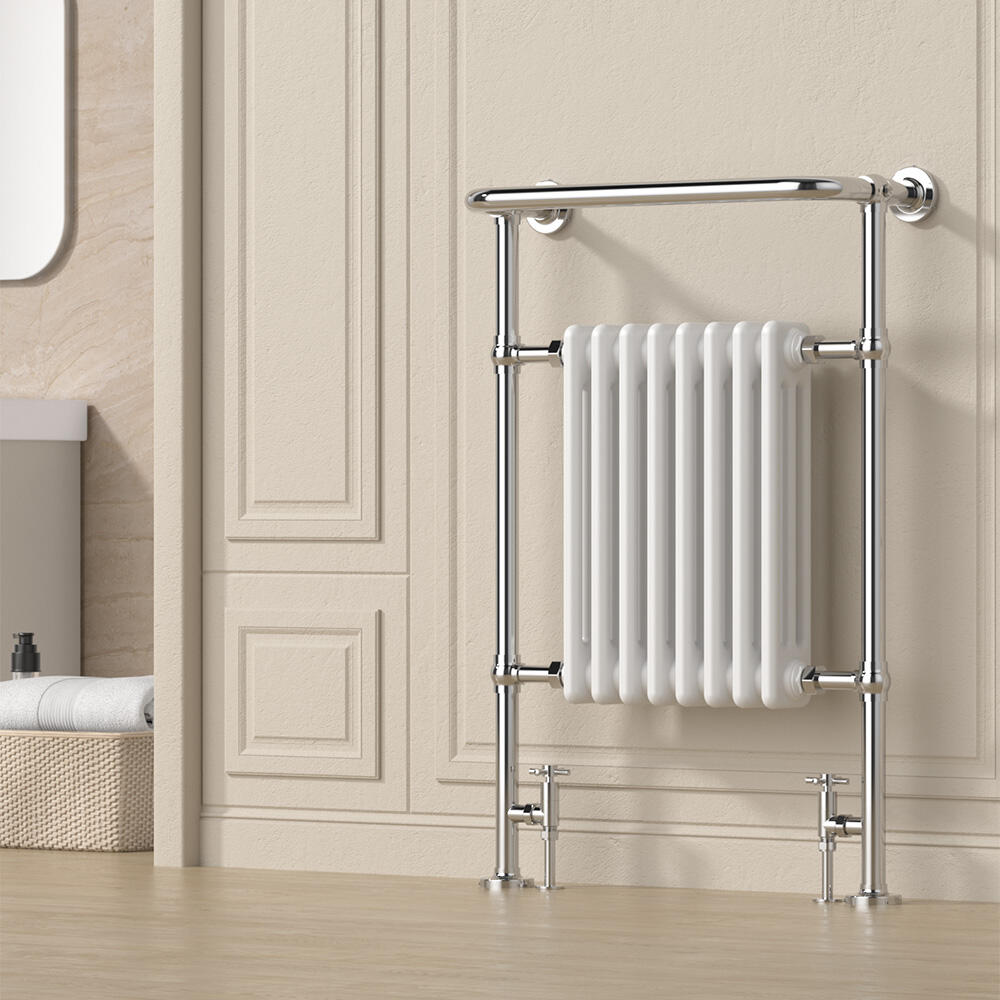
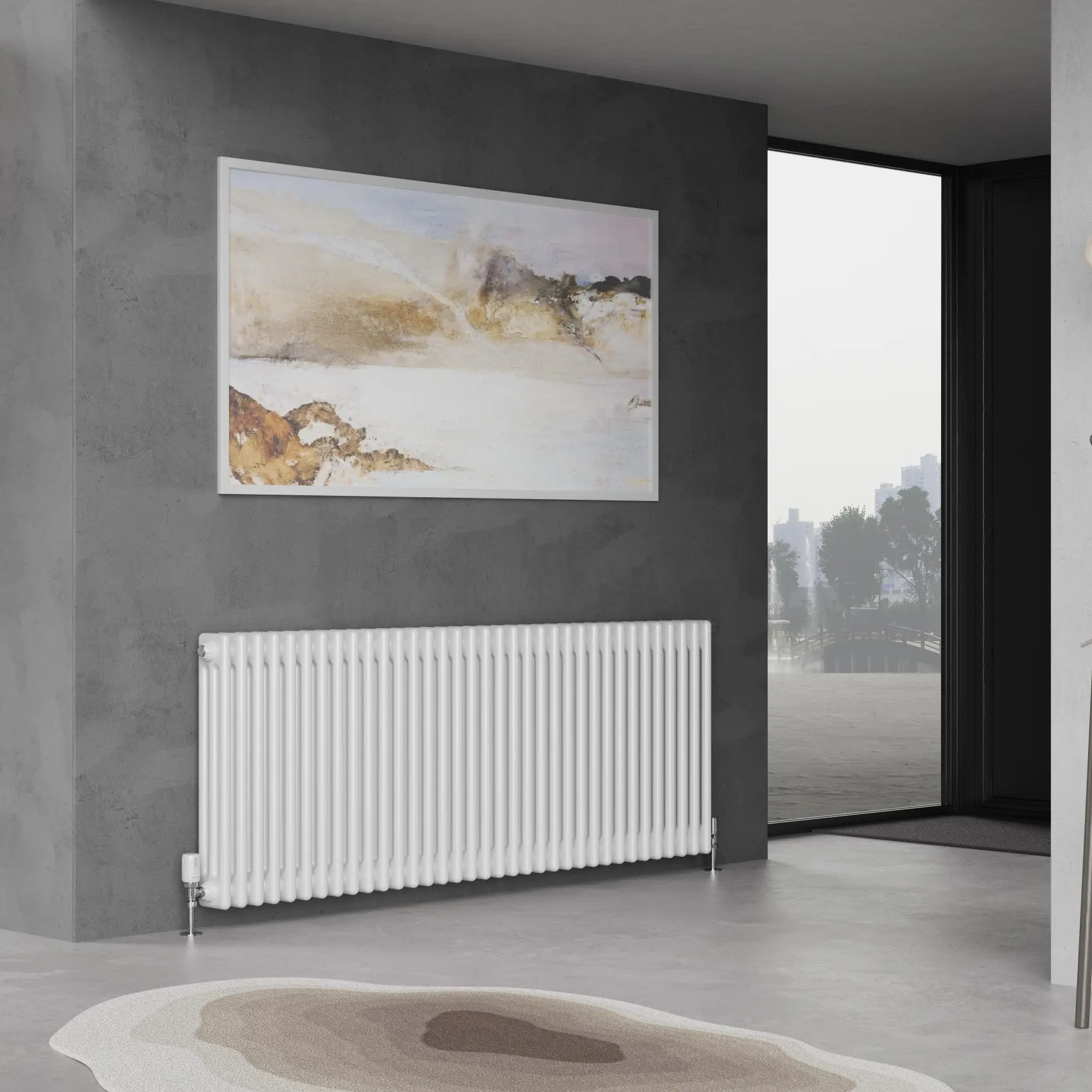
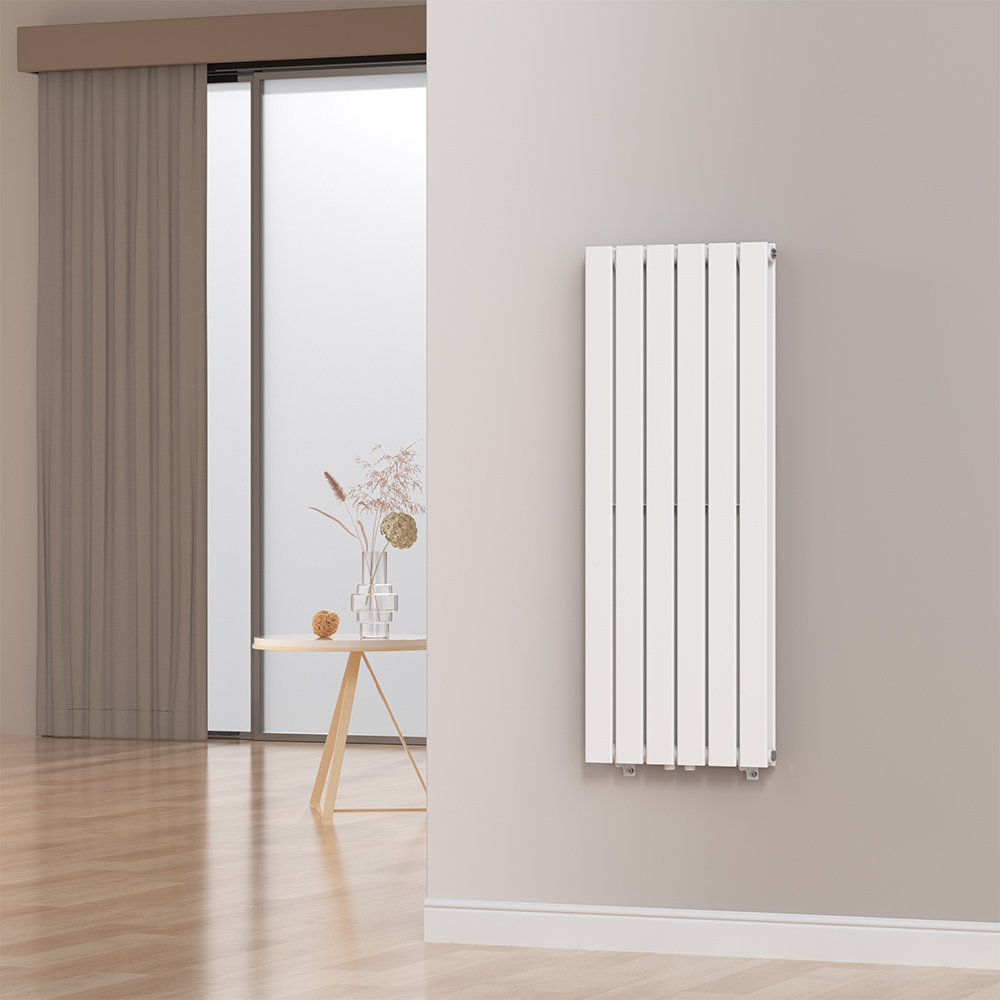
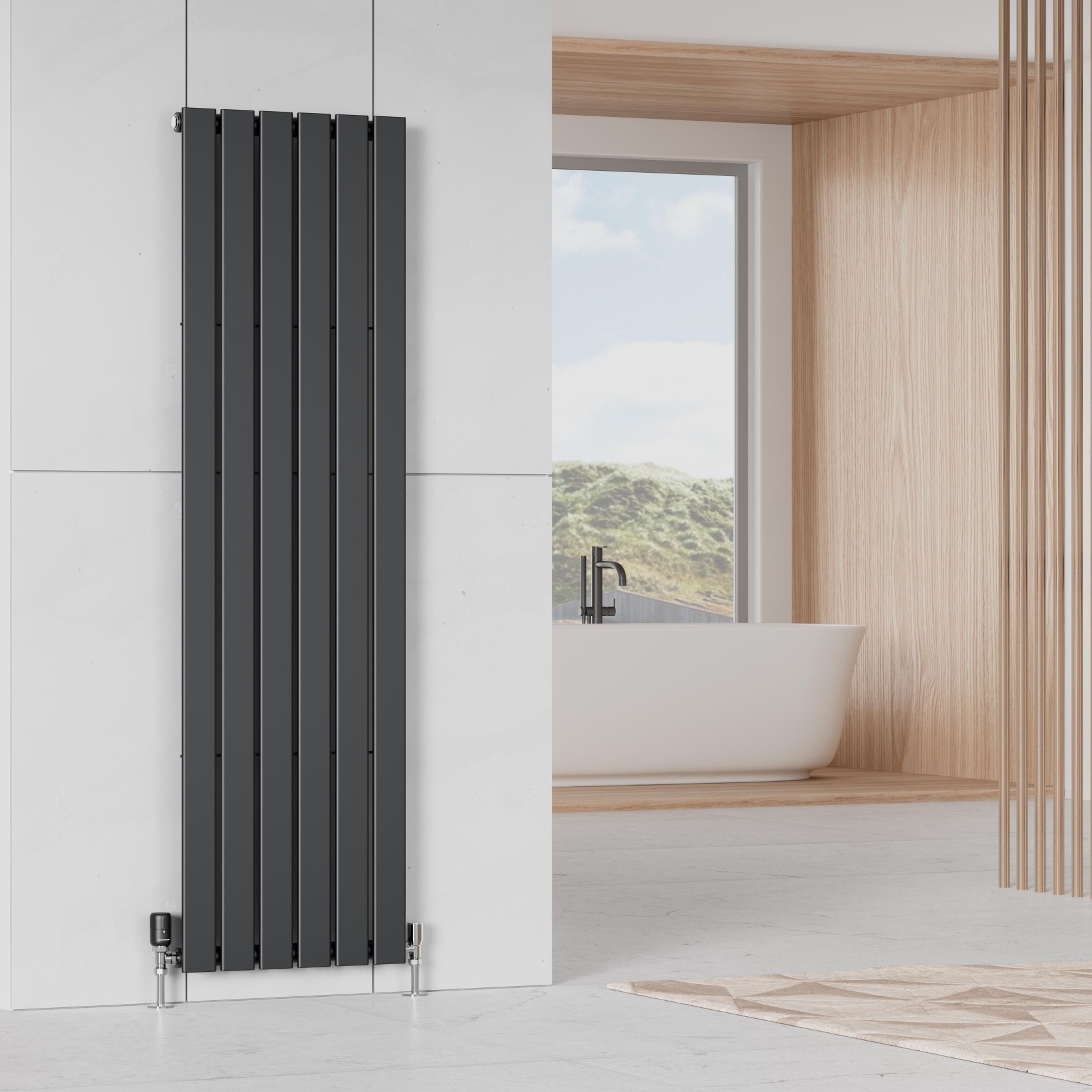
Modern radiators deliver exceptional comfort through radiant heating technology that creates naturally pleasant environments without the air quality compromises associated with conventional forced-air systems. The gentle radiant warmth penetrates surfaces and objects evenly, eliminating cold spots and temperature variations that create discomfort in traditional heating scenarios. Unlike systems that rely on air circulation, modern radiators maintain optimal humidity levels naturally, preventing the dry air conditions that cause respiratory irritation, skin problems, and static electricity buildup. The absence of forced air movement means dust, pollen, pet dander, and other allergens remain settled rather than being continuously circulated throughout living spaces. This characteristic makes modern radiators particularly beneficial for individuals with asthma, allergies, or other respiratory sensitivities who require cleaner indoor air environments. The consistent temperature distribution eliminates drafts and cold zones near windows and exterior walls, creating uniform comfort throughout entire rooms regardless of outdoor weather conditions. Radiant heating provides therapeutic benefits by gently warming the body from the outside in, improving circulation and reducing joint stiffness commonly experienced during cold weather periods. Modern radiators operate silently without the noise disruptions caused by blower fans, ductwork expansion, or air movement sounds that can interfere with sleep and concentration. The heating method preserves natural air stratification patterns, maintaining comfortable temperatures at human level while avoiding excessive ceiling heating that wastes energy. Temperature stability remains consistent without the cycling variations experienced with other heating systems, providing steady comfort that adapts gradually to changing conditions. The improved air quality and comfort benefits contribute to better sleep quality, enhanced productivity in work environments, and overall improved well-being for occupants throughout heated seasons.

 EN
EN