brass ball valve
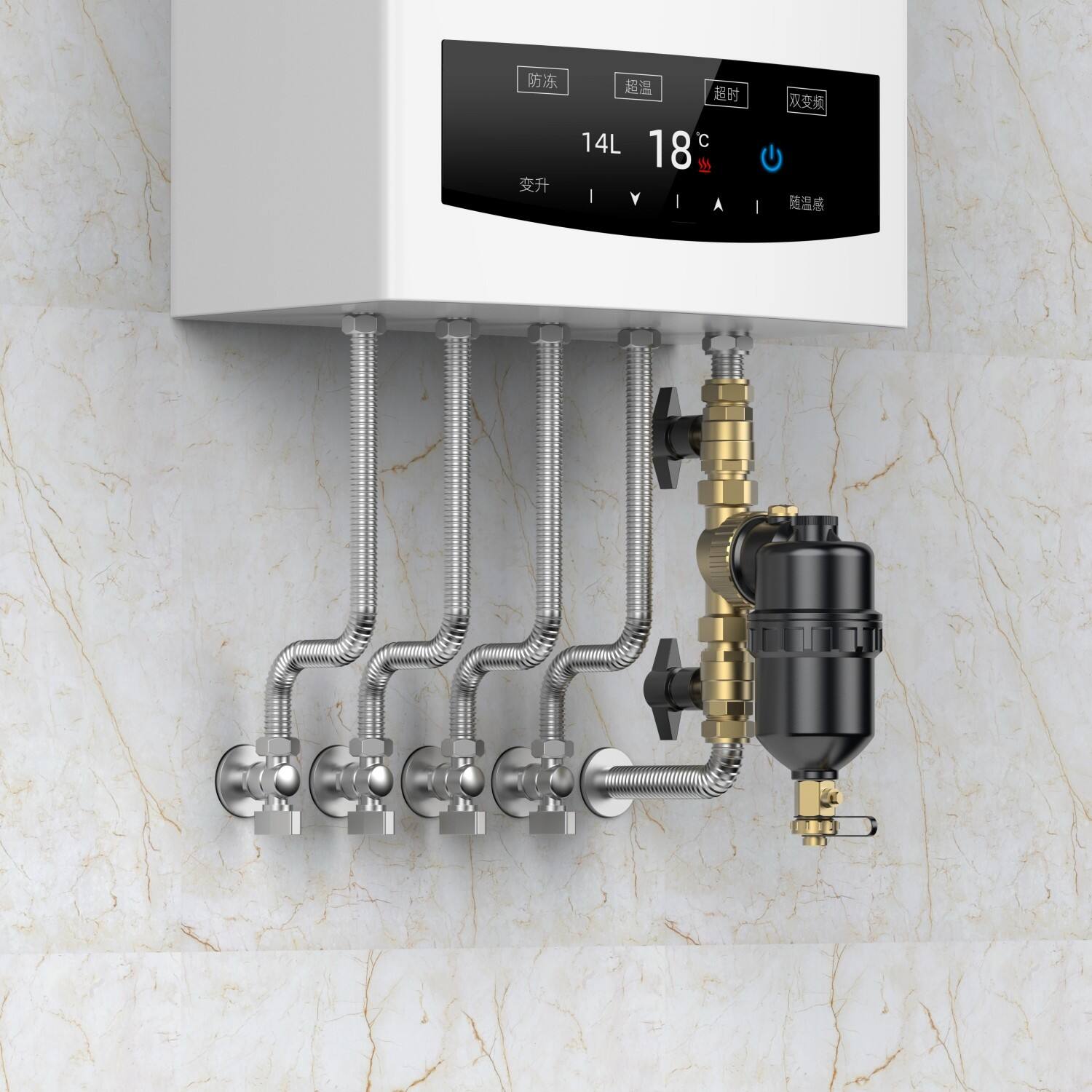
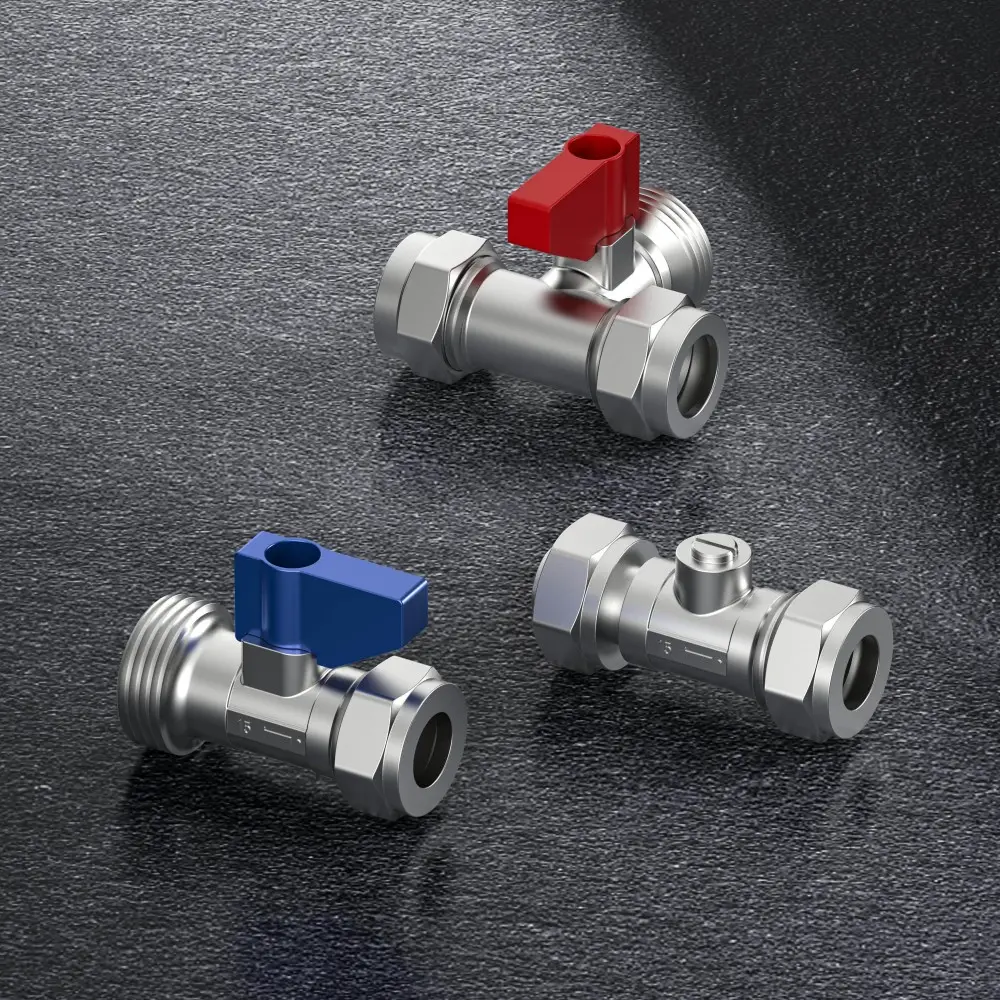
The brass ball valve represents a cornerstone of modern fluid control technology, engineered to deliver precise flow regulation across diverse industrial and residential applications. This essential component features a spherical closure element with a central bore that aligns with the pipeline when open, allowing unrestricted fluid passage. When rotated ninety degrees, the solid portion of the ball blocks the flow path completely, creating an effective seal. The brass ball valve construction utilizes high-quality brass alloy, typically composed of copper and zinc, which provides exceptional corrosion resistance and mechanical strength. The valve body houses a precisely machined brass ball that rotates within carefully engineered seats, usually made from PTFE or other durable polymer materials. This design ensures smooth operation and reliable sealing performance over extended service periods. The actuating mechanism consists of a stem connected to the ball, operated either manually through a lever handle or automatically via pneumatic or electric actuators. The brass ball valve design incorporates multiple sealing points, including stem packing and seat seals, which prevent leakage and maintain system integrity. Manufacturing processes involve precision casting or forging of brass components, followed by careful machining to achieve tight tolerances. Quality control measures ensure each brass ball valve meets stringent performance standards for pressure ratings, temperature ranges, and chemical compatibility. The versatile nature of brass ball valve technology makes it suitable for water systems, natural gas distribution, compressed air networks, and various chemical processing applications. Installation procedures are straightforward, requiring standard pipe connections and proper torque specifications. Regular maintenance involves periodic inspection of sealing surfaces and occasional lubrication of moving parts to ensure optimal performance throughout the valve's operational lifetime.

 EN
EN