Premium Valves Brass - Corrosion Resistant Flow Control Solutions

Get a Free Quote

Our representative will contact you soon.
Email
Name
Company Name
Message
0/1000

valves brass

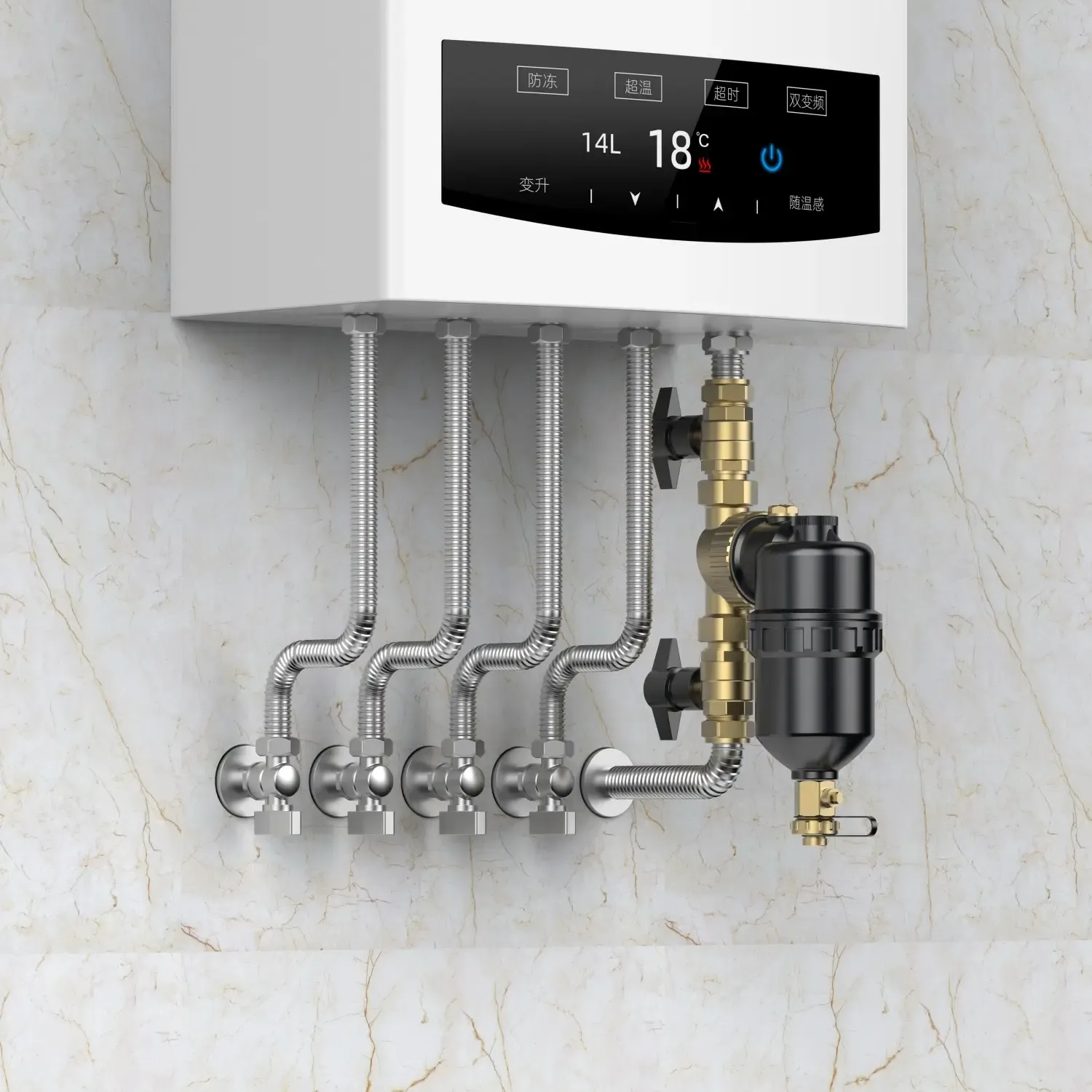
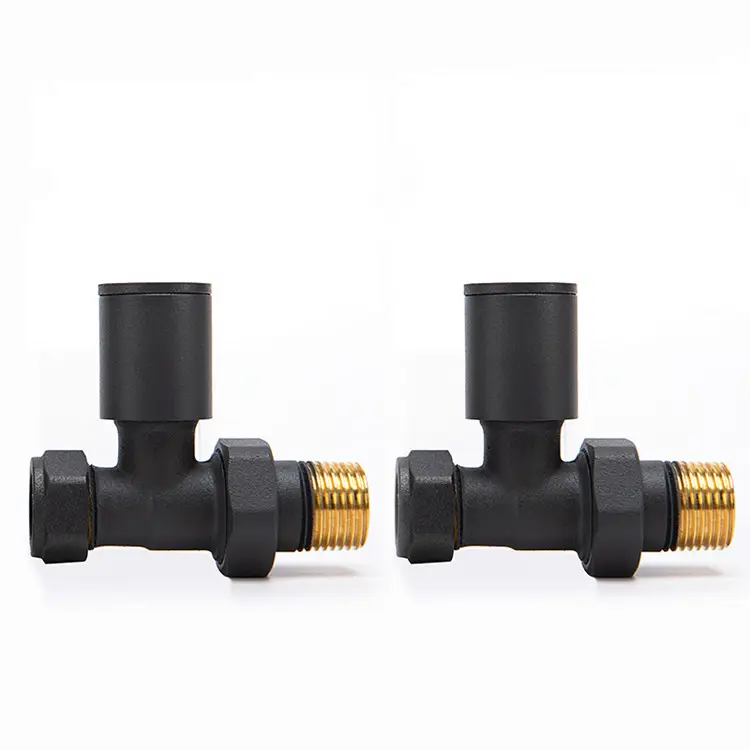
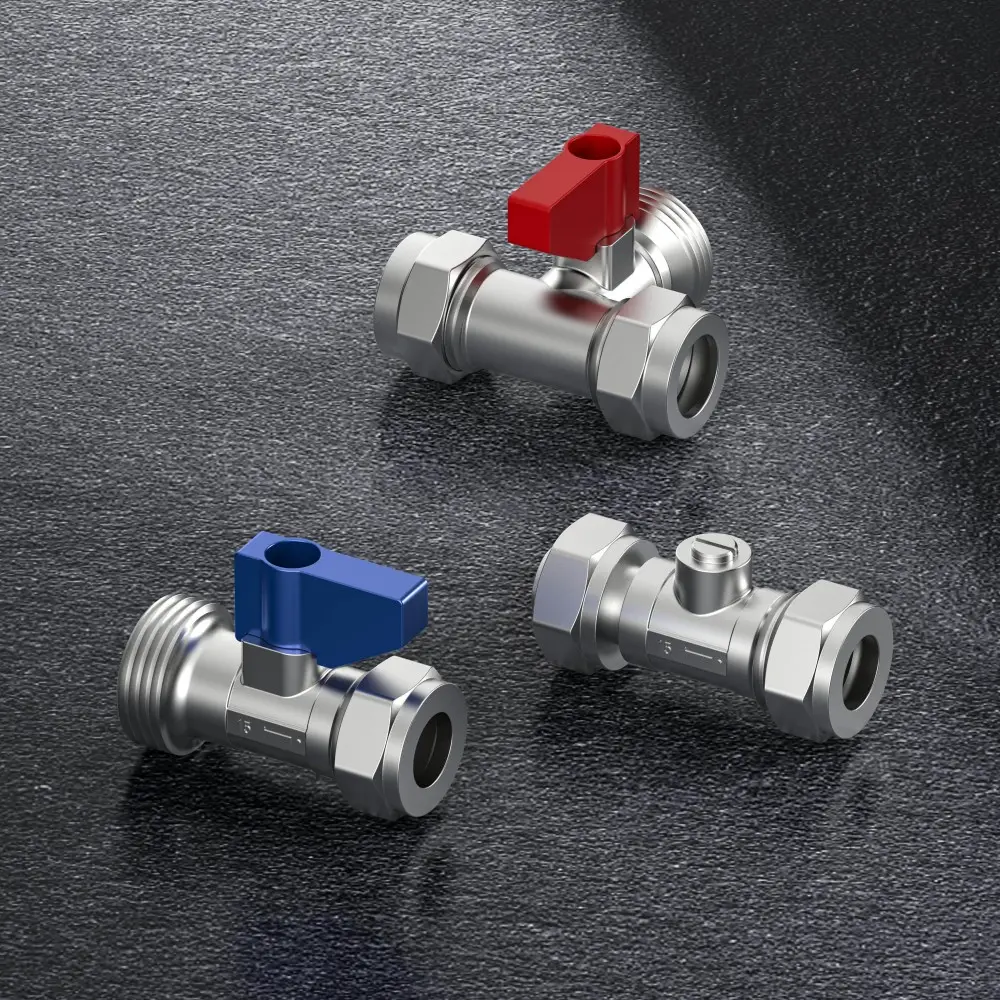
Valves brass represent a cornerstone of modern fluid control systems, offering exceptional performance across diverse industrial and commercial applications. These precision-engineered components combine the inherent properties of brass alloy with advanced manufacturing techniques to deliver reliable flow regulation solutions. Valves brass function as critical control mechanisms that manage the flow, pressure, and direction of liquids and gases within piping systems. The primary function involves opening, closing, or partially obstructing fluid pathways to achieve desired system performance. The technological features of valves brass stem from the unique metallurgical properties of brass, which consists primarily of copper and zinc alloys. This composition provides excellent corrosion resistance, making valves brass particularly suitable for water systems, marine environments, and chemical processing applications where exposure to moisture and corrosive substances is common. The manufacturing process incorporates precision machining and quality control measures to ensure consistent performance standards. Modern valves brass utilize advanced sealing technologies, including O-rings, gaskets, and metal-to-metal sealing surfaces that prevent leakage and maintain system integrity. Temperature resistance represents another key technological feature, as valves brass can operate effectively across wide temperature ranges without compromising structural integrity or sealing performance. The applications for valves brass span numerous industries, including residential plumbing, commercial HVAC systems, industrial process control, marine installations, and automotive cooling systems. In residential settings, valves brass serve as shut-off valves, pressure relief valves, and flow control devices in water supply systems. Commercial applications include fire suppression systems, building automation controls, and central heating installations. Industrial uses encompass chemical processing, food and beverage production, pharmaceutical manufacturing, and oil and gas operations. The versatility of valves brass makes them indispensable components in countless fluid management scenarios where reliable performance and longevity are essential requirements for operational success.


New Product Releases

The advantages of valves brass make them preferred choices for engineers and system designers who prioritize performance, reliability, and cost-effectiveness. Superior corrosion resistance stands as the most significant benefit, as brass naturally resists oxidation and chemical degradation that commonly affects other metal valves. This resistance translates directly into longer service life and reduced maintenance requirements, saving customers substantial replacement costs over time. The antimicrobial properties of brass provide additional health benefits in water systems, as the material naturally inhibits bacterial growth and biofilm formation, ensuring cleaner fluid delivery in residential and commercial applications. Exceptional machinability allows manufacturers to produce valves brass with precise tolerances and smooth internal surfaces that minimize pressure drops and turbulence. This precision manufacturing capability enables customers to achieve optimal system efficiency and performance. The thermal conductivity of brass facilitates effective heat transfer, making valves brass ideal for applications involving temperature control or thermal management systems where heat dissipation is crucial. Customers benefit from improved system stability and temperature regulation capabilities. Easy installation represents another practical advantage, as valves brass typically feature standard threading and connection methods that simplify integration into existing systems. This compatibility reduces installation time and labor costs while ensuring secure, leak-free connections. The moderate cost of brass materials provides excellent value compared to exotic alloys or specialized materials, making valves brass accessible for budget-conscious projects without sacrificing quality or performance. Recyclability adds environmental benefits, as brass components can be reclaimed and reprocessed at the end of their service life, supporting sustainable practices and reducing waste disposal costs. The aesthetic appeal of brass creates additional value in visible applications where appearance matters, as the golden color and lustrous finish enhance the visual appeal of exposed installations. Low maintenance requirements mean customers spend less time and money on routine servicing, as valves brass resist wear, scaling, and fouling that plague other valve materials. The proven track record of brass in demanding applications provides customers with confidence in long-term reliability and performance consistency across varied operating conditions.

Latest News

How Can a Bathroom Radiator Enhance Comfort and Wellness?

25

Sep

How Can a Bathroom Radiator Enhance Comfort and Wellness?

Transform Your Bathroom Experience with Modern Heating Solutions A well-designed bathroom radiator serves as more than just a heating element—it's an essential component that elevates your daily wellness routine. From providing cozy warmth duri...
View More
Why Is a Design Radiator More Than Just Heating Equipment?

25

Sep

Why Is a Design Radiator More Than Just Heating Equipment?

The Evolution of Home Heating into Artistic Expression The modern home has transformed dramatically over the decades, with functionality seamlessly blending with aesthetics in every corner. Among these evolutionary changes, the design radiator stands...
View More
What Problems Can a Boiler Magnetic Filter Help Prevent?

31

Oct

What Problems Can a Boiler Magnetic Filter Help Prevent?

Understanding the Power of Magnetic Filtration in Home Heating Systems Home heating systems are essential for maintaining comfort throughout the year, and their optimal performance relies heavily on clean, efficient operation. A boiler magnetic filte...
View More
How Does a Panel Radiator Improve Energy Efficiency?

25

Nov

How Does a Panel Radiator Improve Energy Efficiency?

Modern heating systems are evolving rapidly, with homeowners and businesses increasingly seeking solutions that deliver superior comfort while reducing energy consumption. Among the most effective heating technologies available today, panel radiators...
View More

Get a Free Quote

Our representative will contact you soon.
Email
Name
Company Name
Message
0/1000

valves brass

Unmatched Corrosion Resistance for Long-Term Reliability

Unmatched Corrosion Resistance for Long-Term Reliability

The exceptional corrosion resistance of valves brass stems from the inherent properties of brass alloy, which forms a protective oxide layer when exposed to atmospheric conditions. This natural patination process creates a barrier that prevents further oxidation and chemical attack, ensuring valves brass maintain structural integrity and functional performance even in challenging environments. Unlike iron-based materials that rust and deteriorate rapidly when exposed to moisture, valves brass demonstrate remarkable longevity in wet conditions, making them ideal for marine applications, outdoor installations, and humid industrial environments. The zinc content in brass provides galvanic protection to the copper matrix, creating a self-healing mechanism that repairs minor surface damage automatically. This protective characteristic means customers can install valves brass in aggressive chemical environments, saltwater systems, and acidic conditions without experiencing the rapid degradation common with steel or cast iron alternatives. The economic impact of this corrosion resistance cannot be overstated, as customers avoid frequent replacement cycles and associated downtime costs. In municipal water systems, valves brass can operate for decades without requiring replacement, providing exceptional return on investment through reduced lifecycle costs. The resistance extends to various chemicals commonly found in industrial processes, including mild acids, alkaline solutions, and organic compounds that would quickly compromise other valve materials. This chemical compatibility allows customers to use valves brass across diverse applications without concerns about material degradation or contamination. The stable performance characteristics ensure that flow rates, pressure ratings, and sealing effectiveness remain consistent throughout the valve's service life, eliminating the performance degradation associated with corroded components. For customers operating critical systems where reliability is paramount, the corrosion resistance of valves brass provides peace of mind and operational confidence that translates into improved system uptime and reduced maintenance overhead.
Superior Thermal Performance and Temperature Stability

Superior Thermal Performance and Temperature Stability

The thermal characteristics of valves brass provide customers with exceptional temperature stability and heat management capabilities that surpass many alternative valve materials. The high thermal conductivity of brass, approximately four times greater than stainless steel, enables rapid heat transfer and temperature equalization throughout the valve body. This property proves invaluable in applications involving temperature-sensitive fluids or processes requiring precise thermal control. Customers benefit from improved system responsiveness and stability, as valves brass quickly adapt to temperature changes without creating thermal stress points or expansion-related problems. The coefficient of thermal expansion for brass remains relatively low and predictable across normal operating temperature ranges, ensuring that valve components maintain proper clearances and sealing effectiveness as temperatures fluctuate. This stability prevents binding, leakage, or performance degradation that commonly occurs with materials having high or unpredictable expansion rates. In heating and cooling applications, valves brass facilitate efficient heat exchange while maintaining structural integrity under thermal cycling conditions. The material's ability to withstand repeated heating and cooling cycles without fatigue makes valves brass particularly suitable for HVAC systems, process heating applications, and thermal management installations where temperature variations are routine. Customers operating steam systems, hot water distribution networks, or industrial heating processes appreciate the consistent performance of valves brass under elevated temperature conditions. The melting point of brass, typically exceeding 900 degrees Celsius, provides substantial safety margins for normal industrial applications while maintaining adequate strength and hardness at operating temperatures. The thermal properties also contribute to freeze resistance in cold climate applications, as the thermal conductivity helps prevent ice formation and thermal shock damage during rapid temperature changes. For customers in regions with extreme temperature variations, valves brass offer reliable operation without the brittleness or cracking associated with inferior materials under thermal stress conditions.
Cost-Effective Solution with Exceptional Value Proposition

Cost-Effective Solution with Exceptional Value Proposition

The cost-effectiveness of valves brass creates compelling value propositions for customers across residential, commercial, and industrial market segments. The initial purchase price of valves brass typically falls between economy steel options and premium stainless steel alternatives, providing an optimal balance of performance and affordability. This positioning allows customers to achieve superior performance characteristics without the premium pricing associated with exotic alloys or specialized materials. The manufacturing efficiency of brass enables producers to offer competitive pricing while maintaining high quality standards, as the material machines easily and requires minimal specialized tooling or processing techniques. Customers benefit from this manufacturing advantage through access to precision-manufactured valves brass at reasonable prices. The total cost of ownership calculation strongly favors valves brass due to extended service life, reduced maintenance requirements, and minimal replacement frequency. While initial costs may exceed basic steel valves, the lifecycle savings from avoiding premature failures, corrosion damage, and frequent replacements deliver substantial economic benefits. Customers operating large systems with numerous valve installations can achieve significant cost savings through standardizing on valves brass across their facilities. The recyclable nature of brass adds residual value at the end of service life, as scrap brass maintains commodity value that offsets disposal costs and supports sustainable practices. Installation cost savings result from the compatibility of valves brass with standard plumbing and piping systems, eliminating the need for special tools, fittings, or installation procedures required by some alternative materials. The predictable performance characteristics of valves brass reduce system design complexity and safety factors, allowing customers to optimize system configurations for maximum efficiency and minimum cost. Reduced insurance and liability costs may result from the proven reliability and safety record of valves brass in critical applications, as insurers recognize the lower risk profile associated with quality brass components. For customers managing operating budgets and seeking maximum value from capital investments, valves brass provide optimal returns through reliable performance, minimal maintenance requirements, and extended service life that consistently outperforms competing valve materials in real-world applications.

Get a Free Quote

Our representative will contact you soon.
Email
Name
Company Name
Message
0/1000