angle valve in plumbing
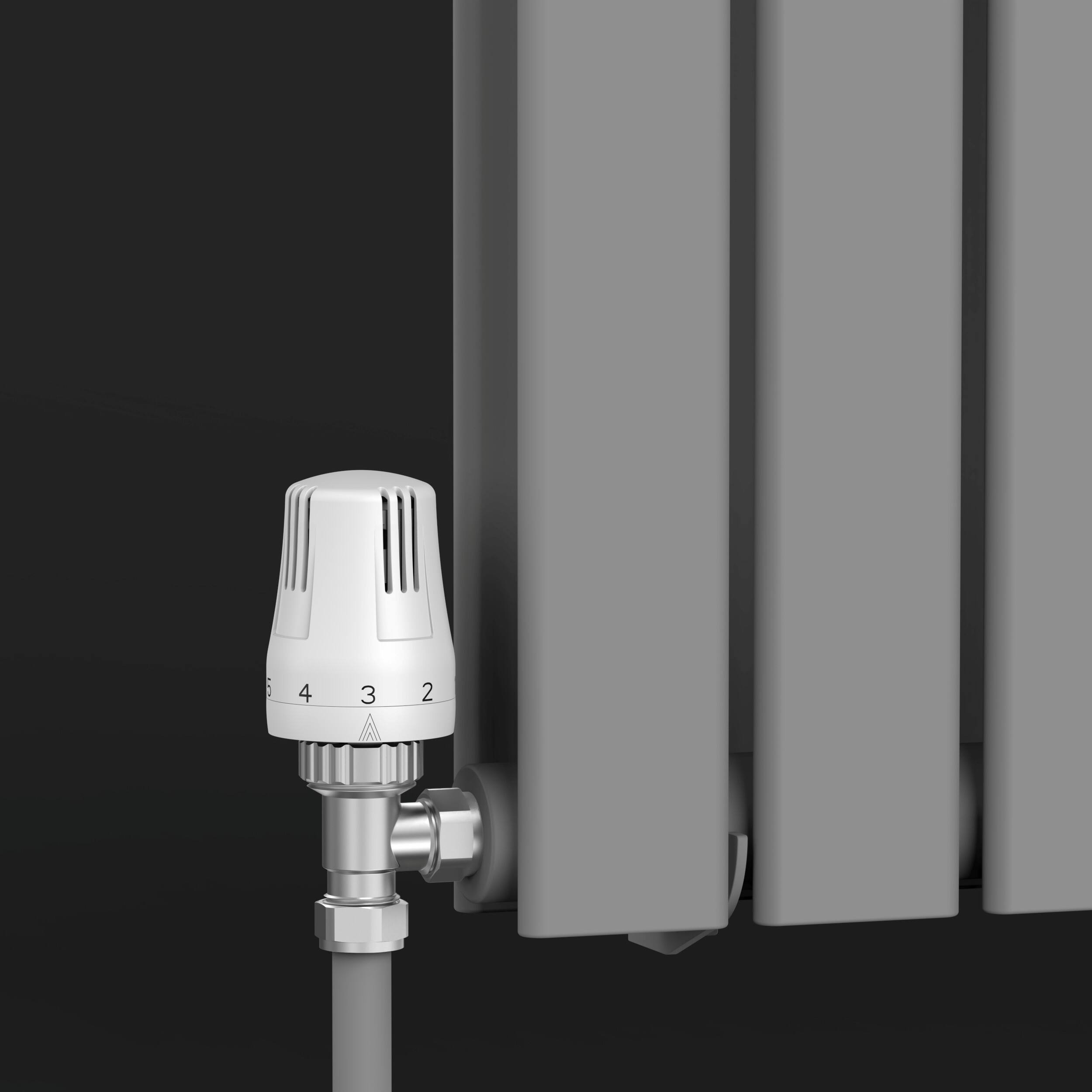
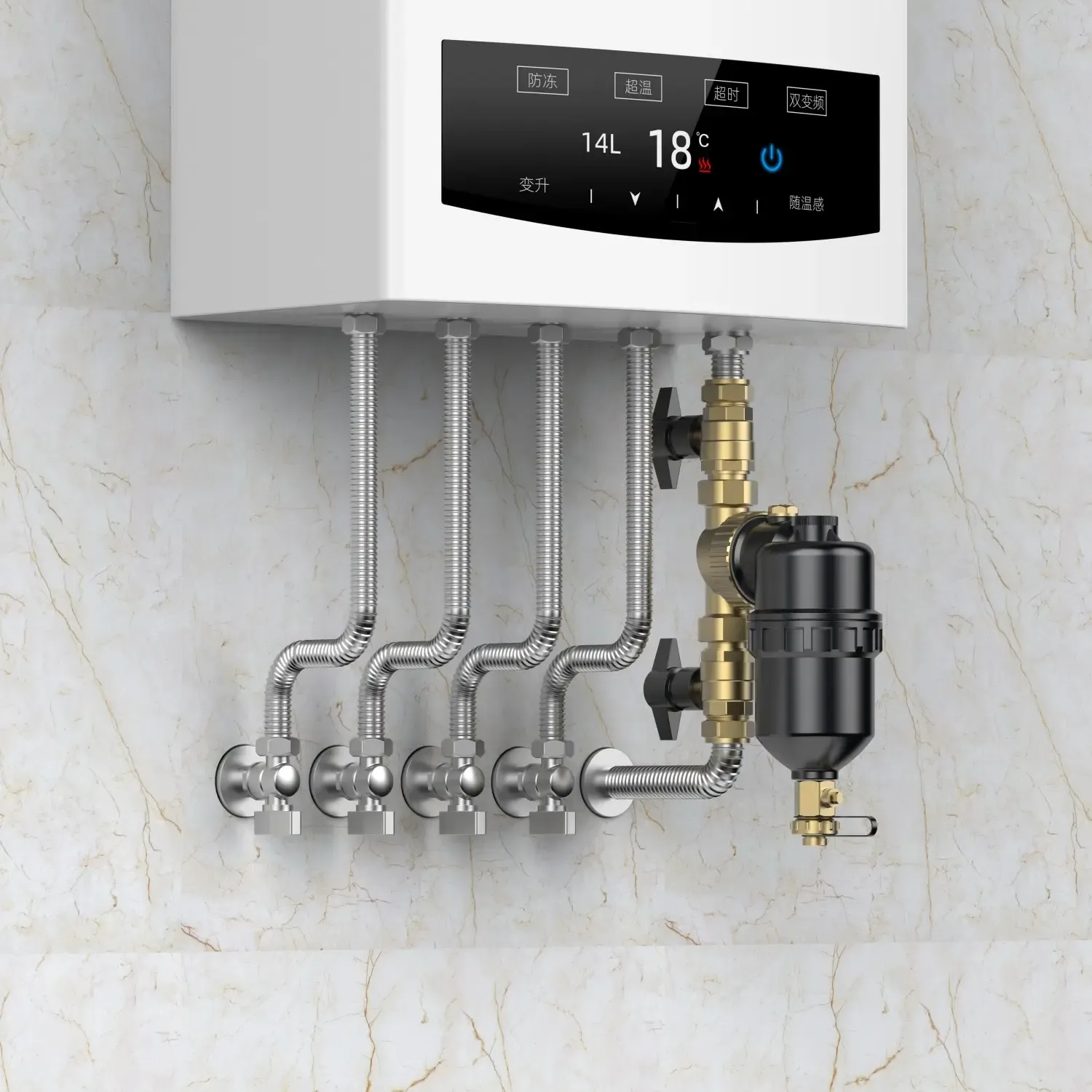
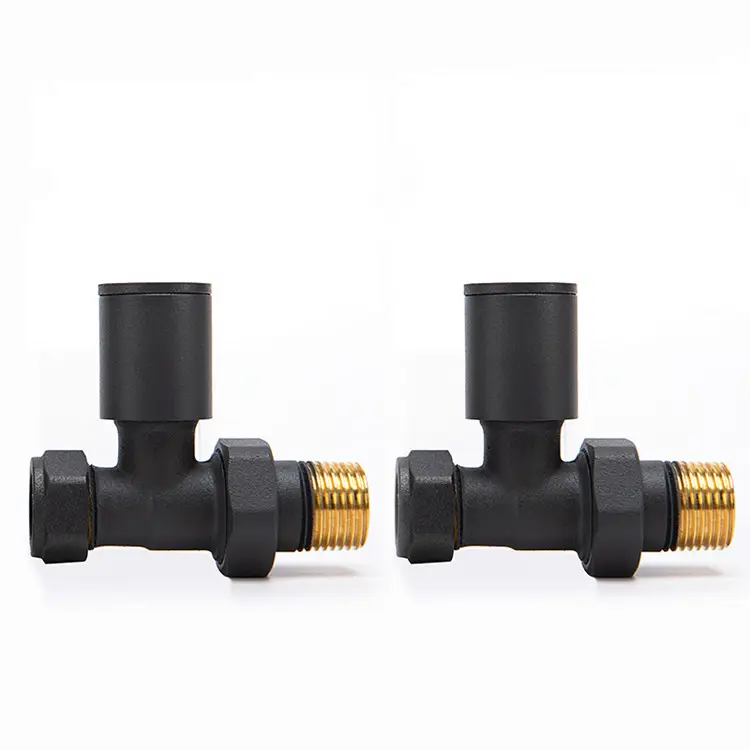
The angle valve in plumbing represents a fundamental component that serves as both a shutoff mechanism and flow control device within residential and commercial water systems. This essential plumbing fixture features a unique 90-degree configuration that allows water to change direction while providing precise control over flow rates. Unlike traditional straight valves, the angle valve in plumbing combines directional change with flow regulation, making it an indispensable element for modern water management systems. The primary function of an angle valve in plumbing involves controlling water flow from supply lines to individual fixtures such as toilets, sinks, and washing machines. These valves typically connect directly to wall outlets where water supply lines terminate, providing homeowners and plumbers with convenient access points for maintenance and repairs. The technological design of the angle valve in plumbing incorporates a quarter-turn mechanism that utilizes either a ball or ceramic disc system for smooth operation and reliable sealing. Advanced manufacturing techniques ensure these valves maintain consistent performance under varying pressure conditions while resisting corrosion and wear. Modern angle valves in plumbing feature enhanced sealing technologies, including PTFE seats and O-ring assemblies that prevent leakage and extend operational life. The applications for angle valve in plumbing span across numerous scenarios, from new construction projects to renovation and repair work. These versatile components prove essential in situations where space constraints require compact solutions, as their angled design eliminates the need for additional fittings when connecting perpendicular pipes. Commercial buildings rely heavily on angle valves in plumbing for their ability to provide individual control over multiple fixtures while maintaining system integrity. The compact footprint of the angle valve in plumbing makes it particularly valuable in tight spaces where traditional valve configurations would prove impractical or impossible to install effectively.

 EN
EN