Angle Valve Solutions: Superior Flow Control Technology for Industrial Applications

Get a Free Quote

Our representative will contact you soon.
Email
Name
Company Name
Message
0/1000

angle valve

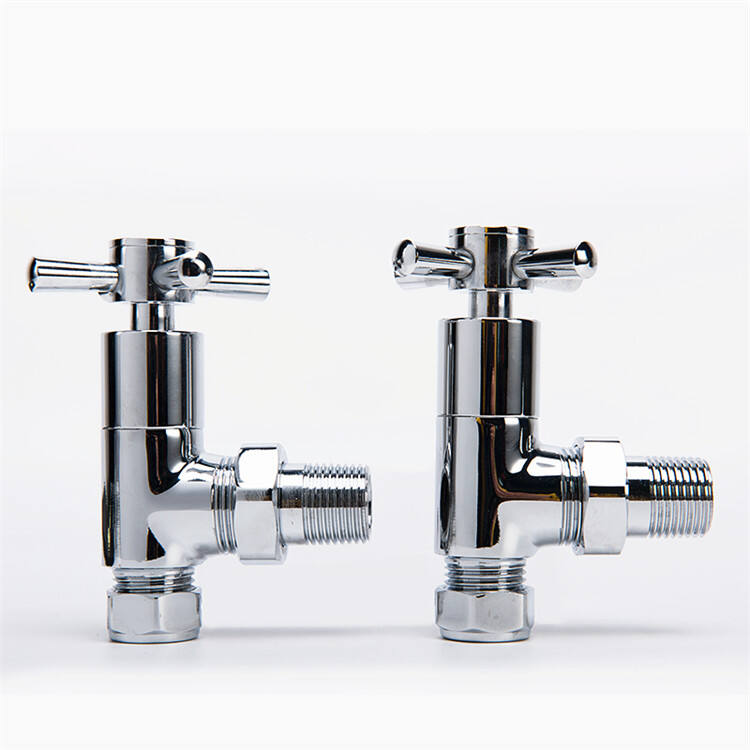
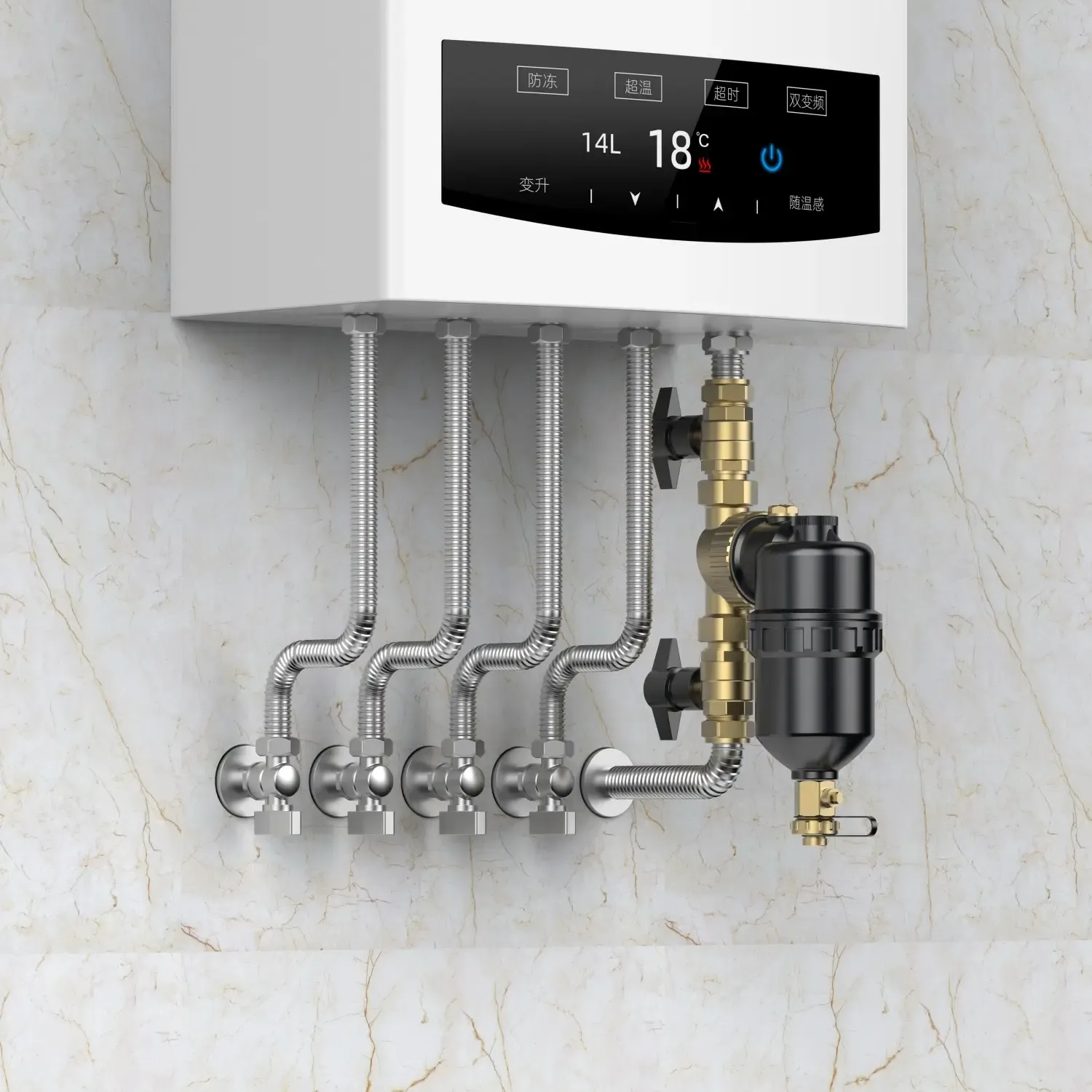
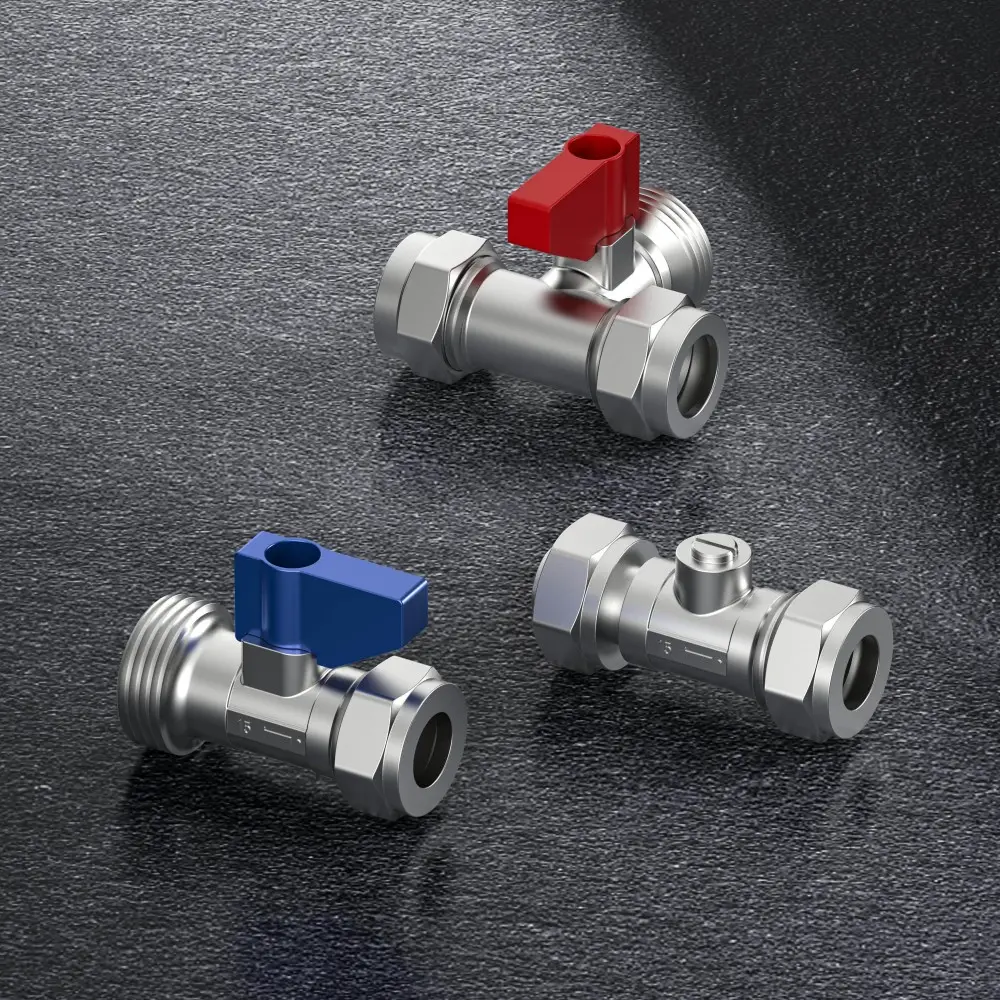
An angle valve represents a specialized type of control valve designed with a 90-degree configuration that connects inlet and outlet ports at right angles to each other. This distinctive geometric design sets the angle valve apart from traditional straight-through valves, offering unique flow characteristics and installation benefits across numerous industrial applications. The angle valve incorporates a robust construction featuring a valve body, stem, disc or plug, and actuating mechanism that work together to regulate fluid flow with precision and reliability. The fundamental operation of an angle valve relies on its perpendicular flow path, which creates natural turbulence reduction and enhanced flow control capabilities. This design eliminates the need for separate elbow fittings in piping systems, simplifying installation procedures and reducing potential leak points. Manufacturing standards ensure that angle valves meet stringent quality requirements for pressure ratings, temperature tolerance, and material compatibility. These valves typically feature corrosion-resistant materials such as stainless steel, brass, or specialized alloys that withstand harsh operating conditions. The technological advancement in angle valve design includes precision-machined components, advanced sealing systems, and optional automation capabilities through electric or pneumatic actuators. Modern angle valve configurations support various end connections including threaded, flanged, or welded connections to accommodate diverse piping requirements. The versatility of angle valve applications spans across industries such as chemical processing, oil and gas, water treatment, HVAC systems, and manufacturing facilities. In chemical processing plants, angle valves provide reliable shut-off and throttling control for corrosive media, while in water treatment facilities, they ensure precise flow regulation for filtration and distribution systems. The compact design of angle valves makes them particularly suitable for installations with space constraints, where traditional valve configurations might prove impractical. Engineers and facility managers increasingly specify angle valves for critical applications requiring dependable performance, long service life, and minimal maintenance requirements, making them essential components in modern fluid handling systems.


New Products

The angle valve delivers exceptional performance benefits that directly translate into cost savings and operational efficiency for facility owners and maintenance teams. One primary advantage lies in the space-saving design, which eliminates the need for additional elbow fittings in piping systems. This consolidated approach reduces installation time by approximately thirty percent compared to conventional valve and fitting combinations, resulting in lower labor costs and faster project completion. The perpendicular flow path inherent in angle valve design creates superior flow characteristics that minimize pressure drop and turbulence, leading to improved system efficiency and reduced energy consumption. Maintenance teams appreciate the simplified service access provided by angle valves, as the right-angle configuration often positions actuating components in more accessible locations for routine inspection and repair procedures. The reduced number of connection points in systems utilizing angle valves significantly decreases the likelihood of leaks, enhancing system reliability and reducing emergency repair costs. Durability represents another compelling advantage, as angle valves typically demonstrate extended service life due to their robust construction and reduced stress concentration points compared to multi-component alternatives. The flow dynamics within an angle valve naturally provide self-cleaning action that helps prevent sediment buildup and reduces the frequency of system flushing requirements. Installation flexibility becomes particularly valuable in retrofit applications where existing piping configurations present challenges for traditional valve installations. The angle valve accommodates these constraints while maintaining full operational capability and performance standards. Material compatibility options ensure that angle valves integrate seamlessly with various piping materials and system requirements, from standard carbon steel to exotic alloys for specialized applications. Quality control measures during manufacturing guarantee consistent performance characteristics, pressure ratings, and dimensional accuracy that facilitate straightforward installation procedures. Temperature handling capabilities of modern angle valves extend their applicability across diverse operating conditions, from cryogenic systems to high-temperature industrial processes. The economic benefits compound over time through reduced maintenance intervals, lower replacement costs, and improved system uptime, making angle valves a smart investment for forward-thinking facility managers who prioritize long-term operational efficiency and cost control.

Practical Tips

Brass Ball Valve Guide: Sizes and Applications Explained

25

Sep

Brass Ball Valve Guide: Sizes and Applications Explained

Understanding the Versatility of Brass Ball Valves in Modern Flow Control In the world of fluid control systems, brass ball valves stand as a testament to engineering excellence and practical functionality. These essential components play a crucial r...
View More
What Problems Can a Boiler Magnetic Filter Help Prevent?

31

Oct

What Problems Can a Boiler Magnetic Filter Help Prevent?

Understanding the Power of Magnetic Filtration in Home Heating Systems Home heating systems are essential for maintaining comfort throughout the year, and their optimal performance relies heavily on clean, efficient operation. A boiler magnetic filte...
View More
How Does a Panel Radiator Improve Energy Efficiency?

25

Nov

How Does a Panel Radiator Improve Energy Efficiency?

Modern heating systems are evolving rapidly, with homeowners and businesses increasingly seeking solutions that deliver superior comfort while reducing energy consumption. Among the most effective heating technologies available today, panel radiators...
View More
Heating Radiator Placement: What Should You Consider?

25

Nov

Heating Radiator Placement: What Should You Consider?

Proper heating radiator placement forms the foundation of an efficient and comfortable home heating system. The strategic positioning of radiators directly impacts heat distribution, energy consumption, and overall room comfort levels. Understanding ...
View More

Get a Free Quote

Our representative will contact you soon.
Email
Name
Company Name
Message
0/1000

angle valve

Superior Flow Control Technology

Superior Flow Control Technology

The advanced flow control technology integrated into modern angle valves revolutionizes fluid handling efficiency through innovative design principles and precision engineering. The perpendicular flow path configuration creates a natural pressure recovery system that minimizes energy losses typically associated with direction changes in piping systems. This technological advantage stems from the valve's ability to combine flow redirection and control functions within a single, compact unit, eliminating the turbulence and pressure drops that occur when using separate elbow fittings and control valves. The internal geometry of angle valves features carefully calculated flow passages that optimize velocity profiles and reduce cavitation risks, particularly important in high-pressure applications where fluid dynamics play critical roles in system performance. Engineering analysis demonstrates that angle valves can achieve flow coefficients comparable to or exceeding those of straight-through valves while providing superior controllability across a wider range of operating conditions. The trim design incorporates advanced materials and surface treatments that resist erosion and corrosion, maintaining consistent flow characteristics throughout extended service periods. Computational fluid dynamics modeling guides the development of angle valve internals, ensuring optimal flow distribution and minimal dead zones that could harbor contaminants or cause flow instabilities. The technology extends to include various trim configurations such as linear, equal percentage, and quick-opening characteristics that can be selected to match specific process requirements. Smart angle valve designs integrate position feedback systems and diagnostic capabilities that provide real-time performance monitoring and predictive maintenance insights. These technological features enable operators to optimize system performance, reduce energy consumption, and extend equipment life through data-driven maintenance scheduling. The precision manufacturing processes employed in angle valve production ensure tight tolerances and consistent quality that translates directly into predictable performance and reliable operation. Advanced sealing technologies incorporated into angle valve designs provide bubble-tight shutoff capabilities that exceed industry standards for leakage prevention, critical for environmental compliance and operational safety requirements.
Versatile Installation Solutions

Versatile Installation Solutions

The versatile installation capabilities of angle valves address complex piping challenges while delivering significant practical benefits that streamline construction and maintenance procedures across diverse industrial applications. The inherent right-angle configuration eliminates the need for additional fittings, reducing the total number of components required for installation and minimizing potential failure points in the system. This consolidated approach simplifies inventory management, as facilities can stock fewer individual components while maintaining complete system functionality. The installation versatility extends to various mounting orientations, allowing angle valves to accommodate horizontal, vertical, or angled piping runs without compromising performance or requiring special considerations for proper operation. Space-constrained environments particularly benefit from angle valve installations, as the compact footprint and integrated design maximize available space utilization while maintaining full accessibility for operation and maintenance activities. The standardized end connections available with angle valves ensure compatibility with existing piping systems, facilitating both new construction and retrofit applications without requiring extensive modifications to surrounding infrastructure. Installation crews report significant time savings when working with angle valves, as the reduced number of joints and connections streamlines assembly procedures and reduces the likelihood of installation errors. The valve orientation flexibility proves especially valuable in applications where piping routes must navigate around existing equipment, structural elements, or other obstacles that would complicate traditional valve installations. Quality angle valve designs incorporate features such as integral flanges or union connections that further simplify installation and maintenance procedures by providing convenient disconnection points for service activities. The installation benefits extend to include reduced welding requirements in many applications, as threaded or flanged angle valve connections eliminate the need for additional pipe joints that would otherwise require welding procedures. Seismic and vibration considerations benefit from angle valve installations, as the reduced number of joints and fittings creates more rigid piping assemblies that better withstand dynamic loading conditions. The installation versatility also encompasses various actuator mounting options that can be configured to optimize access, operation, and integration with control systems regardless of the specific piping layout or space constraints encountered during installation.
Enhanced Durability and Reliability

Enhanced Durability and Reliability

The enhanced durability and reliability characteristics of quality angle valves deliver measurable performance advantages that significantly reduce lifecycle costs and minimize operational disruptions in critical industrial applications. The robust construction methodology employed in angle valve manufacturing incorporates advanced materials science and precision machining techniques that create components capable of withstanding extreme operating conditions while maintaining consistent performance over extended service periods. The integrated design philosophy eliminates potential weak points associated with multiple-component assemblies, as the single-body construction distributes stresses more evenly and reduces the likelihood of premature failure due to differential expansion, vibration, or thermal cycling effects. Materials selection for angle valve construction emphasizes corrosion resistance, mechanical strength, and compatibility with diverse process media, ensuring long-term reliability even in challenging chemical environments or high-temperature applications. The manufacturing processes incorporate stringent quality control measures including dimensional verification, pressure testing, and material certification that guarantee each angle valve meets or exceeds specified performance standards. The reliability benefits extend to include superior sealing performance achieved through precision-machined sealing surfaces and advanced elastomeric materials that maintain their properties throughout extended temperature and pressure cycling. Fatigue resistance represents a critical durability factor, as angle valve designs incorporate stress analysis and finite element modeling to optimize component geometry and eliminate stress concentration points that could lead to premature failure. The service life extension achieved through enhanced durability translates directly into reduced replacement costs, lower inventory requirements, and improved system availability that benefits overall operational efficiency. Predictive maintenance capabilities built into modern angle valve designs enable condition monitoring and early detection of potential issues before they result in system failures or unplanned downtime. The reliability improvements also encompass resistance to external factors such as vibration, thermal shock, and chemical exposure that commonly affect valve performance in industrial environments. Field performance data consistently demonstrates that quality angle valves achieve service lives exceeding twenty years in typical applications, with many installations continuing to provide reliable service well beyond their original design expectations. The enhanced durability characteristics reduce the frequency of maintenance interventions while improving safety through reliable operation and consistent performance under all specified operating conditions.

Get a Free Quote

Our representative will contact you soon.
Email
Name
Company Name
Message
0/1000