Superior Corrosion Resistance and Longevity
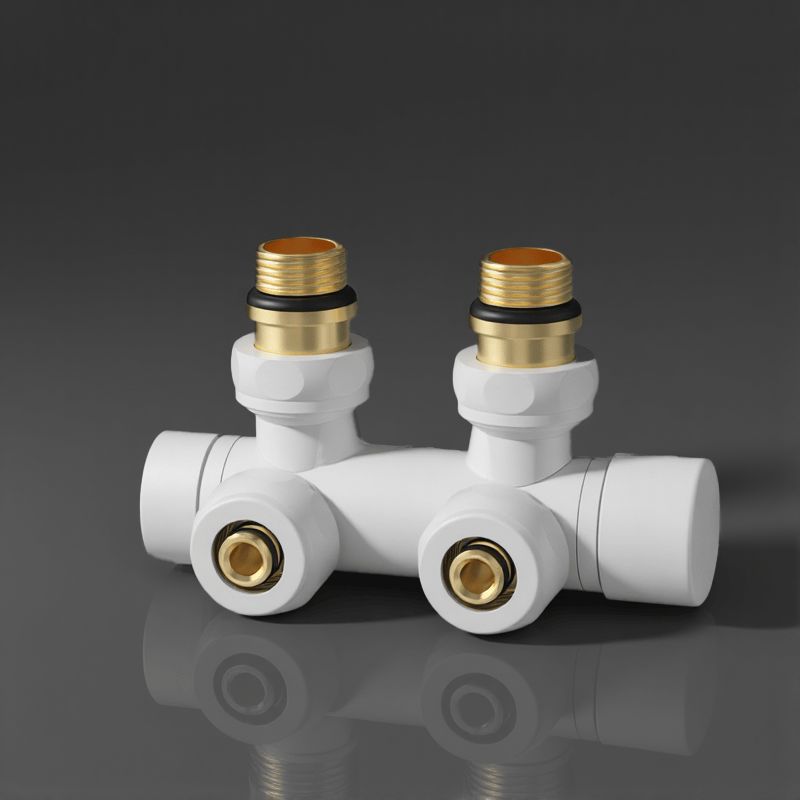
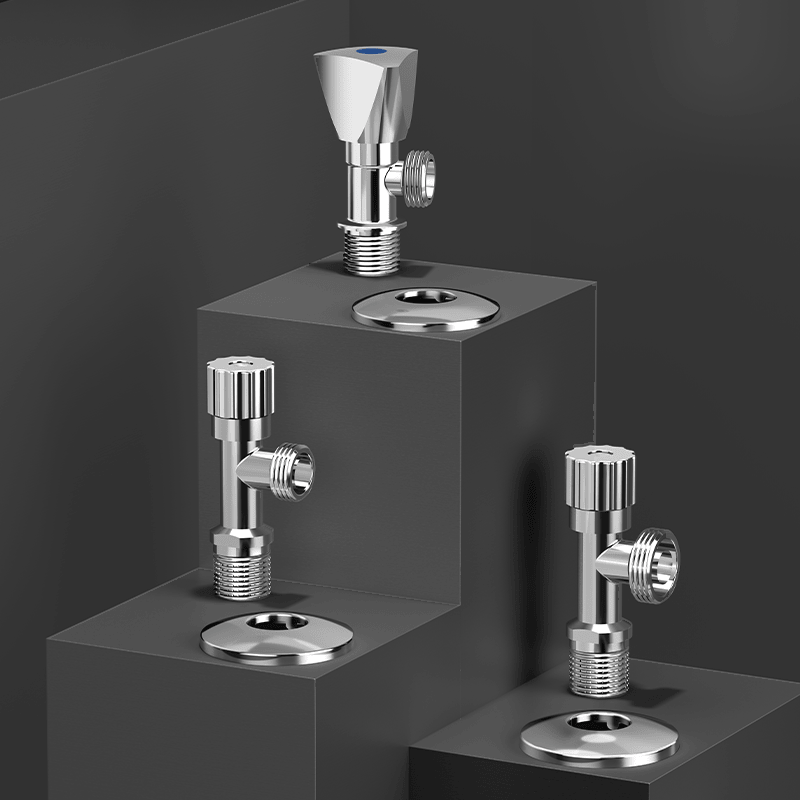
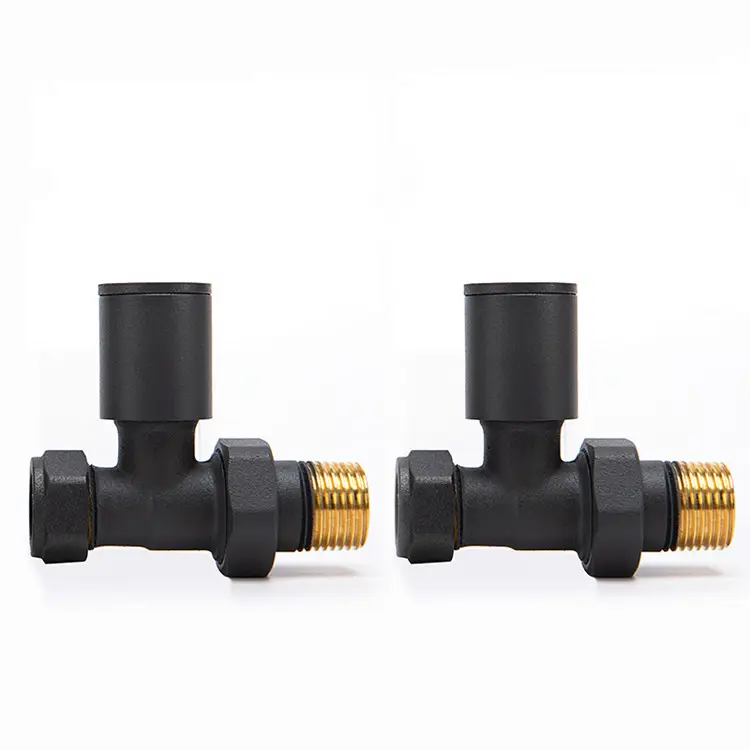
The brass angle valve's exceptional corrosion resistance stems from its unique metallurgical composition, combining copper's natural antimicrobial properties with zinc's protective characteristics to create an alloy that withstands even the most challenging water conditions. This superior material composition actively resists oxidation, scale formation, and chemical degradation that typically plague iron, steel, and plastic valve alternatives. The brass matrix forms a protective patina when exposed to oxygen and moisture, creating a self-healing barrier that prevents deeper material penetration and maintains structural integrity over decades of continuous service. This natural protection mechanism proves particularly valuable in areas with aggressive water chemistry, including high chlorine content, elevated mineral concentrations, and fluctuating pH levels that rapidly destroy inferior valve materials. Independent testing demonstrates that brass angle valves maintain full operational capability after exposure to accelerated aging conditions equivalent to 50 years of normal use, while competing materials show significant degradation within fraction of that timeframe. The corrosion resistance directly translates into reduced maintenance costs, as property owners avoid frequent valve replacements and system repairs associated with failed components. This longevity advantage proves especially critical in commercial and industrial applications where valve failure can trigger expensive downtime, emergency repairs, and potential safety hazards. The brass angle valve's resistance to dezincification, a common failure mode affecting lower-quality brass alloys, ensures consistent performance throughout its extended service life. Advanced metallurgy techniques optimize the copper-to-zinc ratio, creating a stable microstructure that maintains mechanical properties under stress and temperature cycling. This engineering excellence prevents the gradual weakening and eventual failure that characterizes inferior valve construction, providing users with confidence in long-term reliability and performance consistency.

 EN
EN