angle stop valve
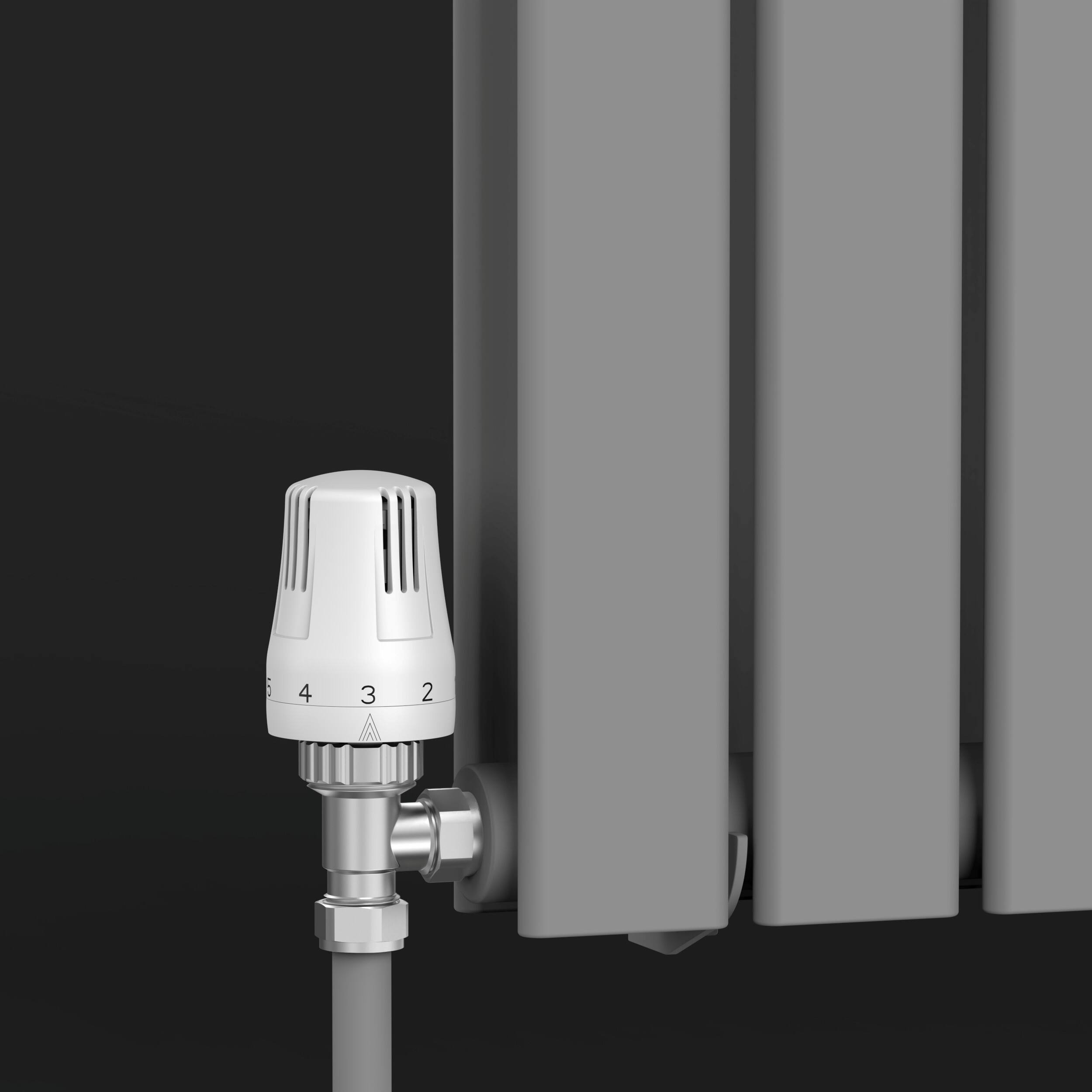
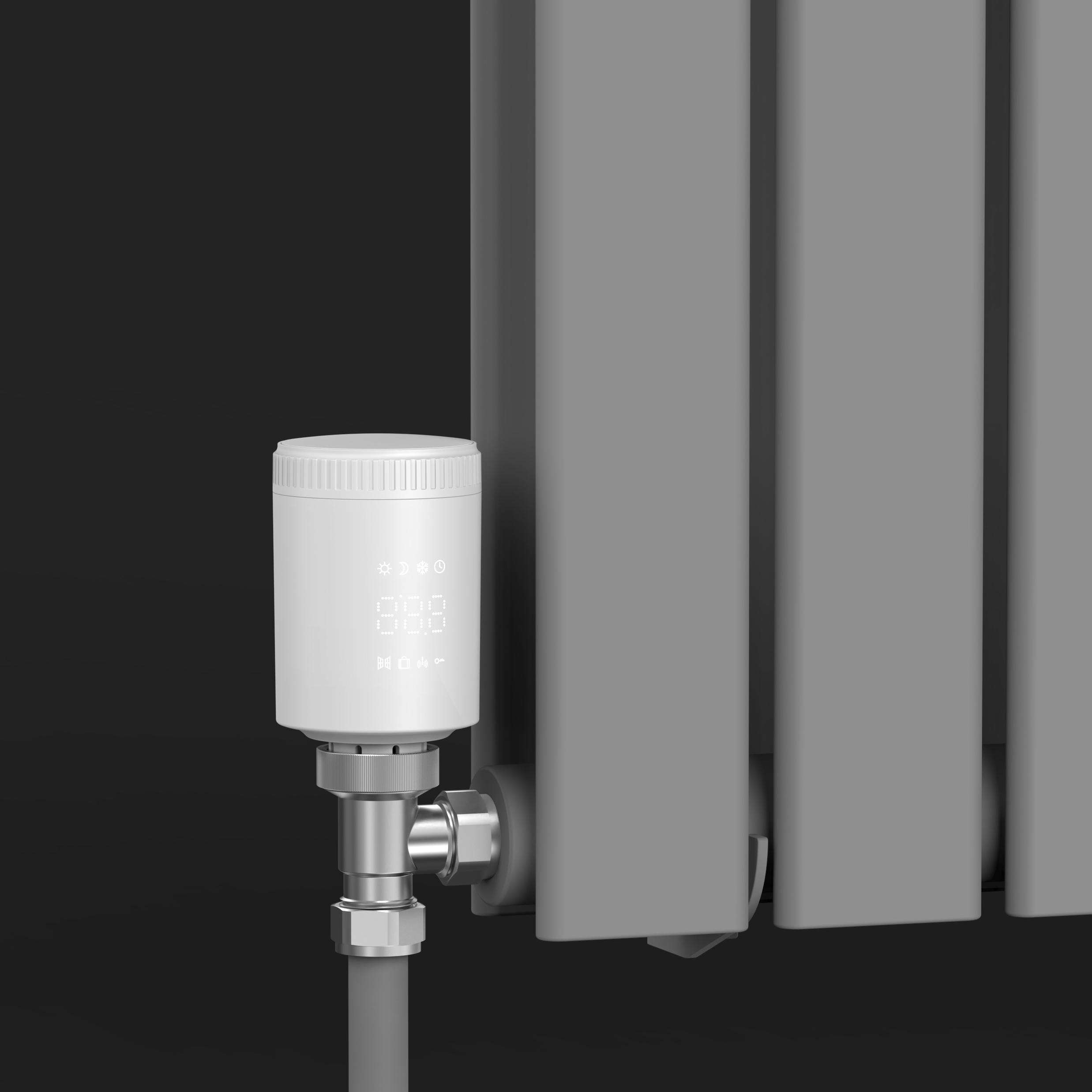
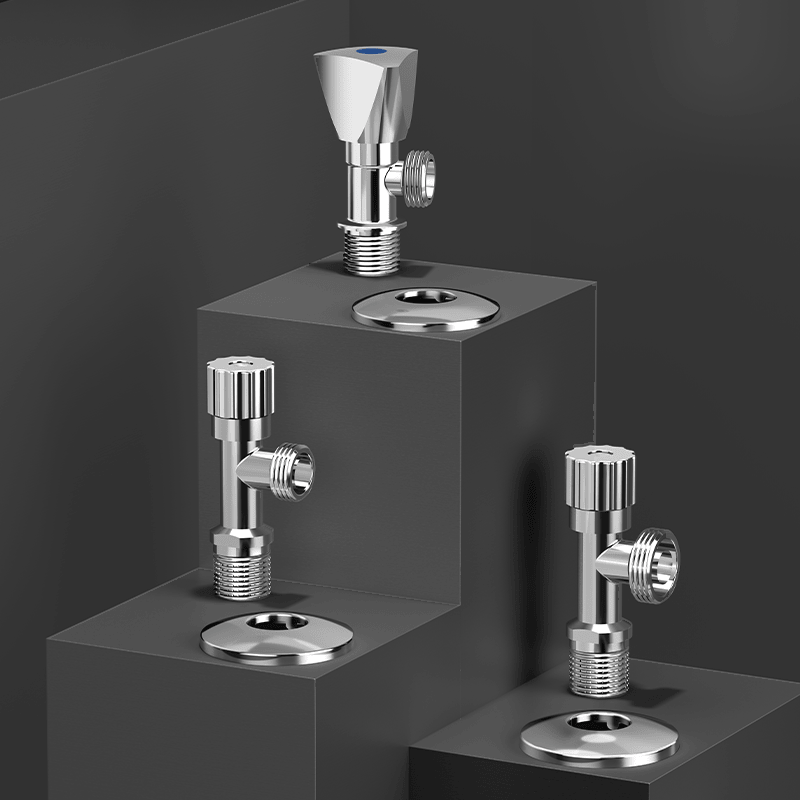
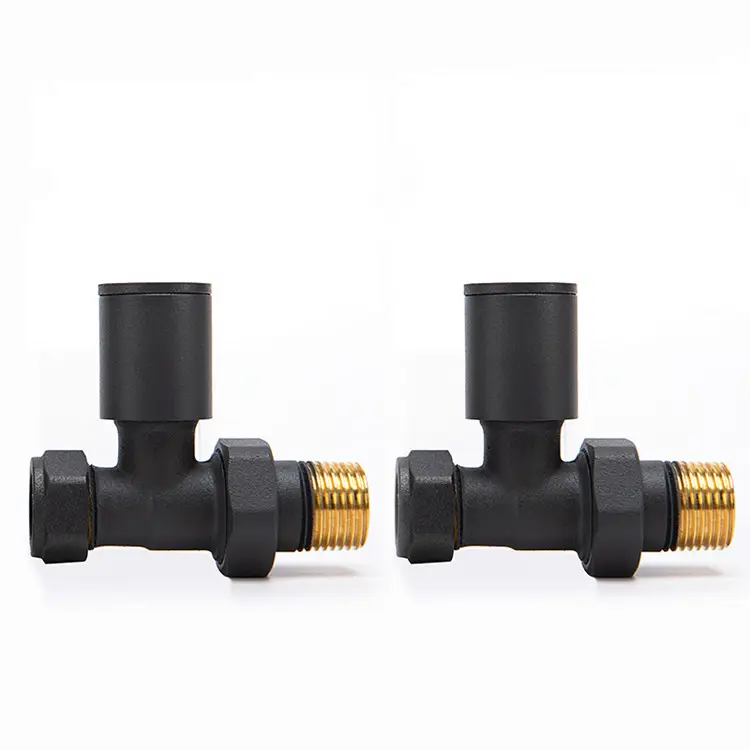
An angle stop valve represents a specialized plumbing component designed to control water flow in residential and commercial applications. This essential fitting features a distinctive 90-degree configuration that connects water supply lines to fixtures, appliances, and distribution systems. The angle stop valve incorporates a quarter-turn mechanism that provides precise flow control through a straightforward operation process. Engineers design these valves to handle standard water pressures while maintaining reliable performance over extended periods. The construction typically involves durable materials such as brass, bronze, or stainless steel that resist corrosion and withstand daily use. Installation professionals prefer the angle stop valve because it combines functionality with space-efficient design characteristics. The valve body features inlet and outlet ports positioned at right angles, allowing seamless integration into tight spaces where traditional straight valves cannot fit properly. Modern manufacturing techniques ensure consistent quality standards across different brands and models. The internal components include a rotating ball or cartridge system that creates a tight seal when closed, preventing unwanted leakage. Water utility companies recommend the angle stop valve for main service connections because it provides reliable shutoff capabilities during maintenance procedures. Property owners benefit from easy operation requirements that do not demand specialized tools or technical expertise. The valve handle typically requires minimal force to activate, making it accessible for users of varying physical capabilities. Quality angle stop valves undergo rigorous testing protocols to verify pressure ratings and longevity expectations. Installation procedures involve standard plumbing connections that most contractors can complete efficiently. The compact design footprint allows installation in confined areas such as under sinks, behind appliances, or within wall cavities. Regular maintenance involves simple visual inspections and occasional lubrication of moving parts to ensure optimal performance throughout the service life.

 EN
EN