Traditional Radiator Heating Systems: Efficient, Durable & Versatile Home Heating Solutions

Get a Free Quote

Our representative will contact you soon.
Email
Name
Company Name
Message
0/1000

traditional radiator

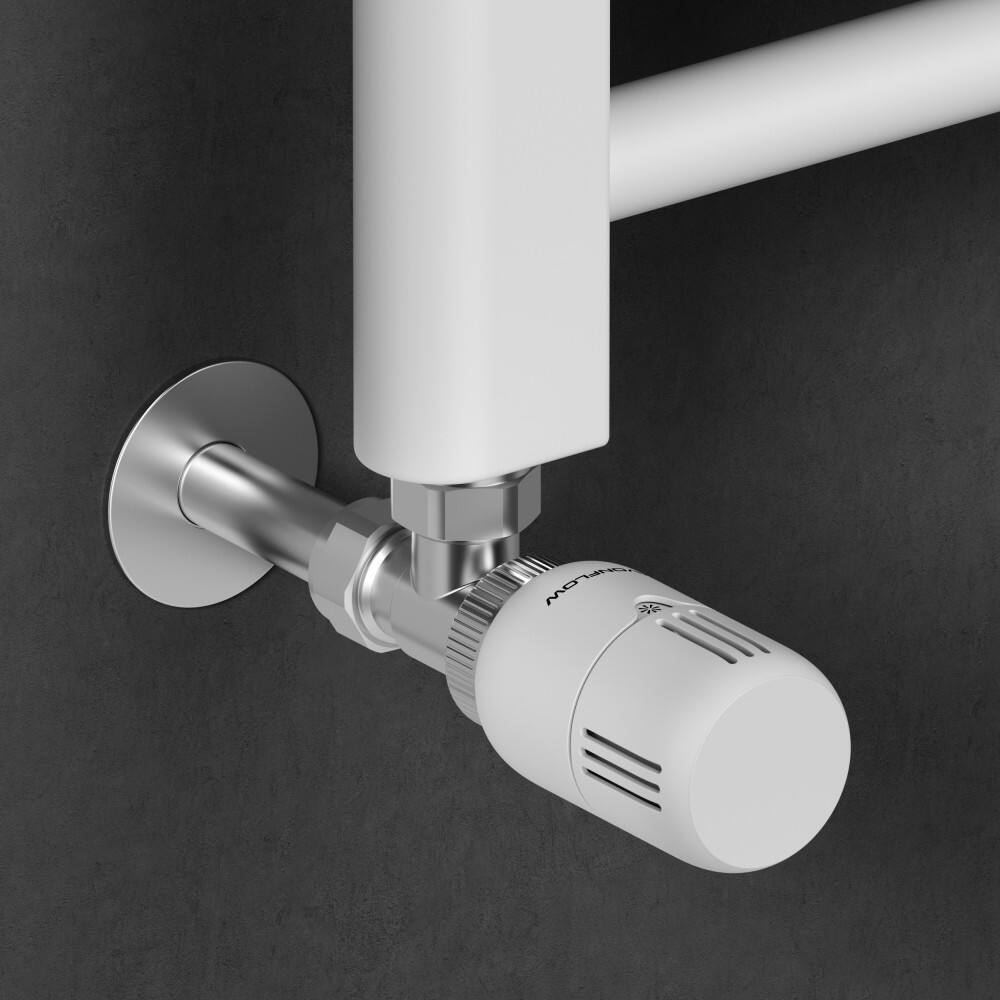
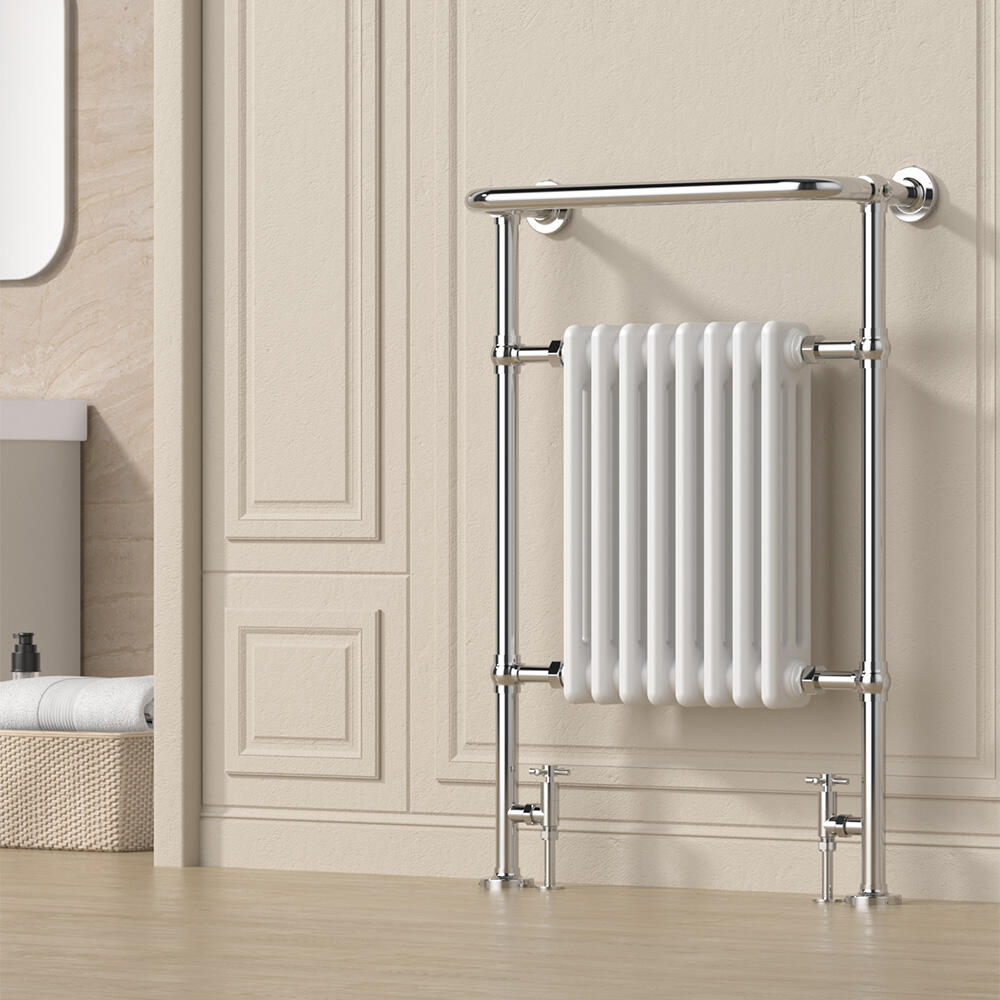
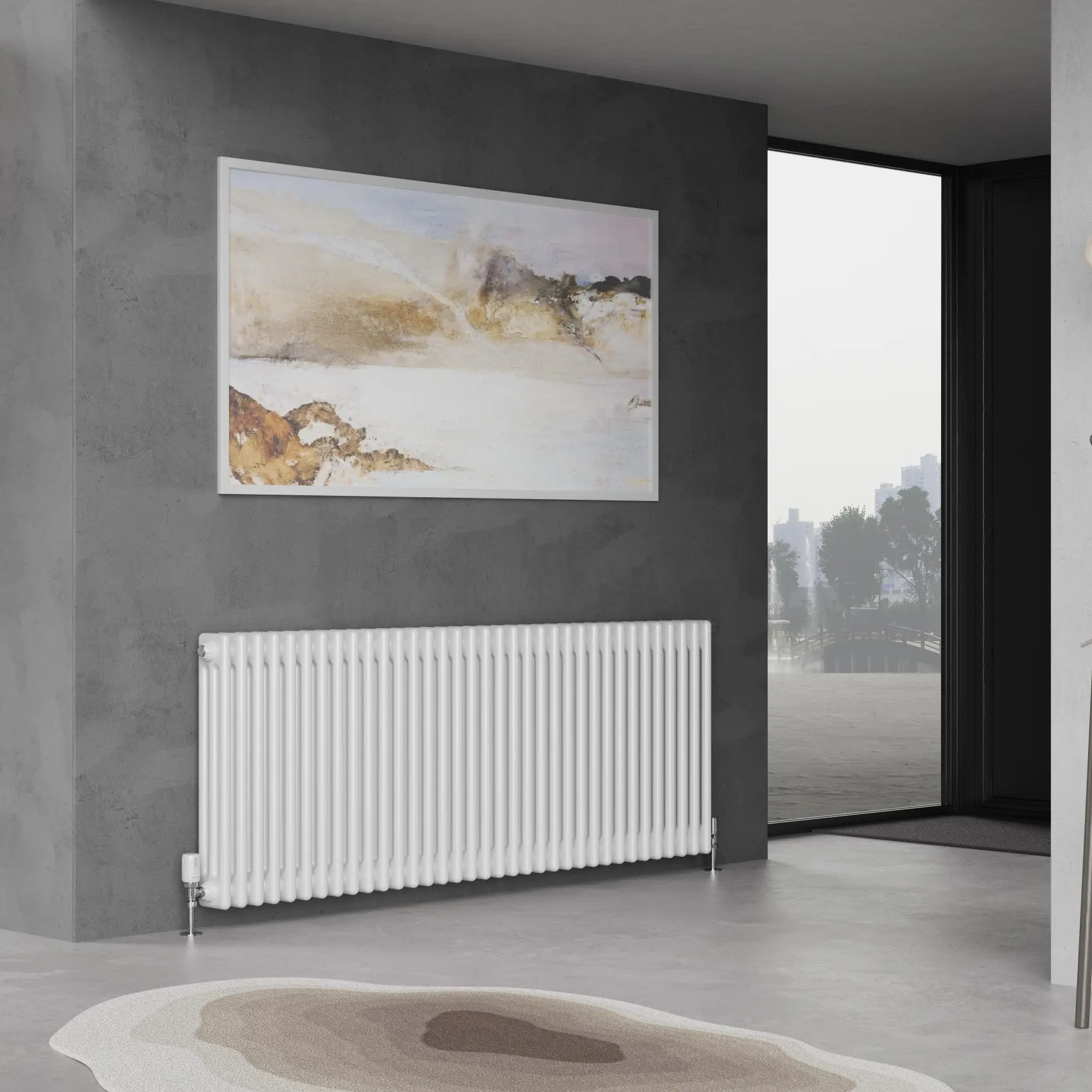
The traditional radiator stands as one of the most fundamental and enduring components in heating systems worldwide, serving as the cornerstone of thermal comfort in residential and commercial spaces. This essential heating device operates on the principle of heat transfer through convection and radiation, efficiently distributing warmth throughout indoor environments. A traditional radiator functions by circulating heated water or steam through a network of metal fins, tubes, or panels, which then release thermal energy into the surrounding air. The design typically features robust construction materials such as cast iron, steel, or aluminum, chosen for their excellent heat conduction properties and durability. The traditional radiator system connects to a central boiler or heating source through a series of pipes, creating a closed-loop circulation system that maintains consistent temperature control. The technological framework behind these heating units relies on straightforward thermodynamic principles, making them reliable and easy to maintain. Modern iterations of the traditional radiator incorporate improved manufacturing techniques while preserving the fundamental operational characteristics that have made them successful for decades. The surface area of a traditional radiator directly correlates to its heating capacity, with larger units capable of warming more substantial spaces effectively. Installation flexibility represents another key aspect, as these heating devices can be mounted on walls, positioned as freestanding units, or integrated into architectural features. The traditional radiator proves particularly effective in climates with extended cold seasons, where consistent and dependable heating becomes essential for occupant comfort and building preservation. Maintenance requirements remain minimal, typically involving periodic bleeding of air from the system and occasional cleaning of exterior surfaces. The longevity of a well-maintained traditional radiator often spans several decades, providing exceptional value for property owners. Energy efficiency continues to improve with technological advancements in boiler systems and circulation pumps, enhancing the overall performance of traditional radiator installations across diverse building types.


Popular Products

The traditional radiator offers numerous compelling advantages that make it an excellent choice for heating solutions across various property types and climates. Energy efficiency ranks among the primary benefits, as these systems can achieve impressive heat distribution with relatively modest energy consumption when properly sized and installed. The traditional radiator operates effectively with lower water temperatures compared to forced-air systems, reducing overall energy demands while maintaining comfortable indoor temperatures. Consistent heat distribution throughout rooms eliminates cold spots and drafts commonly associated with other heating methods, creating uniform comfort levels that occupants appreciate during cold weather periods. The quiet operation of a traditional radiator system provides significant advantages over noisy forced-air alternatives, as water circulation produces minimal sound disturbance, making these units ideal for bedrooms, offices, and other spaces where noise control matters. Installation versatility allows property owners to position traditional radiator units strategically throughout buildings, optimizing heat distribution based on room layout, size, and usage patterns. The traditional radiator requires minimal ongoing maintenance, typically needing only annual system checks and occasional bleeding to remove trapped air, resulting in lower long-term operational costs compared to complex HVAC systems. Zoned heating capabilities enable users to control temperatures independently in different areas, improving both comfort and energy efficiency by heating only occupied spaces when needed. The traditional radiator system proves particularly beneficial for older buildings where retrofitting modern HVAC systems might be impractical or cost-prohibitive, as existing infrastructure often accommodates radiator installations with minimal modifications. Air quality advantages emerge from the absence of forced air circulation, which can distribute dust, allergens, and other airborne particles throughout indoor spaces, making traditional radiator systems preferable for individuals with respiratory sensitivities. The traditional radiator provides reliable performance even during power outages when connected to gravity-fed systems or backup heating sources, ensuring continued warmth during emergency situations. Cost-effectiveness extends beyond initial installation, as these durable systems often outlast other heating alternatives while requiring fewer repairs and replacements over their operational lifetime, delivering exceptional return on investment for property owners seeking dependable heating solutions.

Practical Tips

How to Choose the Right Angle Valve for Your Bathroom?

25

Sep

How to Choose the Right Angle Valve for Your Bathroom?

Understanding the Critical Role of Angle Valves in Bathroom Plumbing A well-functioning bathroom relies heavily on proper plumbing fixtures, with angle valves being one of the most essential components. These small but crucial devices control water f...
View More
How to Maintain a Heating Radiator for Long-Term Performance?

03

Nov

How to Maintain a Heating Radiator for Long-Term Performance?

Essential Guide to Heating Radiator Care and Performance Proper heating radiator maintenance is crucial for ensuring efficient home heating and prolonging the lifespan of your heating system. When well-maintained, a heating radiator can provide relia...
View More
What Is the Difference Between a Heated Towel Rail and Radiator?

03

Nov

What Is the Difference Between a Heated Towel Rail and Radiator?

Understanding Home Heating Solutions: Towel Rails vs Radiators When it comes to keeping your bathroom warm and your towels cozy, you might find yourself wondering about the best heating solution. The distinction between a heated towel rail and radiat...
View More
How Does a Panel Radiator Improve Energy Efficiency?

25

Nov

How Does a Panel Radiator Improve Energy Efficiency?

Modern heating systems are evolving rapidly, with homeowners and businesses increasingly seeking solutions that deliver superior comfort while reducing energy consumption. Among the most effective heating technologies available today, panel radiators...
View More

Get a Free Quote

Our representative will contact you soon.
Email
Name
Company Name
Message
0/1000

traditional radiator

Superior Heat Retention and Thermal Mass Benefits

Superior Heat Retention and Thermal Mass Benefits

The traditional radiator excels in heat retention capabilities due to its substantial thermal mass, a characteristic that sets it apart from lightweight heating alternatives and provides sustained warmth long after the heating system cycles off. This thermal mass advantage stems from the dense construction materials typically used in traditional radiator manufacturing, such as cast iron or heavy-gauge steel, which absorb significant amounts of thermal energy during operation and release it gradually over extended periods. The traditional radiator continues radiating heat into the surrounding space even when the boiler temporarily shuts down, maintaining comfortable temperatures and reducing the frequency of heating cycles. This thermal inertia creates more stable indoor climate conditions, preventing the temperature fluctuations commonly experienced with rapid-response heating systems that quickly heat up and cool down. The traditional radiator thermal mass also helps moderate energy consumption by reducing the system's need to constantly restart, as the stored heat bridges gaps between active heating periods. Property owners benefit from improved comfort levels as the traditional radiator eliminates the abrupt temperature changes that can make spaces feel uncomfortable or drafty. The substantial construction of these heating units also contributes to their exceptional durability, with many traditional radiator installations functioning effectively for fifty years or more with proper maintenance. The thermal mass properties become particularly valuable in buildings with high ceilings or large open spaces, where the traditional radiator steady heat output helps maintain consistent temperatures despite challenging architectural features. Energy efficiency improvements result from the traditional radiator ability to maintain warmth using residual heat, reducing overall fuel consumption while preserving occupant comfort. The traditional radiator thermal characteristics prove especially beneficial during transitional weather periods when outdoor temperatures fluctuate significantly, as the stored heat helps maintain indoor stability without constant system adjustments. This superior heat retention capability makes the traditional radiator an ideal choice for applications where consistent, long-lasting warmth is prioritized over rapid temperature changes.
Exceptional Durability and Longevity Performance

Exceptional Durability and Longevity Performance

The traditional radiator demonstrates unmatched durability and longevity that significantly outperforms modern heating alternatives, making it a wise long-term investment for property owners seeking reliable heating solutions. Construction quality represents the foundation of traditional radiator longevity, with manufacturers utilizing robust materials and time-tested manufacturing processes that create heating units capable of withstanding decades of continuous operation under demanding conditions. The traditional radiator typically features heavy-duty cast iron, steel, or aluminum construction that resists corrosion, thermal stress, and mechanical damage far better than lightweight modern alternatives. Many traditional radiator installations continue functioning effectively after forty to sixty years of service, with some cast iron units operating successfully for over a century with appropriate maintenance and care. The simple mechanical design of a traditional radiator contains fewer complex components compared to modern heating systems, reducing potential failure points and minimizing repair requirements throughout the unit's operational lifetime. The traditional radiator proves particularly resistant to common heating system problems such as electrical failures, control system malfunctions, and mechanical breakdowns that frequently affect sophisticated modern heating equipment. Maintenance requirements remain minimal throughout the traditional radiator lifespan, typically involving only periodic system flushing, air bleeding, and exterior cleaning to maintain optimal performance levels. The traditional radiator construction allows for easy repair and component replacement when necessary, with many parts readily available and installation procedures straightforward enough for qualified technicians to complete efficiently. Corrosion resistance varies by material choice, with properly treated cast iron and aluminum traditional radiator units showing excellent resistance to internal water damage and external environmental factors. The traditional radiator design accommodates system modifications and upgrades without requiring complete replacement, allowing property owners to improve efficiency and performance while preserving their existing heating infrastructure investment. Resale value benefits emerge from traditional radiator installations, as these durable heating systems add long-term value to properties and appeal to buyers seeking low-maintenance heating solutions. The exceptional longevity of traditional radiator systems translates to superior return on investment compared to heating alternatives that require replacement every fifteen to twenty years.
Versatile Installation and Design Integration Options

Versatile Installation and Design Integration Options

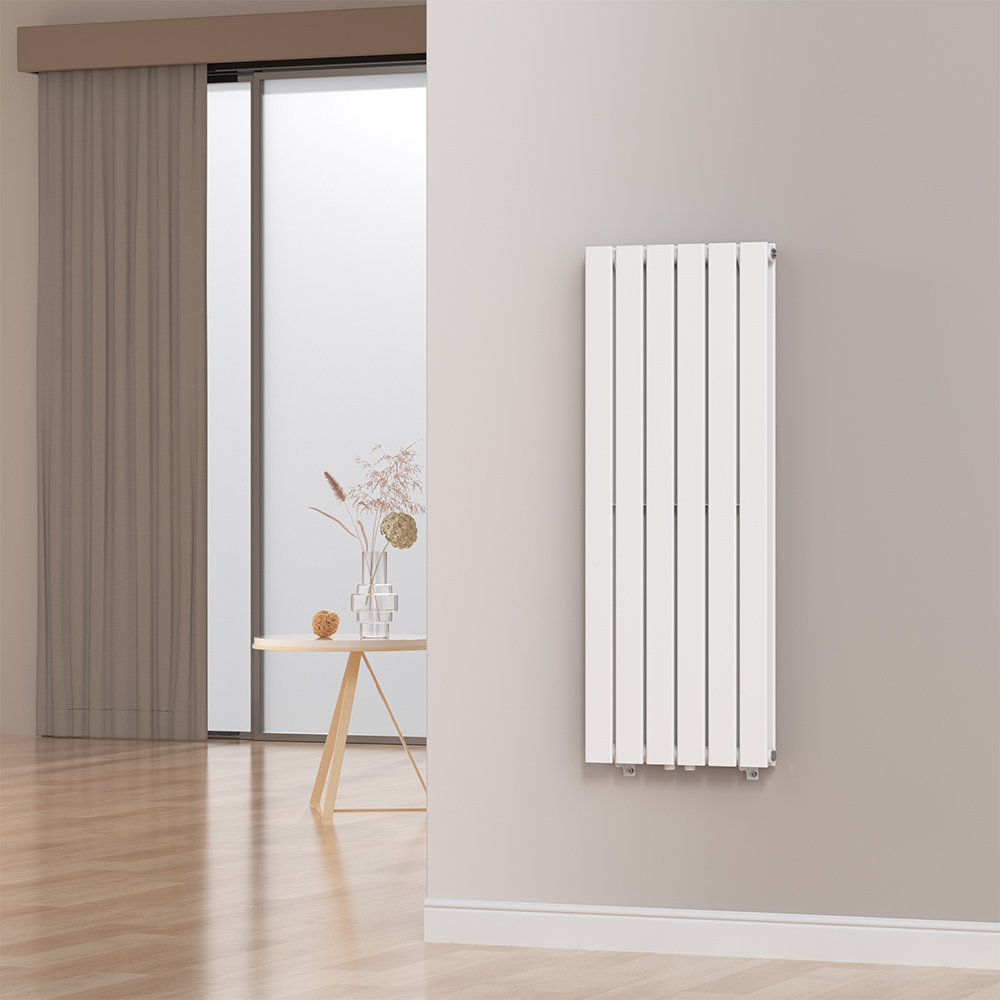
The traditional radiator offers remarkable installation flexibility and design integration possibilities that accommodate diverse architectural styles, space constraints, and aesthetic preferences while maintaining optimal heating performance. Installation versatility allows property owners to position traditional radiator units in various configurations, including wall-mounted, freestanding, and built-in arrangements that maximize space utilization and heating efficiency based on specific room requirements. The traditional radiator adapts seamlessly to different building types, from historic properties requiring period-appropriate heating solutions to contemporary constructions seeking reliable and unobtrusive climate control systems. Retrofit capabilities make the traditional radiator an excellent choice for building renovations and upgrades, as existing pipe networks and infrastructure often accommodate new installations with minimal structural modifications or system overhauls. The traditional radiator design variety encompasses numerous styles, sizes, and finishes that complement different interior design themes while providing consistent heating performance across diverse aesthetic applications. Column configurations in traditional radiator units allow for customized heat output matching specific room requirements, with manufacturers offering multiple column depths and heights to achieve optimal thermal performance for spaces ranging from compact bathrooms to expansive living areas. The traditional radiator positioning flexibility enables strategic placement near windows, along exterior walls, or in central locations where heat distribution proves most effective for occupant comfort and energy efficiency. Architectural integration possibilities include recessing traditional radiator units into wall cavities, incorporating them into built-in furniture pieces, or showcasing them as decorative elements that enhance rather than detract from interior design schemes. The traditional radiator connection options accommodate various plumbing configurations, including series and parallel arrangements that optimize water flow and heat distribution throughout multi-room installations. Zoning capabilities allow independent control of traditional radiator units in different areas, enabling customized temperature management that improves both comfort and energy efficiency based on occupancy patterns and usage requirements. The traditional radiator maintenance accessibility remains excellent regardless of installation method, with service points and connections designed for easy technician access without disrupting surrounding fixtures or finishes. Modern manufacturing techniques enable traditional radiator units to achieve slim profiles and contemporary appearances while preserving the fundamental performance characteristics that make these heating systems successful across diverse applications and environments.

Get a Free Quote

Our representative will contact you soon.
Email
Name
Company Name
Message
0/1000