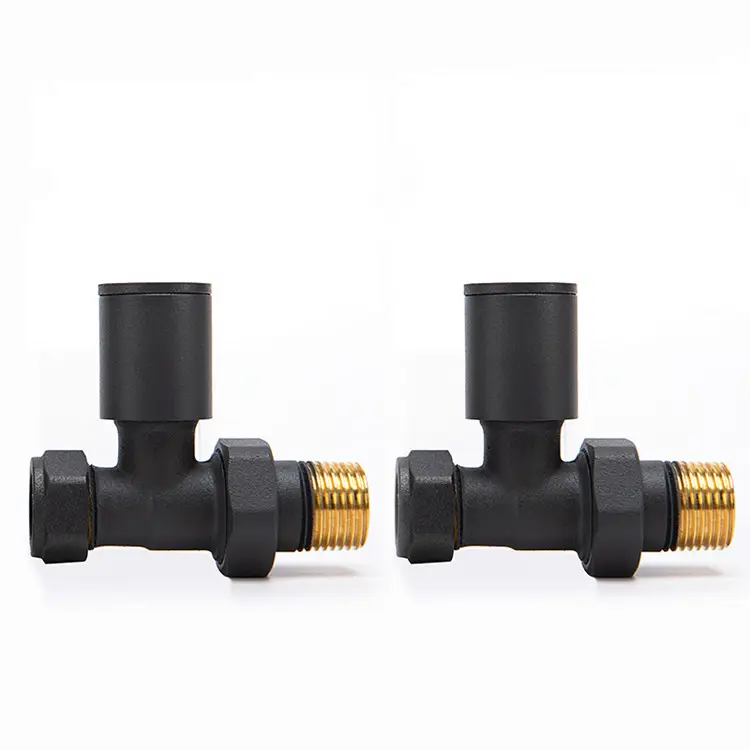
hermostatic radiator valve
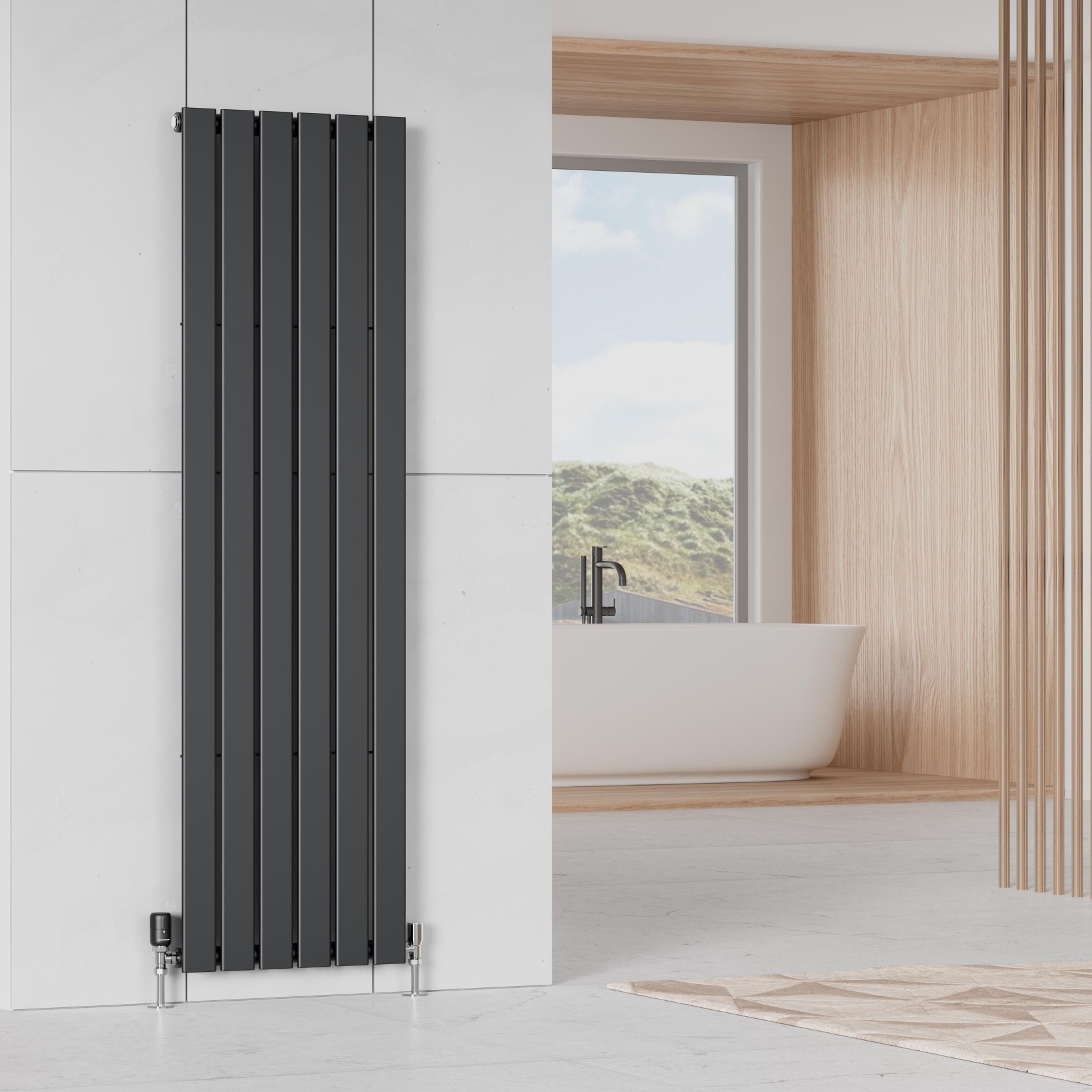
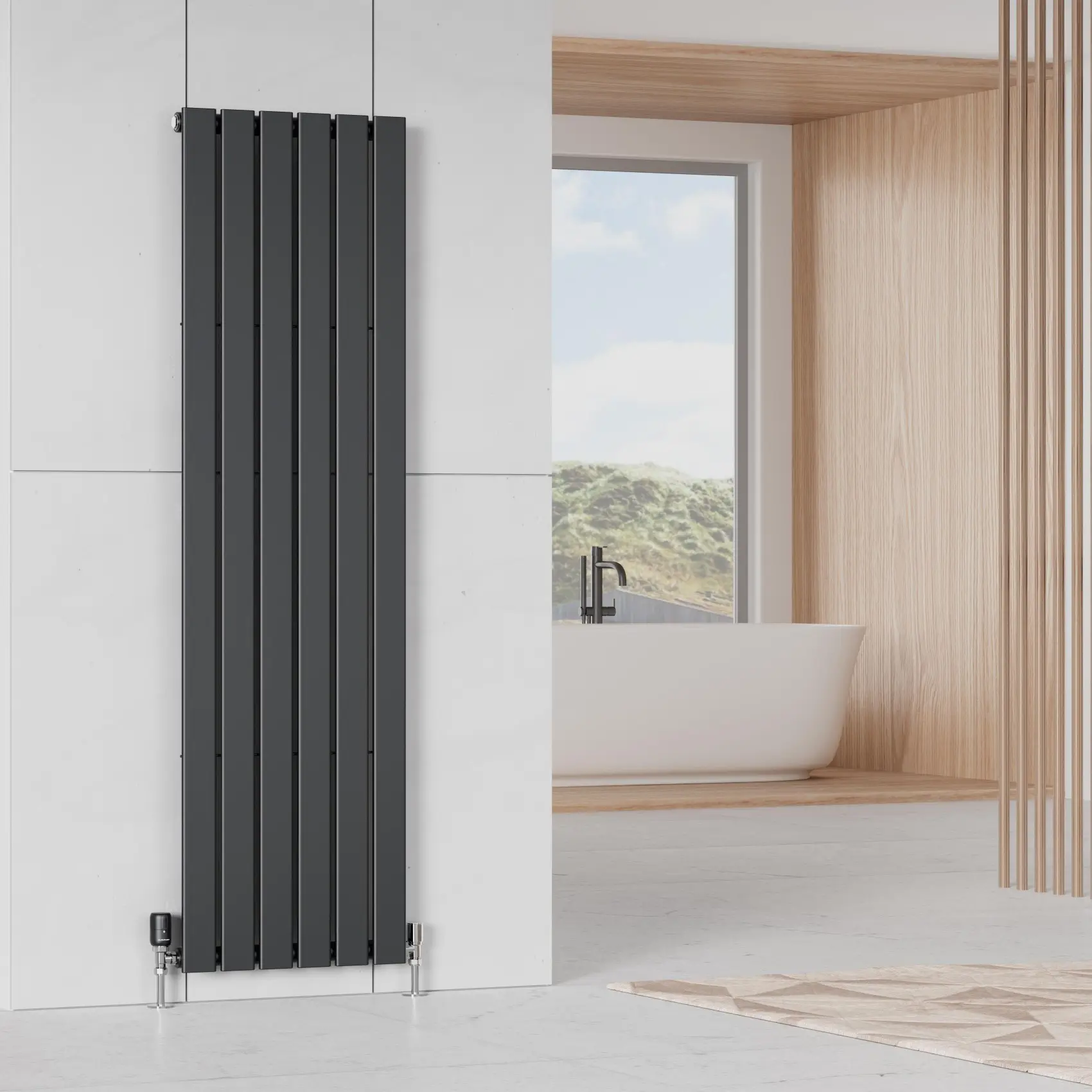
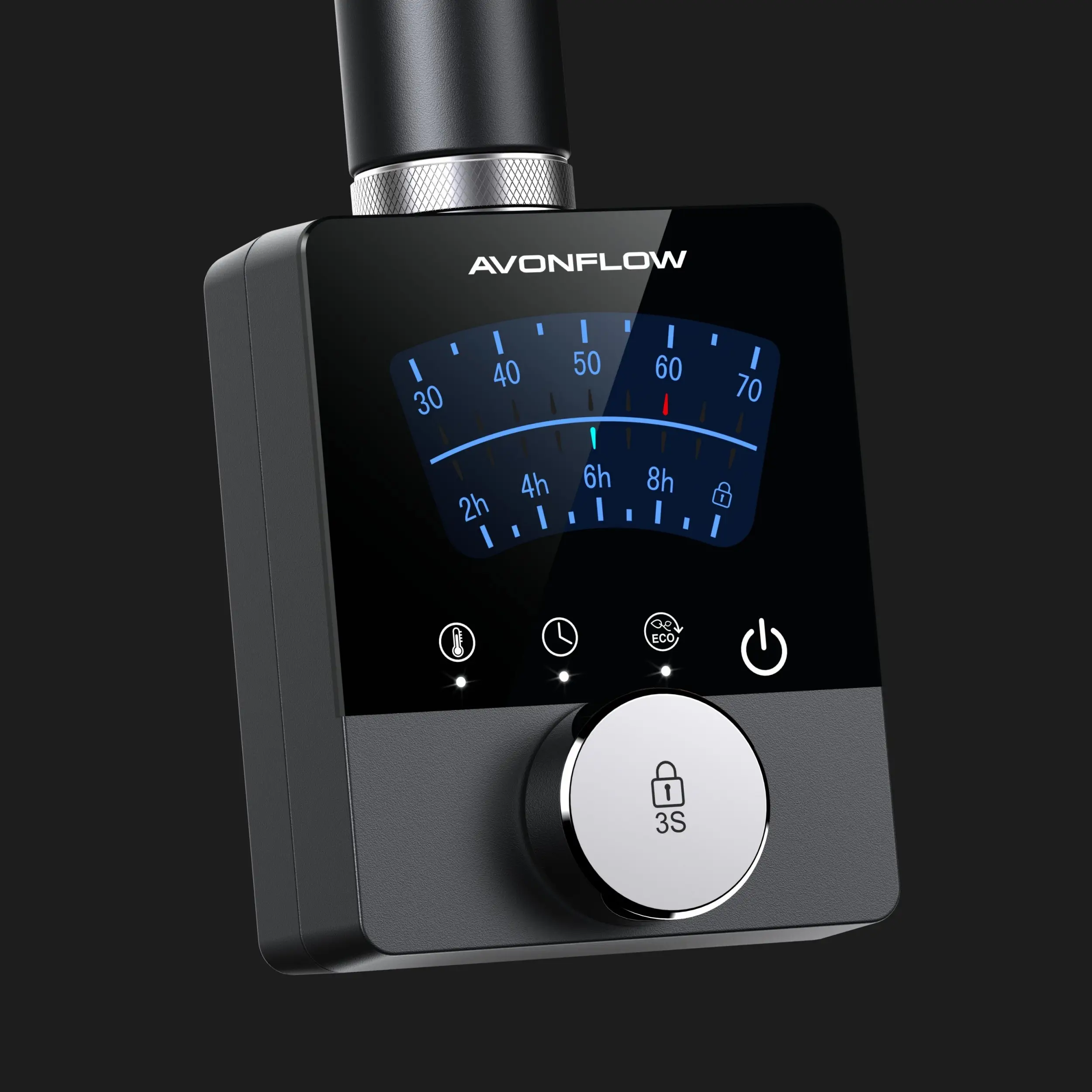
A thermostatic radiator valve represents a crucial component in modern heating systems, designed to provide precise temperature control and energy efficiency for individual radiators. This intelligent device automatically regulates the flow of hot water through radiators based on the ambient room temperature, ensuring optimal comfort while minimizing energy consumption. The thermostatic radiator valve operates through a sophisticated mechanism that responds to temperature variations, making it an essential upgrade for both residential and commercial heating applications. The primary function of a thermostatic radiator valve centers on maintaining consistent room temperatures through automatic flow regulation. When the ambient temperature rises above the set point, the valve's sensing element expands, reducing water flow through the radiator. Conversely, when temperatures drop, the element contracts, allowing increased flow to generate more heat. This continuous adjustment process eliminates the need for manual valve operation and prevents overheating or underheating situations. Technologically, the thermostatic radiator valve incorporates a temperature-sensitive element, typically containing wax or liquid that responds to thermal changes. The sensing head contains calibrated settings that allow users to select desired temperature ranges, usually marked from 1 to 5 or with specific temperature indicators. Advanced models feature enhanced accuracy and faster response times, while some include programmable functions and smart connectivity options. The valve body connects directly to the radiator inlet, replacing standard manual valves with minimal installation requirements. Applications for thermostatic radiator valves span diverse environments including homes, offices, schools, hospitals, and industrial facilities. These devices prove particularly valuable in multi-room buildings where different spaces require varying temperature levels. Bedrooms might need lower temperatures for comfortable sleeping, while living areas require warmer settings. Commercial applications benefit from zone-specific control, reducing operational costs while maintaining occupant comfort across different building sections.

 EN
EN