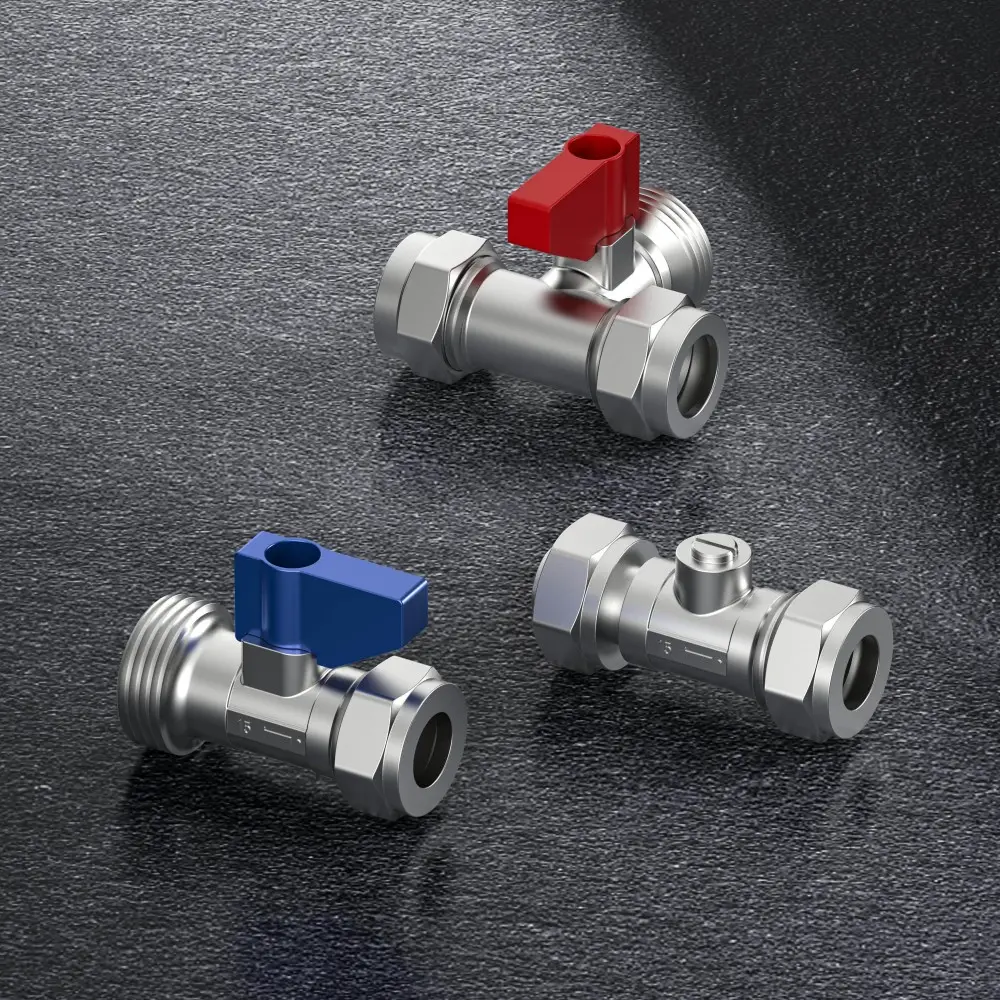
heating magnetic filter
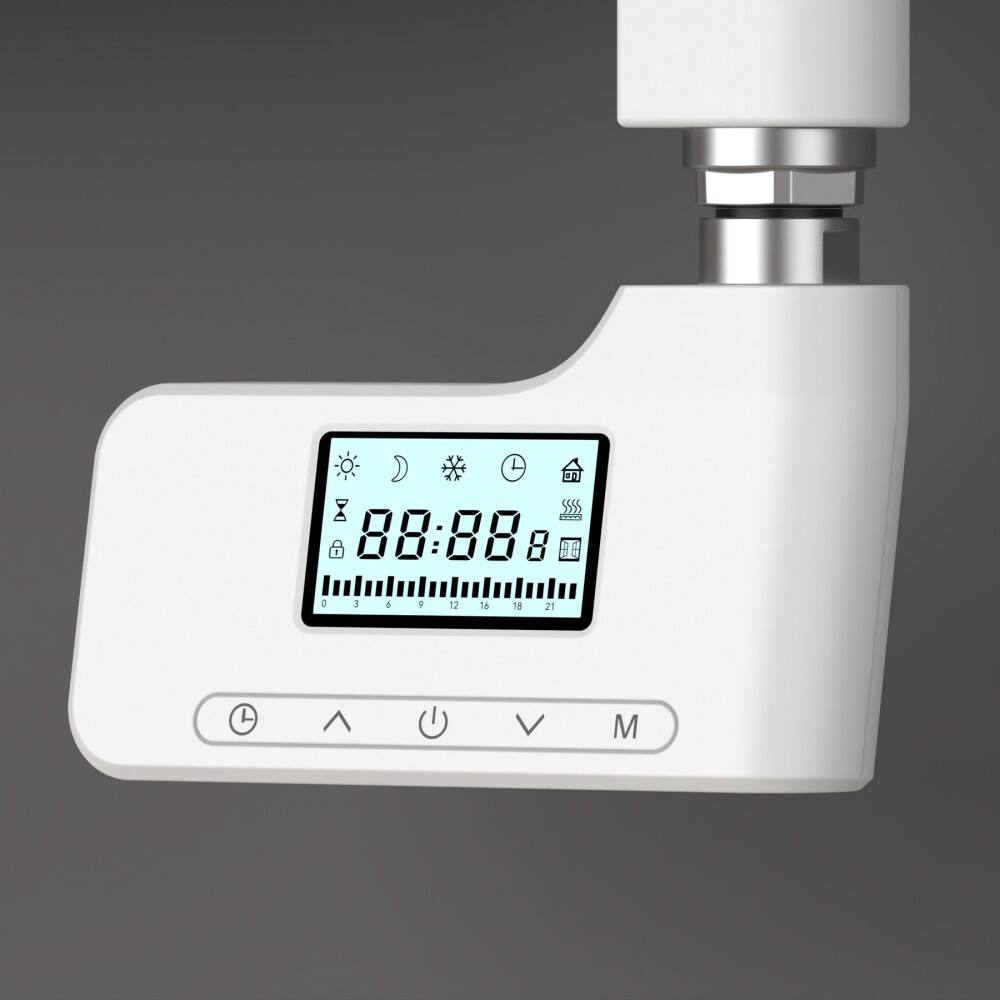
A heating magnetic filter represents an advanced industrial separation technology that combines thermal processing with magnetic attraction principles to achieve superior material purification results. This innovative equipment operates by heating materials to specific temperatures while simultaneously applying powerful magnetic fields to extract ferrous contaminants and unwanted metallic particles from various substances. The heating magnetic filter serves multiple critical functions in manufacturing processes, including removing iron-based impurities from raw materials, enhancing product purity levels, and protecting downstream equipment from potential damage caused by metallic debris. The technological foundation of this system relies on controlled temperature elevation that makes magnetic separation more effective by altering the magnetic properties of certain materials and reducing viscosity in liquid applications. Modern heating magnetic filter units incorporate sophisticated control systems that monitor temperature gradients, magnetic field strength, and material flow rates to optimize separation efficiency. These devices typically feature adjustable heating elements, rare earth permanent magnets or electromagnets, and automated cleaning mechanisms that ensure continuous operation without frequent maintenance interruptions. The temperature control capabilities allow operators to customize processing conditions based on specific material characteristics and contamination levels. Advanced models include digital interfaces that provide real-time monitoring of operational parameters and enable remote control functionality. The magnetic separation component utilizes high-intensity magnetic fields generated by neodymium magnets or electromagnetic coils strategically positioned within the heating chamber. This configuration ensures maximum contact between contaminated materials and magnetic forces while maintaining optimal thermal conditions. The heating magnetic filter demonstrates exceptional versatility in handling various material types, from fine powders and granular substances to viscous liquids and semi-solid compounds. Integration capabilities with existing production lines make these systems valuable additions to automated manufacturing environments where consistent product quality and operational efficiency remain paramount concerns.

 EN
EN