best trv valves
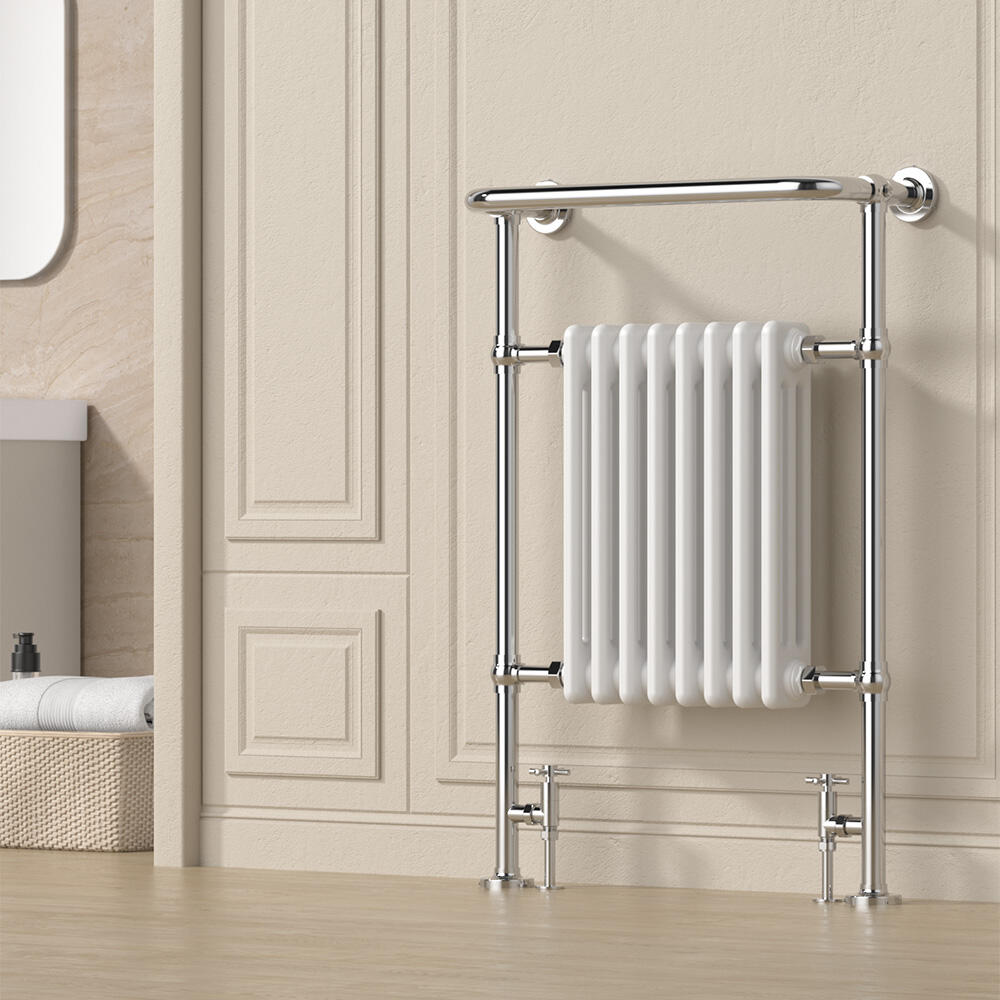
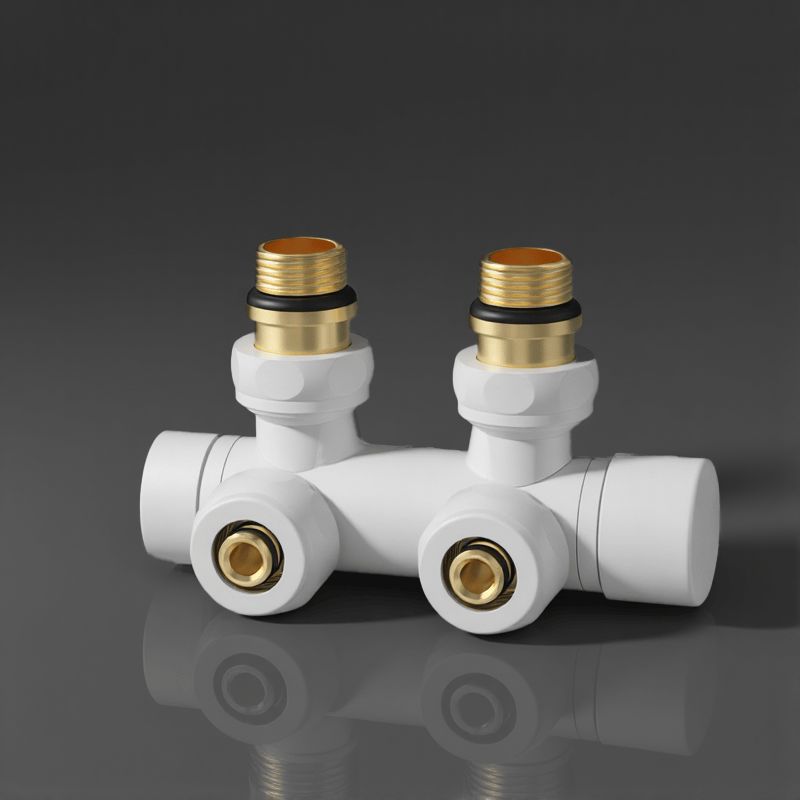
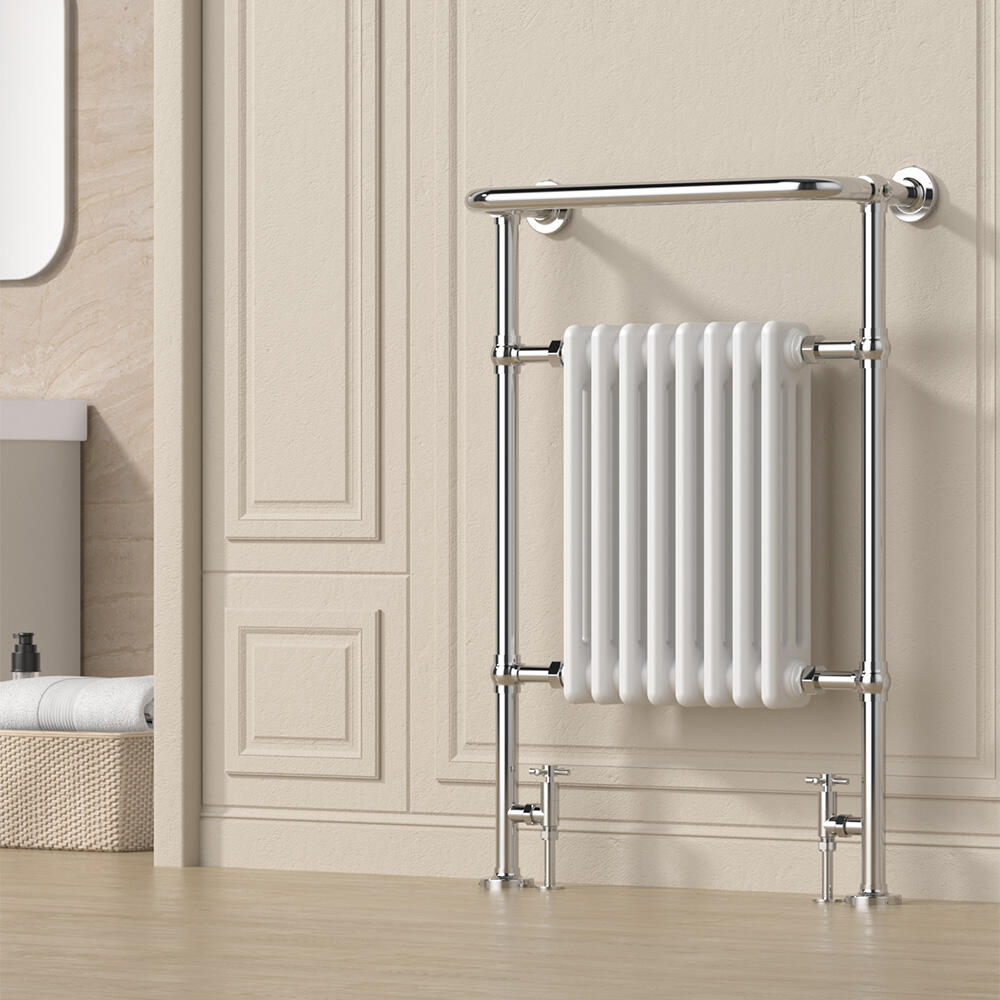
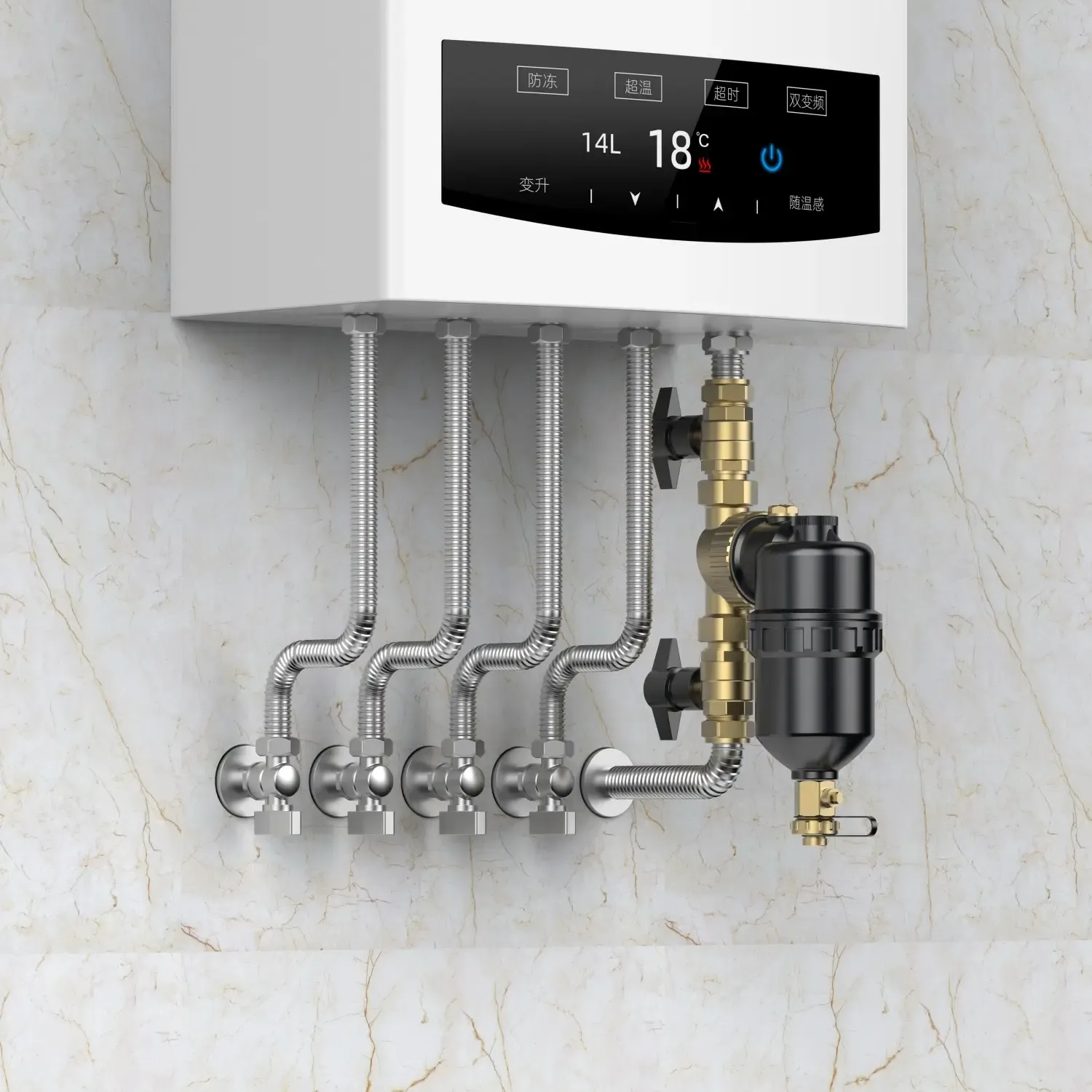
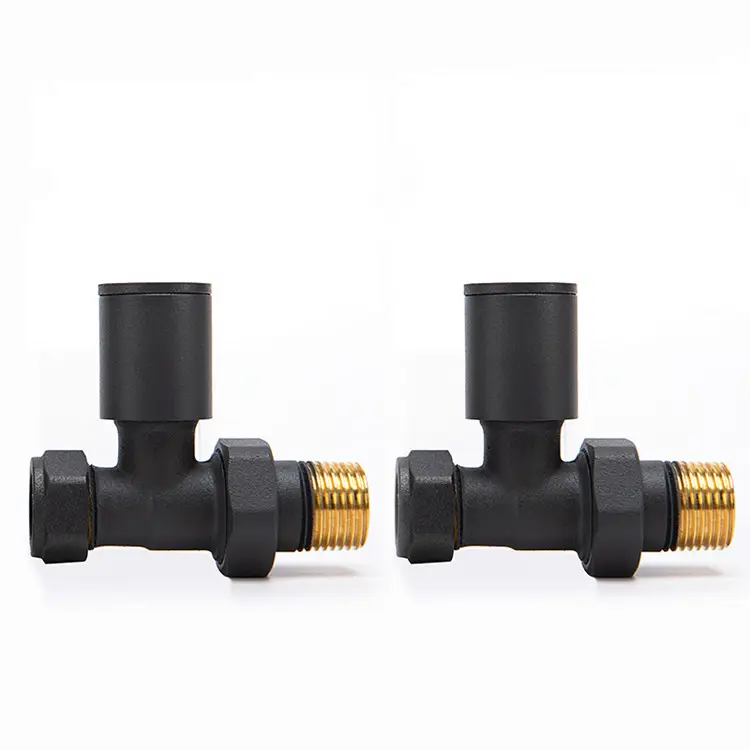
The best trv valves represent the pinnacle of thermostatic radiator valve technology, offering precise temperature control and energy efficiency for modern heating systems. These advanced valves combine sophisticated thermostatic elements with robust mechanical construction to deliver superior performance across residential and commercial applications. The best trv valves feature high-quality thermostatic sensors that respond rapidly to temperature changes, ensuring consistent room temperatures while minimizing energy consumption. Their main functions include automatic temperature regulation, flow control, and system balancing, making them essential components for efficient heating management. Technologically, the best trv valves incorporate advanced thermostatic elements with enhanced sensitivity ranges, typically operating between 6-28°C with precision accuracy of ±1°C. The valve bodies are manufactured from durable brass or stainless steel materials, ensuring longevity and corrosion resistance in various water conditions. Modern designs feature bi-directional flow capabilities, allowing installation flexibility while maintaining optimal performance. The thermostatic heads utilize liquid or wax-filled sensors that expand and contract smoothly, providing reliable operation over extended periods. Applications for the best trv valves span multiple sectors, including residential homes, office buildings, hospitals, schools, and industrial facilities. They integrate seamlessly with various radiator types, underfloor heating systems, and towel warmers. The best trv valves support both single-pipe and two-pipe heating configurations, making them versatile solutions for new installations and retrofit projects. Their compatibility with smart home systems enables remote monitoring and control capabilities. Installation versatility allows mounting on either flow or return connections, while the compact design ensures aesthetic integration with modern interior designs. The best trv valves also support zone heating strategies, enabling different temperature settings across building areas for enhanced comfort and energy savings.

 EN
EN