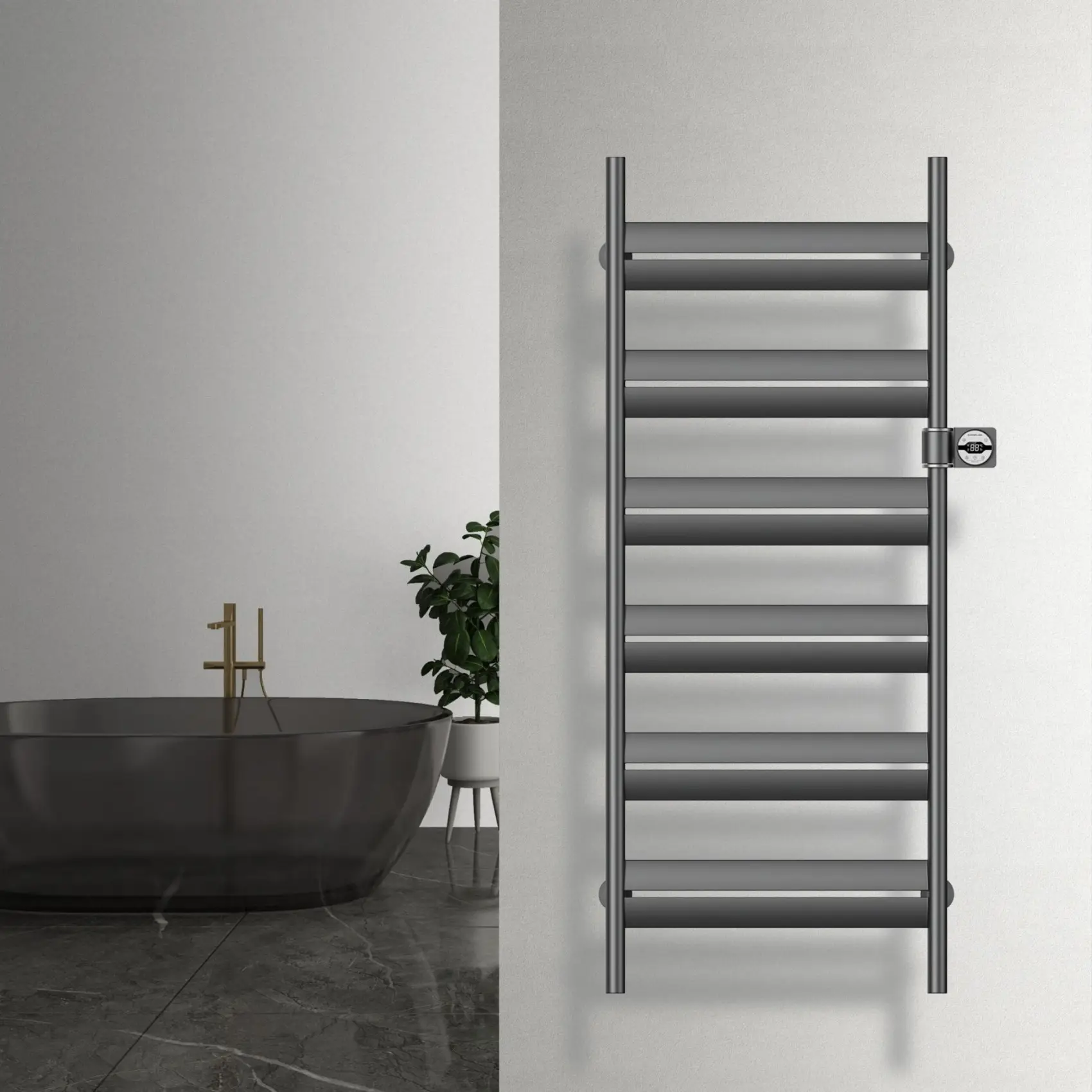
radiator in the bathroom
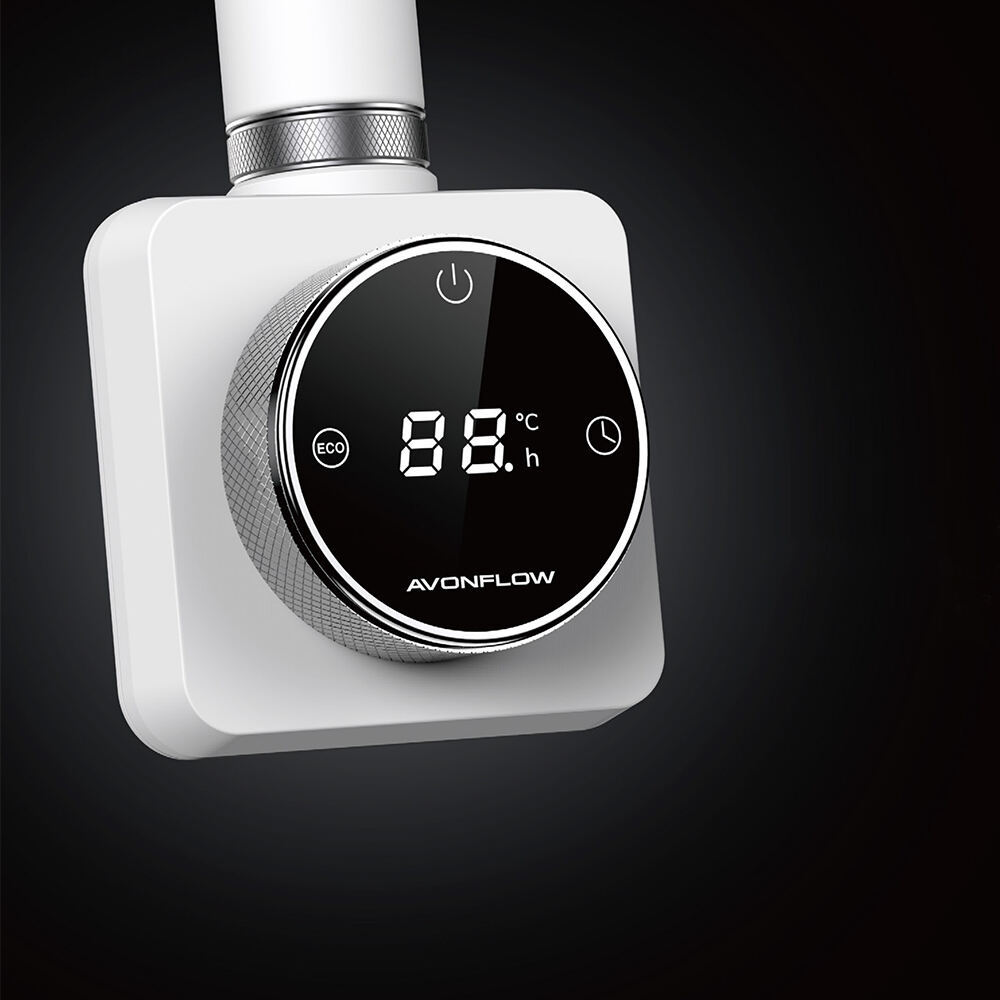
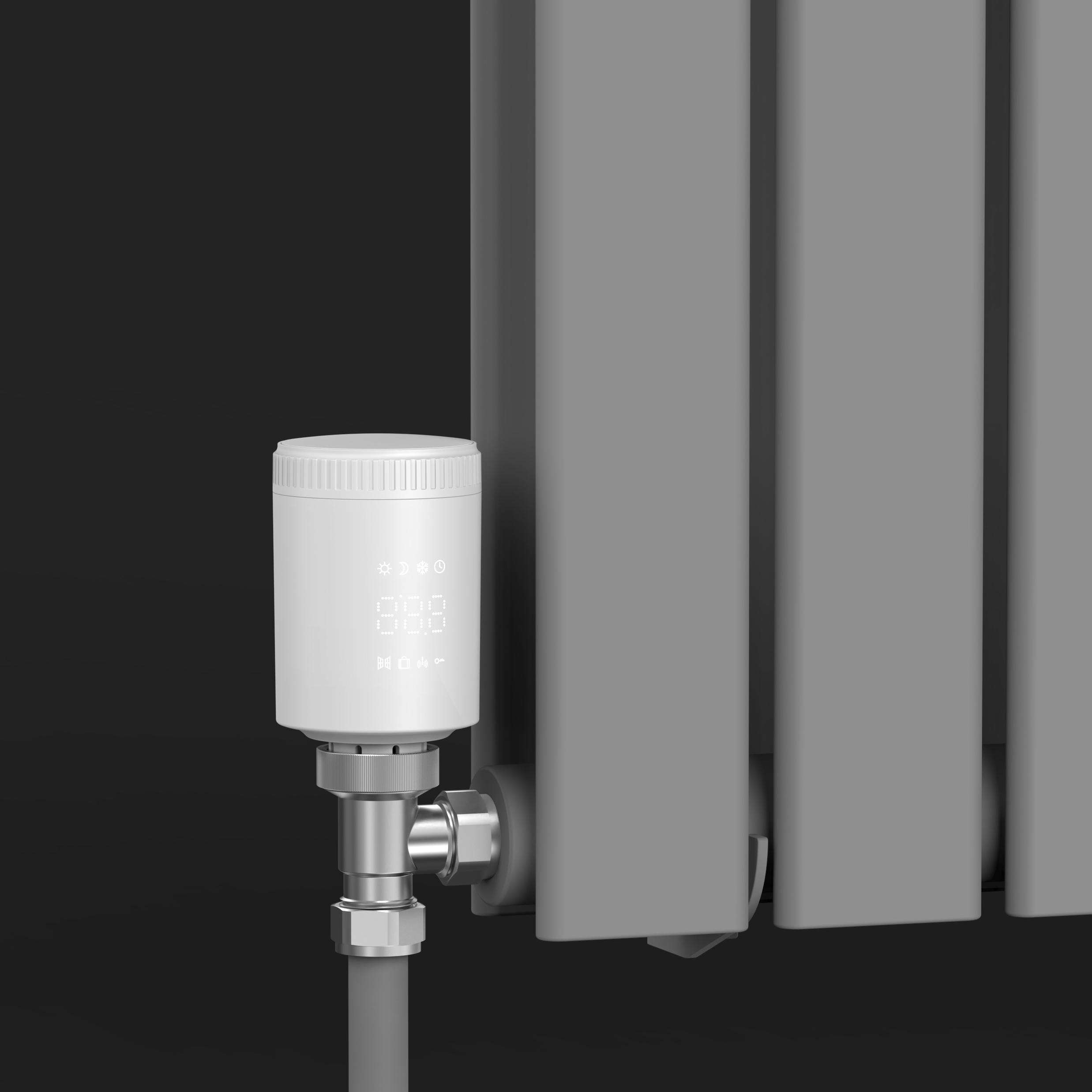
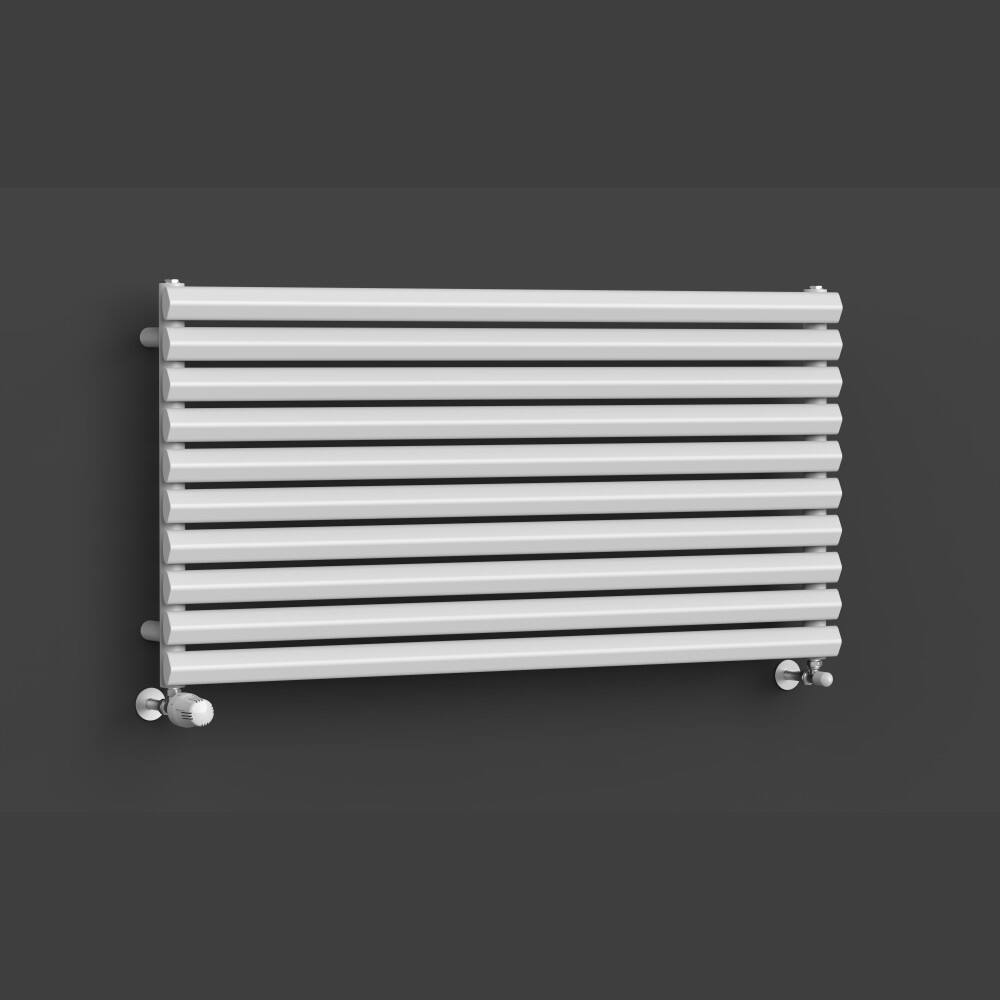
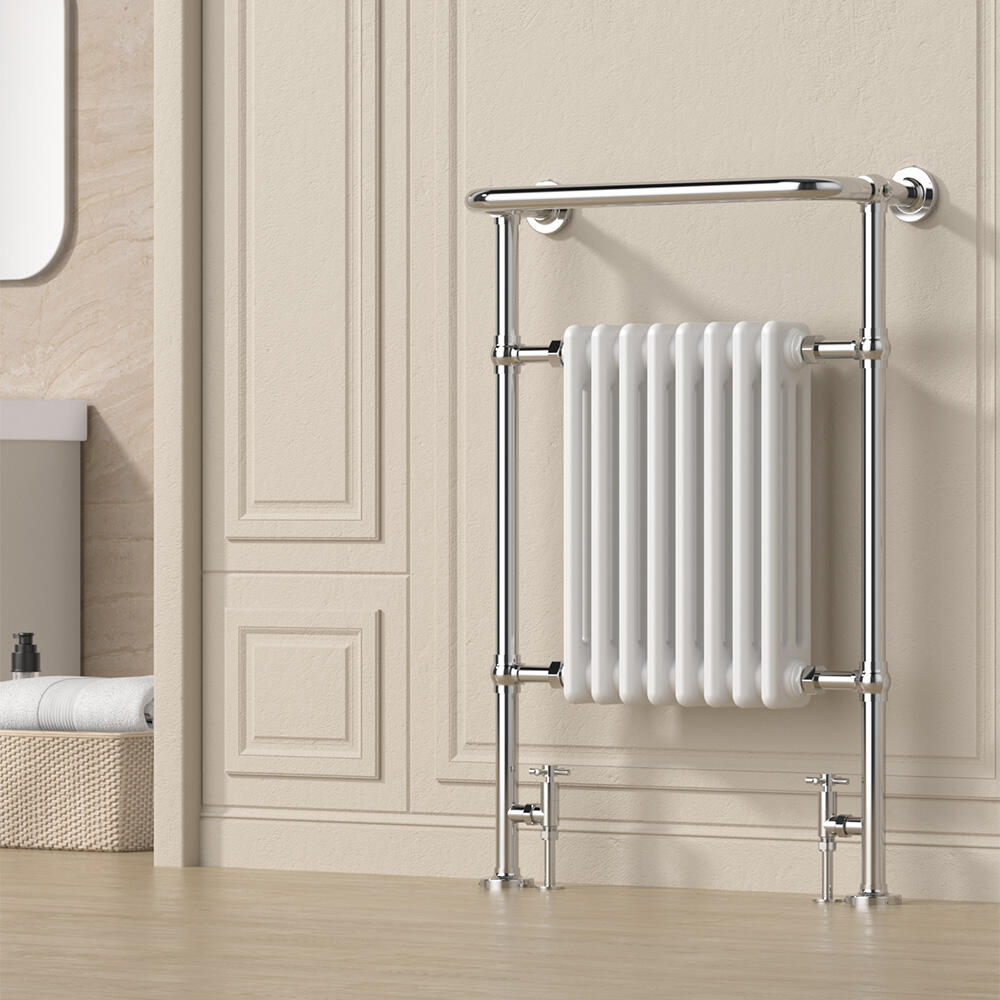
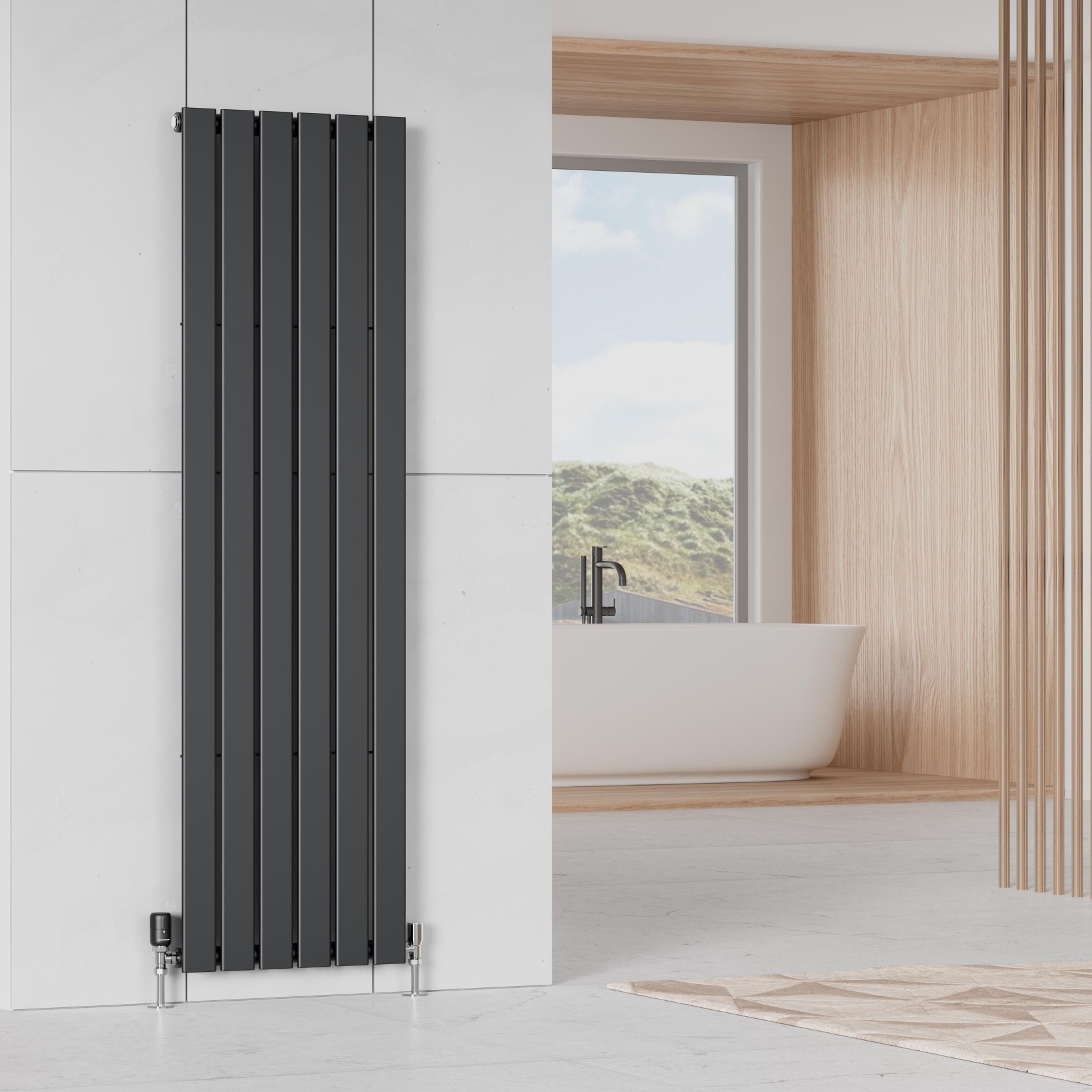
A radiator in the bathroom serves as an essential heating solution that transforms cold, uncomfortable spaces into warm, inviting sanctuaries. This specialized heating system operates by circulating hot water or steam through metal fins or tubes, effectively distributing heat throughout the bathroom environment. The radiator in the bathroom functions as both a primary heating source and a practical accessory, making daily routines more comfortable during colder months. Modern bathroom radiators come equipped with advanced temperature control mechanisms, allowing users to customize heat output according to their specific preferences and seasonal requirements. These heating units typically connect to the home's central heating system, ensuring consistent warmth delivery while maintaining energy efficiency standards. The radiator in the bathroom design incorporates corrosion-resistant materials such as stainless steel, aluminum, or specially treated cast iron to withstand high humidity levels and frequent moisture exposure. Many contemporary models feature sleek, minimalist aesthetics that complement various bathroom decor styles, from traditional to ultra-modern designs. Advanced technological features include thermostatic valves that automatically regulate temperature, smart controls for remote operation, and quick-heating capabilities that reduce energy consumption. The radiator in the bathroom placement requires careful consideration of space utilization, ensuring optimal heat distribution without interfering with daily activities. Installation options include wall-mounted units, floor-standing models, and compact designs suitable for smaller bathrooms. Safety features incorporate rounded edges, anti-scald protection, and secure mounting systems to prevent accidents. The radiator in the bathroom applications extend beyond basic heating, often serving as towel warmers and air circulation enhancers. Professional installation ensures proper connection to existing plumbing systems, optimal positioning for maximum efficiency, and compliance with local building codes and safety regulations.

 EN
EN