Space-Saving Design Excellence
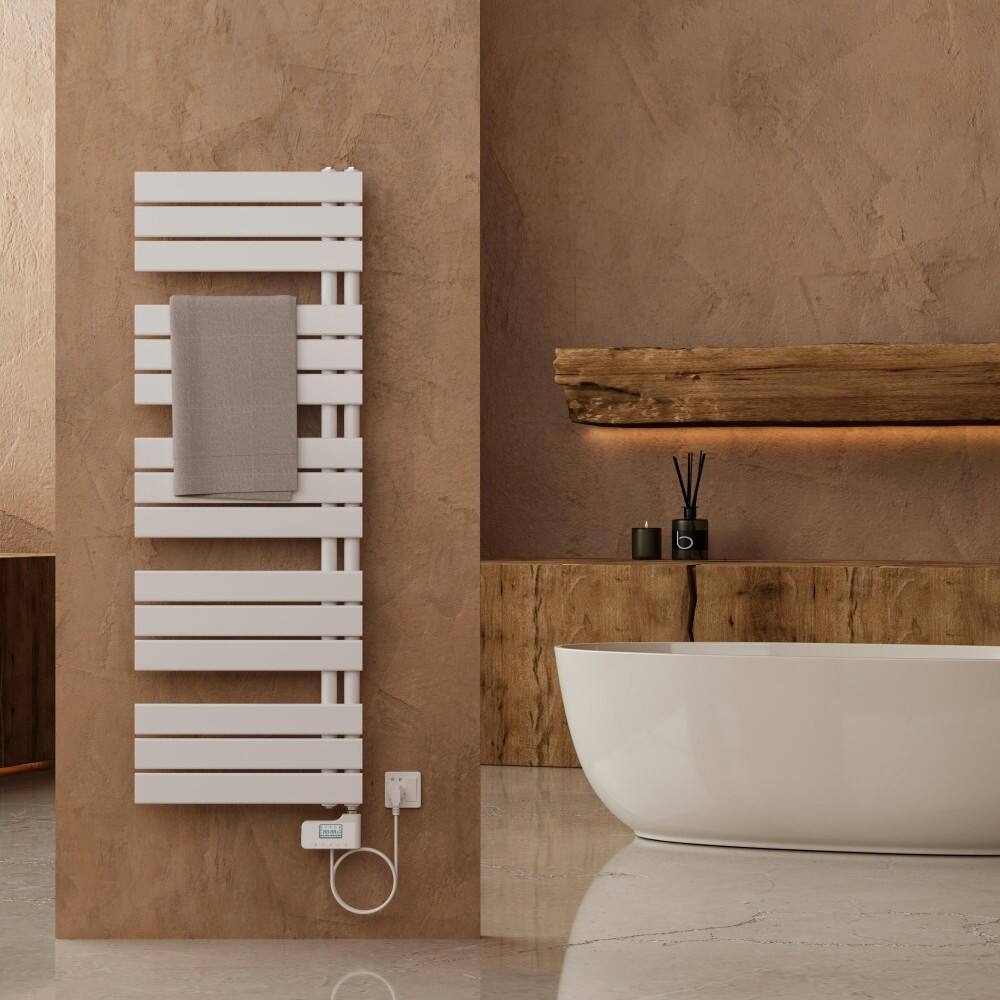
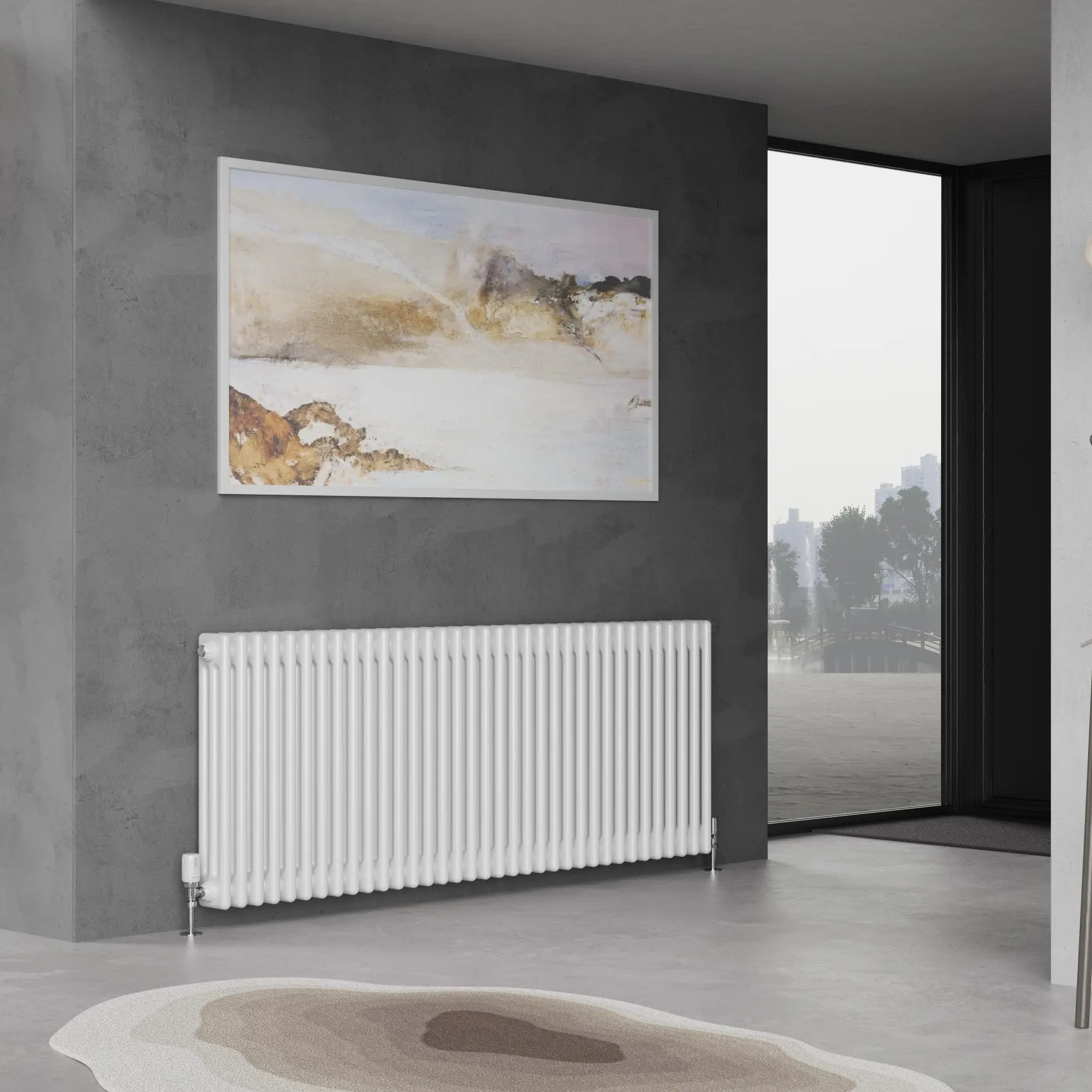
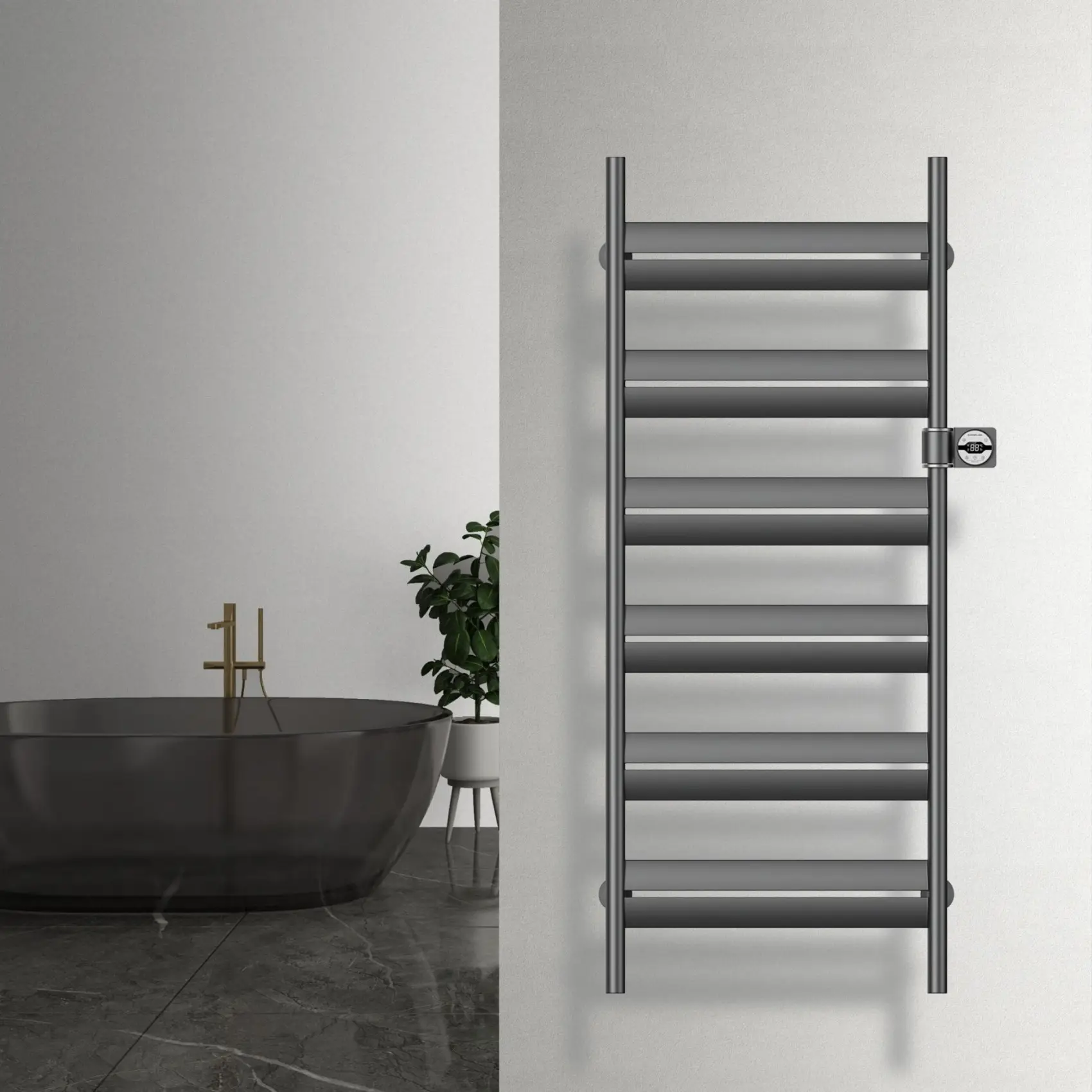
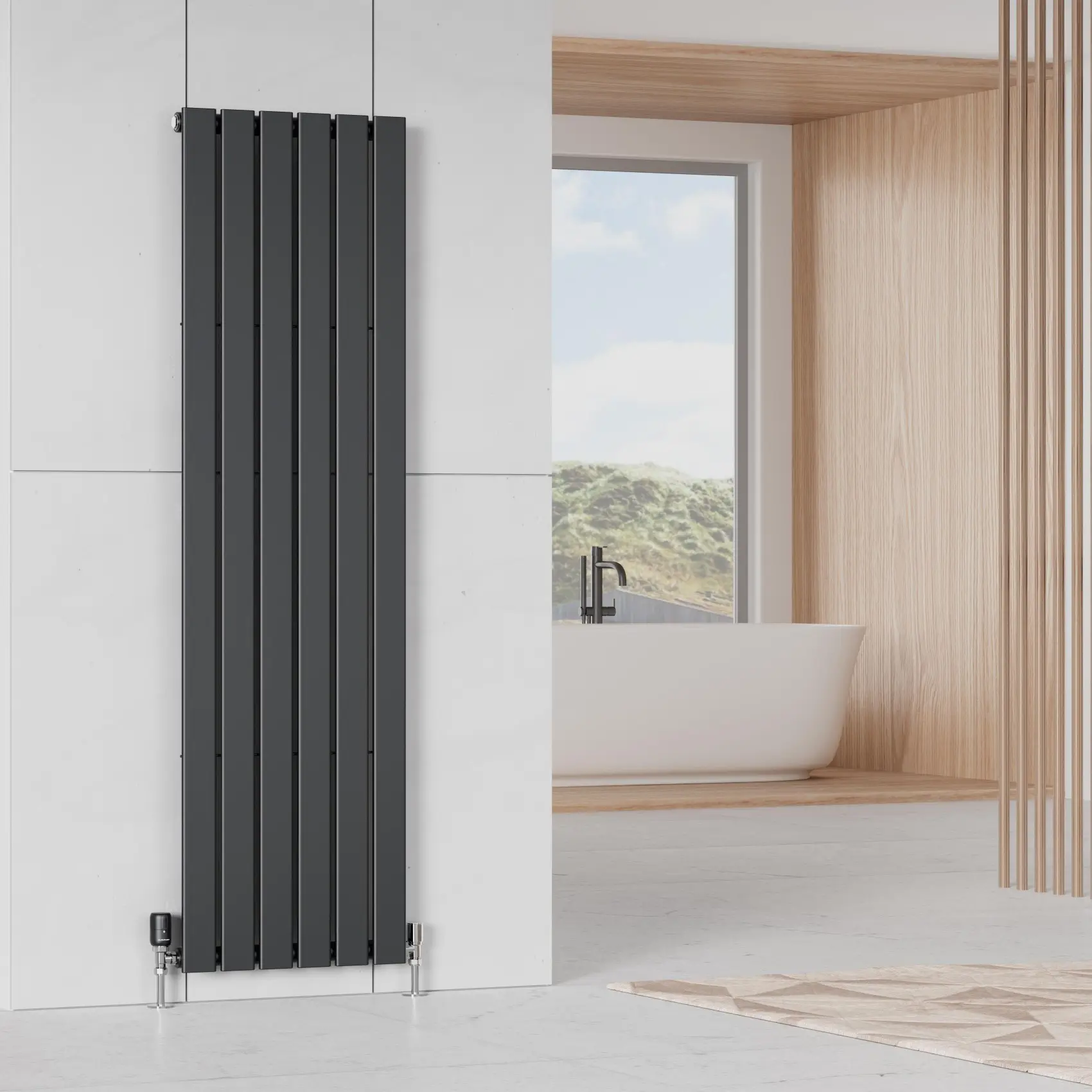
The panel radiator heater showcases exceptional space-saving design excellence that addresses the modern challenge of maximizing heating performance while minimizing physical footprint in increasingly compact living and working environments. This design philosophy centers on ultra-slim profile construction that delivers impressive heating capacity despite occupying minimal wall or floor space, making it particularly valuable in urban apartments, small offices, or renovated buildings where every square foot matters. The vertical orientation options available with many panel radiator heater models enable installation in narrow wall sections, awkward corners, or areas where traditional heating systems would be impractical or impossible to accommodate effectively. Smart engineering techniques concentrate maximum heating surface area into compact dimensions through innovative panel folding and layering methods that triple thermal output without proportionally increasing space requirements. The sleek profile of the panel radiator heater allows furniture placement flexibility that traditional bulky heating systems cannot accommodate, enabling optimal room layout planning without compromising heating effectiveness or accessibility for maintenance purposes. Installation versatility extends to various mounting options including wall-hung, floor-standing, and recessed configurations that adapt to different architectural constraints while maintaining consistent heating performance standards. The space-efficient design also facilitates discrete integration into modern interior design schemes, blending seamlessly with contemporary aesthetics rather than dominating room appearance like older radiator styles. This design excellence proves particularly beneficial in commercial settings where maximizing usable space directly impacts productivity and profitability, allowing businesses to optimize floor plans while ensuring comfortable working conditions. The compact nature of the panel radiator heater also simplifies shipping, handling, and installation logistics, reducing overall project costs and timeline requirements compared to larger, more cumbersome heating systems that require special handling or modified doorways for installation access.

 EN
EN