Premium Brass Pipes and Fittings: Durable, Antimicrobial Plumbing Solutions for Industrial and Residential Applications

Get a Free Quote

Our representative will contact you soon.
Email
Name
Company Name
Message
0/1000

brass pipes and fittings

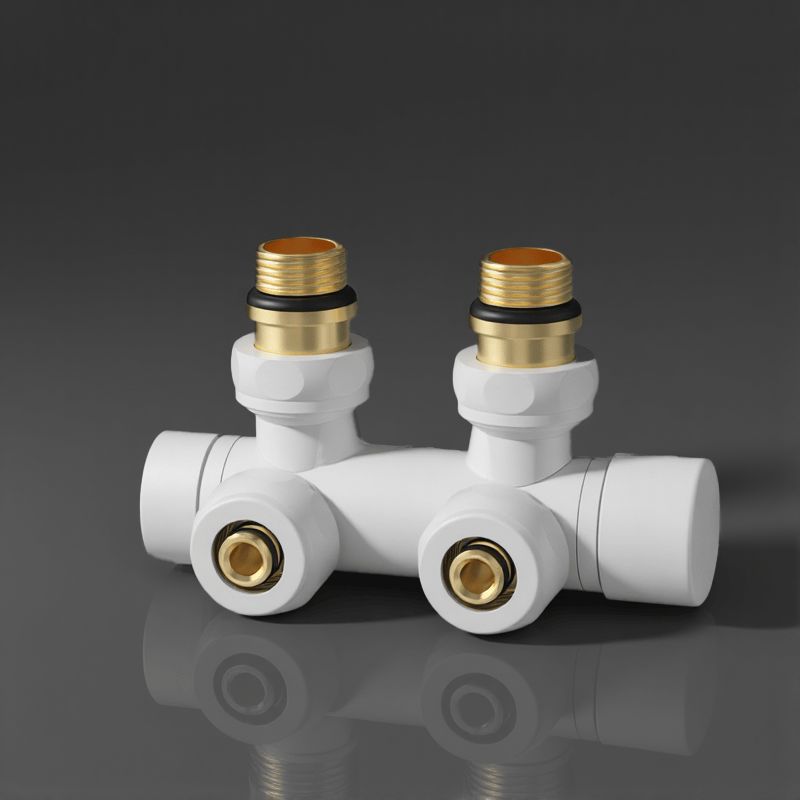
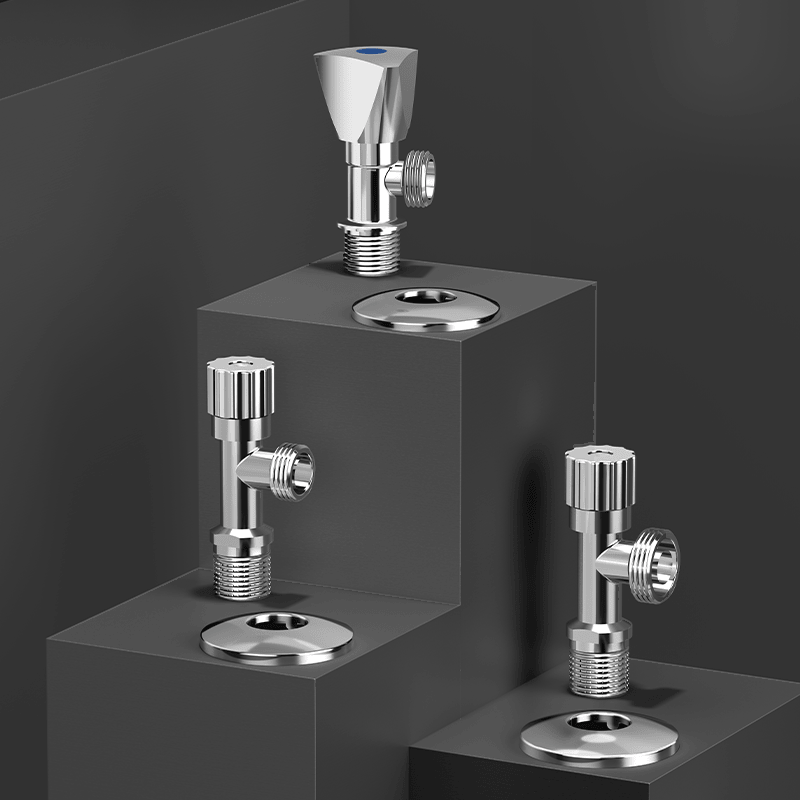
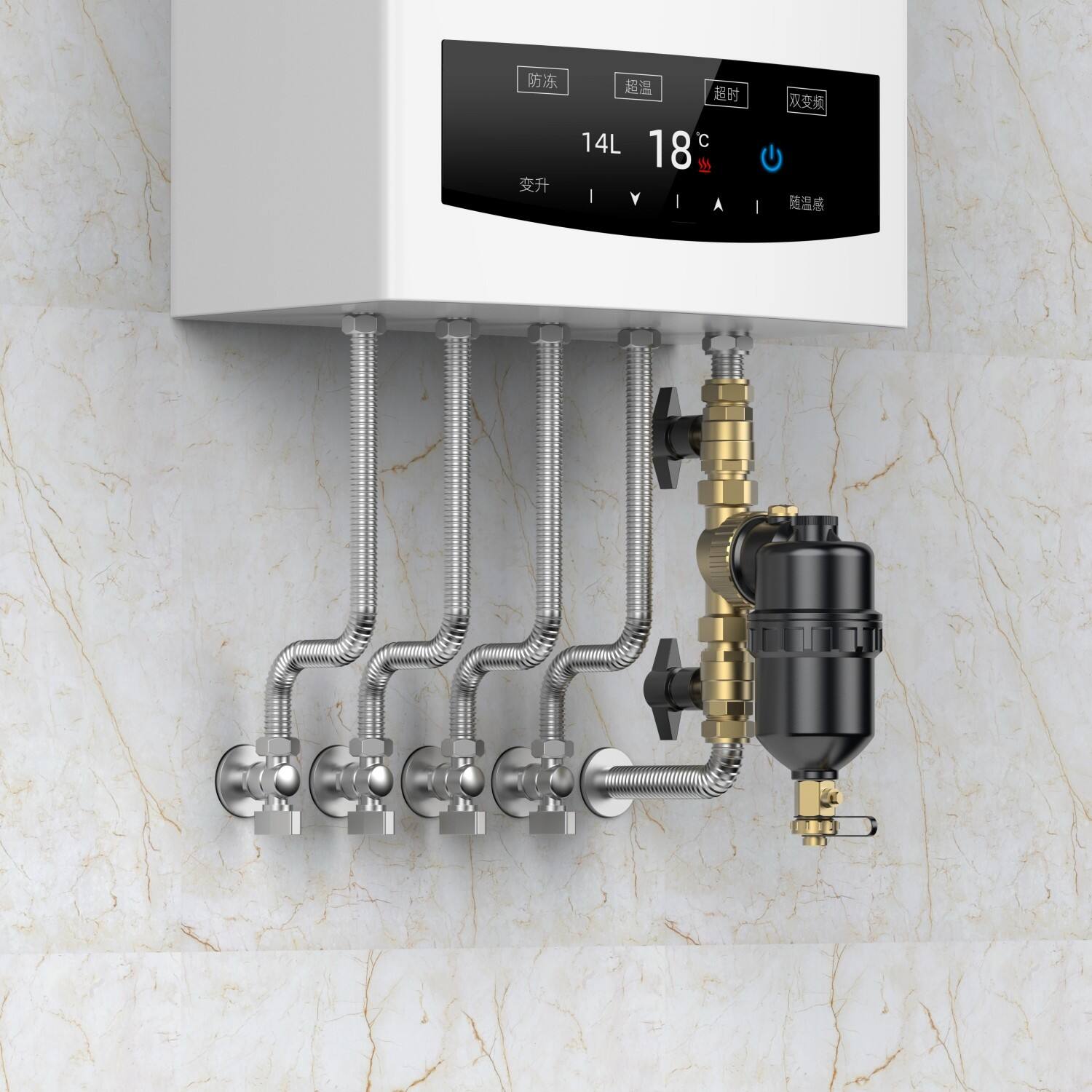
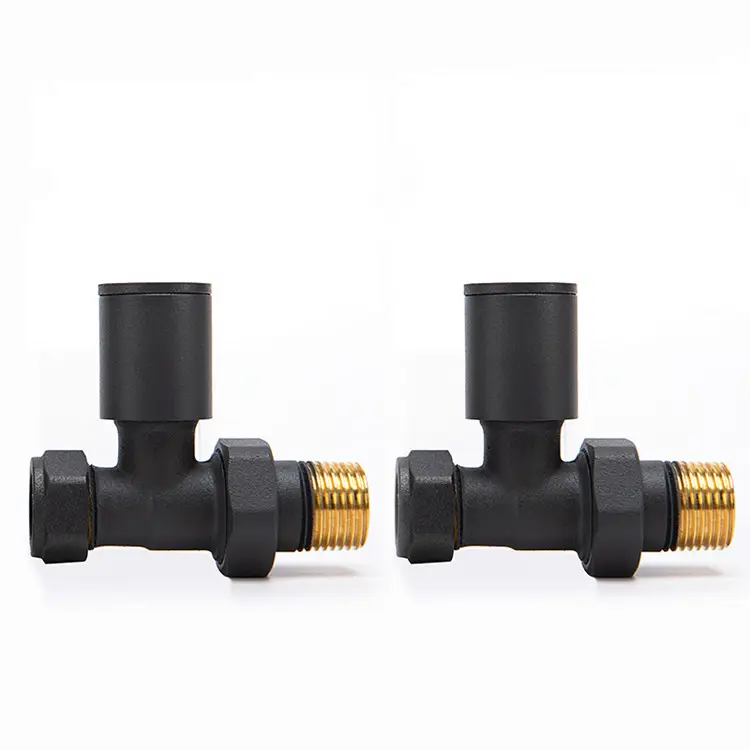
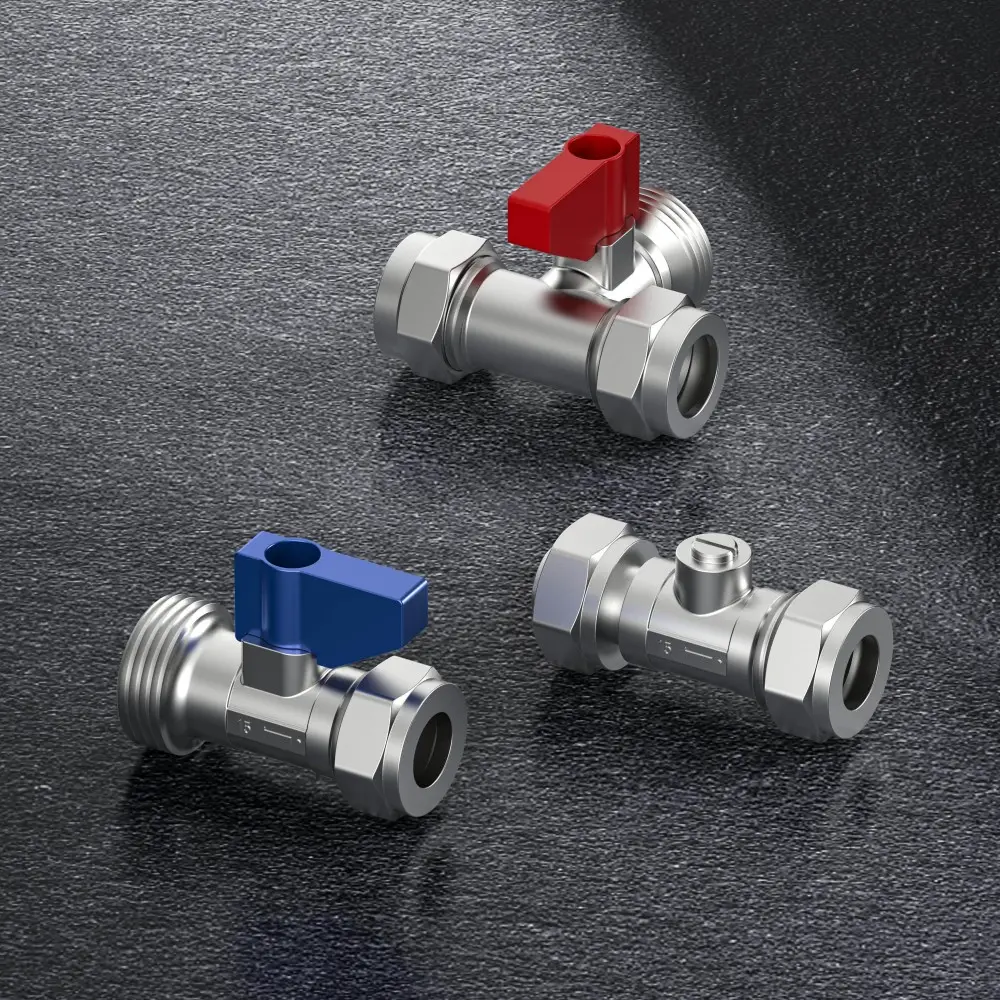
Brass pipes and fittings represent essential components in modern plumbing and industrial systems, offering exceptional performance through their unique copper-zinc alloy composition. These durable materials serve critical functions in water distribution, heating systems, compressed air networks, and various industrial applications where reliability matters most. Brass pipes and fittings excel in residential, commercial, and industrial environments due to their superior resistance to corrosion and excellent thermal conductivity properties. The technological features of brass pipes and fittings include precise manufacturing tolerances, standardized threading systems, and consistent wall thickness that ensures optimal flow characteristics. Their antimicrobial properties naturally inhibit bacterial growth, making brass pipes and fittings particularly valuable in potable water systems. The material's malleability allows for easy installation while maintaining structural integrity under varying pressure conditions. Manufacturing processes for brass pipes and fittings involve advanced extrusion and forging techniques that create seamless products with uniform density throughout. Quality control measures ensure each fitting meets stringent industry standards for dimensional accuracy and material composition. Applications for brass pipes and fittings span numerous industries including marine environments, where saltwater corrosion resistance proves invaluable. HVAC systems frequently incorporate these components for their thermal efficiency and longevity. Gas distribution networks rely on brass pipes and fittings for safe, leak-resistant connections that withstand temperature fluctuations. The versatility of brass pipes and fittings extends to decorative applications where their golden appearance adds aesthetic value while maintaining functional performance. Modern brass pipes and fittings incorporate lead-free formulations that comply with drinking water safety regulations worldwide.

New Products

Brass pipes and fittings deliver remarkable durability that significantly outlasts many alternative materials in demanding applications. Their corrosion resistance stems from the natural protective oxide layer that forms on the surface, preventing deterioration even in harsh environmental conditions. This characteristic makes brass pipes and fittings cost-effective investments that reduce maintenance expenses and replacement frequency over time. The antimicrobial properties inherent in brass pipes and fittings provide substantial health benefits by naturally eliminating harmful bacteria and viruses upon contact. This feature proves especially valuable in healthcare facilities, food processing plants, and residential water systems where hygiene standards remain paramount. Installation of brass pipes and fittings requires minimal specialized tools and expertise, reducing labor costs and project timelines compared to more complex piping materials. The machinability of brass allows for precise threading and fitting modifications on-site when necessary. Temperature stability represents another significant advantage of brass pipes and fittings, as they maintain structural integrity across wide temperature ranges without becoming brittle or losing mechanical properties. This thermal performance makes them ideal for both hot and cold water systems, steam applications, and refrigeration networks. The electrical conductivity of brass pipes and fittings provides grounding capabilities that enhance system safety in electrical installations. Their non-magnetic properties prevent interference with sensitive electronic equipment in modern buildings. Brass pipes and fittings resist scale buildup better than many alternatives, maintaining optimal flow rates throughout their service life. The recyclability of brass pipes and fittings supports environmental sustainability initiatives while retaining material value at end-of-life. Their chemical compatibility with various fluids makes brass pipes and fittings suitable for diverse industrial processes without risk of contamination or degradation. The dimensional stability of brass pipes and fittings ensures consistent performance under pressure cycling and thermal expansion conditions that would compromise lesser materials.

Latest News

How to Choose the Right Angle Valve for Your Bathroom?

25

Sep

How to Choose the Right Angle Valve for Your Bathroom?

Understanding the Critical Role of Angle Valves in Bathroom Plumbing A well-functioning bathroom relies heavily on proper plumbing fixtures, with angle valves being one of the most essential components. These small but crucial devices control water f...
View More
What Are the Benefits of Installing a Heated Towel Rack in Your Bathroom?

25

Sep

What Are the Benefits of Installing a Heated Towel Rack in Your Bathroom?

Transform Your Bathroom Experience with Modern Heating Solutions The bathroom has evolved from a purely functional space to a personal sanctuary where comfort meets luxury. Among the most sophisticated additions to modern bathrooms, a heated towel ra...
View More
How to Troubleshoot Common Radiator Valve Problems?

25

Nov

How to Troubleshoot Common Radiator Valve Problems?

Heating systems rely heavily on properly functioning radiator valves to maintain optimal temperature control throughout residential and commercial buildings. When these critical components malfunction, they can lead to uneven heating, increased energ...
View More
How Does a Panel Radiator Improve Energy Efficiency?

25

Nov

How Does a Panel Radiator Improve Energy Efficiency?

Modern heating systems are evolving rapidly, with homeowners and businesses increasingly seeking solutions that deliver superior comfort while reducing energy consumption. Among the most effective heating technologies available today, panel radiators...
View More

Get a Free Quote

Our representative will contact you soon.
Email
Name
Company Name
Message
0/1000

brass pipes and fittings

Superior Corrosion Resistance and Longevity

Superior Corrosion Resistance and Longevity

The exceptional corrosion resistance of brass pipes and fittings sets them apart from conventional piping materials in both performance and economic value. This resistance originates from the unique metallurgical properties of brass alloys, which form a protective patina when exposed to atmospheric conditions. Unlike iron-based materials that suffer from rust formation, brass pipes and fittings develop a thin oxide layer that actually strengthens their surface protection over time. This natural barrier prevents further oxidation and maintains the structural integrity of the material throughout decades of service. In marine environments where saltwater exposure would rapidly corrode standard steel fittings, brass pipes and fittings continue performing reliably without degradation. The corrosion resistance of brass pipes and fittings extends to various chemical environments, including exposure to chlorinated water, mild acids, and alkaline solutions commonly found in industrial processes. This chemical stability eliminates the need for expensive protective coatings or frequent replacements that plague other piping systems. The longevity of brass pipes and fittings translates directly into reduced lifecycle costs for building owners and facility managers. While initial material costs may exceed basic alternatives, the extended service life and minimal maintenance requirements of brass pipes and fittings create substantial savings over time. Independent studies demonstrate that properly installed brass pipes and fittings can function effectively for 50-70 years in typical applications, far exceeding the lifespan of plastic or steel alternatives. This durability becomes particularly valuable in buried applications or locations where access for repairs proves difficult or expensive. The consistent performance of brass pipes and fittings under varying environmental conditions eliminates unexpected failures that can cause property damage, business interruption, or safety hazards.
Natural Antimicrobial Properties for Health Safety

Natural Antimicrobial Properties for Health Safety

Brass pipes and fittings possess remarkable natural antimicrobial properties that actively eliminate harmful pathogens, providing an inherent health safety advantage that synthetic materials cannot match. Scientific research has extensively documented the biocidal effects of copper and zinc ions released from brass surfaces, which destroy bacteria, viruses, and fungi upon contact. This antimicrobial action occurs continuously without requiring external treatments or maintenance, making brass pipes and fittings self-sanitizing components in water distribution systems. The copper content in brass pipes and fittings releases ions that disrupt bacterial cell walls and interfere with essential cellular processes, effectively killing microorganisms within minutes of contact. This property proves especially critical in healthcare environments, schools, and food service facilities where waterborne pathogens pose significant health risks. Studies have shown that brass pipes and fittings can eliminate over 99.9 percent of bacteria including E. coli, Legionella, and MRSA, providing superior protection compared to plastic or stainless steel alternatives. The antimicrobial effectiveness of brass pipes and fittings remains constant throughout their service life, as the ion release mechanism continues indefinitely. This sustained protection prevents biofilm formation that commonly occurs in other piping materials, where bacterial colonies can establish themselves and resist conventional disinfection methods. In potable water systems, brass pipes and fittings help maintain water quality from source to tap by preventing microbial contamination during storage and distribution. The World Health Organization recognizes the antimicrobial properties of copper alloys, including brass pipes and fittings, as beneficial for public health applications. This natural biocidal activity reduces the need for chemical disinfectants in water treatment processes, supporting environmental sustainability goals while maintaining safety standards. The combination of antimicrobial properties and corrosion resistance in brass pipes and fittings creates an optimal solution for critical applications where both material performance and health safety remain paramount concerns.
Exceptional Thermal Conductivity and Energy Efficiency

Exceptional Thermal Conductivity and Energy Efficiency

The outstanding thermal conductivity of brass pipes and fittings delivers superior energy efficiency in heating, cooling, and heat exchange applications that directly impact operational costs and system performance. Brass alloys exhibit thermal conductivity rates significantly higher than steel or plastic alternatives, enabling rapid and uniform heat transfer throughout the system. This enhanced thermal performance means brass pipes and fittings respond quickly to temperature changes, reducing energy consumption required to maintain desired temperatures in HVAC systems, hot water distribution, and industrial heating processes. The efficient heat transfer characteristics of brass pipes and fittings minimize thermal lag that commonly affects other materials, resulting in more precise temperature control and reduced energy waste. In radiant heating systems, brass pipes and fittings maximize heat output per unit of energy input, improving overall system efficiency and reducing utility costs for building owners. The thermal stability of brass pipes and fittings ensures consistent performance across extreme temperature ranges without thermal stress cracking or dimensional changes that could compromise system integrity. This stability allows brass pipes and fittings to handle rapid temperature cycling in applications such as steam systems, heat exchangers, and thermal shock conditions where other materials would fail. The excellent thermal conductivity of brass pipes and fittings also provides freeze protection benefits in cold climate applications, as residual heat from the system helps prevent ice formation that could cause pipe bursting. Manufacturing processes for brass pipes and fittings can optimize thermal properties through precise alloy composition control, creating products tailored for specific thermal performance requirements. The heat dissipation capabilities of brass pipes and fittings contribute to system safety by preventing dangerous temperature buildup that could damage equipment or create hazardous conditions. In solar thermal systems, brass pipes and fittings efficiently transfer collected solar energy to storage tanks and distribution networks, maximizing the effectiveness of renewable energy investments. The thermal conductivity of brass pipes and fittings remains stable throughout their service life, ensuring consistent energy efficiency performance without degradation over time.

Get a Free Quote

Our representative will contact you soon.
Email
Name
Company Name
Message
0/1000