Versatile Applications and System Integration
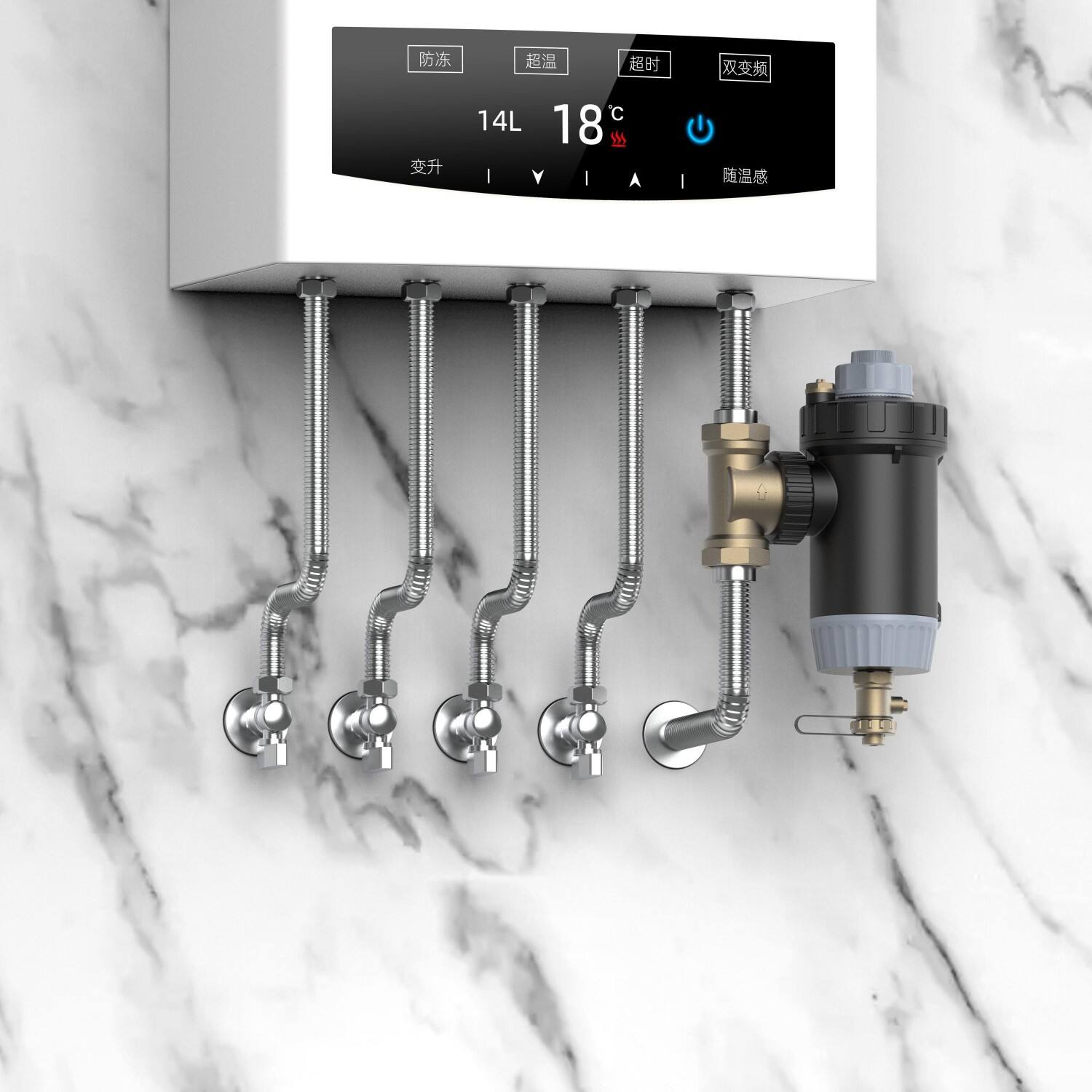
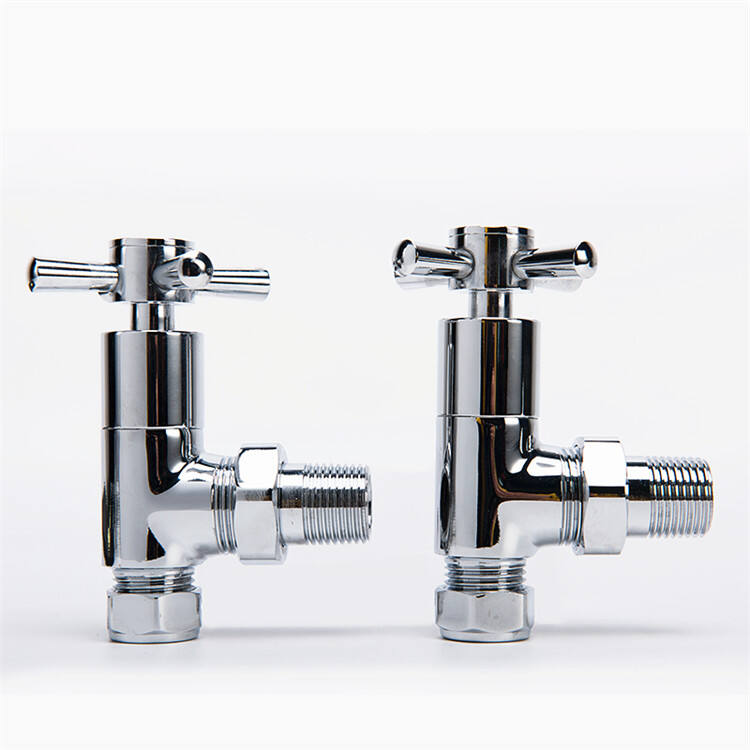
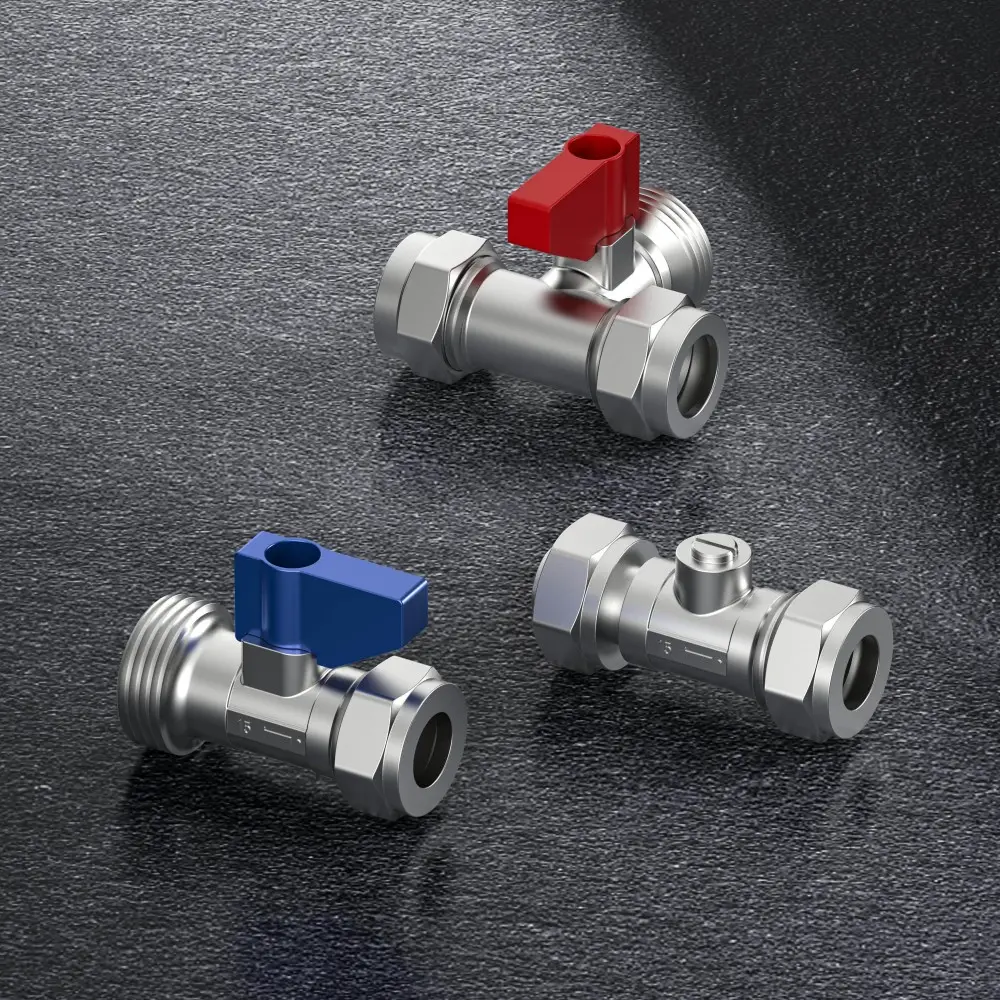
The brass lever ball valve demonstrates remarkable versatility across an extensive range of applications, from residential plumbing systems to complex industrial processes, making it an invaluable component for diverse fluid control requirements. In residential applications, these valves excel as main water shutoffs, fixture isolation valves, and appliance connections, providing homeowners with reliable control over their water systems while meeting building codes and safety requirements. Commercial building applications benefit from the valve's ability to handle varying pressure conditions and flow demands, making them ideal for HVAC systems, fire sprinkler networks, and general plumbing distribution systems where consistent performance is critical. Industrial facilities utilize brass lever ball valves for process control, equipment isolation, and safety shutdown applications, taking advantage of their chemical compatibility and pressure handling capabilities. The valve's design accommodates various installation orientations without affecting performance, providing flexibility in tight spaces or complex piping arrangements where other valve types might create installation challenges. Different size options ensure compatibility with pipe systems ranging from small residential connections to large industrial mains, while maintaining proportional flow characteristics and operating convenience across the size range. The brass lever ball valve integrates seamlessly with automated control systems through the addition of actuators, enabling remote operation and process automation while maintaining the inherent reliability of the basic valve design. Water treatment applications benefit from the valve's corrosion resistance and cleanability, ensuring contamination-free operation in potable water systems and specialized industrial processes. The valve's pressure rating capabilities span from standard residential pressures to high-pressure industrial applications, providing consistent performance across diverse operating conditions. Installation versatility extends to both new construction and retrofit applications, as standard connection methods and compact designs facilitate integration without extensive system modifications, reducing project costs and installation time while ensuring reliable long-term performance.

 EN
EN