
 EN
EN



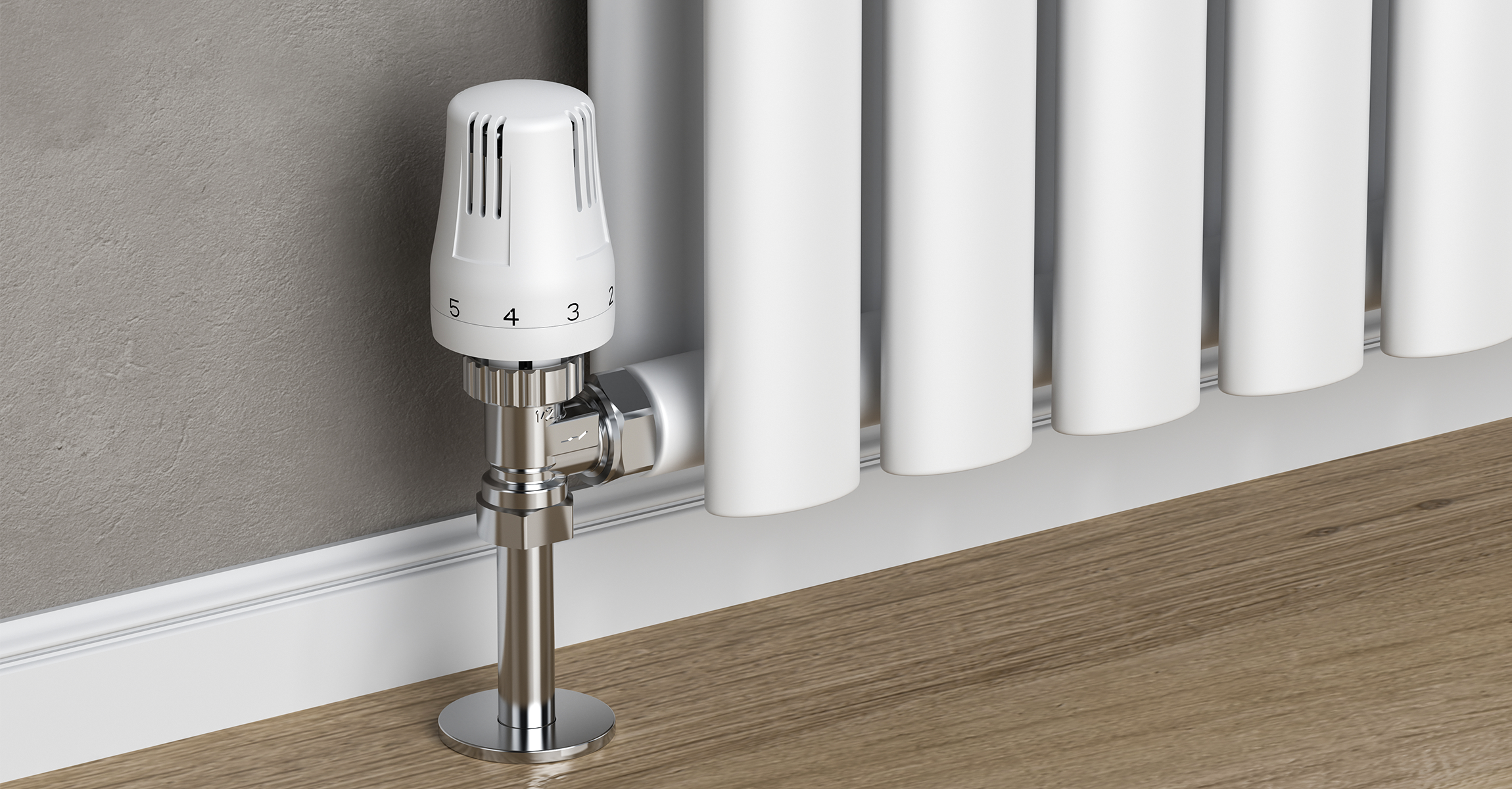
A thermostatic radiator valve is one of the most practical and cost-effective upgrades you can make to any heating system. Whether you manage a commercial building or a residential property, a thermostatic radiator valve gives you direct, room-by-room control over your heating output. Rather than heating every room to the same temperature regardless of occupancy or need, a thermostatic radiator valve lets each space maintain its own ideal comfort level automatically.
Understanding why a thermostatic radiator valve upgrade is worth making today requires looking at energy costs, occupant comfort, and the long-term performance of your heating infrastructure. A thermostatic radiator valve works by sensing the ambient air temperature in a room and automatically adjusting the flow of hot water through the radiator to match the setpoint. This intelligent self-regulation is precisely what makes the thermostatic radiator valve such a valuable component in modern heating design. As energy costs continue to rise and building efficiency standards tighten, the thermostatic radiator valve has become less of a luxury and more of a baseline requirement.
Energy Savings Driven by Thermostatic Radiator Valve Technology
How a Thermostatic Radiator Valve Reduces Wasted Heat
The core benefit of a thermostatic radiator valve is its ability to prevent overheating in individual rooms. Without a thermostatic radiator valve, a radiator continues to deliver heat even after the room has reached a comfortable temperature. This wastes energy and forces your boiler to work harder than necessary. A properly installed thermostatic radiator valve cuts the flow of hot water once the set temperature is achieved, reducing unnecessary boiler cycling and lowering your overall fuel consumption. Over a full heating season, this consistent regulation from a thermostatic radiator valve can lead to meaningful reductions in energy expenditure.
Zoning Benefits of the Thermostatic Radiator Valve
One of the most compelling reasons to upgrade to a thermostatic radiator valve is the ability to create independent heating zones without complex infrastructure. Each thermostatic radiator valve operates independently on its radiator, which means a rarely used guest room can be kept at a lower temperature while the main living area stays warm and comfortable. This zoning capability from the thermostatic radiator valve is particularly valuable in large commercial or industrial facilities where different spaces have very different heating requirements. A thermostatic radiator valve on every radiator effectively transforms a single-zone system into a multi-zone system at a relatively low cost. The energy savings generated by this zoning approach can be substantial across a large building.
Comfort and Occupant Wellbeing with a Thermostatic Radiator Valve
Consistent Temperature Maintenance
A thermostatic radiator valve maintains a steady, consistent temperature in each room by making continuous micro-adjustments to radiator output. Unlike manual radiator valves that require occupants to physically turn them up or down, a thermostatic radiator valve responds automatically to changes in room temperature. If sunlight warms a room during the day, the thermostatic radiator valve reduces the radiator output accordingly, avoiding the uncomfortable stuffiness that often results from overheated spaces. This kind of passive, automatic control from a thermostatic radiator valve improves the day-to-day living and working experience without requiring any human intervention. Occupants simply set their preferred temperature, and the thermostatic radiator valve handles the rest.
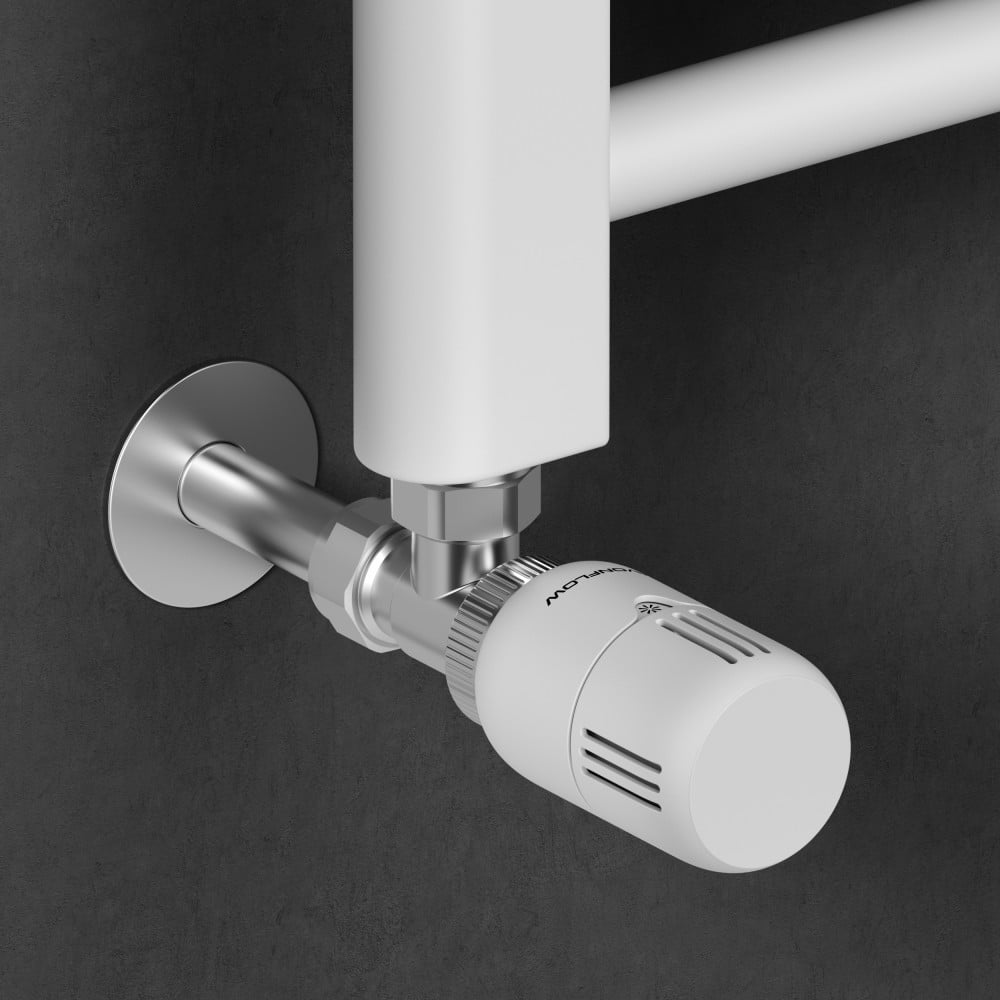
Reducing Temperature Fluctuations in Sensitive Environments
In environments where temperature stability is critical, such as server rooms, medical facilities, or precision manufacturing spaces, a thermostatic radiator valve provides an additional layer of protection. The thermostatic radiator valve limits temperature swings that could compromise equipment performance or product quality. Even in standard office or residential settings, the reliability of a thermostatic radiator valve reduces complaints about uncomfortable conditions. A thermostatic radiator valve that is well-matched to the room size and radiator capacity will consistently hold the target temperature within a very narrow band. This level of precision is simply not achievable with a standard manual valve.
Long-Term Value and System Performance of the Thermostatic Radiator Valve
Extending Boiler and System Lifespan
When a thermostatic radiator valve prevents overheating in individual rooms, it also reduces the load on your boiler. A boiler that does not need to overproduce heat to compensate for unregulated radiators operates under less thermal stress, which can extend its service life. Every thermostatic radiator valve in the system contributes to a more balanced hydraulic load, which benefits pumps and pipework as well. Replacing outdated manual valves with a thermostatic radiator valve across your system is therefore not only an energy efficiency measure but also a form of preventive maintenance. The upfront cost of a thermostatic radiator valve upgrade is typically recovered through energy savings and reduced maintenance costs over a relatively short period.
Compatibility and Upgrade Simplicity
Modern thermostatic radiator valve models are designed for straightforward retrofitting onto existing radiators. Most thermostatic radiator valve units connect to standard radiator valve bodies, making it possible to upgrade without major pipework changes. Smart thermostatic radiator valve options are also available, allowing remote control and scheduling through a mobile application. Whether you choose a standard thermostatic radiator valve or a connected smart model, the installation process is generally quick and minimally disruptive. For building managers looking to improve energy performance without a full system overhaul, the thermostatic radiator valve represents one of the highest-value upgrades available. Selecting a high-quality thermostatic radiator valve ensures reliable temperature sensing accuracy and long service intervals between replacements.
FAQ
What is the difference between a thermostatic radiator valve and a manual radiator valve?
A thermostatic radiator valve automatically regulates hot water flow based on the room's ambient temperature, while a manual radiator valve requires physical adjustment by hand. A thermostatic radiator valve provides consistent, hands-free temperature control and reduces energy waste, whereas a manual valve remains at a fixed position until someone changes it manually.
How difficult is it to install a thermostatic radiator valve on an existing radiator?
Installing a thermostatic radiator valve on an existing radiator is generally straightforward. Most thermostatic radiator valve units are designed to fit standard valve bodies already present on most radiators, so replacement typically involves draining the radiator section, removing the old valve head, and fitting the new thermostatic radiator valve head onto the existing body. A qualified plumber or heating engineer can usually complete this task within a short time per radiator.
Can a thermostatic radiator valve work in every type of heating system?
A thermostatic radiator valve is compatible with most hot-water central heating systems, including conventional boiler systems and combination boiler setups. However, a thermostatic radiator valve should not be fitted in the same room as the main room thermostat, as both devices controlling heat in one space can cause the system to short-cycle. In all other rooms, a thermostatic radiator valve is an effective and widely compatible upgrade for improving temperature control and energy efficiency.