
 EN
EN



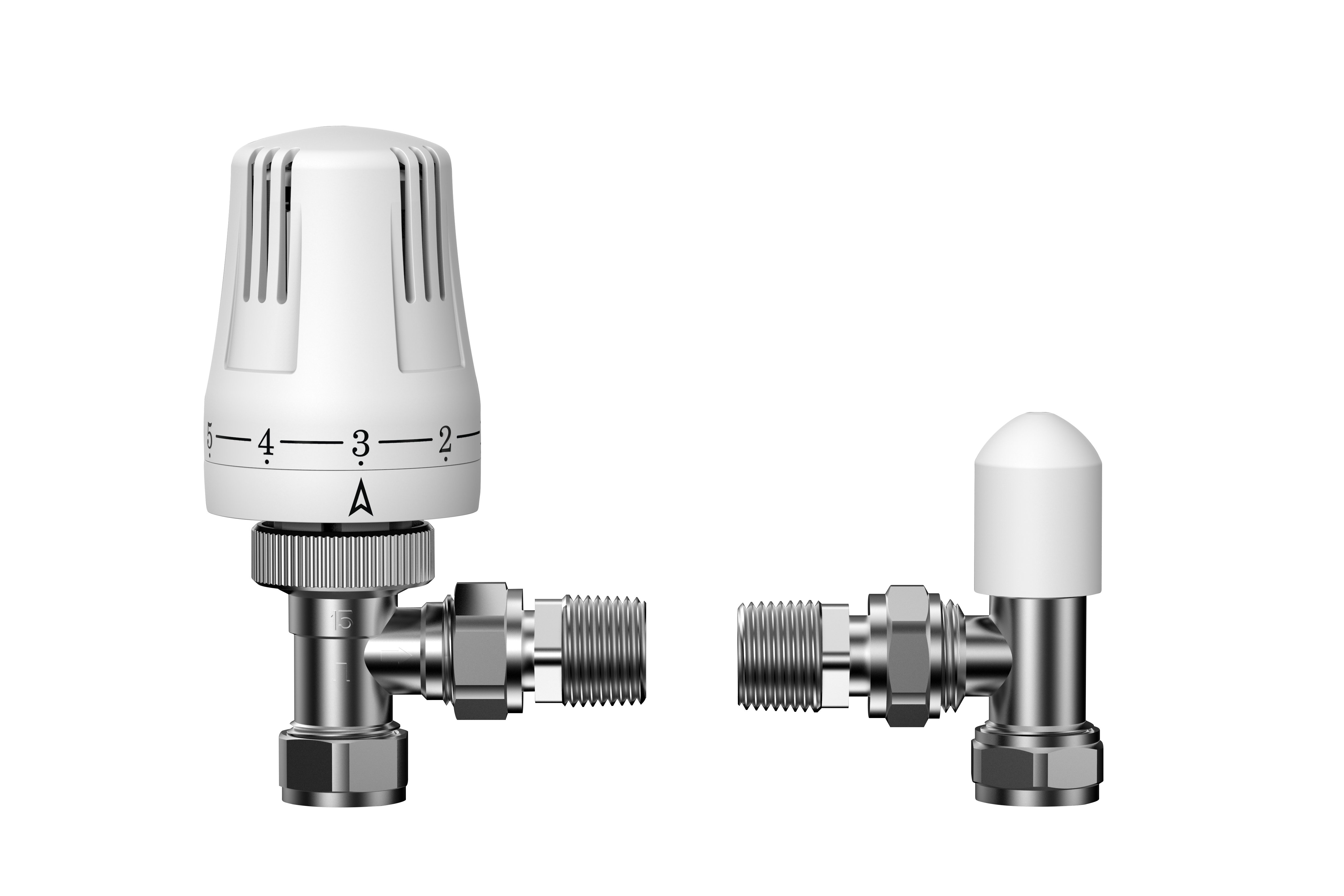
A radiator valve is one of the most practical and cost-effective components you can add to a home heating system. Whether you are upgrading an older system or fine-tuning a modern setup, the right radiator valve gives you direct control over how heat is distributed across every room. Many homeowners overlook this small fitting, yet it plays a central role in determining both comfort levels and energy costs throughout the year.
Understanding how a radiator valve works and why it matters will help you make smarter decisions about your heating setup. From basic manual options to thermostatic and smart variants, each type of radiator valve offers a different level of control. This article explains how a radiator valve improves heating control, what types are available, and how to choose the right radiator valve for your home.
How a Radiator Valve Controls Heat Flow
The Basic Mechanism of a Radiator Valve
A radiator valve regulates the flow of hot water entering each radiator from the central heating circuit. When you open a radiator valve fully, maximum hot water passes through and the radiator heats up quickly. When you close or partially restrict the radiator valve, less water flows through, reducing the heat output. This simple on-off or variable control means you are not heating rooms at full intensity when lower temperatures are perfectly adequate.
Each radiator in a well-configured system should have its own radiator valve. This individual control prevents the common problem of some rooms being too hot while others remain cold. A correctly set radiator valve balances the whole system and reduces the load on the boiler, which directly translates into lower fuel consumption and reduced heating bills.
Lockshield Valve vs. Flow Valve
Every radiator typically uses two valves. The flow side uses the main radiator valve that the homeowner adjusts for daily temperature control. The return side uses a lockshield valve, which is set by an engineer during installation to balance the system. Both valves work together to ensure the radiator valve on each unit performs as intended, maintaining stable water flow across the entire heating circuit.
Types of Radiator Valve and Their Benefits
Manual Radiator Valve
A manual radiator valve is the simplest type. You turn it by hand to open or close the water flow. While a manual radiator valve lacks automatic adjustment, it is reliable, low-maintenance, and straightforward to use. Homeowners who prefer simplicity and have predictable room usage patterns often find a manual radiator valve entirely sufficient for their needs.
The limitation of a manual radiator valve is that it requires physical adjustment every time you want to change the room temperature. If you leave a room all day, the radiator valve stays at whatever position you last set it, which can lead to unnecessary heat being generated in unused spaces. Despite this limitation, a manual radiator valve remains a dependable and affordable choice for many homes.
Thermostatic Radiator Valve
A thermostatic radiator valve, often called a TRV, takes control a step further. It senses the air temperature around it and automatically adjusts the radiator valve opening to maintain a pre-set level of warmth. When the room reaches the target temperature, the thermostatic radiator valve closes partially or fully to reduce heat output. As the room cools again, the radiator valve reopens to bring the temperature back up.
This automatic response is where significant energy savings come from. A thermostatic radiator valve eliminates the guesswork and means each room only uses the heat it actually needs. Installing a thermostatic radiator valve in bedrooms, guest rooms, and other spaces with variable occupancy is a widely recommended upgrade for improving whole-home efficiency.
Smart Radiator Valve
A smart radiator valve connects to a home network and allows remote control via a smartphone or voice assistant. This type of radiator valve can be programmed with schedules, adjusted from outside the home, and integrated with other smart home devices. A smart radiator valve is especially useful in larger homes where managing individual room temperatures manually would be impractical.
The smart radiator valve also provides usage data that helps homeowners understand their heating patterns. Over time, this insight allows for further optimisation of how each radiator valve is set, contributing to meaningful reductions in energy use without sacrificing comfort.
Choosing the Right Radiator Valve for Your Home
Key Factors to Consider
When selecting a radiator valve, start by considering how each room is used. High-traffic living areas may benefit from a thermostatic radiator valve that maintains consistent warmth throughout the day. Rooms used only occasionally, such as guest bedrooms, benefit greatly from a radiator valve that can be turned down or programmed to only heat up before the space is occupied.
Connection type is another important factor. A radiator valve must be compatible with the pipe configuration in your home. Straight radiator valve designs suit pipes that come directly from the floor beneath the radiator. An angled radiator valve works where pipes emerge from the wall. A corner radiator valve is available for less common pipe routes. Matching the radiator valve design to your pipework avoids installation complications and ensures a clean finish.
Material, Finish, and Style
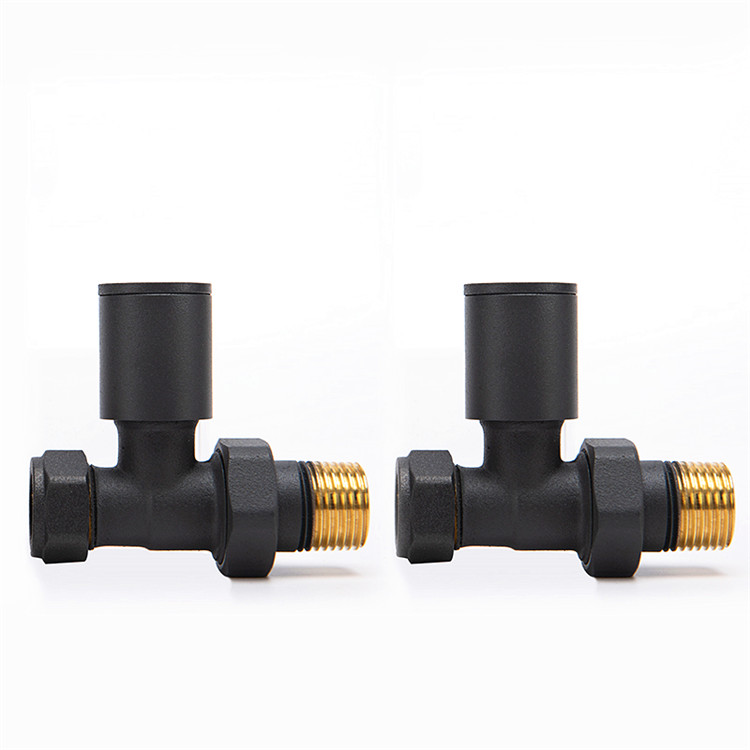
A radiator valve is also a visible fitting, so aesthetics matter. Premium options such as a brass radiator valve with an anthracite finish combine durability with a sophisticated appearance that suits contemporary interiors. A well-chosen radiator valve should complement the radiator and the room decor rather than looking like an afterthought. Brass construction in particular ensures the radiator valve resists corrosion and maintains reliable performance over many years of use.
Budget and installation ease are also practical considerations. A quality radiator valve does not need to be expensive to perform well. However, investing in a well-engineered radiator valve from a reputable product range ensures longevity and smoother operation compared to lower-grade alternatives. Always confirm that the radiator valve you select carries the appropriate certifications for your regional heating standards.
FAQ
What is the difference between a thermostatic radiator valve and a manual radiator valve?
A thermostatic radiator valve automatically adjusts water flow based on room temperature, maintaining a consistent warmth level without manual intervention. A manual radiator valve requires physical adjustment by hand each time you want to change the heat output. The thermostatic radiator valve offers greater energy efficiency and convenience, while the manual radiator valve offers simplicity and lower cost.
Can I install a radiator valve myself, or do I need a professional?
Replacing a like-for-like radiator valve on the same fitting type is a task many confident DIY homeowners can manage, particularly if the system does not need draining. However, if you are changing the radiator valve type, rerouting pipework, or working on a pressurised system, it is advisable to use a qualified heating engineer. Incorrect installation of a radiator valve can lead to leaks, poor system balance, or voided warranties.
How does a radiator valve help reduce heating bills?
A radiator valve reduces heating bills by allowing you to control heat output room by room. Rather than heating every space to the same level at all times, a properly set radiator valve ensures energy is only used where and when it is needed. A thermostatic radiator valve amplifies this benefit by responding automatically to ambient temperature, preventing overheating and reducing the total run time of your boiler.