
 EN
EN



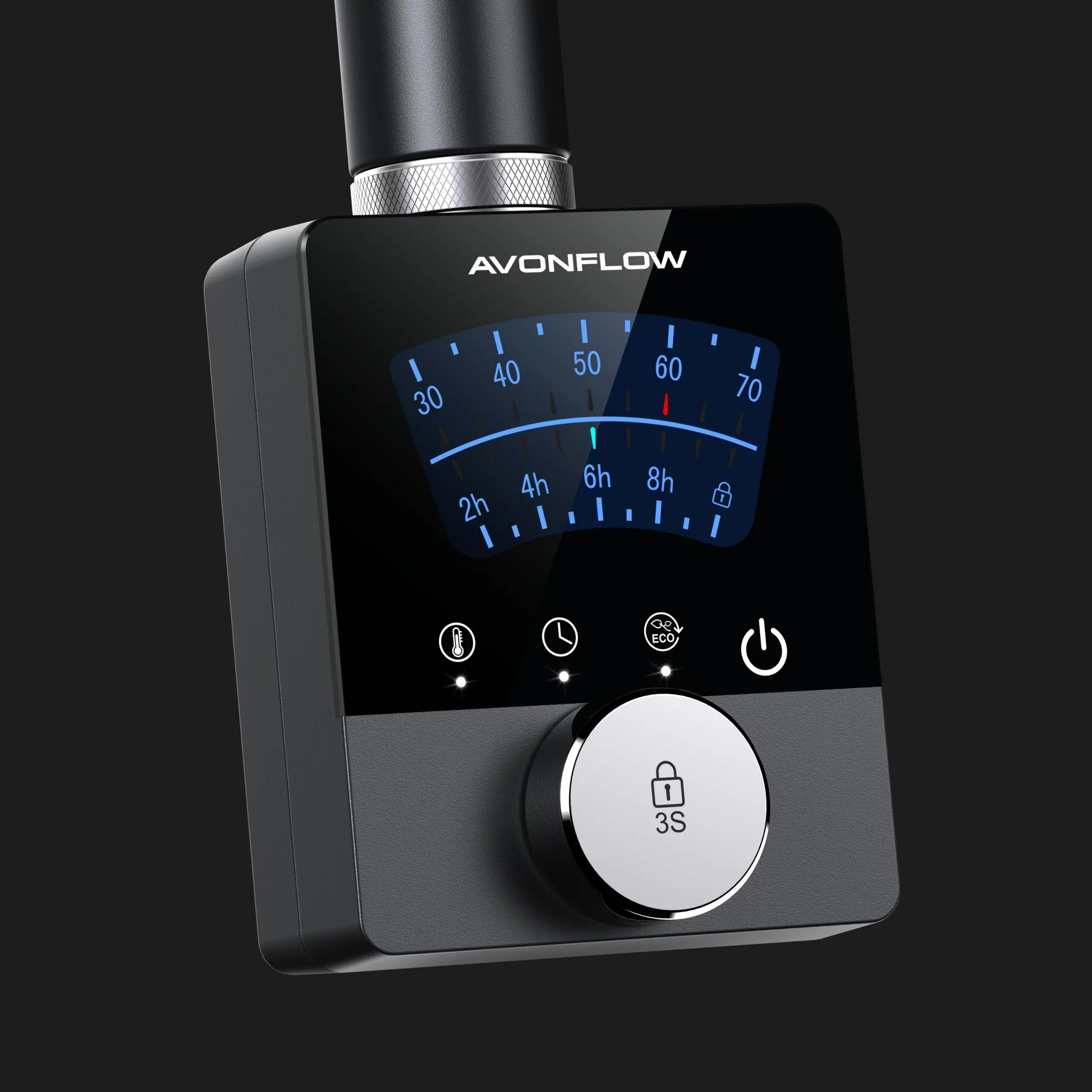
A thermostatic radiator valve has become one of the most practical and impactful components in any modern heating system. As energy costs rise and comfort expectations grow, building owners and facility managers are looking for smarter ways to manage heat distribution across individual rooms and zones. The thermostatic radiator valve answers that need directly, offering precise, automatic temperature regulation without requiring central system overhauls or complex controls.
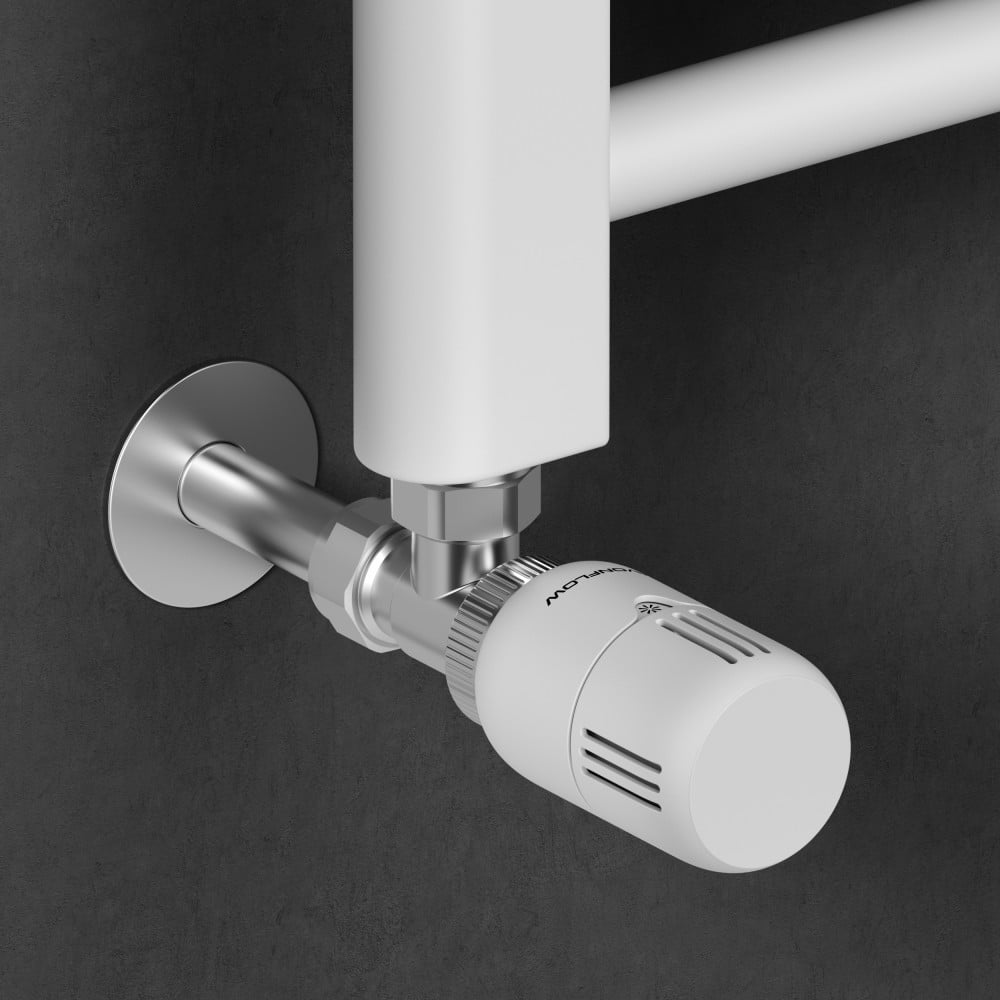
Understanding why a thermostatic radiator valve is essential starts with recognizing how traditional heating systems operate. In a conventional setup, every radiator in a building runs at the same output level, regardless of whether that room needs heat or not. A thermostatic radiator valve changes this dynamic entirely by sensing the ambient air temperature in each room and adjusting the flow of hot water through the radiator accordingly. This simple but highly effective mechanism is why the thermostatic radiator valve is now considered a baseline requirement for modern, efficient heating design.
How a Thermostatic Radiator Valve Controls Room Temperature
The Sensing and Regulation Mechanism
At the core of every thermostatic radiator valve is a temperature-sensitive element — typically a wax capsule or liquid-filled sensor — that expands or contracts in response to the room's air temperature. When the room reaches the desired temperature, the thermostatic radiator valve automatically restricts or closes the flow of hot water to the radiator. When the room cools below the set point, the thermostatic radiator valve reopens, allowing heat to flow again. This continuous self-regulation means the thermostatic radiator valve operates entirely without electrical input in its basic form, making it both reliable and low-maintenance.
The dial or head of the thermostatic radiator valve allows users to set their preferred temperature range for each individual room. Because each thermostatic radiator valve operates independently, a bedroom can be kept cooler while a living room stays warmer — all managed simultaneously through the same heating circuit. This room-by-room precision is a defining advantage that standard lockshield or manual valves simply cannot provide.
Smart and Programmable Thermostatic Radiator Valve Options
Modern installations increasingly pair each thermostatic radiator valve with a digital or programmable head. These advanced versions of the thermostatic radiator valve allow users to set temperature schedules, control settings remotely via smartphone apps, and even integrate with smart home platforms. A programmable thermostatic radiator valve can be set to lower the heat in unoccupied rooms during the day and restore warmth before occupants return, adding a layer of intelligence that directly reduces energy consumption. For commercial buildings, a networked thermostatic radiator valve system can deliver building-wide energy management from a central dashboard.
The Energy Efficiency Case for a Thermostatic Radiator Valve
Reducing Heat Waste Room by Room
One of the most compelling reasons to install a thermostatic radiator valve is the measurable reduction in energy waste. Traditional systems without individual control tend to overheat rooms that already have internal heat gains from sunlight, cooking, or equipment. A thermostatic radiator valve eliminates this problem by throttling the radiator as soon as the ambient temperature meets the set threshold. Over a heating season, the cumulative effect of each thermostatic radiator valve reducing unnecessary heat delivery translates into significant reductions in boiler run time and fuel consumption.
Energy studies in both residential and commercial settings consistently show that installing a thermostatic radiator valve across all heated rooms leads to noticeable improvements in overall system efficiency. The thermostatic radiator valve does not require a new boiler or major pipework changes — it works with existing radiator systems and delivers efficiency gains immediately upon installation. For property managers looking to reduce operational costs without large capital investment, the thermostatic radiator valve represents excellent value.
Supporting Sustainability and Compliance Goals
Buildings across many regions are now subject to energy performance regulations that require or strongly recommend individual room temperature controls. A thermostatic radiator valve directly supports compliance with such standards by providing the granular control that regulators look for. Beyond compliance, the thermostatic radiator valve contributes to lower carbon emissions by reducing the total energy demand placed on gas or oil boilers. In buildings pursuing green certification or ESG targets, specifying a thermostatic radiator valve on every radiator is a straightforward and cost-effective measure that supports broader sustainability commitments.
Installation and Compatibility of a Thermostatic Radiator Valve
Fitting a Thermostatic Radiator Valve to Existing Systems
A key advantage of the thermostatic radiator valve is its compatibility with virtually all standard radiator pipework configurations. Whether the heating system uses two-pipe or single-pipe distribution, there is a thermostatic radiator valve body designed to fit. The thermostatic radiator valve body connects directly to the radiator inlet, replacing an existing manual valve in most cases with minimal disruption. Standard connection sizes mean that selecting the correct thermostatic radiator valve for a given installation is straightforward, and professional installation typically takes only a short time per radiator.
When installing a thermostatic radiator valve, placement of the sensing head is important. The thermostatic radiator valve head should be positioned where it can accurately sense room air temperature — away from direct sunlight, draughts, or heat sources that could give a false reading. In some configurations, a remote sensor extension can be connected to the thermostatic radiator valve head, allowing it to be mounted on a wall at a more representative location. Proper placement ensures the thermostatic radiator valve regulates heating based on actual room conditions rather than localised temperature variations.
Choosing the Right Thermostatic Radiator Valve for Your Application
Selecting the correct thermostatic radiator valve involves considering flow direction, valve body angle, connection size, and whether a basic or smart thermostatic radiator valve head is preferred. For commercial or multi-unit residential projects, lockable thermostatic radiator valve heads that prevent unauthorised adjustment are often specified. In domestic settings, a standard adjustable thermostatic radiator valve head is usually sufficient. Specifiers should also consider the Kv value — the flow coefficient — of the thermostatic radiator valve body to ensure it is matched correctly to the system's hydraulic design and balancing requirements.
FAQ
Does a thermostatic radiator valve work without electricity?
A standard thermostatic radiator valve operates entirely without electricity. The sensor inside the thermostatic radiator valve uses a wax or liquid element that responds to room temperature mechanically, opening and closing the valve without any power supply. Smart or programmable thermostatic radiator valve heads do require power, typically from batteries, but the basic thermostatic radiator valve function remains independent of the electrical supply.
Can a thermostatic radiator valve be installed on any radiator?
In most cases, yes. A thermostatic radiator valve is available in configurations that suit the majority of standard radiator connections found in residential and commercial buildings. The thermostatic radiator valve body comes in various angles and connection sizes to accommodate different pipework layouts. It is always advisable to confirm the connection size and flow direction before purchasing a thermostatic radiator valve to ensure a proper fit.
How does a thermostatic radiator valve differ from a manual valve?
A manual valve requires the user to physically adjust the flow to the radiator and offers no automatic temperature response. A thermostatic radiator valve, by contrast, continuously senses room temperature and self-adjusts to maintain the desired level without manual intervention. This automatic control is what makes the thermostatic radiator valve far more effective at saving energy and maintaining comfort compared to a conventional manual valve.