
 EN
EN



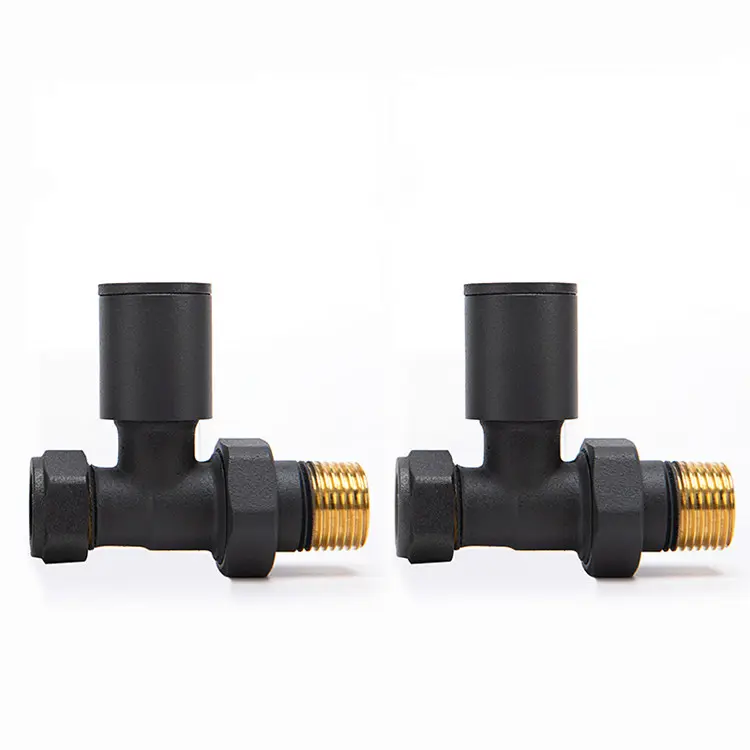
A radiator valve is one of the most functional components in any heating system. Whether you are managing a residential property or a commercial building, the condition of each radiator valve directly affects how well your heating performs. Installing a new radiator valve is not simply a maintenance task — it is a meaningful upgrade that delivers measurable benefits across energy efficiency, comfort, and long-term system reliability.
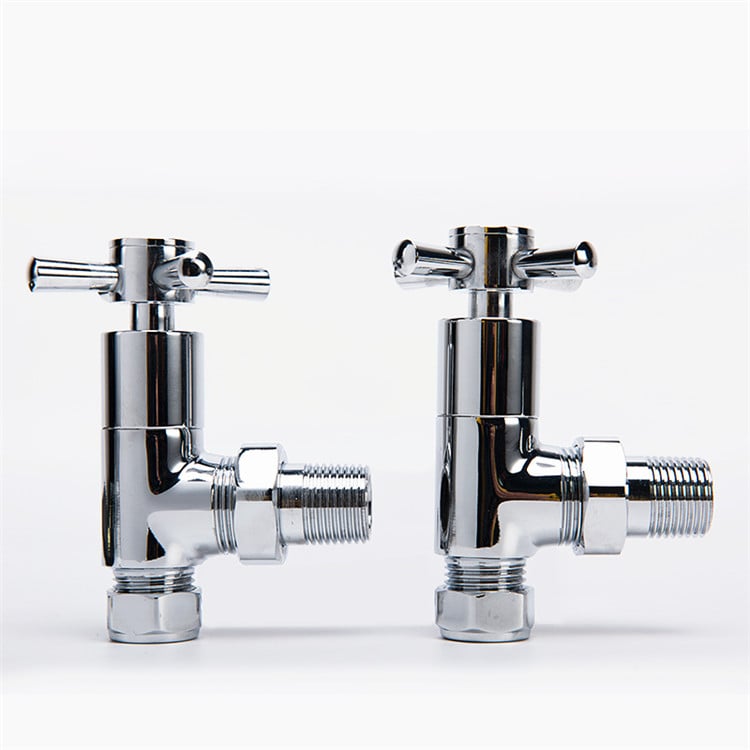
Many building operators delay replacing a worn radiator valve because the issue is not immediately visible. However, a faulty or outdated radiator valve can silently increase energy costs, reduce heating comfort, and place unnecessary stress on the entire heating circuit. Understanding the specific benefits of installing a new radiator valve helps facilities managers and homeowners make informed decisions before minor inefficiencies become costly problems.
Improved Temperature Control and Heating Comfort
Precise Zone-by-Zone Heat Regulation
One of the most significant benefits of a new radiator valve is the ability to control heat output with greater precision. A modern radiator valve allows users to set individual temperature levels for separate rooms or zones. This means each space receives only the heat it needs, rather than a uniform output that may overheat some areas while leaving others underserved. A well-functioning radiator valve responds accurately to temperature changes, maintaining a stable and comfortable environment without constant manual adjustment.
Older radiator valve units often lose their sensitivity over time. The internal components wear out, leading to sticking, sluggish response, or complete failure to regulate flow. Replacing a degraded radiator valve with a new unit restores that sensitivity immediately. Building occupants notice the difference quickly in the form of more consistent room temperatures and fewer complaints about overheating or cold spots.
Compatibility with Modern Thermostatic Controls
A new radiator valve is typically designed to work with current thermostatic heads and smart control systems. This compatibility opens the door to automated temperature scheduling, remote adjustment, and integration with building energy management platforms. When a radiator valve is properly matched to its control head, the overall system becomes far more responsive and programmable. This level of control is simply not achievable with an old or mismatched radiator valve.
Energy Efficiency and Cost Reduction
Lower Heat Loss Through Better Flow Control
A properly functioning radiator valve regulates the flow of hot water through each radiator precisely. When a radiator valve is worn or stuck open, hot water circulates continuously regardless of room temperature, wasting energy on heat that is not needed. Installing a new radiator valve eliminates this unnecessary flow, reducing the total heat output demanded from the boiler. Over time, this translates directly into lower fuel or energy consumption and reduced operating costs.
The energy savings associated with a new radiator valve become especially significant when multiple valves are replaced across a large building. Each radiator valve that operates correctly contributes to the overall load reduction on the boiler. Reducing boiler demand not only cuts energy bills but also extends boiler service life, which adds another layer of long-term financial benefit.
Eliminating Leaks and Water Waste
A deteriorating radiator valve is a common source of water leaks in heating systems. Even a slow drip from a radiator valve can waste a significant volume of water over weeks or months. Beyond water waste, a leaking radiator valve can cause corrosion, damp damage to surrounding structures, and reduced system pressure. Installing a new radiator valve with proper seals and fittings eliminates these risks and keeps the heating circuit operating at the correct pressure.
System Longevity and Reduced Maintenance Demands
Protecting the Heating Circuit from Wear and Damage
A single faulty radiator valve can put undue stress on other components in the heating circuit. When one radiator valve fails to regulate flow, neighboring radiators may receive uneven pressure, leading to imbalanced heating and potential damage to pipework or pump components. Replacing a worn radiator valve with a new unit restores balance to the entire circuit. This protective effect means other components last longer and require less frequent servicing.
A new radiator valve also introduces modern materials and engineering tolerances that older valves simply cannot match. Contemporary radiator valve designs use corrosion-resistant alloys and precision-machined internal parts that withstand years of thermal cycling without degradation. This durability means fewer emergency call-outs and a more predictable maintenance schedule for facilities teams.
Ease of Servicing and Future Upgrades
Modern radiator valve designs are built for serviceability. Many new radiator valve models allow the thermostatic head to be replaced without draining the system, which significantly reduces the time and cost of routine maintenance. This modularity also makes it easier to upgrade from a manual radiator valve to a thermostatic or smart radiator valve as technology advances. Investing in a new radiator valve today creates a flexible foundation for future heating system improvements.
FAQ
How do I know when it is time to replace a radiator valve?
Common signs that a radiator valve needs replacement include uneven heating, a stuck or unresponsive control head, visible corrosion around the valve body, or persistent water leaks near the fitting. If a radiator valve cannot be adjusted smoothly or fails to shut off flow completely, replacement is the most reliable solution. Delaying replacement typically leads to higher energy waste and greater risk of water damage.
What type of radiator valve is best for energy saving?
A thermostatic radiator valve is widely regarded as the most effective choice for energy saving. This type of radiator valve automatically adjusts flow based on the ambient room temperature, reducing heat output when the target temperature is reached. For buildings with multiple zones, fitting each radiator with a thermostatic radiator valve allows independent control that minimizes unnecessary heating and maximizes efficiency across the entire system.
Can I install a new radiator valve myself or do I need a professional?
Replacing a radiator valve typically requires draining the affected section of the heating system, which carries risk of leaks or incorrect refilling if not done carefully. While a competent DIY installer may handle a straightforward radiator valve replacement on a simple system, it is generally advisable to engage a qualified heating engineer. A professional ensures the new radiator valve is correctly sized, properly sealed, and that system pressure is restored and tested after installation.