
 EN
EN



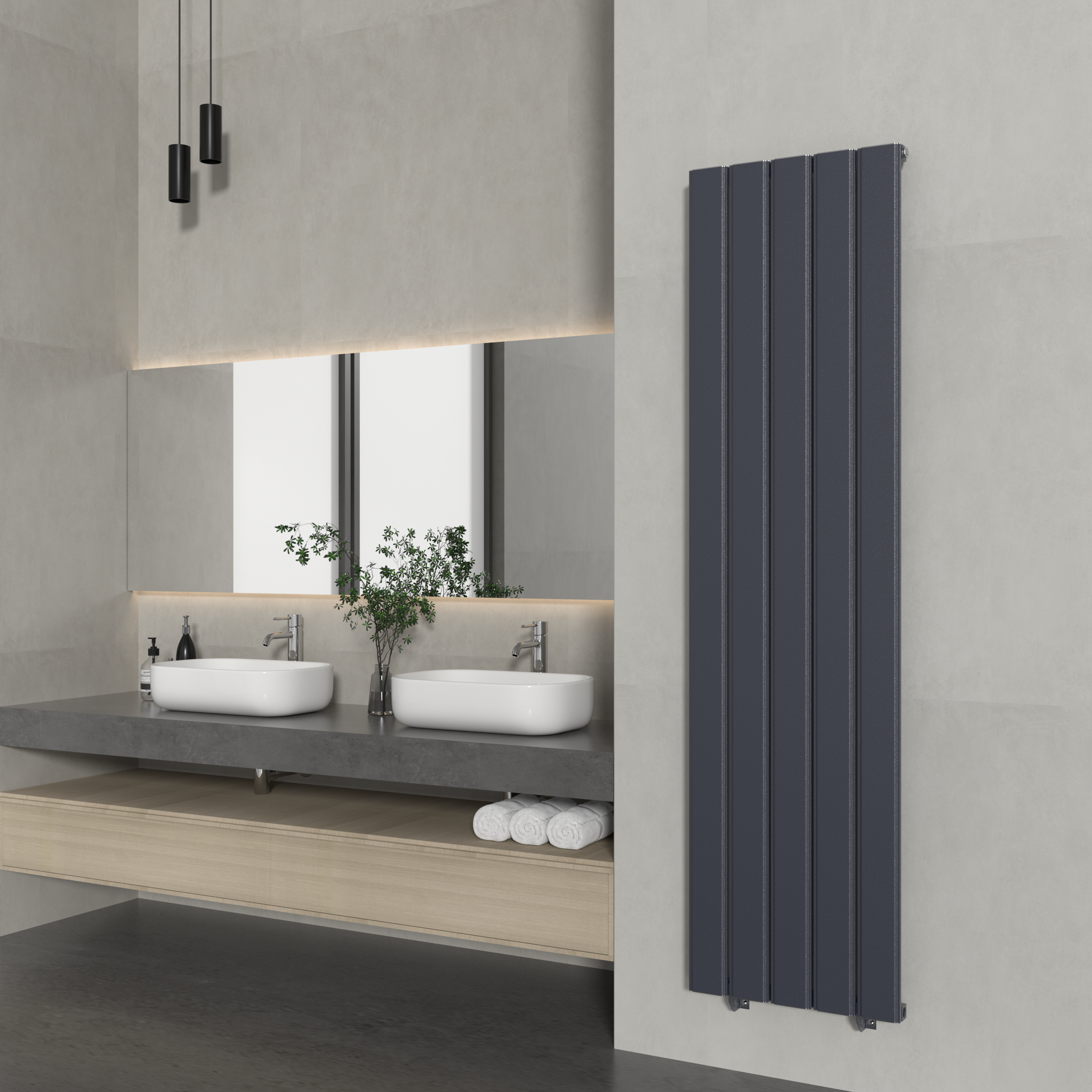
When it comes to heating solutions that seamlessly blend functionality with aesthetic appeal, the modern radiator has emerged as a game-changing element in contemporary interior design. Today's homeowners and designers are increasingly seeking heating systems that not only provide efficient warmth but also complement the sleek, minimalist aesthetics that define modern living spaces. The evolution of panel radiator design has transformed these once purely functional fixtures into sophisticated design elements that can enhance rather than detract from carefully curated interiors.
The contemporary approach to radiator design emphasizes clean lines, innovative materials, and versatile configurations that adapt to various architectural styles. Unlike traditional cast iron radiators that dominated heating systems for decades, the modern radiator incorporates advanced engineering with thoughtful design principles. These heating solutions prioritize both thermal efficiency and visual integration, ensuring that they contribute positively to the overall ambiance of living and working spaces.
Essential Design Characteristics of Contemporary Panel Radiators
Minimalist Aesthetic Integration
The hallmark of any exceptional modern radiator lies in its ability to maintain a low visual profile while delivering superior heating performance. Contemporary panel designs typically feature flat, smooth surfaces that create an unobtrusive presence within interior spaces. These radiators often incorporate horizontal or vertical panel configurations that can complement existing architectural elements such as windows, wall niches, or built-in furniture arrangements.
Material selection plays a crucial role in achieving the desired minimalist aesthetic. Premium modern radiator models utilize high-grade steel or aluminum construction, which allows for thinner panel profiles without compromising heat output. The surface treatments range from powder-coated finishes in neutral tones to specialized textures that can mimic natural materials or provide subtle visual interest through carefully controlled geometric patterns.
Advanced Thermal Performance Features
Beyond aesthetic considerations, the modern radiator must deliver exceptional heating efficiency to justify its place in contemporary homes. Advanced panel designs incorporate multiple heat exchange layers that maximize surface area contact with circulating water or steam. This engineering approach enables higher heat output rates while maintaining lower operating temperatures, resulting in improved energy efficiency and reduced utility costs.
The thermal responsiveness of modern panel radiators significantly exceeds that of traditional heating systems. Quick heating and cooling cycles allow for precise temperature control, which aligns perfectly with smart home automation systems and programmable thermostats. This responsiveness is particularly valuable in open-plan living spaces where heating demands can vary based on occupancy patterns and natural light exposure throughout the day.
Color Schemes and Finish Options for Modern Spaces
Neutral Palette Integration
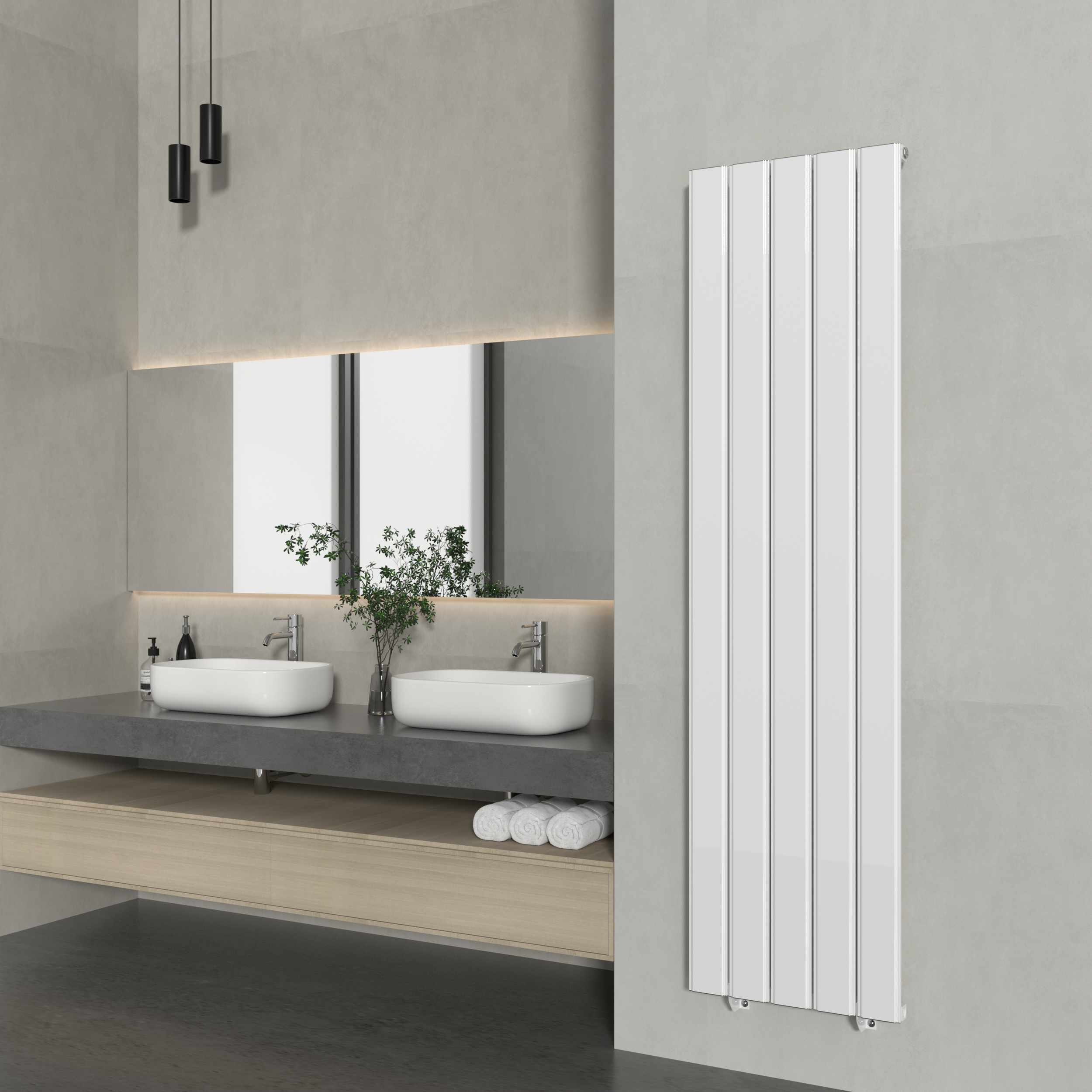
The most versatile modern radiator designs embrace neutral color palettes that provide flexibility across diverse interior design schemes. Classic white finishes remain popular due to their ability to blend seamlessly with walls and trim work, creating an almost invisible heating presence. However, contemporary options extend beyond traditional white to include sophisticated grays, warm off-whites, and even deep charcoal tones that can serve as subtle accent elements.
Matte finishes have gained particular popularity in modern radiator applications, as they eliminate the reflective qualities that can draw unwanted attention to the heating unit. These finishes also demonstrate superior durability against fingerprints, dust accumulation, and minor surface impacts that commonly occur in high-traffic residential areas. The subtle texture variations possible with matte coatings add tactile interest without overwhelming the overall design composition.
Bold Statement Possibilities
While neutral approaches dominate modern radiator selection, there are strategic opportunities to utilize heating systems as intentional design focal points. Contemporary panel radiators are available in carefully curated bold colors that can complement specific interior themes or serve as coordinated elements within larger design narratives. Deep blues, forest greens, and rich burgundy options provide sophisticated alternatives to neutral palettes.
The key to successfully implementing a statement modern radiator lies in maintaining balance with surrounding design elements. These bold heating solutions work best when they echo existing color schemes or materials found elsewhere in the space, such as furniture upholstery, artwork, or architectural details. The goal is to create intentional design cohesion rather than jarring contrast that disrupts the overall aesthetic harmony.
Size and Configuration Strategies for Different Room Types
Open Plan Living Areas
Open concept living spaces present unique challenges and opportunities for modern radiator placement and sizing. These expansive areas require heating solutions that can effectively distribute warmth across large, unobstructed floor plans while maintaining the visual flow that makes open layouts so appealing. Horizontal panel configurations work particularly well in these applications, as they can extend along wall sections without creating vertical interruptions that might segment the space visually.
Strategic placement of multiple smaller modern radiator units often proves more effective than relying on single large units in open plan environments. This distributed approach allows for zone-based temperature control, enabling occupants to adjust heating levels based on specific area usage patterns. Additionally, multiple units provide redundancy that ensures continued heating capability even if one unit requires maintenance or repair.
Compact Urban Living Spaces
Urban apartments and smaller homes benefit significantly from vertical modern radiator configurations that maximize heating output while minimizing floor space occupation. Tall, narrow panel designs can fit effectively into spaces between windows, alongside doorways, or in corner locations that might otherwise remain unused. These vertical orientations often provide superior heat distribution patterns in rooms with higher ceiling heights common in converted industrial spaces and loft apartments.
The compact footprint requirements in urban environments also drive innovation in modern radiator mounting systems and connection methods. Wall-mounted installations eliminate the need for floor-level clearances, freeing valuable space for furniture placement and foot traffic patterns. Advanced mounting hardware ensures secure installation while maintaining the clean lines that define contemporary design aesthetics.
Installation and Integration Considerations
Professional Installation Requirements
Proper installation of any modern radiator system requires careful attention to both technical specifications and aesthetic integration details. Professional installation ensures compliance with local building codes, optimal system performance, and warranty protection. The installation process typically involves precise measurements, appropriate wall preparation, and coordination with existing plumbing or electrical systems depending on the chosen heating technology.
Contemporary installation techniques often emphasize concealed connections and minimalist hardware visibility. Modern radiator systems frequently utilize push-fit connections or compression fittings that reduce installation time while providing reliable, leak-proof performance. These advanced connection methods also simplify future maintenance or replacement procedures, which adds long-term value to the initial investment in quality heating equipment.
Smart Home Integration Options
The integration of modern radiator systems with smart home technology represents a significant advancement in heating system control and efficiency. Contemporary thermostatic radiator valves can connect to home automation networks, enabling remote temperature adjustment, scheduling, and energy consumption monitoring through smartphone applications or central control systems.
Advanced smart integration features include occupancy-based temperature adjustment, weather-responsive heating schedules, and integration with other building systems such as ventilation and window automation. These capabilities transform the modern radiator from a passive heating element into an active component of comprehensive building energy management strategies that can significantly reduce operating costs while maintaining optimal comfort levels.
Maintenance and Longevity Factors
Routine Care Requirements
Modern radiator systems are engineered for minimal maintenance requirements while delivering consistent long-term performance. Regular care typically involves simple cleaning procedures to maintain optimal heat transfer efficiency and preserve aesthetic appearance. The smooth surfaces characteristic of contemporary panel designs facilitate easy cleaning with standard household products and tools.
Annual system bleeding and pressure checks ensure optimal circulation and prevent air accumulation that can reduce heating efficiency. Modern radiator systems often incorporate automatic air vents that minimize manual maintenance requirements while maintaining peak performance levels. These automated features represent significant improvements over traditional systems that required more frequent manual intervention and monitoring.
Long-term Performance Expectations
Quality modern radiator systems are designed for service lives extending 15 to 20 years with proper installation and routine maintenance. The materials and construction methods used in contemporary manufacturing provide superior corrosion resistance and thermal cycling durability compared to older heating technologies. This longevity makes modern radiator investments highly cost-effective when evaluated over their complete service lifecycle.
Warranty coverage for modern radiator systems typically reflects manufacturer confidence in long-term reliability, with many premium products offering 10-year or longer warranty periods. These extensive warranties provide peace of mind while ensuring that any performance issues are addressed promptly without additional cost to the homeowner. The combination of proven durability and comprehensive warranty protection makes modern radiator systems an excellent choice for both residential and commercial applications.
FAQ
What size modern radiator do I need for my room
The appropriate size for a modern radiator depends on room volume, insulation quality, window area, and desired temperature levels. A professional heat loss calculation considers these factors to determine the required heat output measured in BTUs or watts. Generally, well-insulated rooms require approximately 25-35 watts per square meter, while older properties may need 40-60 watts per square meter. Consulting with a heating professional ensures accurate sizing for optimal performance and energy efficiency.
Can modern radiators work with existing heating systems
Most modern radiator designs are compatible with existing central heating systems, including both traditional boiler systems and newer heat pump installations. The key compatibility factors include connection sizes, operating pressures, and water temperature requirements. Professional assessment of your current system ensures proper compatibility and may identify opportunities for efficiency improvements through modern radiator upgrades that enhance overall system performance.
How do modern radiators compare to underfloor heating
Modern radiators offer several advantages over underfloor heating systems, including lower installation costs, easier maintenance access, and quicker temperature response times. While underfloor heating provides excellent comfort through radiant heat distribution, modern radiator systems allow for individual room temperature control and can be easily upgraded or relocated as needs change. The choice depends on specific comfort preferences, budget considerations, and existing building infrastructure.
What maintenance do modern radiators require
Modern radiator maintenance is minimal, typically requiring only annual system bleeding to remove air bubbles, periodic cleaning of exterior surfaces, and occasional pressure checks of the overall heating system. The smooth surfaces and advanced materials used in contemporary designs resist corrosion and scaling, reducing maintenance frequency compared to older heating systems. Most maintenance tasks can be performed by homeowners, though annual professional system inspections are recommended for optimal long-term performance.