
 EN
EN



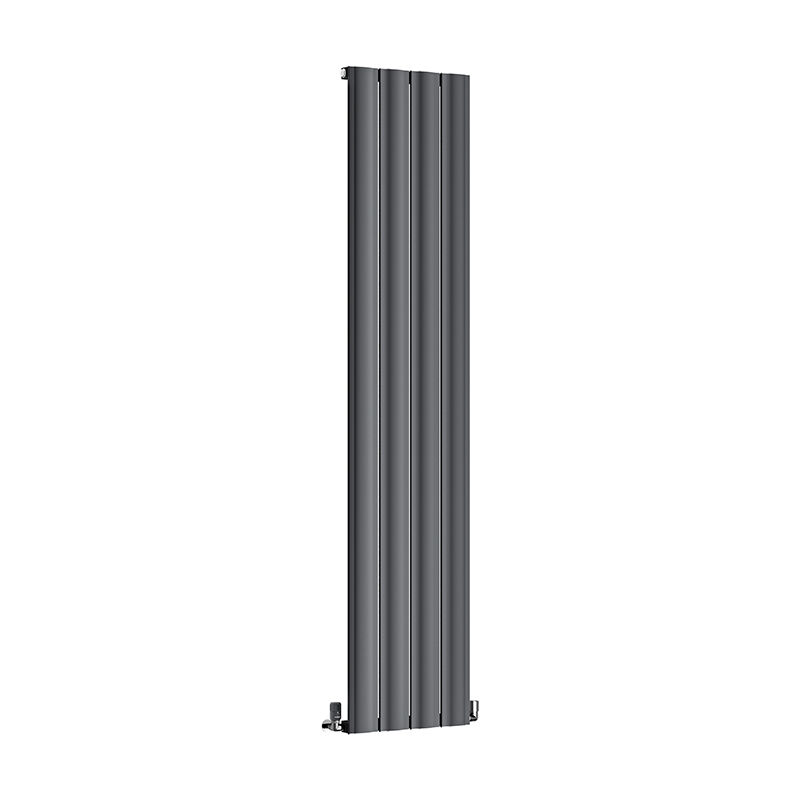
Understanding the differences between heating systems is crucial for making informed decisions about home comfort and energy efficiency. When comparing panel heater vs convection heater options, homeowners and business owners often find themselves weighing various factors including heating performance, energy consumption, installation requirements, and overall cost-effectiveness. Both heating solutions offer distinct advantages and serve different purposes in residential and commercial applications, making it essential to examine their unique characteristics thoroughly.
Understanding Panel Heater Technology
How Panel Heaters Generate Heat
Panel heaters operate through radiant heating principles, utilizing electric heating elements or hot water circulation to warm surfaces directly. These sleek, wall-mounted units emit infrared radiation that heats objects, people, and surfaces within their range rather than primarily warming the surrounding air. The heating element within a panel heater typically consists of either electric resistance coils or hydronic systems that circulate heated water through internal channels. This direct heating method creates a comfortable environment by warming surfaces that then radiate heat back into the room, establishing a gentle and consistent temperature distribution.
The radiant heating process employed by panel heaters mimics natural sunlight, providing immediate warmth upon activation. Unlike systems that rely on air circulation, panel heaters create heat zones that remain effective even in drafty conditions or spaces with high ceilings. This characteristic makes them particularly suitable for areas where traditional heating methods struggle to maintain consistent temperatures. The heating panels typically feature flat, smooth surfaces that integrate seamlessly with modern interior designs while delivering efficient thermal output.
Panel Heater Design and Installation Features
Modern panel heaters showcase minimalist designs that complement contemporary architectural styles while maximizing heating efficiency. These units typically measure between one to three inches in thickness, allowing for discrete wall mounting without significantly protruding into living spaces. Installation requirements vary depending on the power source, with electric models requiring appropriate electrical connections and hydronic versions needing integration with existing hot water systems or dedicated boiler installations.
The construction of quality panel heaters incorporates advanced materials designed to optimize heat distribution while maintaining surface temperatures safe for human contact. Many models feature programmable thermostats, remote control capabilities, and smart home integration options that enhance user convenience and energy management. Professional installation ensures proper electrical connections, appropriate circuit protection, and optimal positioning for maximum heating coverage while maintaining safety standards and building code compliance.
Convection Heater Mechanisms and Applications
Convection Heating Principles
Convection heaters function by warming air through internal heating elements and then circulating that heated air throughout the space using natural or forced air movement. The panel heater vs convection heater comparison reveals fundamental differences in heat distribution methods, with convection systems relying on air circulation to achieve uniform temperature distribution. These heaters typically incorporate heating coils, ceramic elements, or oil-filled radiators that transfer thermal energy to surrounding air, creating convection currents that distribute warmth throughout the room.
Natural convection occurs when heated air rises and cooler air descends, creating continuous circulation patterns that gradually warm the entire space. Forced convection heaters utilize internal fans to accelerate air movement, reducing heating times and improving temperature uniformity. This circulation method proves particularly effective in well-insulated spaces where air can circulate freely without significant heat loss through drafts or inadequate sealing around windows and doors.
Types and Configurations of Convection Heaters
Convection heaters encompass various designs including baseboard units, portable space heaters, wall-mounted models, and integrated HVAC systems. Baseboard convection heaters install along exterior walls beneath windows, taking advantage of natural convection patterns while counteracting cold air infiltration. Portable convection heaters offer flexibility for heating specific areas or supplementing existing heating systems during peak demand periods.
Oil-filled radiator heaters represent a popular convection heating category, utilizing heated oil circulation to maintain consistent surface temperatures that warm surrounding air gradually. These units retain heat effectively, continuing to provide warmth even after electrical power cycles off, contributing to energy efficiency and consistent temperature maintenance. Fan-forced convection heaters incorporate blowers to accelerate heat distribution, making them suitable for quickly warming larger spaces or areas with challenging layouts.

Performance Comparison and Energy Efficiency
Heating Speed and Response Times
When evaluating panel heater vs convection heater performance, response times differ significantly based on heating methodologies. Panel heaters provide immediate radiant warmth that can be felt within minutes of activation, as radiant heat travels at the speed of light and directly warms surfaces and occupants. This immediate heating response makes panel heaters ideal for intermittent use or spaces requiring quick temperature adjustments.
Convection heaters require additional time to warm air and establish circulation patterns before achieving comfortable ambient temperatures throughout the space. However, once convection currents are established, these systems can maintain more uniform air temperatures across larger areas. The heating speed advantage of panel heaters becomes particularly noticeable in spaces with high ceilings or poor insulation, where convection heating must overcome greater thermal challenges.
Energy Consumption and Operating Costs
Energy efficiency considerations in the panel heater vs convection heater debate involve multiple factors including insulation quality, room size, ceiling height, and usage patterns. Panel heaters typically demonstrate higher efficiency in well-insulated spaces with standard ceiling heights, as radiant heating directly warms occupants and surfaces without heating large volumes of air. This targeted heating approach can reduce energy consumption by focusing thermal output where it provides the most comfort benefit.
Convection heaters may consume more energy initially to heat air volumes but can maintain consistent temperatures efficiently once equilibrium is achieved. In larger spaces or areas with frequent air circulation, convection heating may provide better overall efficiency by maintaining uniform temperatures that prevent cold spots and drafts. Smart thermostats and programmable controls enhance efficiency for both heating types by optimizing operation schedules and preventing unnecessary energy consumption during unoccupied periods.
Installation Requirements and Maintenance Considerations
Installation Complexity and Requirements
Installation requirements for panel heater vs convection heater systems vary significantly based on power sources, mounting methods, and integration with existing building systems. Electric panel heaters typically require dedicated electrical circuits sized appropriately for the unit's power requirements, along with proper wall mounting hardware capable of supporting the heater's weight and thermal stresses. Professional electrical installation ensures compliance with local codes and safety standards while optimizing performance and longevity.
Hydronic panel heaters necessitate integration with hot water systems, requiring pipe connections, circulation pumps, and temperature controls that coordinate with existing heating infrastructure. This complexity often requires professional plumbing and heating system expertise to ensure proper operation and prevent leaks or circulation issues. Convection heaters generally offer simpler installation processes, particularly for portable units or plug-in models that require minimal setup beyond proper electrical connections.
Maintenance and Longevity Factors
Maintenance requirements differ substantially when comparing panel heater vs convection heater systems, with panel heaters typically requiring minimal ongoing maintenance beyond periodic cleaning and inspection. The absence of moving parts in most panel heater designs reduces wear and potential failure points, contributing to extended service life and reduced maintenance costs. Regular cleaning of heating surfaces and verification of electrical connections constitute the primary maintenance activities for electric panel heaters.
Convection heaters with fans or circulation pumps require more frequent maintenance including filter cleaning, fan blade inspection, and lubrication of moving components. Oil-filled convection radiators need periodic inspection for leaks and proper oil levels, while baseboard convection units may accumulate dust and debris that reduces efficiency over time. However, many convection heaters feature serviceable components that allow for repair rather than complete replacement when problems occur, potentially extending their useful life through proper maintenance.
Cost Analysis and Return on Investment
Initial Purchase and Installation Costs
The financial comparison of panel heater vs convection heater options involves evaluating both upfront costs and long-term operational expenses. Premium panel heaters typically command higher initial purchase prices due to their sophisticated heating technology and sleek designs, while convection heaters offer broader price ranges accommodating various budget considerations. Installation costs vary significantly, with simple plug-in convection heaters requiring no professional installation, while hardwired panel heaters need electrical work that adds to overall project expenses.
High-quality panel heater vs convection heater systems represent significant investments that should be evaluated based on expected service life and performance benefits. Professional installation costs for panel heaters may include electrical circuit modifications, wall preparation, and integration with smart home systems, while convection heater installation typically involves simpler mounting or positioning requirements that reduce labor expenses.
Long-term Operational Economics
Long-term cost effectiveness depends on usage patterns, energy rates, and heating efficiency characteristics of each system type. Panel heaters may provide superior cost performance in applications requiring intermittent heating or zone-specific temperature control, as their immediate radiant output eliminates energy waste associated with heating unused air volumes. This efficiency advantage becomes more pronounced in spaces with high ceilings or poor insulation where convection heating faces greater challenges.
Convection heaters may offer better long-term value in consistently occupied spaces where uniform air temperature distribution justifies the energy required for air heating and circulation. The total cost of ownership includes purchase price, installation expenses, maintenance costs, energy consumption, and expected replacement intervals. Smart controls and programmable features enhance cost effectiveness for both heating types by optimizing operation schedules and preventing unnecessary energy consumption during unoccupied periods.
Application Suitability and Use Cases
Residential Applications and Room Types
Selecting between panel heater vs convection heater options requires careful consideration of specific application requirements and room characteristics. Panel heaters excel in bedrooms, bathrooms, and living areas where occupants remain relatively stationary and benefit from direct radiant warmth. The quiet operation of panel heaters makes them particularly suitable for bedrooms and study areas where noise from circulation fans would be disruptive.
Convection heaters perform well in larger open spaces, kitchens, and areas where uniform air temperature distribution is important for comfort and functionality. Rooms with high activity levels or frequent occupancy changes benefit from convection heating's ability to maintain consistent ambient temperatures regardless of occupant location within the space. Bathrooms and similar high-moisture environments may favor panel heaters due to their resistance to humidity and ability to warm surfaces that help prevent condensation formation.
Commercial and Industrial Applications
Commercial applications for panel heater vs convection heater systems depend on facility requirements, occupancy patterns, and operational considerations. Office environments often benefit from panel heaters installed under windows or along exterior walls, providing individual comfort control while minimizing energy consumption in partially occupied spaces. Retail environments may prefer convection heating systems that maintain uniform temperatures for customer comfort while accommodating varying occupancy levels throughout the day.
Industrial applications may favor panel heaters for spot heating applications where workers remain in specific locations for extended periods, such as assembly stations or quality control areas. Warehouses and large open spaces typically benefit more from convection heating systems that can distribute warmth across expansive areas efficiently. Healthcare facilities often combine both heating types, using panel heaters for patient rooms and convection systems for common areas and waiting rooms where uniform temperature distribution is essential.
FAQ
Which heater type is more energy efficient?
Energy efficiency depends on specific application requirements and usage patterns. Panel heaters typically demonstrate higher efficiency for intermittent use and zone heating applications, as they provide immediate radiant warmth without heating large air volumes. Convection heaters may be more efficient for continuous operation in well-insulated spaces where uniform air temperature distribution is required. Both systems benefit from smart controls and proper sizing to optimize energy consumption based on actual heating needs.
Do panel heaters work well in large rooms?
Panel heaters can effectively heat large rooms when properly sized and positioned, particularly when occupants remain in specific areas within the space. Multiple panel heaters may be required to provide adequate coverage in very large areas, and their effectiveness depends on ceiling height, insulation quality, and air circulation patterns. Convection heaters may provide more uniform heating in large open spaces, while panel heaters excel at creating comfortable heating zones within larger areas.
Which heating system requires less maintenance?
Panel heaters generally require less maintenance due to their simple construction with fewer moving parts. Regular cleaning and electrical connection inspection constitute the primary maintenance requirements for most panel heater models. Convection heaters with fans, filters, or circulation pumps require more frequent maintenance including component cleaning, lubrication, and potential part replacement. However, many convection heaters offer serviceable components that allow for repair rather than complete replacement when issues occur.
Can both heater types be integrated with smart home systems?
Both panel heaters and convection heaters are available with smart home integration capabilities, including Wi-Fi connectivity, smartphone app control, and compatibility with popular home automation platforms. Smart features typically include programmable scheduling, remote temperature adjustment, energy monitoring, and integration with occupancy sensors or other smart home devices. These capabilities enhance convenience and energy efficiency for both heating system types by enabling optimized operation based on actual usage patterns and preferences.