
 EN
EN



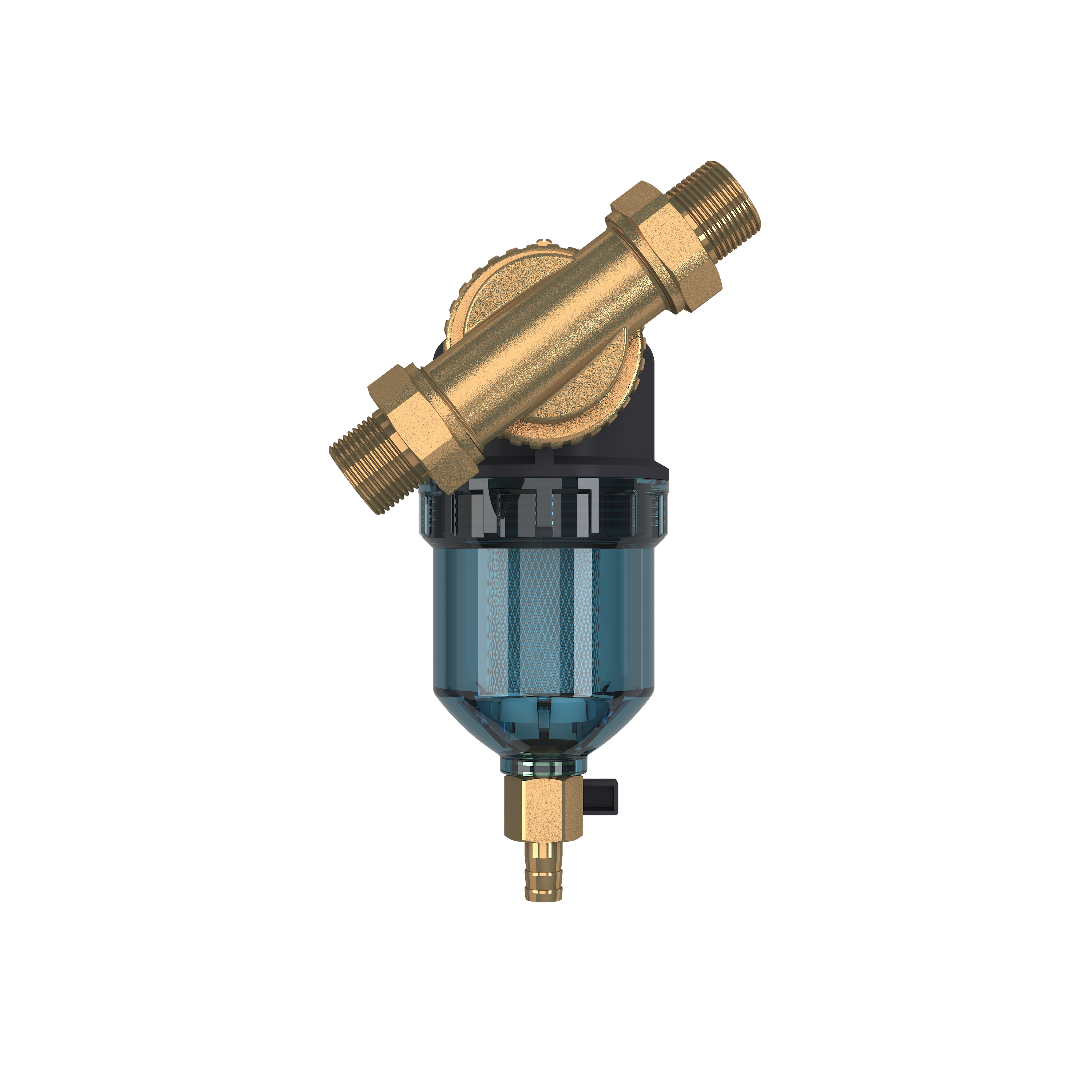
Industrial systems rely on clean fluid flow to maintain optimal performance and prevent costly equipment damage. A magnetic filter serves as a crucial component in removing ferrous contaminants from hydraulic oil, coolants, and other industrial fluids. Understanding the proper maintenance schedule and cleaning procedures for your magnetic filter can significantly extend equipment life, reduce downtime, and ensure consistent system performance across various industrial applications.
The frequency of magnetic filter cleaning depends on several operational factors including system contamination levels, fluid type, operating temperature, and flow rates. Most industrial magnetic filter systems require cleaning intervals ranging from weekly inspections to quarterly deep maintenance cycles. Establishing a proper maintenance schedule prevents filter saturation, maintains system efficiency, and protects downstream equipment from ferrous particle contamination damage.
Regular magnetic filter maintenance involves more than simple cleaning procedures. Effective maintenance programs include visual inspections, particle count monitoring, pressure differential measurements, and systematic documentation of contamination patterns. These comprehensive approaches help identify potential system issues before they escalate into expensive equipment failures or production interruptions.
Understanding Magnetic Filter Operation Principles
Magnetic Separation Technology Fundamentals
Magnetic filter technology utilizes powerful permanent magnets or electromagnets to capture ferrous particles from flowing fluids. The magnetic field strength, typically measured in gauss or tesla, determines the filter's ability to attract and hold iron particles of varying sizes. High-intensity magnetic filters can capture particles as small as 0.1 microns, while standard units effectively remove particles above 1 micron in diameter.
The magnetic separation process occurs when ferrous contaminants pass through the magnetic field zone within the filter housing. Particles become magnetized and adhere to magnetic surfaces, creating chains of captured material that grow over time. This accumulation process continues until the magnetic filter reaches saturation capacity, requiring cleaning to restore full operational efficiency.
Filter Design Variations and Applications
Different magnetic filter designs serve specific industrial applications and contamination challenges. Inline magnetic filters integrate directly into pipeline systems, providing continuous filtration without interrupting fluid flow. Tank-mounted magnetic filters offer higher capacity for heavy contamination environments, while portable magnetic filter units provide flexibility for temporary or mobile applications.
Specialized magnetic filter configurations include self-cleaning units with automated cleaning cycles, high-temperature models for hot oil applications, and explosion-proof designs for hazardous environments. Each design variation requires specific maintenance protocols and cleaning intervals based on operational requirements and environmental conditions.
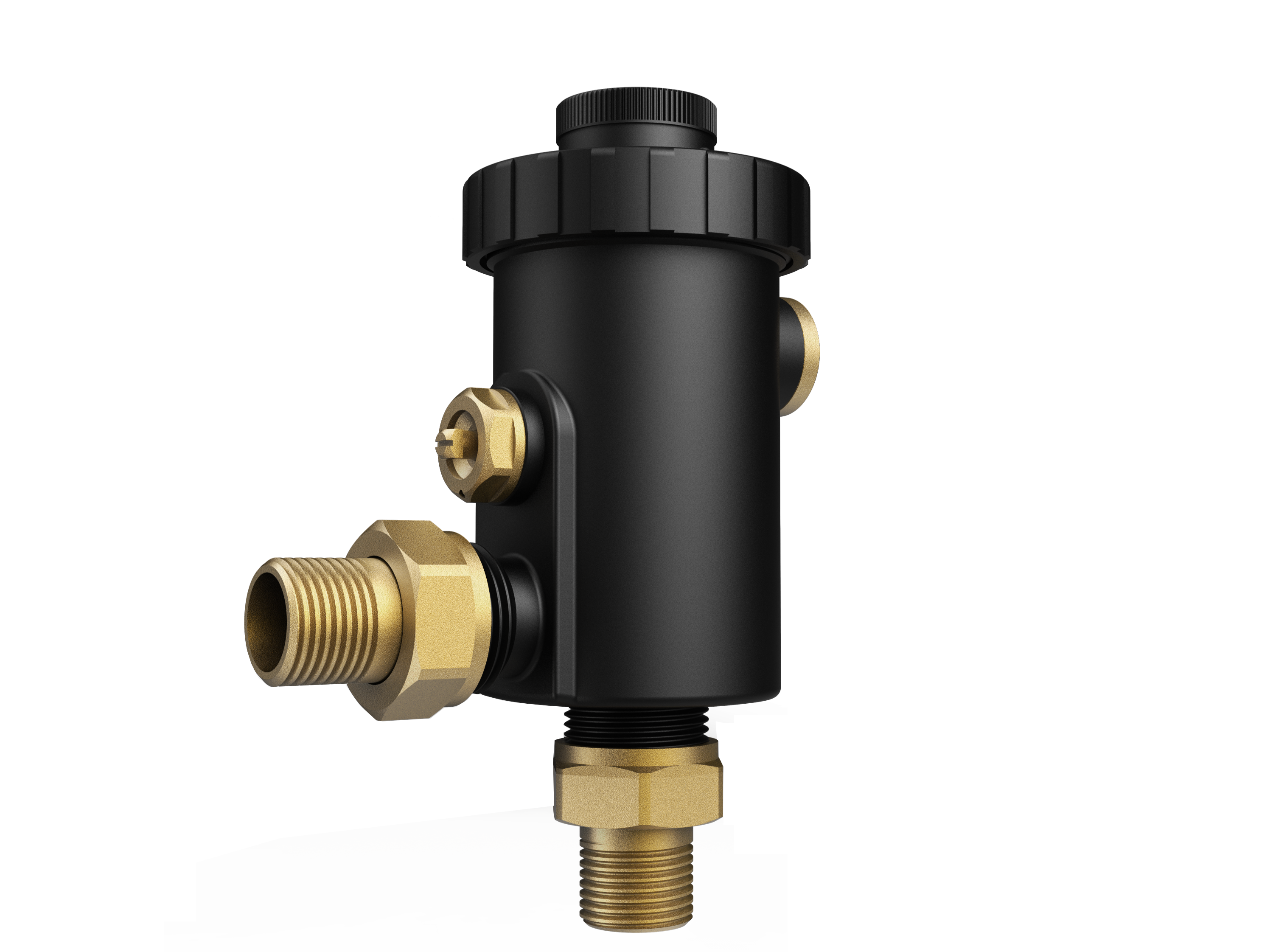
Determining Optimal Cleaning Frequency
Contamination Level Assessment Methods
Accurate contamination assessment forms the foundation for establishing effective magnetic filter cleaning schedules. Particle counting techniques using laser particle counters provide precise measurements of ferrous contamination levels in system fluids. Regular sampling and analysis help identify contamination trends and optimize cleaning intervals for maximum system protection.
Visual inspection methods supplement analytical testing by revealing accumulated particle patterns on magnetic surfaces. Experienced technicians can estimate contamination levels and predict cleaning requirements based on particle accumulation density, color variations, and magnetic surface coverage. These visual assessments provide immediate feedback for adjusting maintenance schedules.
Operating Condition Impact Factors
System operating conditions directly influence magnetic filter contamination rates and required cleaning frequencies. High-temperature applications accelerate fluid degradation and increase particle generation, necessitating more frequent magnetic filter maintenance. Similarly, high-pressure systems may experience increased wear rates, generating additional ferrous debris that shortens cleaning intervals.
Fluid velocity through the magnetic filter affects particle capture efficiency and cleaning requirements. Higher flow rates may reduce capture efficiency for smaller particles while potentially dislodging previously captured material during pressure transients. Understanding these relationships helps optimize both filter performance and maintenance scheduling.
Establishing Maintenance Schedules
Preventive Maintenance Protocols
Structured preventive maintenance programs maximize magnetic filter performance while minimizing unexpected system failures. Weekly visual inspections identify rapid contamination increases that might indicate upstream equipment problems or system malfunctions. Monthly detailed inspections include pressure differential measurements and particle count analyses to track contamination trends.
Quarterly comprehensive maintenance involves complete magnetic filter disassembly, thorough cleaning, and component inspection for wear or damage. Annual overhaul procedures include magnetic field strength verification, seal replacement, and performance testing to ensure continued effectiveness. These layered maintenance approaches provide multiple opportunities to identify and address potential issues.
Documentation and Trend Analysis
Systematic documentation of magnetic filter maintenance activities enables data-driven optimization of cleaning schedules. Recording contamination levels, cleaning frequencies, and system performance metrics creates valuable historical data for identifying patterns and predicting future maintenance needs. This information supports continuous improvement efforts and helps justify maintenance investments.
Trend analysis reveals seasonal variations in contamination rates, equipment-specific contamination patterns, and the effectiveness of different cleaning procedures. Advanced facilities utilize computerized maintenance management systems to analyze magnetic filter performance data and automatically adjust cleaning schedules based on actual operating conditions rather than fixed time intervals.
Cleaning Procedures and Best Practices
Standard Cleaning Methodologies
Effective magnetic filter cleaning requires systematic procedures that ensure complete particle removal without damaging filter components. Initial cleaning steps involve safely isolating the magnetic filter from system pressure and draining residual fluid. Magnetic elements require careful handling to prevent injury from strong magnetic forces and to avoid damaging delicate surface coatings.
Solvent cleaning methods effectively dissolve accumulated particles and fluid residues from magnetic surfaces. Appropriate cleaning solvents depend on the filtered fluid type and contamination characteristics. Ultrasonic cleaning provides enhanced particle removal for heavily contaminated magnetic filter elements, while high-pressure washing offers efficient cleaning for robust filter designs.
Safety Considerations and Equipment Protection
Magnetic filter maintenance involves specific safety risks that require proper precautions and training. Strong magnetic fields can attract ferrous tools and components, creating pinch point hazards and potential equipment damage. Personnel must use non-magnetic tools and maintain awareness of magnetic field zones during maintenance activities.
Chemical cleaning agents used in magnetic filter maintenance may present health and environmental hazards requiring appropriate personal protective equipment and disposal procedures. Proper ventilation, chemical compatibility verification, and emergency response procedures ensure safe maintenance operations while protecting both personnel and equipment.
Performance Monitoring and Optimization
Efficiency Measurement Techniques
Measuring magnetic filter performance provides objective data for optimizing maintenance schedules and identifying potential system improvements. Upstream and downstream particle count comparisons quantify filtration efficiency and reveal when cleaning is needed. Pressure differential monitoring indicates filter loading and helps predict optimal cleaning timing.
Flow rate measurements before and after magnetic filter cleaning demonstrate the impact of maintenance on system performance. Reduced flow rates may indicate excessive particle accumulation or filter damage requiring immediate attention. These performance metrics guide maintenance decisions and support continuous improvement efforts.
System Integration and Compatibility
Optimal magnetic filter performance requires proper integration with existing system components and operating procedures. Filter sizing must match system flow requirements and contamination levels to prevent premature saturation or inadequate filtration. Pressure ratings, temperature compatibility, and connection specifications ensure reliable operation within system design parameters.
Compatibility with system fluids affects both magnetic filter performance and maintenance requirements. Certain fluid additives may interfere with magnetic separation or accelerate filter component wear. Understanding these interactions helps optimize both filter selection and maintenance procedures for specific applications.
Troubleshooting Common Issues
Rapid Contamination Problems
Unexpectedly high contamination rates in magnetic filter systems often indicate upstream equipment problems or system design issues. Accelerated wear in pumps, valves, or cylinders generates increased ferrous debris that overwhelms normal filter capacity. Identifying and addressing root causes prevents recurring contamination problems and reduces maintenance requirements.
System modifications, fluid changes, or operational parameter adjustments may alter contamination patterns and require magnetic filter maintenance schedule revisions. Regular monitoring and documentation help identify these changes and enable proactive maintenance adjustments before equipment damage occurs.
Performance Degradation Analysis
Declining magnetic filter efficiency may result from magnetic field degradation, component wear, or improper installation. Periodic magnetic field strength measurements using gaussmeters verify continued effectiveness and identify filters requiring replacement or refurbishment. Visual inspection reveals physical damage or wear that might compromise filtration performance.
Flow bypass around magnetic filter elements reduces overall system protection and may indicate seal failure or housing damage. Pressure testing and visual inspection identify bypass conditions that require immediate correction to maintain system integrity and equipment protection.
FAQ
How do I know when my magnetic filter needs cleaning?
Visual inspection provides the most immediate indication of cleaning requirements. When magnetic surfaces show significant particle accumulation or when downstream particle counts increase above acceptable levels, cleaning becomes necessary. Most systems benefit from weekly visual inspections and monthly particle count analysis to establish optimal cleaning intervals based on actual operating conditions.
Can I clean a magnetic filter while the system is running?
Most magnetic filter designs require system shutdown for safe cleaning procedures. However, some specialized self-cleaning units or duplex filter systems allow cleaning one element while the other remains in service. Always consult manufacturer specifications and safety procedures before attempting any maintenance on pressurized systems to prevent injury or equipment damage.
What cleaning solvents work best for magnetic filters?
Appropriate cleaning solvents depend on the filtered fluid type and contamination characteristics. Petroleum-based solvents work well for hydraulic oil systems, while water-based cleaners suit water-glycol applications. Ultrasonic cleaning with appropriate solvents provides the most thorough particle removal for heavily contaminated filters. Always verify chemical compatibility with filter materials before use.
How long should a properly maintained magnetic filter last?
Well-maintained magnetic filters can operate effectively for many years with proper care and regular cleaning. Permanent magnet elements typically maintain effectiveness for decades, while filter housings and seals may require replacement every 5-10 years depending on operating conditions. Regular maintenance and component inspection help maximize service life and ensure continued system protection.