
 EN
EN



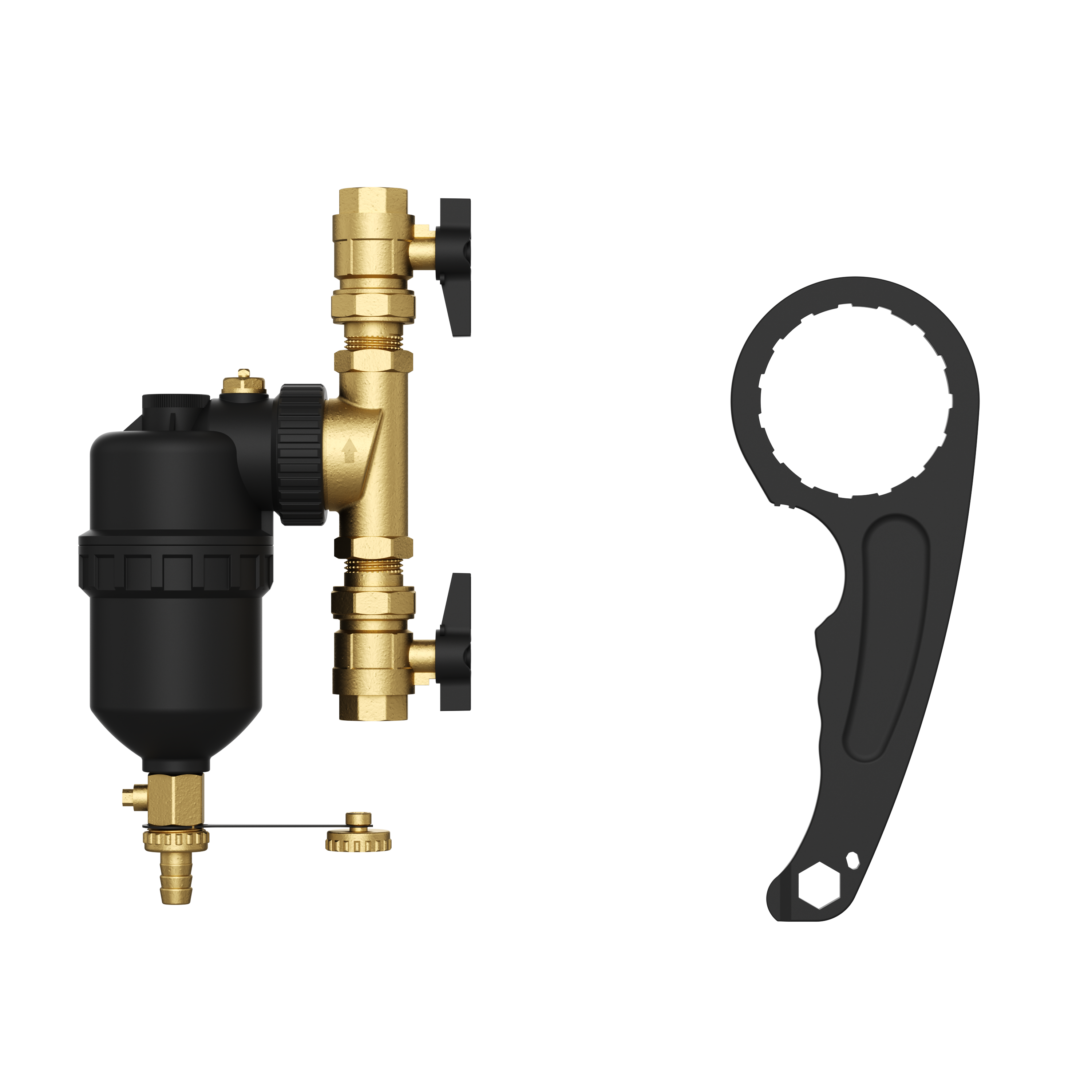
A magnetic filter represents a crucial component in modern heating systems, designed to protect boilers and radiators from harmful metal debris that circulates throughout the system. These innovative devices utilize powerful magnetic fields to capture iron oxide particles, commonly known as magnetite, which form naturally as metal components corrode over time. The magnetic filter operates silently and continuously, ensuring optimal system performance while extending the lifespan of expensive heating equipment.
The importance of installing a magnetic filter in heating systems cannot be overstated. Metal debris and sludge accumulation pose significant threats to system efficiency, causing blockages in narrow pipework and damaging sensitive components like pump impellers and heat exchangers. Without proper filtration, homeowners face costly repairs, reduced heating performance, and premature system failures that could have been easily prevented.
Understanding Magnetic Filter Technology
Magnetic Field Principles
The magnetic filter employs powerful neodymium magnets strategically positioned within the device housing to create an intense magnetic field. This field effectively attracts and holds ferrous particles suspended in the heating system water. The magnetic strength typically ranges from 2000 to 10000 gauss, providing sufficient force to capture even microscopic iron particles before they can cause damage to system components.
The magnetic field design ensures maximum particle capture efficiency while maintaining optimal water flow rates throughout the system. Engineers carefully calculate magnet placement to create turbulence zones where particles naturally migrate toward the magnetic surfaces. This scientific approach maximizes the magnetic filter effectiveness while minimizing pressure drops that could affect system performance.
Filtration Media Composition
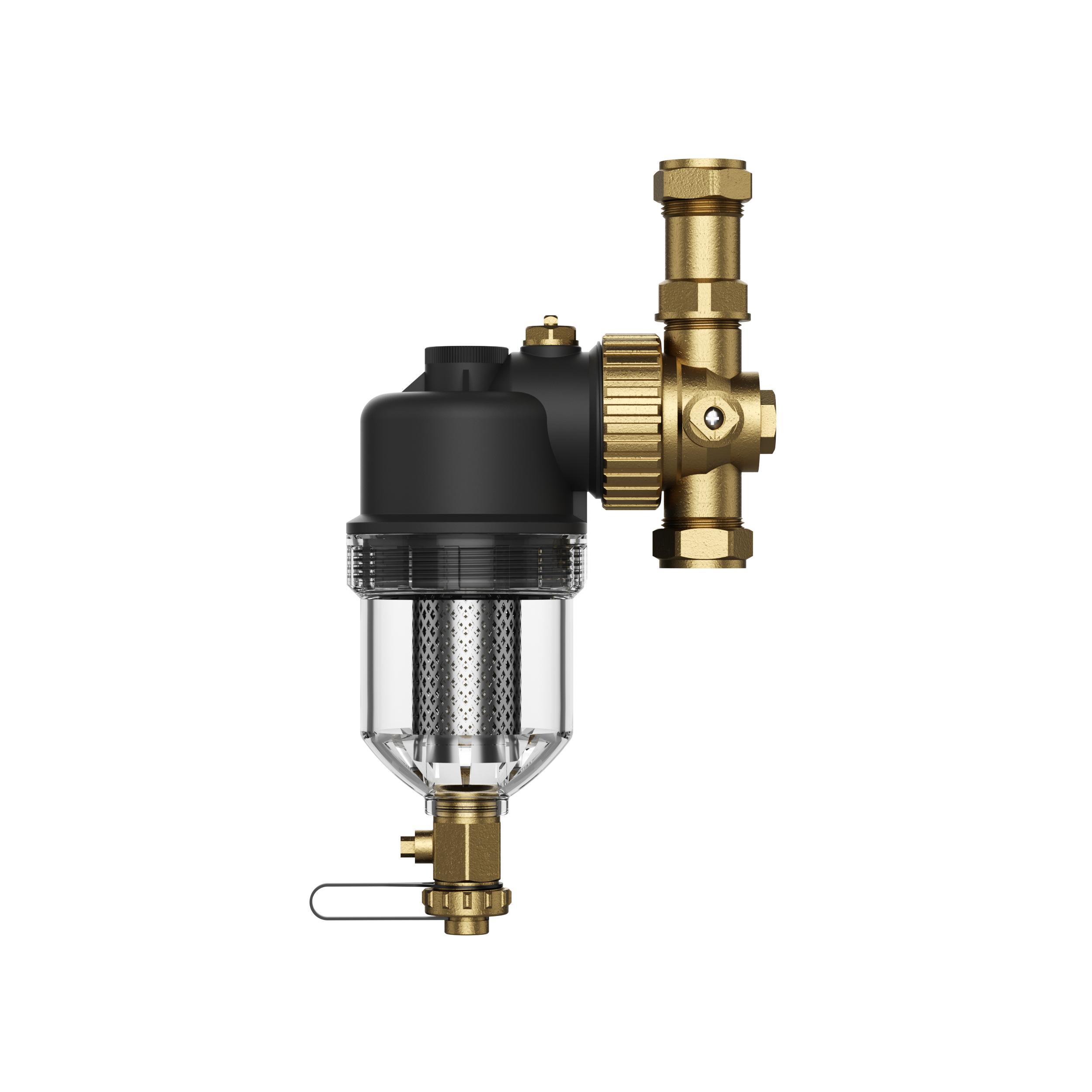
Modern magnetic filter designs incorporate multiple filtration stages beyond the primary magnetic component. High-quality units feature stainless steel mesh screens that capture larger debris particles, while the magnetic element specifically targets iron oxide particles. Some advanced models include additional filtration media such as ceramic elements or specialized polymers that remove chemical contaminants from the heating water.
The combination of magnetic attraction and mechanical filtration creates a comprehensive debris removal system. This dual-action approach ensures that both magnetic and non-magnetic contaminants are effectively removed from the circulating water. The result is cleaner system water that protects expensive heating components and maintains optimal heat transfer efficiency throughout the entire system.
Installation and System Integration
Optimal Placement Strategies
Installing a magnetic filter requires careful consideration of system design and water flow patterns. The optimal location is typically on the return line, just before the boiler inlet, where water temperatures are lower and debris concentration is highest. This placement strategy ensures maximum particle capture while protecting the boiler heat exchanger from accumulated contaminants that could cause significant damage.
Professional installers evaluate system configurations to determine the most effective magnetic filter placement. Factors including pipe diameter, flow rates, and existing system components influence installation decisions. The magnetic filter must be positioned to allow easy access for maintenance while ensuring unobstructed water flow throughout the heating system.
Connection Methods and Compatibility
Magnetic filter installation typically involves cutting into existing pipework and installing the unit using compression fittings or soldered connections. Most units are designed to accommodate standard pipe sizes ranging from 15mm to 28mm, making them compatible with residential and light commercial heating systems. The installation process requires basic plumbing skills and standard tools, though professional installation is recommended for optimal performance.
System compatibility extends beyond pipe connections to include flow rate considerations and pressure ratings. The magnetic filter must be sized appropriately for the system capacity to ensure adequate debris removal without creating excessive pressure drops. Proper sizing calculations consider factors such as pump capacity, system volume, and existing pressure differentials throughout the heating circuit.
Performance Benefits and System Protection
Enhanced Heat Transfer Efficiency
The magnetic filter significantly improves heat transfer efficiency by preventing debris accumulation on heat exchanger surfaces. Clean heat exchangers operate at optimal efficiency levels, reducing fuel consumption and lowering heating costs. Studies demonstrate that systems equipped with magnetic filters maintain efficiency ratings up to 15% higher than unfiltered systems over extended operating periods.
Improved efficiency translates directly into reduced operating costs and environmental benefits. The magnetic filter enables heating systems to achieve design performance levels throughout their operational lifespan. This consistent performance reduces the need for frequent system cleaning and chemical treatments that add ongoing maintenance expenses.
Component Longevity and Reliability
System components protected by a magnetic filter demonstrate significantly extended operational lifespans compared to unprotected systems. Pump impellers, thermostatic radiator valves, and pressure relief devices operate more reliably when shielded from abrasive metal particles. The magnetic filter prevents premature wear that leads to costly component replacements and system downtime.
Reliability improvements extend beyond individual components to encompass entire system performance. Protected systems experience fewer breakdowns, reduced service calls, and more consistent heating performance. The magnetic filter investment pays dividends through reduced maintenance costs and improved system dependability over many years of operation.
Maintenance Requirements and Best Practices
Cleaning Procedures and Frequency
Regular magnetic filter maintenance involves isolating the unit and removing accumulated debris from the magnetic surfaces and filter screens. Cleaning frequency depends on system age, water quality, and debris load, typically ranging from annually for newer systems to biannually for older installations. The cleaning process requires basic tools and can be completed during routine boiler servicing appointments.
Proper cleaning techniques ensure maximum magnetic filter effectiveness and extend service life. Accumulated debris should be carefully removed using non-abrasive methods that preserve magnet coating integrity. The magnetic filter housing requires inspection for wear or damage during each maintenance cycle, with particular attention to sealing surfaces and threaded connections.
Performance Monitoring and Indicators
Monitoring magnetic filter performance involves regular visual inspections and system performance assessments. Indicators of effective operation include reduced system noise, improved radiator heating, and decreased pump cycling frequency. Accumulated debris visible through transparent inspection chambers provides direct evidence of magnetic filter effectiveness in protecting system components.
Performance degradation signs include increased system pressure differentials, reduced flow rates, and recurring component failures. These symptoms suggest that the magnetic filter requires cleaning or replacement. Regular monitoring enables proactive maintenance that prevents minor issues from developing into costly system problems requiring extensive repairs or component replacements.
Selection Criteria and Specifications
Capacity and Flow Rate Considerations
Selecting the appropriate magnetic filter requires careful evaluation of system specifications including flow rates, pipe sizes, and debris load expectations. Manufacturers provide capacity ratings that indicate maximum flow rates while maintaining effective filtration performance. Oversized units may create unnecessary pressure drops, while undersized magnetic filters cannot handle system debris loads effectively.
Flow rate calculations must account for system pump capacity and pressure requirements throughout the heating circuit. The magnetic filter should complement existing system hydraulics rather than creating restrictions that reduce overall performance. Professional system assessments help determine optimal magnetic filter specifications for specific applications and operating conditions.
Quality Standards and Certifications
High-quality magnetic filter units meet industry standards for pressure ratings, temperature limits, and corrosion resistance. Certifications from recognized testing organizations provide assurance of product reliability and performance consistency. Quality magnetic filters feature robust construction materials, precision machining, and comprehensive testing protocols that ensure long-term operational dependability.
Certification standards address safety considerations including pressure containment, material compatibility, and installation requirements. Compliance with building codes and industry regulations ensures that magnetic filter installations meet professional standards for residential and commercial applications. Quality certifications provide valuable protection for both installers and system owners throughout the product lifecycle.
FAQ
How often should a magnetic filter be cleaned
The magnetic filter should typically be cleaned annually for newer heating systems and every six months for older systems with higher debris loads. Cleaning frequency may vary based on water quality, system age, and operating conditions. Visual inspection of accumulated debris through transparent chambers helps determine optimal cleaning intervals for specific installations.
Can a magnetic filter be installed on any heating system
Most magnetic filter units are compatible with standard residential and light commercial heating systems using conventional piping materials and configurations. Installation requirements include adequate space for the unit and access for maintenance. Professional assessment ensures compatibility with existing system components and operating parameters before installation proceeds.
What happens if the magnetic filter becomes completely clogged
A completely clogged magnetic filter will create significant pressure drops that reduce system flow rates and heating performance. Symptoms include cold radiators, increased pump noise, and potential pump failure. Regular maintenance prevents complete clogging, but emergency cleaning may be required if severe blockages develop unexpectedly.
Do magnetic filters work with all types of heating system water
The magnetic filter effectively removes ferrous particles from all types of heating system water, including hard water, soft water, and chemically treated water. However, water chemistry may affect debris formation rates and cleaning frequency requirements. Some water conditions may require additional treatment methods alongside magnetic filtration for optimal system protection and performance.