
 EN
EN



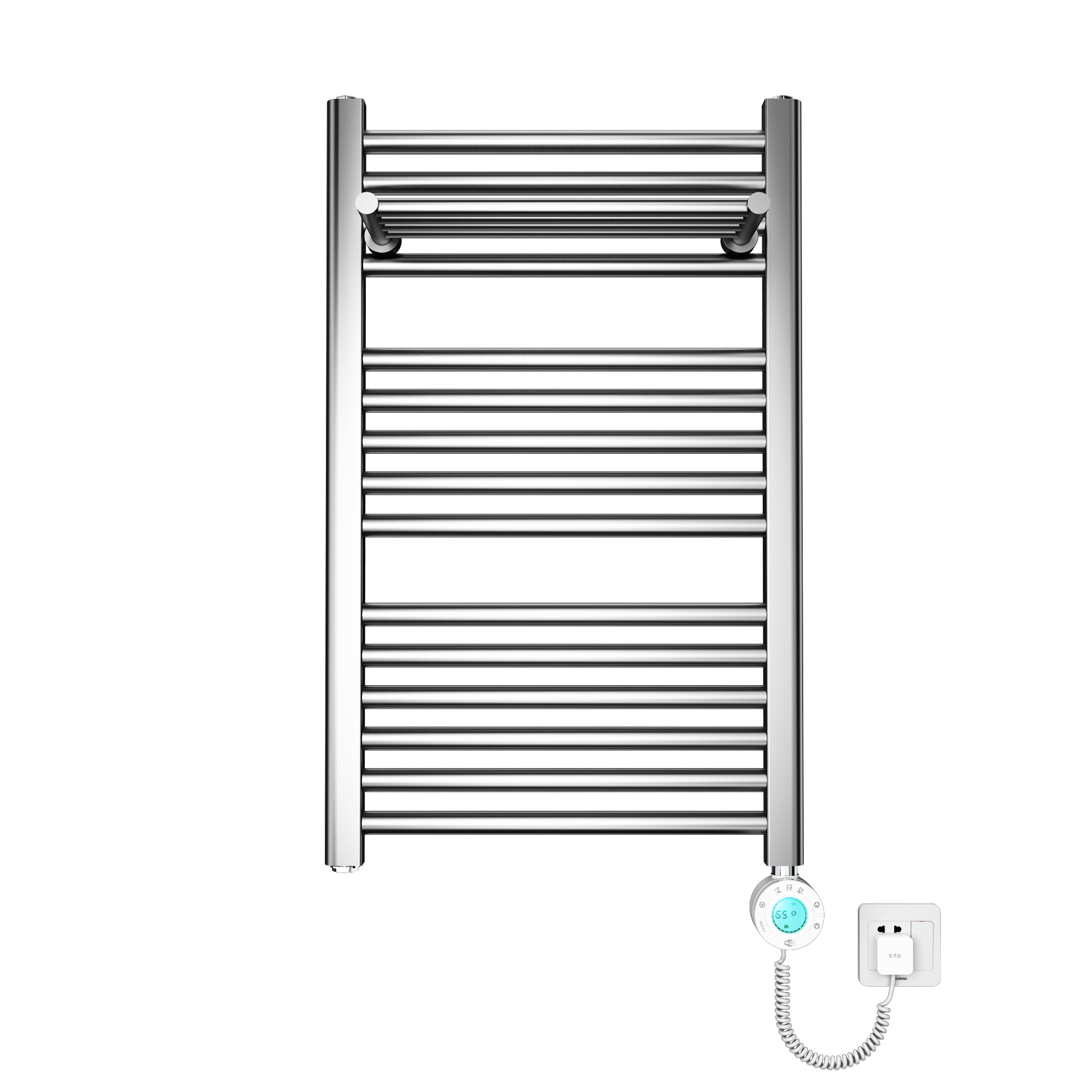
A design radiator serves as both a functional heating solution and an aesthetic statement piece in modern homes. Unlike traditional heating systems, a design radiator combines advanced thermal efficiency with contemporary styling to create spaces that are both comfortable and visually appealing. The selection of the right design radiator can transform any room from ordinary to extraordinary while providing consistent warmth throughout your living space.
Modern homeowners increasingly prioritize heating solutions that complement their interior design choices. A well-chosen design radiator integrates seamlessly with furniture, wall colors, and architectural features. This integration creates a cohesive living environment where functionality meets form in perfect harmony.
Understanding Design Radiator Types and Configurations
Vertical Design Radiators
Vertical design radiators maximize wall space efficiency while creating dramatic visual impact. These tall, sleek units work exceptionally well in rooms with limited horizontal wall space or where ceiling height creates opportunities for striking vertical elements. The vertical orientation of a design radiator can make rooms appear taller and more spacious.
Installation considerations for vertical units include ceiling clearance, furniture placement, and wall structural support. Many vertical design radiator models feature multiple columns or panels that enhance heat distribution while maintaining elegant proportions. The vertical format allows for creative positioning behind furniture or in narrow spaces between windows and doors.
Horizontal Design Radiators
Horizontal design radiator configurations offer traditional proportions with contemporary styling elements. These units typically install beneath windows, along hallway walls, or in spaces where horizontal lines complement existing architectural features. The horizontal layout provides excellent heat distribution across room width.
Contemporary horizontal models incorporate flat panels, curved surfaces, or geometric patterns that serve as wall-mounted art pieces. The design radiator in horizontal format often features multiple connection points for optimal water flow and temperature control. These units work particularly well in open-plan living areas where consistent heating coverage is essential.
Material Selection and Finish Options
Steel Construction Benefits
Steel remains the most popular material choice for design radiator construction due to its excellent heat conduction properties and durability. High-quality steel units provide rapid heat-up times and consistent temperature maintenance throughout operating cycles. The material's strength allows for thin profile designs without compromising structural integrity.
Manufacturing processes enable steel design radiator units to achieve smooth, seamless surfaces that accept various finish treatments. Powder coating applications create durable, scratch-resistant surfaces available in numerous colors and textures. Steel construction also supports complex geometric shapes and innovative design elements that distinguish premium units from basic heating appliances.
Alternative Material Considerations
Aluminum design radiator models offer lightweight installation advantages and superior thermal conductivity compared to steel alternatives. These units heat up quickly and respond rapidly to thermostat adjustments, making them ideal for rooms requiring precise temperature control. Aluminum construction enables intricate design details and ultra-slim profiles.
Cast iron design radiator options provide traditional aesthetic appeal with modern performance characteristics. These units retain heat longer after heating systems cycle off, providing extended warmth and comfort. Contemporary cast iron models feature clean lines and sophisticated finishes that complement both traditional and modern interior styles.
Size Calculation and Heat Output Requirements
Room Assessment Methods
Accurate room assessment forms the foundation of proper design radiator selection. Calculate total floor area, ceiling height, window dimensions, and insulation quality to determine required heat output measured in British Thermal Units or watts. External walls, glazing area, and room orientation affect heating requirements significantly.
Professional heat loss calculations consider factors including air changes per hour, thermal bridging, and local climate conditions. A properly sized design radiator operates efficiently without overworking heating systems or creating uncomfortable temperature fluctuations. Online calculators provide preliminary estimates, but complex installations benefit from professional assessment.
Performance Specification Analysis
Design radiator specifications include heat output ratings at standard temperature differences between heating water and room air. Manufacturers typically provide performance data at delta T 50 degrees Celsius, representing the difference between average water temperature and room temperature. Understanding these ratings ensures proper unit selection for specific applications.
Water flow rates, pressure requirements, and connection types affect installation compatibility with existing heating systems. The design radiator selected must match system capabilities while providing adequate heat output for space requirements. Balancing aesthetic preferences with technical specifications ensures optimal performance and comfort.
Installation Requirements and Considerations
Plumbing System Compatibility
Existing plumbing infrastructure significantly influences design radiator selection and installation complexity. Central heating systems using radiators typically operate with either single-pipe or two-pipe configurations that affect water flow and temperature distribution. Understanding current system layout helps determine connection requirements and potential modifications needed.
Pipe sizing, circulation pump capacity, and system pressure ratings must accommodate new design radiator specifications. Older heating systems may require upgrades to support modern high-efficiency units with different flow characteristics. Professional installers assess system compatibility and recommend necessary modifications before installation proceeds.
Wall Support and Mounting Systems
Design radiator mounting requires adequate wall support to handle unit weight plus water capacity safely. Hollow walls may need reinforcement with backing plates or alternative mounting solutions depending on radiator size and weight. Solid masonry walls typically provide sufficient support for most residential applications.
Mounting bracket systems vary between manufacturers but generally include adjustable components for precise positioning and leveling. Proper installation ensures even water distribution, prevents air pockets, and maintains manufacturer warranty coverage. Professional installation guarantees compliance with local building codes and safety regulations.
Energy Efficiency and Operating Costs
Thermal Performance Optimization
High-efficiency design radiator models incorporate advanced heat exchange technologies that maximize thermal output while minimizing energy consumption. Double-panel configurations, enhanced surface areas, and optimized water flow patterns improve heat transfer efficiency compared to single-panel alternatives. These improvements translate directly into lower operating costs and reduced environmental impact.
Smart thermostatic controls integrated with design radiator systems enable precise temperature management and scheduling capabilities. Programmable settings adjust heating output based on occupancy patterns, reducing energy waste during unoccupied periods. Zone control systems allow individual room temperature management for maximum comfort and efficiency.
Long-Term Cost Considerations
Initial investment in quality design radiator systems typically provides excellent long-term value through reduced maintenance requirements and extended service life. Premium units feature corrosion-resistant coatings, high-grade materials, and robust construction that minimize replacement needs over decades of operation.
Energy savings from efficient design radiator operation accumulate significantly over system lifetime. Modern units often qualify for energy efficiency rebates or tax incentives that offset initial purchase costs. Professional installation ensures optimal performance and prevents costly repairs from improper setup or compatibility issues.
Aesthetic Integration and Design Principles
Color and Finish Coordination
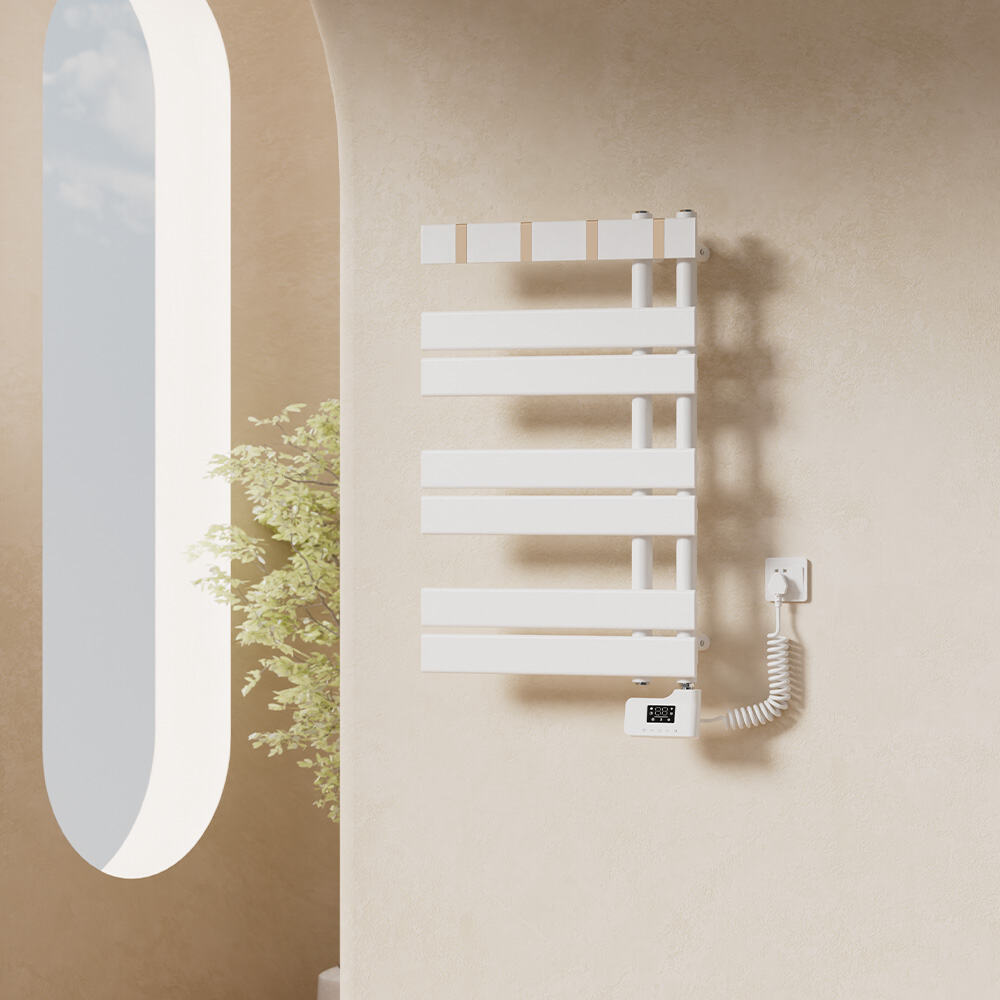
Design radiator color selection influences overall room aesthetics and visual impact significantly. White and off-white finishes provide versatile compatibility with most interior color schemes while maintaining classic appeal. Bold colors create focal points and accent features that complement contemporary design themes.
Metallic finishes including chrome, brushed steel, and bronze offer sophisticated options that coordinate with fixtures, hardware, and architectural details. Textured surfaces add visual interest and can help camouflage fingerprints or minor surface imperfections. Custom color matching services enable perfect coordination with specific design requirements.
Spatial Design Integration
Successful design radiator integration requires careful consideration of furniture placement, traffic flow, and visual sight lines within rooms. Units positioned as focal points benefit from strategic lighting and surrounding decor that enhances their aesthetic contribution. Conversely, discreet installations blend seamlessly with wall surfaces and existing architectural elements.
Scale and proportion relationships between design radiator dimensions and room size affect visual balance and comfort. Oversized units can overwhelm small spaces, while undersized models may appear insignificant in large rooms. Professional design consultation helps achieve optimal proportion and placement for maximum aesthetic and functional benefit.
Maintenance and Longevity Factors
Routine Maintenance Requirements
Design radiator maintenance involves regular cleaning, system flushing, and component inspection to ensure optimal performance and appearance. Dust accumulation on surfaces reduces heat transfer efficiency and affects visual appeal. Simple cleaning with appropriate products maintains finish quality and prevents permanent damage.
Annual system maintenance includes bleeding air from radiators, checking valve operation, and inspecting connections for leaks or corrosion. Professional maintenance services provide comprehensive system analysis and preventive care that extends design radiator service life. Regular maintenance prevents minor issues from developing into costly repairs or premature replacement needs.
Warranty and Support Considerations
Comprehensive warranty coverage protects design radiator investments and provides peace of mind regarding product quality and performance. Manufacturing warranties typically cover defects in materials and workmanship for specified periods ranging from five to twenty years depending on brand and model.
Technical support availability and local service networks influence long-term ownership satisfaction. Established manufacturers provide replacement parts, installation guidance, and troubleshooting assistance throughout product lifecycles. Professional installation often includes service guarantees that complement manufacturer warranties for complete protection.
FAQ
What factors determine the appropriate size for a design radiator installation
Design radiator sizing depends on room dimensions, insulation quality, ceiling height, window area, and local climate conditions. Professional heat loss calculations consider all these factors to determine required BTU output. Oversized units waste energy while undersized models fail to provide adequate heating comfort.
How do design radiator installation costs compare to traditional heating options
Design radiator installation costs vary based on system complexity, existing infrastructure, and unit specifications. Initial investment typically exceeds basic radiator costs but provides aesthetic and efficiency benefits that justify premium pricing. Professional installation ensures proper performance and warranty compliance.
Can design radiator units integrate with smart home automation systems
Modern design radiator systems support smart thermostatic controls and home automation integration through wireless connectivity and programmable interfaces. Smart controls enable remote temperature management, scheduling, and energy monitoring capabilities. Integration with whole-home systems provides centralized climate control and optimization.
What maintenance schedule ensures optimal design radiator performance and longevity
Annual professional maintenance including system flushing, valve inspection, and performance testing maintains design radiator efficiency and prevents premature failure. Monthly cleaning and seasonal bleeding remove air pockets and maintain heat transfer effectiveness. Following manufacturer recommendations ensures warranty compliance and maximum service life.
Table of Contents
- Understanding Design Radiator Types and Configurations
- Material Selection and Finish Options
- Size Calculation and Heat Output Requirements
- Installation Requirements and Considerations
- Energy Efficiency and Operating Costs
- Aesthetic Integration and Design Principles
- Maintenance and Longevity Factors
-
FAQ
- What factors determine the appropriate size for a design radiator installation
- How do design radiator installation costs compare to traditional heating options
- Can design radiator units integrate with smart home automation systems
- What maintenance schedule ensures optimal design radiator performance and longevity