
 EN
EN



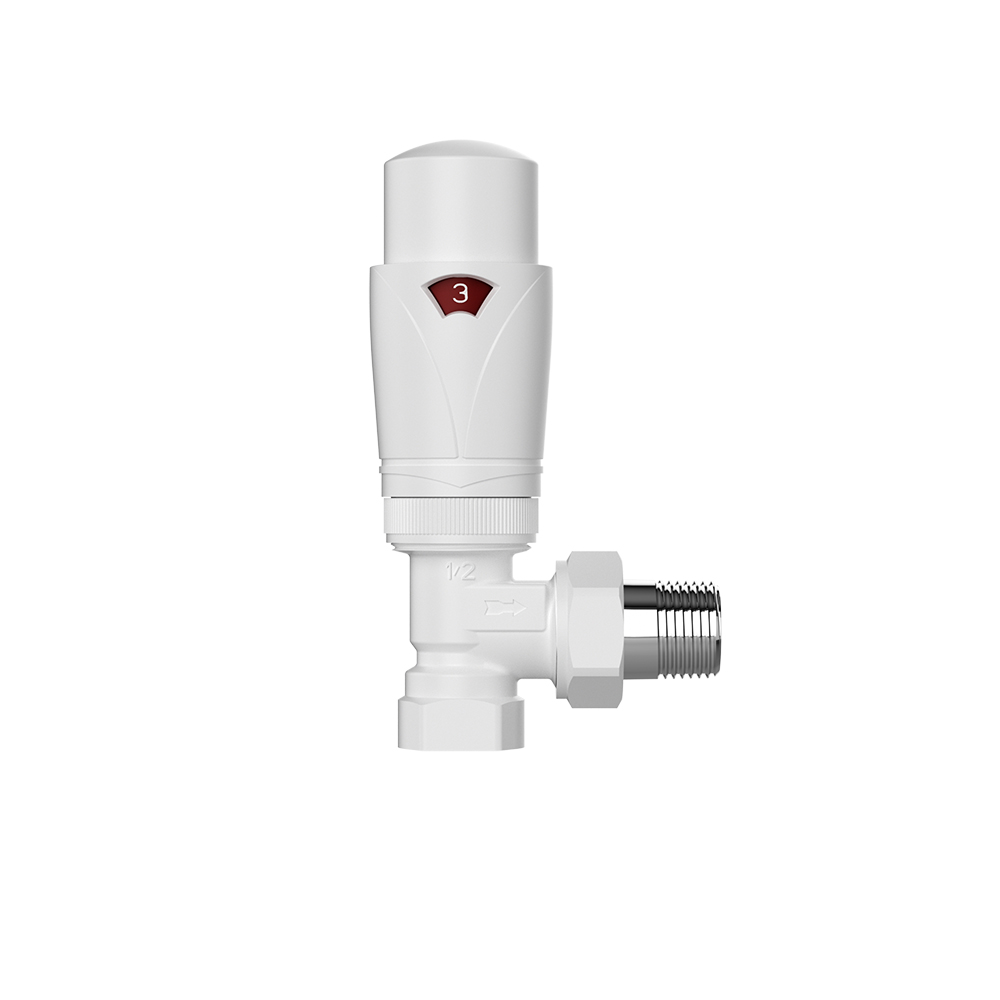
A thermostatic radiator valve is one of the most practical upgrades you can make to any hydronic heating system. Whether you manage a residential property or an industrial facility, installing a thermostatic radiator valve in each heated room allows precise, room-by-room temperature control that a single central thermostat simply cannot deliver. The result is a heating system that responds intelligently to actual conditions rather than a fixed schedule.
Understanding exactly why a thermostatic radiator valve outperforms older manual valve designs is essential before committing to an upgrade. This article breaks down the core advantages of a thermostatic radiator valve, explains how the mechanism works in real heating scenarios, and addresses the most common questions buyers and facility managers ask when evaluating a thermostatic radiator valve for their systems.
How a Thermostatic Radiator Valve Delivers Room-Level Control
The Core Sensing Mechanism
Every thermostatic radiator valve contains a temperature-sensitive actuator, typically a wax or liquid-filled element, that expands and contracts in response to the ambient air temperature in the room. When the room reaches the set temperature, the thermostatic radiator valve closes partially or fully, restricting hot water flow through the radiator. When the room cools below the set point, the thermostatic radiator valve opens again to restore heat. This self-regulating cycle happens continuously and automatically without any manual intervention.
Because each thermostatic radiator valve operates independently, rooms with different heat loads, such as a sun-facing living room versus a shaded bedroom, receive exactly the amount of heat they need. A single central thermostat placed in one reference room cannot account for these differences. The thermostatic radiator valve eliminates that guesswork and delivers targeted comfort throughout the building.
Compatibility with Modern Heating Systems
A thermostatic radiator valve is compatible with most standard two-pipe and one-pipe hot water radiator systems. Modern thermostatic radiator valve heads are available in multiple connection sizes and valve body types, making retrofit installation straightforward in both older buildings and new constructions. Many current thermostatic radiator valve models also include programmable or smart electronic heads, enabling scheduled temperature profiles that align with occupancy patterns and further reducing unnecessary heat output.
Energy Efficiency Gains from a Thermostatic Radiator Valve
Reducing Wasted Heat Output
The primary financial case for upgrading to a thermostatic radiator valve rests on measurable energy savings. Without a thermostatic radiator valve, a manually opened radiator continues to emit heat regardless of whether the room is occupied or already warm. A properly set thermostatic radiator valve prevents this by cutting flow once the target temperature is met. Over a full heating season, this behavior translates into a significant reduction in boiler runtime and fuel or energy consumption.
In buildings where multiple zones have different occupancy schedules, the thermostatic radiator valve provides zone-level efficiency without the cost of a full multi-zone valve system. A conference room that is empty most of the morning can be kept at a lower temperature by the thermostatic radiator valve and only warmed when needed. This kind of passive, automatic management is what makes the thermostatic radiator valve so valuable in both commercial and residential settings.
Balancing the Heating Circuit
Another efficiency advantage of the thermostatic radiator valve is hydraulic balancing. When some radiators in a system do not need heat, the thermostatic radiator valve on those radiators closes, redirecting hot water flow to radiators that still need heat. This natural balancing effect improves the overall distribution efficiency of the heating circuit. Boilers operate more effectively when the circuit is balanced, and the thermostatic radiator valve contributes directly to that balance without requiring manual adjustment by a technician.
Comfort, Longevity, and Practical Upgrade Considerations
Consistent Comfort Without Overheating
Overheating is a common complaint in buildings relying on manual radiator valves. Occupants frequently open windows to release excess heat, which wastes energy and creates uncomfortable drafts. A thermostatic radiator valve prevents overheating by maintaining temperature within a narrow range around the set point. The comfort improvement is immediate and noticeable, and it removes the need for occupants to manually manage radiator settings throughout the day.
For facilities where occupant comfort directly affects productivity or satisfaction, such as offices, hotels, or clinics, the thermostatic radiator valve is not just a convenience upgrade. It is a functional requirement. Each thermostatic radiator valve acts as a localized climate manager, maintaining the environment that occupants actually need rather than the average temperature a central system guesses at.
Selecting and Installing the Right Thermostatic Radiator Valve
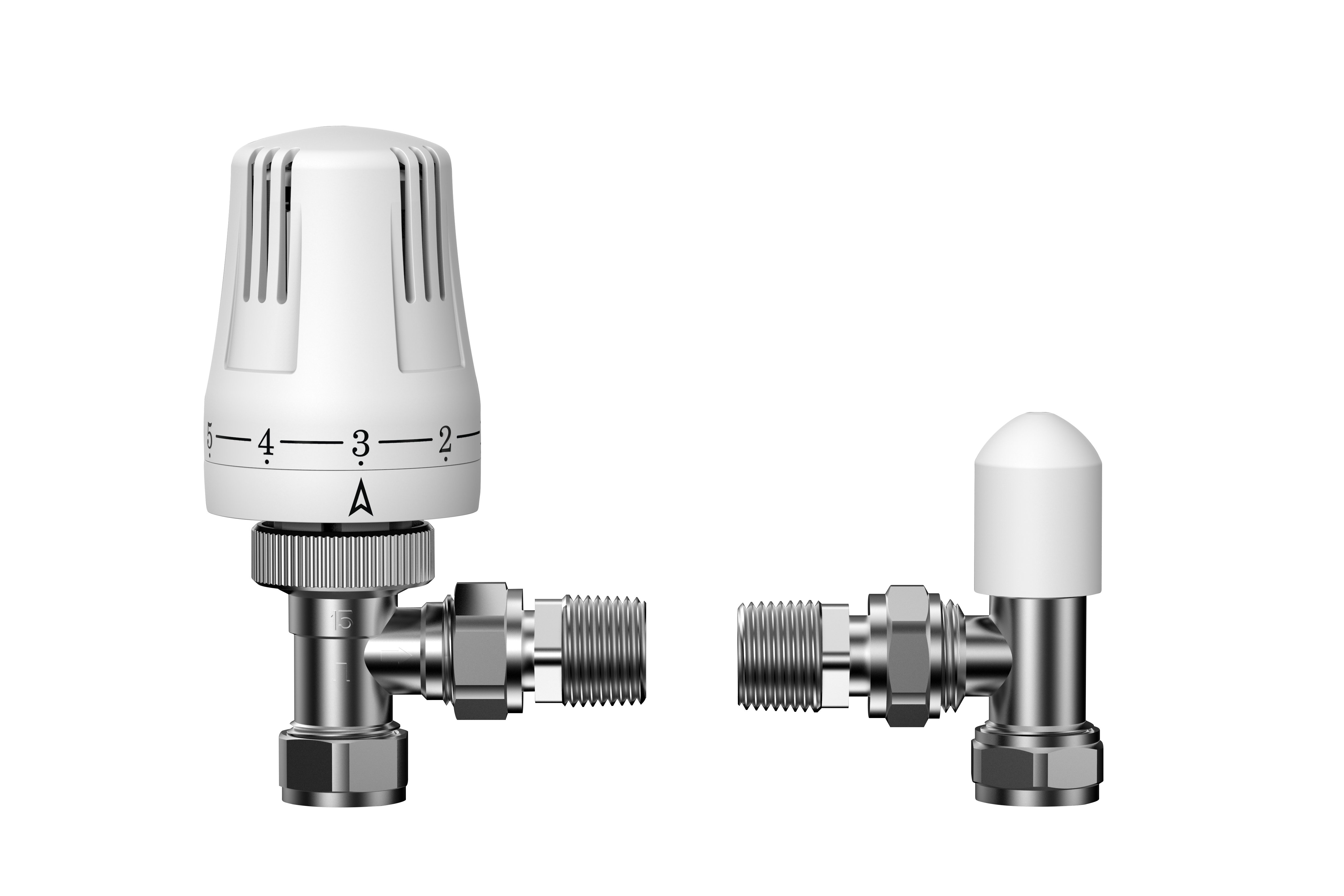
When selecting a thermostatic radiator valve, key factors include the valve body flow coefficient, the head sensitivity range, and the connection standard matching your existing pipework. A thermostatic radiator valve with a wider temperature adjustment range and a precise sensing element gives installers more flexibility across diverse room types. Installation requires closing the heating circuit, draining the relevant section, and fitting the thermostatic radiator valve body before attaching the thermostatic head. Most thermostatic radiator valve heads click or lock onto the valve body without tools, simplifying replacement and future upgrades.
Regular maintenance of a thermostatic radiator valve is minimal. Checking that the thermostatic radiator valve head moves freely at the start of each heating season and confirming the set-point markings are legible keeps the thermostatic radiator valve performing reliably for many years. If a thermostatic radiator valve head becomes stuck or unresponsive, replacing only the head rather than the entire thermostatic radiator valve assembly is usually sufficient and cost-effective.
FAQ
Can a thermostatic radiator valve work without a room thermostat?
Yes. A thermostatic radiator valve operates independently using its own built-in sensor. It does not require a separate room thermostat to regulate temperature. However, combining a thermostatic radiator valve with a programmable boiler controller provides even greater efficiency by coordinating heating schedules with zone-level temperature control.
How do I choose the correct thermostatic radiator valve setting for each room?
Most thermostatic radiator valve heads use a numbered scale, typically one to five, where each number corresponds to an approximate target temperature. Setting a thermostatic radiator valve to position three generally targets around 20 degrees Celsius. Bedrooms are often set lower, around position two, while bathrooms or living areas may be set higher. Adjust each thermostatic radiator valve gradually and allow one to two heating cycles to stabilize before making further changes.
Is a thermostatic radiator valve suitable for underfloor heating systems?
A standard thermostatic radiator valve is designed for radiator circuits and is not directly suited for underfloor heating manifolds. Underfloor systems use dedicated mixing valves and actuators. However, for buildings that combine radiators and underfloor heating, a thermostatic radiator valve can still be used on the radiator portions of the circuit while separate controls manage the underfloor zones.