
 EN
EN



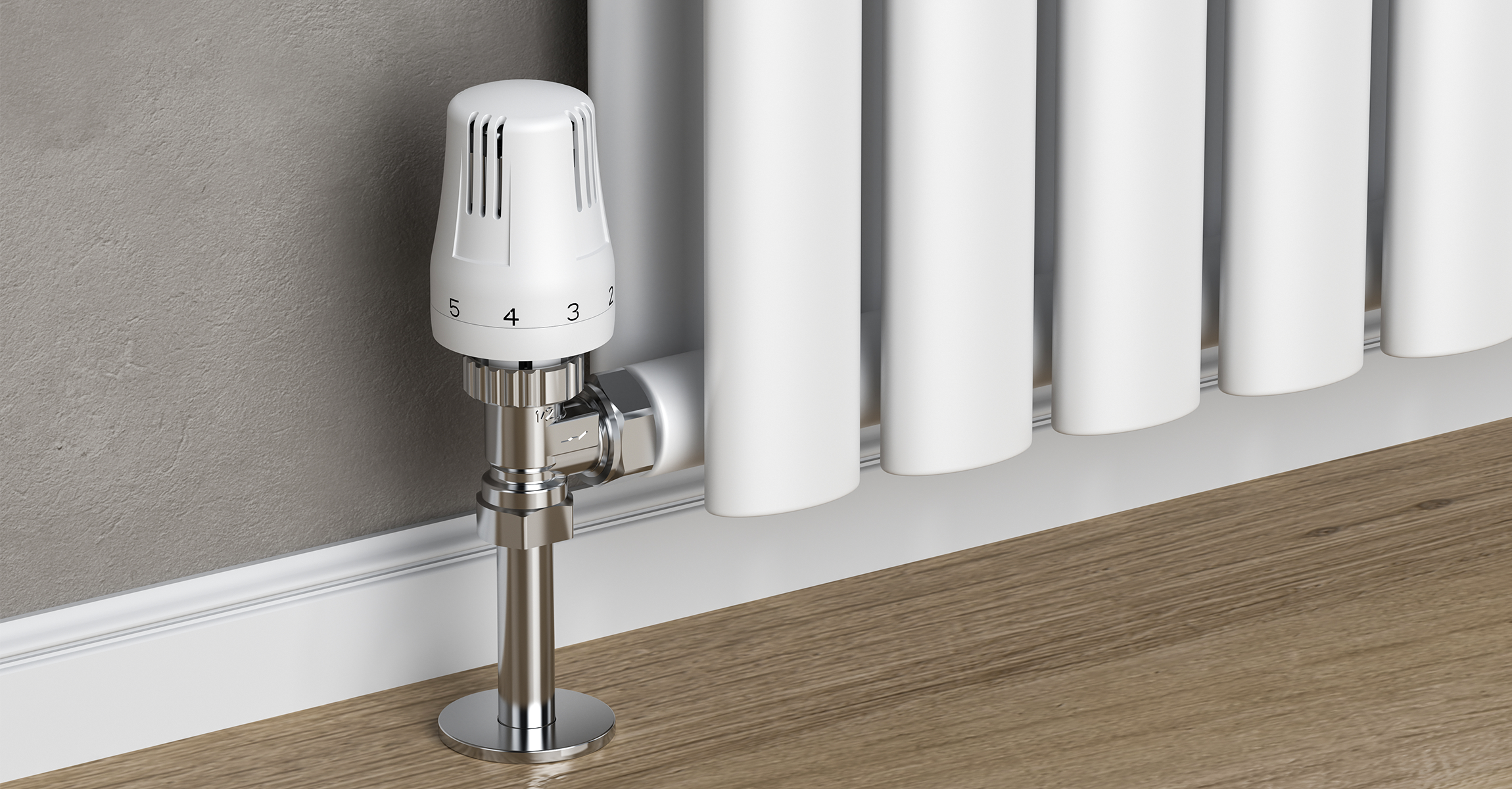
Thermostatic radiator valves are one of the most practical upgrades a homeowner can make to an existing heating system. By giving you direct, room-level control over heat output, thermostatic radiator valves eliminate the energy waste that comes from heating every room to the same temperature regardless of occupancy or need. This targeted approach is central to understanding how thermostatic radiator valves genuinely improve home energy efficiency rather than simply shifting heat around.
When thermostatic radiator valves sense that a room has reached its set temperature, they automatically restrict hot water flow to that radiator. This self-regulating behaviour means your boiler does not have to work as hard, fuel consumption drops, and your household energy bills follow. Understanding the mechanism behind thermostatic radiator valves helps homeowners make informed decisions about installation, zoning strategy, and long-term savings potential.
The Mechanism Behind Thermostatic Radiator Valves
How Thermostatic Radiator Valves Sense and Respond to Room Temperature
Thermostatic radiator valves contain a temperature-sensitive element, typically filled with wax or a liquid, that expands and contracts in response to the ambient air around the valve head. As room temperature rises toward the chosen set point, this element expands and progressively closes the valve, reducing hot water flow into the radiator. When the room cools below the set point, the element contracts, the valve opens, and heat is restored. Thermostatic radiator valves therefore act as independent thermostats for each room without requiring any electrical connection or external controller.
Because thermostatic radiator valves respond to the actual air temperature rather than a remote wall thermostat signal, they account for heat gains from sunlight, cooking, appliances, and body heat. This self-correcting capability makes thermostatic radiator valves more responsive than a single-zone system, and it prevents unnecessary overheating that wastes energy and creates discomfort.
Zoning Logic Enabled by Thermostatic Radiator Valves
A whole-home heating system controlled by a single thermostat treats every room identically. Thermostatic radiator valves break this limitation by creating multiple independent temperature zones. A bedroom fitted with thermostatic radiator valves can be kept cooler for sleeping comfort while a living room with its own thermostatic radiator valves maintains a warmer setting. Rooms that are rarely used can have their thermostatic radiator valves set to a frost-protection level, cutting heat delivery to near zero without shutting the circuit entirely. This zoning effect is the foundation of how thermostatic radiator valves drive meaningful energy savings across an entire property.
Energy Efficiency Gains from Thermostatic Radiator Valves
Reducing Boiler Load with Thermostatic Radiator Valves
Every degree of unnecessary heating adds measurable cost. When thermostatic radiator valves prevent a room from exceeding its target temperature, the boiler encounters less demand and can cycle off sooner or run at a lower modulation rate. Thermostatic radiator valves therefore reduce the total run time of the heating system, which directly lowers fuel consumption. In a home where several rooms previously overheated because the main thermostat was located in one cold hallway, fitting thermostatic radiator valves across all radiators can produce noticeable reductions in monthly energy bills. The cumulative effect of many thermostatic radiator valves working simultaneously across a building is a significantly lighter overall heating load.
Thermostatic radiator valves also complement programmable or smart controls. When a timer reduces the system setback temperature overnight, thermostatic radiator valves ensure that bedrooms warm only to their individual set points rather than overshooting because of residual boiler output. The combination of time-based scheduling and thermostatic radiator valves working in parallel gives a heating system its highest possible efficiency profile.
Comfort and Efficiency as Complementary Outcomes
A common concern is that energy saving comes at the cost of comfort, but thermostatic radiator valves demonstrate that this trade-off is unnecessary. By maintaining each room at its ideal temperature, thermostatic radiator valves actually improve perceived comfort while reducing waste. A child's room fitted with thermostatic radiator valves can be kept warmer than a home office without constantly adjusting the central thermostat. Thermostatic radiator valves handle these individual adjustments automatically, freeing occupants from manual intervention and ensuring that comfort is never compromised in the pursuit of efficiency.
Selecting and Installing Thermostatic Radiator Valves Correctly
Matching Thermostatic Radiator Valves to Your Heating System
Thermostatic radiator valves are available in a range of body configurations including straight, angled, and corner types to suit different pipe entry points. The valve body connects to the radiator and the pipework, while the thermostatic head clips or screws onto the valve body and does the sensing work. When selecting thermostatic radiator valves, it is important to verify that the head and body are compatible, that the flow direction is correctly identified, and that the valve sizing matches the radiator output. Using correctly sized thermostatic radiator valves ensures that flow restriction at higher settings does not cause noise or premature wear. For high-quality thermostatic radiator valves that combine precise sensing with durable construction, look for products engineered to international standards with clear set-point markings.
Placement Rules for Effective Operation of Thermostatic Radiator Valves
Thermostatic radiator valves must be positioned where airflow around the head is unobstructed. Installing thermostatic radiator valves behind long curtains, inside radiator cabinets, or in enclosed alcoves traps heat near the sensor and causes premature valve closure before the room reaches its actual set point. This leads to under-heating and wasted potential. When pipe orientation forces a horizontal or angled installation, remote sensor heads are available that extend the sensing element away from the valve body, ensuring that thermostatic radiator valves read true room air temperature. Correct placement is not a minor detail — it determines whether thermostatic radiator valves deliver their promised efficiency gains or underperform due to false temperature readings.
FAQ
Do thermostatic radiator valves work without a room thermostat?
Yes, thermostatic radiator valves operate independently and do not require a separate room thermostat to function. However, building regulations in many countries recommend retaining at least one room thermostat alongside thermostatic radiator valves to give the boiler a signal to shut down completely when the entire home is satisfied. Thermostatic radiator valves alone will close individual radiators but may not stop the boiler from continuing to fire unless another control provides that signal.
How much energy can thermostatic radiator valves realistically save?
The savings from thermostatic radiator valves depend on the home layout, previous heating habits, and how accurately the set points are chosen. Homes that previously relied on a single-zone thermostat typically see meaningful reductions in heating consumption after fitting thermostatic radiator valves throughout. Lowering the set point on thermostatic radiator valves in unused rooms by even a few degrees contributes directly to boiler run-time reduction and lower fuel bills over a heating season.
Can thermostatic radiator valves be retrofitted to existing radiators?
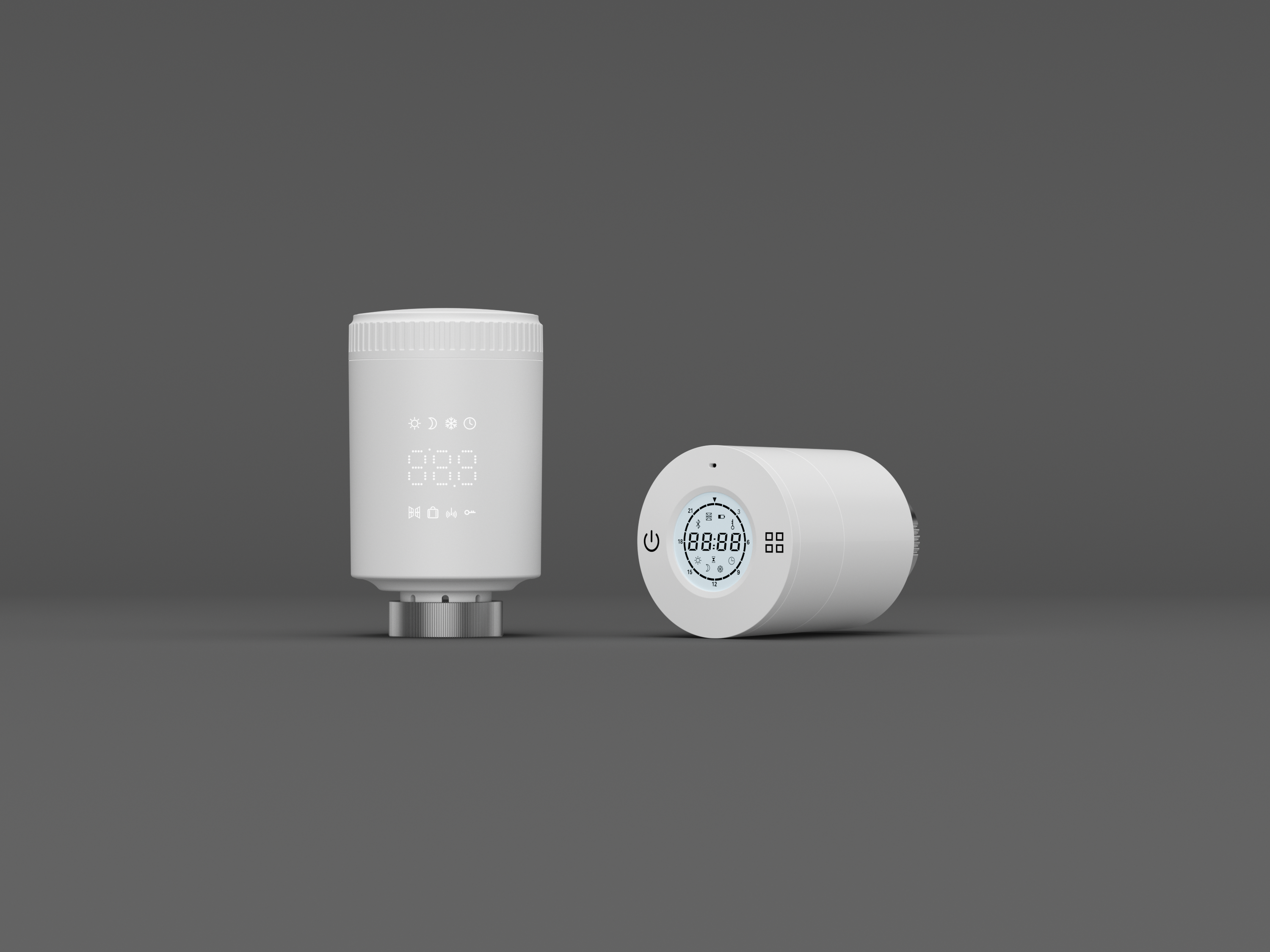
Thermostatic radiator valves are widely designed for retrofit compatibility. Most standard radiator valve bodies can be replaced with thermostatic radiator valves using basic plumbing tools, provided the system is drained or isolated first. Smart thermostatic radiator valves that connect to a home automation network are also available and can replace existing thermostatic radiator valves heads without changing the valve body in many cases, making the upgrade even simpler for homeowners seeking digital control alongside the core energy benefits of thermostatic radiator valves.