
 EN
EN



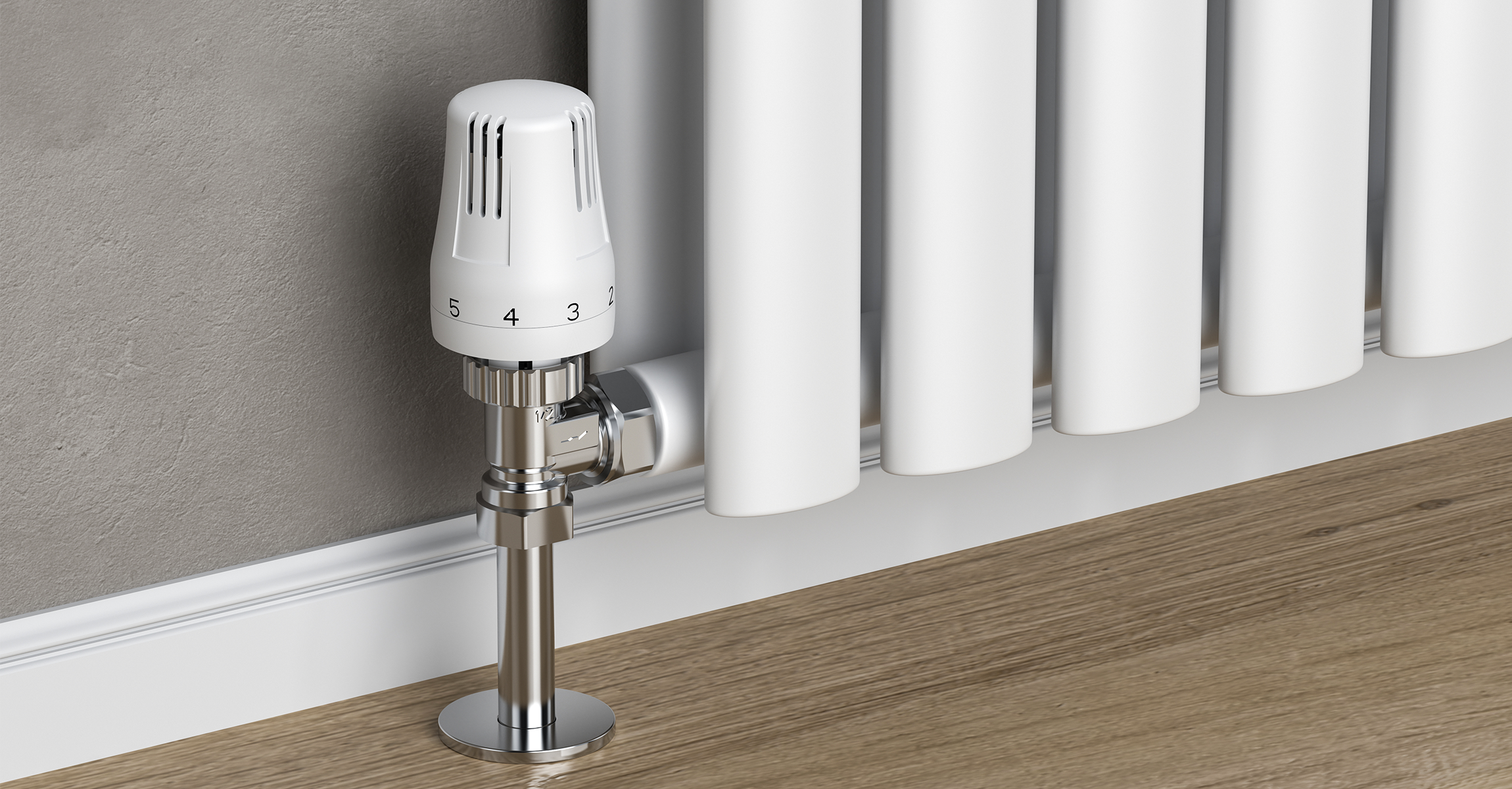
Modern heating systems have evolved dramatically, and at the heart of efficient temperature control lies the thermostatic radiator valve technology. These sophisticated devices represent a significant advancement in home heating management, offering unprecedented control over individual room temperatures while maximizing energy efficiency. Understanding the comprehensive features of these innovative systems can help homeowners make informed decisions about their heating infrastructure and achieve optimal comfort levels throughout their living spaces.
The integration of smart technology into traditional heating components has revolutionized how we approach temperature regulation. Contemporary thermostatic radiator valve systems incorporate advanced sensors, wireless connectivity, and intelligent algorithms that work seamlessly together to provide precise climate control. These features extend far beyond simple temperature adjustment, encompassing energy monitoring, remote accessibility, and predictive heating patterns that adapt to user preferences and environmental conditions.
Professional installation and proper understanding of these systems ensure maximum benefit realization. The complexity of modern thermostatic radiator valve technology requires careful consideration of various factors including compatibility with existing heating systems, integration capabilities, and long-term maintenance requirements. Investment in quality components and proper implementation translates directly into improved comfort, reduced energy consumption, and enhanced property value.
Advanced Temperature Sensing Technology
Precision Temperature Measurement
Contemporary thermostatic radiator valve systems utilize sophisticated temperature sensing mechanisms that provide accuracy within fractions of degrees. These sensors continuously monitor ambient conditions and adjust heating output accordingly, ensuring consistent comfort levels throughout the day. The advanced calibration systems built into modern units eliminate temperature fluctuations that were common with older mechanical thermostats.
Multi-zone sensing capabilities allow individual thermostatic radiator valve units to respond to localized temperature variations within specific areas. This granular control prevents overheating in sunny rooms while maintaining adequate warmth in shadier spaces. The intelligent sensing technology also accounts for external factors such as window placement, insulation quality, and room usage patterns.
Sensor durability and reliability have improved significantly through advanced materials and manufacturing processes. Modern thermostatic radiator valve components resist environmental factors like humidity, dust, and temperature extremes that could affect accuracy. Regular sensor calibration features ensure long-term precision and optimal performance throughout the system's operational lifetime.
Adaptive Learning Algorithms
Machine learning integration enables thermostatic radiator valve systems to develop comprehensive understanding of household heating patterns and preferences. These algorithms analyze historical data to predict optimal heating schedules, reducing energy waste while maintaining desired comfort levels. The learning process continues throughout system operation, constantly refining performance based on user behavior and environmental changes.
Predictive heating capabilities allow the system to anticipate temperature requirements before manual adjustments become necessary. Smart thermostatic radiator valve technology can prepare rooms for occupancy by gradually adjusting temperatures based on learned schedules and occupancy patterns. This proactive approach ensures immediate comfort while minimizing energy consumption during unoccupied periods.
Algorithm sophistication extends to weather compensation features that integrate local climate data with internal sensors. The thermostatic radiator valve system automatically adjusts heating intensity based on external temperature forecasts, wind conditions, and seasonal patterns. This comprehensive approach optimizes energy efficiency while maintaining consistent indoor comfort regardless of weather variations.
Wireless Connectivity and Smart Integration
Mobile Application Control
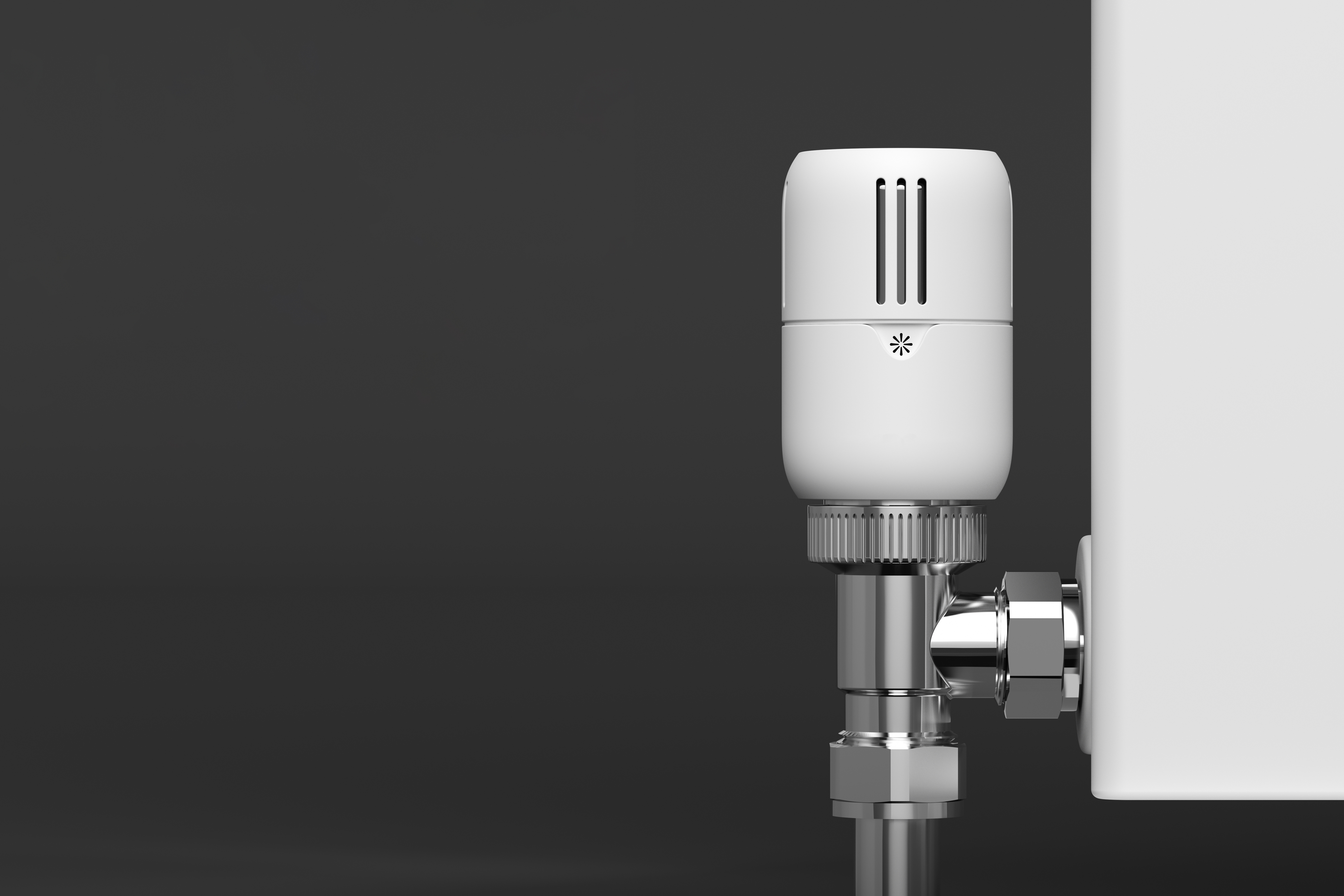
Comprehensive mobile applications provide intuitive interfaces for managing thermostatic radiator valve systems from anywhere in the world. These applications offer real-time temperature monitoring, schedule programming, and energy consumption tracking through user-friendly dashboards. Advanced notification systems alert users to system status changes, maintenance requirements, or unusual operating conditions.
Remote accessibility features enable temperature adjustments during travel or unexpected schedule changes. Users can modify heating patterns, create custom profiles for different occasions, and monitor energy usage patterns through detailed analytics. The mobile integration extends to voice control compatibility with popular smart home assistants, allowing hands-free operation and seamless integration with existing home automation systems.
Security protocols protect thermostatic radiator valve systems from unauthorized access while maintaining reliable connectivity. Encrypted communication channels and secure authentication processes ensure private data remains protected. Regular software updates enhance functionality and security features, keeping systems current with evolving technology standards and user requirements.
Home Automation Integration
Smart home ecosystem compatibility allows thermostatic radiator valve systems to interact with other connected devices throughout the residence. Integration with occupancy sensors, window sensors, and lighting systems creates comprehensive environmental control that responds automatically to changing conditions. These interconnections optimize energy efficiency by coordinating heating with ventilation, lighting, and security systems.
Protocol flexibility supports integration with various home automation standards including WiFi, Zigbee, and Z-Wave networks. This compatibility ensures thermostatic radiator valve systems work effectively with existing smart home infrastructure without requiring extensive modifications. Universal compatibility features future-proof installations against technological changes and component upgrades.
Centralized control platforms enable management of multiple thermostatic radiator valve units throughout large properties or commercial buildings. Building management systems can monitor and adjust individual zones while maintaining overall energy efficiency targets. This scalability makes advanced temperature control accessible for various property types and sizes.
Energy Efficiency and Cost Management
Intelligent Energy Optimization
Advanced energy management features within thermostatic radiator valve systems continuously analyze consumption patterns and identify optimization opportunities. Real-time monitoring capabilities track energy usage by room, time period, and heating demand to provide comprehensive insights into system efficiency. These analytics help users understand their heating costs and identify areas for potential savings.
Demand-based heating control ensures thermostatic radiator valve systems operate only when necessary, eliminating energy waste from overheating or unnecessary operation. Smart scheduling features automatically reduce heating in unoccupied rooms while maintaining minimal temperatures to prevent freezing or humidity issues. This intelligent approach can reduce overall heating costs by up to thirty percent compared to traditional systems.
Load balancing capabilities distribute heating demand across available system capacity to optimize efficiency and reduce peak energy consumption. Thermostatic radiator valve technology coordinates with central heating systems to minimize cycling frequency and maintain steady operating temperatures. This coordination extends equipment life while reducing maintenance requirements and operating costs.
Economic Benefits and ROI
Investment analysis demonstrates significant long-term savings potential from thermostatic radiator valve installation and proper utilization. Energy cost reductions, improved system efficiency, and reduced maintenance requirements contribute to positive return on investment within reasonable timeframes. Property value increases from modern heating control systems provide additional economic benefits beyond operational savings.
Utility rebate programs and energy efficiency incentives often support thermostatic radiator valve installations, reducing initial investment costs. Many regions offer financial incentives for smart heating system upgrades that meet specific efficiency standards. These programs recognize the environmental benefits and grid stability improvements that result from advanced temperature control technologies.
Maintenance cost reductions result from improved system monitoring and predictive maintenance capabilities built into modern thermostatic radiator valve systems. Early problem detection prevents minor issues from developing into expensive repairs. Extended equipment life and reduced service call requirements contribute to lower total cost of ownership throughout system lifetime.
Installation and Compatibility Considerations
System Integration Requirements
Proper thermostatic radiator valve installation requires careful assessment of existing heating infrastructure and compatibility with current system components. Professional evaluation ensures optimal performance and prevents integration issues that could affect reliability or efficiency. Compatibility considerations include valve sizing, pressure requirements, and control system interfaces that must align with thermostatic radiator valve specifications.
Retrofitting existing systems with advanced thermostatic radiator valve technology often requires minimal modifications to plumbing or electrical systems. Modern units are designed for easy installation in standard radiator configurations while providing advanced functionality. Professional installation ensures proper calibration and integration with existing heating controls for optimal performance.
New construction installations offer opportunities to design heating systems around advanced thermostatic radiator valve capabilities from the ground up. Integrated planning allows optimization of pipe routing, electrical connections, and control system architecture for maximum efficiency and functionality. This comprehensive approach ensures seamless operation and easy future maintenance or upgrades.
Maintenance and Longevity
Regular maintenance protocols for thermostatic radiator valve systems focus on software updates, sensor calibration, and mechanical component inspection. Preventive maintenance schedules help identify potential issues before they affect system performance or user comfort. Professional service recommendations ensure systems operate at peak efficiency throughout their design life.
Component durability testing demonstrates thermostatic radiator valve reliability under normal operating conditions over extended periods. Quality manufacturing processes and material selection contribute to long service life with minimal maintenance requirements. Warranty programs provide additional protection and service support for system components and installation quality.
Upgrade pathways allow gradual improvement of thermostatic radiator valve systems as technology advances or user requirements change. Modular design approaches enable component replacement or enhancement without complete system replacement. This flexibility protects investment value while allowing access to improved features and capabilities as they become available.
FAQ
What makes a thermostatic radiator valve system different from traditional heating controls
Modern thermostatic radiator valve systems incorporate advanced sensors, wireless connectivity, and intelligent algorithms that traditional mechanical thermostats cannot provide. These systems offer precise temperature control, remote accessibility, energy monitoring, and adaptive learning capabilities that automatically optimize heating patterns based on usage and preferences. The integration of smart technology enables comprehensive home automation compatibility and significant energy efficiency improvements compared to conventional heating controls.
How much energy savings can be expected from installing smart thermostatic radiator valve systems
Professional studies indicate that properly installed and configured thermostatic radiator valve systems can reduce heating costs by twenty to thirty percent compared to traditional heating methods. The actual savings depend on factors including property size, insulation quality, usage patterns, and local climate conditions. Energy optimization features such as intelligent scheduling, occupancy-based control, and weather compensation contribute to these efficiency improvements while maintaining optimal comfort levels throughout the property.
Are thermostatic radiator valve systems compatible with existing heating infrastructure
Most modern thermostatic radiator valve systems are designed for compatibility with standard heating system configurations including hot water radiators, steam systems, and hydronic heating installations. Professional assessment determines specific compatibility requirements and identifies any necessary modifications for optimal integration. Retrofitting existing systems typically requires minimal changes to plumbing or electrical infrastructure while providing significant functionality improvements over traditional heating controls.
What maintenance is required to keep thermostatic radiator valve systems operating effectively
Regular maintenance for thermostatic radiator valve systems primarily involves software updates, sensor calibration verification, and periodic cleaning of mechanical components. Most systems include self-diagnostic features that monitor performance and alert users to potential maintenance needs. Professional service visits are typically recommended annually to ensure optimal calibration, inspect mechanical components, and update system software for continued reliable operation and maximum efficiency benefits.
Table of Contents
- Advanced Temperature Sensing Technology
- Wireless Connectivity and Smart Integration
- Energy Efficiency and Cost Management
- Installation and Compatibility Considerations
-
FAQ
- What makes a thermostatic radiator valve system different from traditional heating controls
- How much energy savings can be expected from installing smart thermostatic radiator valve systems
- Are thermostatic radiator valve systems compatible with existing heating infrastructure
- What maintenance is required to keep thermostatic radiator valve systems operating effectively